multilayer pcb
1.What is multi-layer PCB?
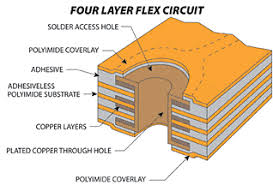
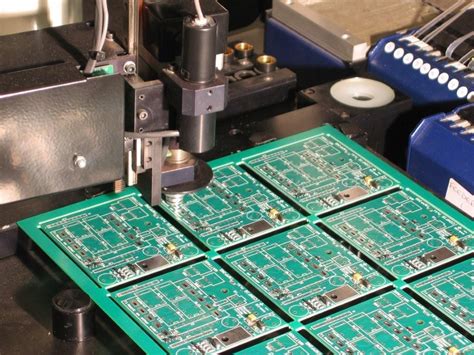
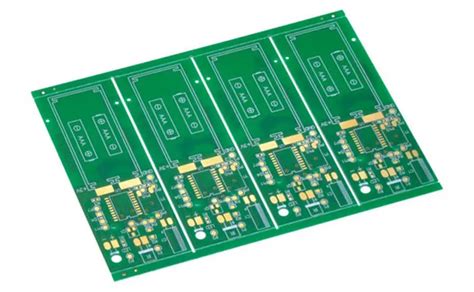
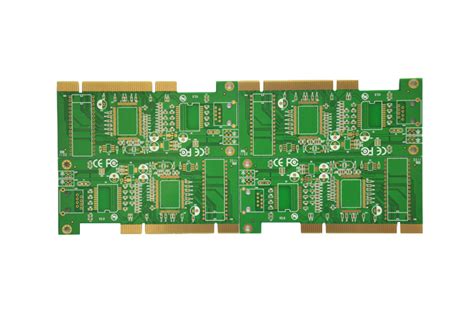
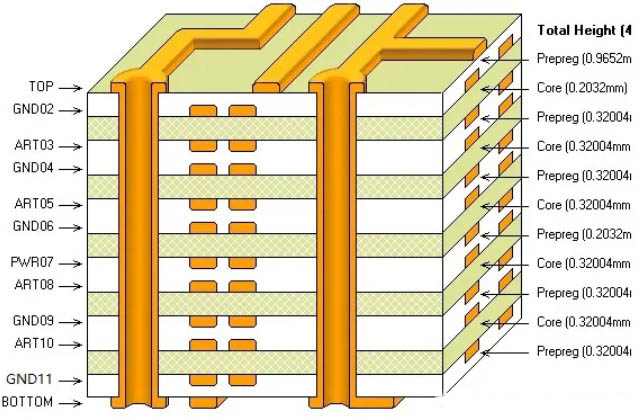
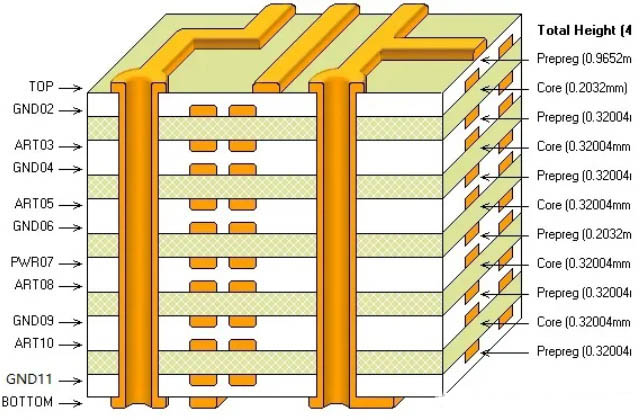
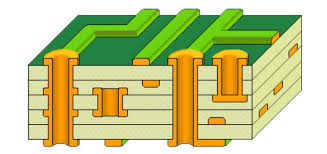
The design and manufacturing process of multi-layer PCB is a crucial link in the field of electronic engineering. Multi-layer PCB, or multi-layer printed circuit board, is a complex structure composed of multiple layers of conductive patterns and insulating materials alternately stacked.
Its design and manufacturing process not only determines the performance and reliability of the circuit board, but also directly affects the quality and function of the final electronic product.
2.What is the structural composition of a multi-layer PCB?
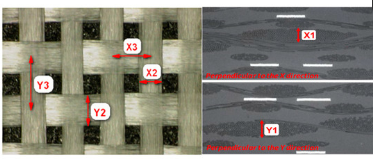
In terms of material selection, manufacturers usually use high-performance substrates such as FR4, polyimide, etc., which have excellent electrical properties and mechanical strength. Next, the lamination process is a key step to press the various layers of the multi-layer circuit board together.
Through high temperature and high pressure, the resin material between the layers will melt and solidify, thus firmly combining the layers together. This process requires strict control of temperature and pressure to avoid separation between layers or the generation of bubbles.
GET PCB MANUFACTURING AND ASSEMBLY QUOTE NOW!
3.What are the advantages of multilayer PCB?
(1)high-density circuit design capabilities.
(2)have better electrical performance
(3)provide better thermal management performance
4.What are the disadvantages of 10-layer PCB?
(1)the manufacturing cost is higher.
(2)the design and manufacturing cycle of multi-layer PCB is long
(3) repair and replacement of multi-layer PCBs are also difficult.
Multilayer printed circuit boards (PCBs) play a vital role in modern electronic devices. Their design and application bring many significant advantages, but there are also some disadvantages that cannot be ignored.
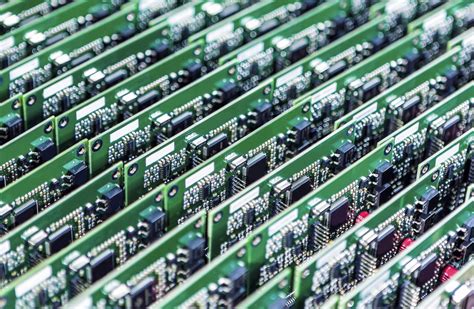
First, a major advantage of multilayer PCBs is their high-density circuit design capabilities. By stacking multiple circuit layers together, multilayer PCBs are able to accommodate more electronic components and connections in a limited space, allowing for more complex circuit designs. This is crucial for the miniaturization and high performance of modern electronic devices.
In addition, multi-layer PCBs also have better electrical performance. Since the multi-layer design can effectively reduce electromagnetic interference and signal crosstalk, the stability and reliability of electronic equipment have been significantly improved.
This is particularly important for applications that require high precision and reliability, such as communications equipment, medical devices, and aerospace systems. At the same time, multi-layer PCBs can also provide better thermal management performance. Through reasonable inter-layer layout and the use of thermally conductive materials, multi-layer PCBs can effectively dissipate heat and prevent electronic components from overheating, thereby extending the service life of the equipment.
However, multilayer PCBs also have some disadvantages. First, the manufacturing cost is higher. The production process of multi-layer PCB is complex and requires sophisticated equipment and a high level of technical support, which makes its manufacturing cost significantly higher than that of single-layer or double-layer PCB. This can be an important consideration for projects with limited budgets or low-volume production. Secondly, the design and manufacturing cycle of multi-layer PCB is long. Due to its complex structure and strict process requirements, it requires more time and resources from design to final production. This can impact product time to market, especially in a rapidly changing market environment.
In addition, repair and replacement of multi-layer PCBs are also difficult. Due to its complex internal structure, once a failure occurs, locating and repairing the problem may require more time and professional skills. In some cases, the entire PCB may even need to be replaced, which undoubtedly increases maintenance costs and time. Nonetheless, the advantages of multilayer PCBs in high-performance and high-density applications still make them the first choice for many high-end electronic devices.
To sum up, multi-layer PCB has irreplaceable advantages in modern electronic equipment, such as high-density circuit design, better electrical performance and thermal management capabilities. However, its high manufacturing cost, long design and production cycle, and maintenance difficulty also need to be weighed in practical applications. Through reasonable design and optimization, the advantages of multi-layer PCB can be maximized, while its disadvantages can also be effectively controlled and mitigated.
GET PCB AND ASSEMBLY SERVICE QUOTE NOW!
5.Application of 10-layer PCB
(1)consumer electronics
(2)communication equipment
(3)medical equipment.
(4)medical equipment.
(5)the aerospace and military sectors
Multilayer PCB has a wide range of application scenarios in modern electronic equipment, covering various fields from consumer electronics to industrial control systems.
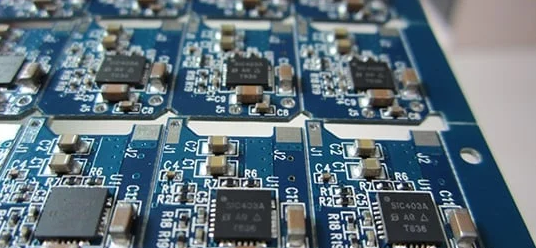
First of all, consumer electronics is one of the most common application scenarios of multi-layer PCB. Devices such as smartphones, tablets, and laptops rely on multi-layer PCBs to perform their complex functions.
These devices require the integration of a large number of electronic components in a limited space, and the design of multi-layer PCBs can effectively utilize space and improve circuit density and performance.
In addition, communication equipment is also an important application field of multi-layer PCB. With the popularization of 5G technology, communication equipment has increasing demand for high-frequency and high-speed signal transmission.
Multilayer PCBs can meet these high requirements by providing better signal integrity and electromagnetic compatibility. By performing signal isolation and power distribution between different layers, multi-layer PCB can significantly reduce signal interference and noise, improving the reliability and stability of communication equipment.
Looking further, multi-layer PCBs are also widely used in medical equipment. Modern medical equipment, such as electrocardiographs, ultrasound equipment, and magnetic resonance imaging equipment, require high precision and reliability. Multi-layer PCB can support complex circuit design and ensure that the equipment can operate stably in various environments.
In addition, multi-layer PCB can also integrate more functional modules and reduce the size and weight of the device, which is especially important for portable medical equipment.
In industrial control systems, multi-layer PCBs also play a key role. Equipment such as automated production lines, robot control systems, and programmable logic controllers (PLCs) all require high-performance circuit boards to achieve precise control and data processing.
Multi-layer PCB not only provides higher circuit density, but also enhances the anti-interference ability of the system, thereby improving the reliability and efficiency of industrial equipment.
In addition, the demand for multi-layer PCBs in the aerospace and military sectors is also growing. Equipment in these fields usually need to work in extreme environments, such as high temperature, high pressure and strong radiation. The design of multi-layer PCB can enhance the mechanical strength and environmental resistance of the circuit board, ensuring that the equipment can still operate normally under harsh conditions.
At the same time, multi-layer PCBs can also support more complex circuit designs to meet the high performance and reliability requirements of aerospace and military equipment.
To sum up, multi-layer PCB has a wide range of application scenarios in modern electronic equipment. From consumer electronics to communication equipment, from medical equipment to industrial control systems, to aerospace and military fields, multi-layer PCB plays an irreplaceable role. role.
By providing higher circuit density, better signal integrity and stronger anti-interference capabilities, multi-layer PCBs provide a solid foundation for performance improvements and functional expansion of modern electronic devices.