Open Source PCB Layout: Revolutionizing Electronics Design
Introduction
The field of electronics design has undergone significant transformations over the past few decades, driven by advancements in technology and the democratization of tools. One of the most notable developments in recent years is the rise of open-source software, which has permeated various domains, including Printed Circuit Board (PCB) layout design. Open-source PCB layout tools have emerged as powerful alternatives to proprietary software, offering flexibility, cost-effectiveness, and community-driven innovation. This article explores the concept of open-source PCB layout, its benefits, challenges, and its impact on the electronics design industry.
What is Open Source PCB Layout?
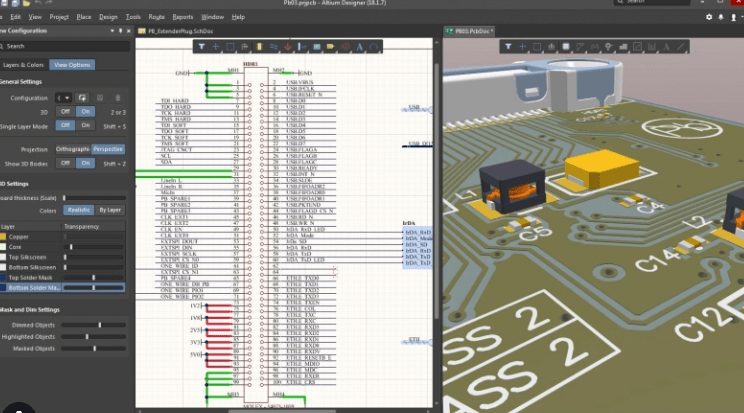
Open-source PCB layout refers to the use of open-source software tools for designing the physical layout of printed circuit boards. These tools allow engineers and hobbyists to create schematics, design PCB layouts, and generate manufacturing files without the need for expensive proprietary software. Open-source PCB layout tools are typically developed by a community of contributors and are freely available for anyone to use, modify, and distribute.
Some of the most popular open-source PCB layout tools include:
- KiCad: A comprehensive suite for PCB design, including schematic capture, PCB layout, and 3D visualization.
- gEDA: A collection of tools for electronic design, including schematic capture, PCB layout, and simulation.
- Fritzing: A user-friendly tool aimed at hobbyists and educators, with a focus on simplicity and ease of use.
- Horizon EDA: A modern, open-source EDA tool with a focus on usability and extensibility.
Benefits of Open Source PCB Layout
- Cost-Effectiveness: One of the most significant advantages of open-source PCB layout tools is that they are free to use. This eliminates the need for expensive licenses, making PCB design accessible to individuals, startups, and educational institutions with limited budgets.
- Flexibility and Customization: Open-source tools provide users with the freedom to modify the software to suit their specific needs. This level of customization is particularly valuable for specialized projects or unique design requirements that may not be adequately addressed by proprietary software.
- Community Support: Open-source projects are often supported by a vibrant community of users and developers. This community-driven approach fosters collaboration, knowledge sharing, and continuous improvement of the software. Users can access forums, documentation, and tutorials, making it easier to learn and troubleshoot.
- Transparency and Security: With open-source software, the source code is openly available for inspection. This transparency ensures that users can verify the integrity of the software, identify potential security vulnerabilities, and contribute to its improvement. In contrast, proprietary software is often a “black box,” with limited visibility into its inner workings.
- Cross-Platform Compatibility: Many open-source PCB layout tools are designed to be cross-platform, meaning they can run on various operating systems, including Windows, macOS, and Linux. This flexibility allows users to choose their preferred platform without being locked into a specific ecosystem.
- Rapid Innovation: The open-source model encourages rapid innovation, as developers from around the world can contribute to the project. This collaborative approach often results in faster updates, new features, and improved performance compared to proprietary software, which may have slower development cycles.
Challenges of Open Source PCB Layout
While open-source PCB layout tools offer numerous benefits, they are not without challenges. Some of the key challenges include:
- Learning Curve: Open-source tools may have a steeper learning curve compared to proprietary software, especially for users who are accustomed to the latter. The lack of formal training resources or customer support can make it more difficult for beginners to get started.
- Limited Advanced Features: While open-source tools have made significant strides in recent years, they may still lack some of the advanced features found in high-end proprietary software. For example, certain tools may have limited support for high-speed design, advanced signal integrity analysis, or complex multi-board systems.
- Integration with Other Tools: In a professional setting, PCB design is often part of a larger workflow that includes other tools such as simulation software, version control systems, and manufacturing tools. Open-source tools may have limited integration capabilities, which can create challenges in a collaborative environment.
- Documentation and Support: Although open-source projects often have community-driven documentation, the quality and comprehensiveness of this documentation can vary. Users may encounter gaps in documentation or find it challenging to get timely support for specific issues.
- Resource Intensity: Some open-source PCB layout tools may be resource-intensive, requiring powerful hardware to run efficiently. This can be a limitation for users with older or less powerful computers.
Impact on the Electronics Design Industry
The rise of open-source PCB layout tools has had a profound impact on the electronics design industry. Here are some of the key ways in which open-source tools are reshaping the landscape:
- Democratization of Electronics Design: Open-source tools have lowered the barriers to entry for electronics design, enabling individuals, hobbyists, and small businesses to create professional-quality PCBs without the need for expensive software licenses. This democratization has led to a surge in innovation, as more people are able to experiment with and develop new electronic products.
- Education and Skill Development: Open-source PCB layout tools are increasingly being used in educational settings to teach students the fundamentals of electronics design. These tools provide an accessible platform for students to learn and practice PCB design, fostering the development of essential skills for future engineers.
- Collaboration and Knowledge Sharing: The open-source model encourages collaboration and knowledge sharing among users and developers. This collaborative environment has led to the creation of extensive libraries of components, design templates, and tutorials, which benefit the entire community.
- Competition and Innovation: The availability of open-source tools has introduced competition into the PCB design software market, pushing proprietary software vendors to innovate and improve their offerings. This competition benefits users by driving the development of new features, better performance, and more affordable pricing models.
- Customization and Specialization: Open-source tools allow users to customize the software to meet their specific needs, enabling the development of specialized solutions for niche applications. This level of customization is particularly valuable in industries with unique design requirements, such as aerospace, medical devices, and IoT.
Future Trends in Open Source PCB Layout
As open-source PCB layout tools continue to evolve, several trends are likely to shape their future development:
- Enhanced Features and Capabilities: Open-source tools are expected to continue closing the gap with proprietary software by incorporating advanced features such as high-speed design, signal integrity analysis, and multi-board support. This will make open-source tools more competitive in professional settings.
- Improved User Experience: Developers are likely to focus on improving the user experience by streamlining workflows, enhancing user interfaces, and providing better documentation and support. These improvements will make open-source tools more accessible to a broader audience.
- Integration with Other Tools: Future developments may focus on improving integration with other tools in the electronics design workflow, such as simulation software, version control systems, and manufacturing tools. This will enable more seamless collaboration and efficiency in professional environments.
- Cloud-Based Solutions: The adoption of cloud-based solutions for PCB design is expected to grow, offering benefits such as real-time collaboration, remote access, and scalable computing resources. Open-source tools may explore cloud-based options to enhance their capabilities and accessibility.
- AI and Machine Learning: The integration of AI and machine learning into PCB design tools has the potential to revolutionize the industry by automating repetitive tasks, optimizing designs, and improving error detection. Open-source tools may leverage these technologies to enhance their functionality and competitiveness.
Conclusion
Open-source PCB layout tools have emerged as a powerful force in the electronics design industry, offering cost-effective, flexible, and community-driven solutions for creating professional-quality PCBs. While challenges remain, the benefits of open-source tools are undeniable, and their impact on the industry is profound. As these tools continue to evolve, they are likely to play an increasingly important role in democratizing electronics design, fostering innovation, and shaping the future of the industry. Whether you are a hobbyist, student, or professional engineer, open-source PCB layout tools offer a compelling alternative to proprietary software, empowering you to bring your electronic designs to life.