Optimizing Altium Multiboard Assembly for Efficient Design Collaboration
Key Takeaways
Optimizing Altium multiboard assembly is crucial for achieving effective collaboration among design teams. Effective communication among team members plays a vital role in enhancing the overall efficiency of electronic design projects. By adopting best practices such as establishing clear workflows and utilizing Altium‘s integrated tools, teams can tackle challenges prevalent in pcb assembly processes.
One of the most significant outcomes from improving collaboration is the reduction of errors during pcba production. With clearly defined roles and responsibilities, along with proper documentation, team members can maintain alignment throughout the project lifecycle. Implementing a centralized platform for sharing design files and updates can streamline this process even further.
Here are some strategies to consider:
| Strategy | Benefits |
|---|---|
| Centralized Communication | Reduces misunderstandings and improves clarity |
| Regular Design Reviews | Ensures that all stakeholders are on the same page |
| Comprehensive Documentation | Facilitates future revisions and knowledge transfer |
“Collaboration is not just about working together; it’s about creating a shared vision for success.”
Fostering an environment where feedback is encouraged leads to innovative solutions during the design phase. By leveraging tools within Altium, such as version control, teams can track changes effectively, which helps in maintaining the integrity of designs during complex multiboard assembly projects. Ultimately, the goal is to enhance productivity while minimizing costs associated with errors, making it imperative to prioritize collaborative practices throughout every phase of the design process.
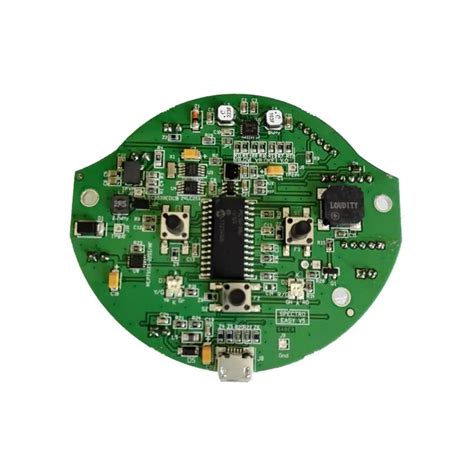
Introduction to Altium Multiboard Assembly
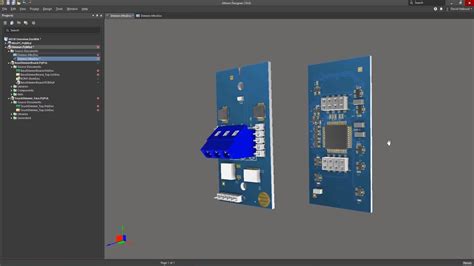
In today’s rapidly evolving electronics landscape, Altium Multiboard Assembly has emerged as a vital component in achieving effective design collaboration. This innovative approach enables engineers and designers to work simultaneously on multiple interconnected printed circuit boards (PCBs) within a single project workspace. By leveraging pcb assembly methodologies, teams can enhance their productivity and accuracy, ensuring that component placements and routing constraints are effectively managed. As electronic devices become increasingly complex, the integration of pcba techniques within the Altium environment not only aids in visualizing inter-board relationships but also facilitates better communication among team members. With features tailored for real-time collaboration, such as simultaneous editing and design rule checking, Altium Multiboard Assembly transforms how engineers approach multiboard projects. By streamlining workflows and minimizing potential errors during the design phase, teams can optimize their efforts towards delivering high-quality products on schedule. Understanding these foundational elements of Altium’s capabilities is crucial for leveraging its tools effectively to produce efficient designs that meet today’s demanding specifications.
Key Challenges in Multiboard Design Collaboration
In the realm of pcb assembly and pcba, effective collaboration across multiple boards poses significant challenges that can affect the success of a project. One of the primary difficulties lies in maintaining consistent communication among team members, as diverse stakeholders might work on different aspects of the same system, creating potential misalignments in design intent. Additionally, integrating various components and ensuring compatibility between multiboard assemblies often leads to version control issues. When changes are made to one board, it is crucial that all team members are updated promptly to avoid complications that can arise from outdated designs. Clear protocols and best practices should be established to share updates efficiently while ensuring that every member is aligned on project objectives. Furthermore, resource allocation can become a bottleneck; teams may struggle with balancing workloads across different boards while maintaining high quality and efficiency in their outputs. As such, utilizing tools specifically designed for electronic design communication can mitigate these challenges, facilitating a smoother workflow and ultimately improving overall project efficiency. Acknowledging these hurdles allows teams to develop tailored strategies aimed at enhancing collaboration in multiboard assembly projects effectively.
Best Practices for Optimizing Design Workflows
Optimizing design workflows in Altium multiboard assembly is critical to achieving successful outcomes in PCB assembly projects. One of the foremost strategies is to establish a clear and consistent set of design guidelines that align with the team’s goals and project specifications. This not only fosters a better understanding of the design process but also minimizes errors related to miscommunication. Utilizing version control systems ensures that all team members are working with the most up-to-date files, helping to avoid discrepancies that can arise during PCBA revisions.
Moreover, configuring the workspace for effective multitasking is essential. By streamlining the layout and customizing toolbars, designers can navigate more efficiently through different aspects of their boards without unnecessary delays. Leveraging Altium’s integration capabilities with other software tools can also enhance overall project cohesion; importing data from simulation tools, for instance, allows designers to make informed decisions early in the assembly process.
Collaboration features within Altium should not be overlooked; using real-time commenting systems enables instant feedback among team members, reducing bottlenecks. Emphasizing regular check-in meetings ensures that everyone stays aligned with project milestones while addressing challenges proactively. In summary, by implementing these best practices—ranging from rigorous guideline adherence and workspace optimization to enhanced collaboration—teams engaging in multiboard designs will find their workflows not just streamlined but increasingly efficient, leading to successful PCB assembly outcomes that meet or exceed expectations.
Tools and Features in Altium for Enhanced Collaboration
Altium provides a suite of innovative tools and features designed to facilitate collaboration throughout the pcb assembly process, especially in complex multiboard designs. Among these, the Altium Designer’s real-time collaboration capabilities stand out, allowing multiple team members to work simultaneously on a single project. This interactivity is fortified by the version control system, which helps track changes and merge updates seamlessly. Additionally, the incorporation of cloud-based project sharing allows designers to access and review each other’s work from different locations, enhancing teamwork without compromising on project integrity. The use of schematic capture tools also simplifies communication around design changes; engineers can easily annotate their designs with comments or notes for their colleagues, promoting a shared understanding of the project requirements. As a part of this ecosystem, design rule checks and automated pcba workflows streamline the verification process to ensure that all components align perfectly with design specifications before moving into production, thus minimizing errors that often stall progress. By leveraging these advanced features within Altium, teams can not only enhance their ability to collaborate effectively but also improve overall efficiency and output in their electronic design projects.
Strategies for Streamlining Communication among Team Members
Effective communication plays a crucial role in the PCB assembly process, particularly in complex projects involving multiboard designs. To enhance collaboration within teams, it is vital to establish clear channels of communication. Utilizing dedicated platforms for project management can facilitate real-time discussions, file sharing, and task assignments, significantly improving the flow of information. Regular meetings that focus on status updates and addressing potential challenges help ensure all team members are aligned and informed.
Implementing a standardized documentation process also contributes to clarity, allowing team members to reference previous discussions, decisions, and changes effortlessly. Moreover, integrating tools that support version control for shared files enhances accountability and reduces the risk of errors in PCBA workflows. Visual aids such as flowcharts or digital boards can further assist in conveying complex ideas effectively.
Promoting an environment where team members feel comfortable voicing their ideas or concerns is essential for fostering innovation and collaboration. Encouraging open dialogue not only strengthens relationships among team members but also helps in identifying potential issues early on. By adopting these strategies, teams can streamline their communication efforts, leading to more efficient design processes and ultimately driving success in their electronic design projects.
Case Studies: Successful Multiboard Projects and Their Techniques
Examining real-world implementations of Altium multiboard assembly offers valuable insights into effective design practices within electronic projects. One notable project involved an innovative consumer electronics company that utilized PCB assembly techniques to achieve a streamlined PCBA process. By breaking down the project into manageable segments and employing dedicated teams for each multiboard component, they fostered a collaborative environment that significantly improved efficiency. Utilizing the diverse features within Altium, such as real-time design updates and integrated communication tools, allowed them to maintain alignment among team members throughout the project lifecycle.
Furthermore, this initiative illustrated the importance of incorporating feedback loops during assembly phases. For example, rapid prototyping alongside traditional methods enabled the team to iterate designs swiftly based on testing results, ensuring optimal performance in end products. The emphasis on cross-functional collaboration not only reduced errors in the pcb assembly but also shortened time-to-market due to enhanced workflow management. This case study serves as a testament to how leveraging best practices in Altium multiboard assembly, while focusing on effective communication strategies, can elevate project outcomes and set new standards for future designs in the industry.
Future Trends in Multiboard Assembly and Design Practices
As the landscape of pcb assembly continues to evolve, notable trends are emerging that influence pcba methodologies. One significant development is the integration of artificial intelligence and machine learning to enhance design intelligence. These technologies enable more precise predictions regarding potential design issues before they arise, allowing teams to tackle challenges proactively. Furthermore, advancements in simulation tools are set to revolutionize the prototyping phase, facilitating rapid iterations and reducing time-to-market for new products. Collaborative tools are also on the rise, promoting synchronous design efforts among geographically dispersed teams. This real-time collaboration enhances transparency and fosters a more holistic approach to multiboard assembly, ensuring that all stakeholders stay aligned throughout the development process. Moreover, sustainable practices are gaining traction. Emphasizing eco-friendly materials and manufacturing techniques not only caters to regulatory standards but also resonates with a growing consumer demand for environmentally responsible products. These trends collectively enhance the efficiency and effectiveness of multiboard assembly, setting new benchmarks for future projects in electronic design. By embracing these innovations, teams can better adapt to rapid market changes while maintaining high standards of quality and collaboration in their designs.
Conclusion: Enhancing Efficiency through Collaborative Design
In the realm of pcb assembly, optimizing processes through collaborative design is essential for improving project outcomes. Effective teamwork can lead to significant enhancements in the quality and efficiency of pcba projects. As teams leverage advanced strategies and tools available within platforms like Altium, they cultivate a cohesive environment that minimizes errors and accelerates development timelines. By fostering open lines of communication and implementing best practices tailored to multiboard assembly, teams can ensure that each member contributes their expertise, leading to innovative solutions and streamlined workflows. This collaborative approach not only elevates individual contributions but also strengthens the overall project dynamics, resulting in a more agile response to challenges that arise during the design process. Ultimately, prioritizing teamwork and collaboration can transform the landscape of electronic design, making it more adaptive and efficient in meeting the demands of today’s technological advancements.
Conclusion: Enhancing Efficiency through Collaborative Design
In the rapidly evolving realm of electronic design, optimizing Altium multiboard assembly is crucial for boosting overall project efficiency. By implementing the best practices discussed, teams can effectively overcome the key challenges related to multiboard design collaboration. For instance, leveraging specific tools and features within Altium can significantly streamline the pcb assembly process, allowing for smoother transitions between various stages of development. Additionally, fostering a culture of open communication among team members leads to a more collaborative environment where ideas can flourish. By adopting integrated workflows that prioritize collaborative efforts in the PCBA process, organizations can ensure that every team member is engaged and informed. With a proactive approach to communication and an emphasis on using advanced technologies in pcb assembly, companies can position themselves ahead of future trends in multiboard assembly and design practices. This holistic strategy not only enhances productivity but also creates a seamless experience in delivering high-quality electronic products to market.
FAQs
What is Altium multiboard assembly?
Altium multiboard assembly refers to the process of designing and collaborating on multiple printed circuit boards (PCBs) within a single project environment in Altium Designer. This approach enhances project efficiency by allowing designers to work simultaneously on different boards while maintaining coordination and consistency across the entire design.
How can I optimize my PCB assembly process?
To optimize your PCB assembly process, consider implementing best practices such as defining clear design rules, utilizing component libraries, and employing Altium’s built-in tools for pcba management. Establishing a streamlined workflow will significantly reduce errors and improve overall efficiency.
What are the benefits of using Altium for multiboard design collaboration?
Using Altium for multiboard design collaboration enables teams to easily manage changes across multiple boards, foster better communication among team members, and enhance design accuracy. The software provides features that facilitate real-time updates and reflections of changes made across different design files.
How does effective communication impact PCB projects?
Effective communication is crucial in pcb assembly projects as it ensures that all team members are on the same page regarding requirements, changes, and deadlines. This minimizes misunderstandings, reduces rework, and leads to smoother project execution.
Are there any case studies demonstrating successful multiboard projects?
Yes, there are numerous case studies highlighting successful multiboard projects that utilized strategic techniques in pcb assembly. These projects typically showcase effective collaboration practices, innovative workflow optimizations, and the application of advanced functionalities in Altium Designer.