Optimizing Circuit Board Assembly for Enhanced Efficiency and Quality

Key Takeaways
Optimizing PCB assembly processes is crucial for enhancing both efficiency and quality in the production of electronic components. One of the primary takeaways is that a strategic approach to PCBA can significantly affect the overall performance of manufacturing systems. Companies can benefit from implementing innovative techniques such as real-time monitoring and data analytics, which provide insights into workflow bottlenecks and opportunities for improvement. Additionally, adopting best practices, including thorough component inspection and streamlined assembly procedures, ensures that quality assurance remains a top priority throughout the circuit board assembly process. The integration of automation also plays a vital role by reducing manual errors and expediting production time, thus allowing manufacturers to meet increasing demand without compromising quality. To remain competitive, organizations must stay informed about emerging technologies that are reshaping the landscape of electronics manufacturing; this includes advancements such as machine learning and artificial intelligence, which can further refine both efficiency and product quality. By embracing these strategies, manufacturers not only enhance their operational efficiency but also improve customer satisfaction through superior product reliability.
Introduction to Circuit Board Assembly Optimization
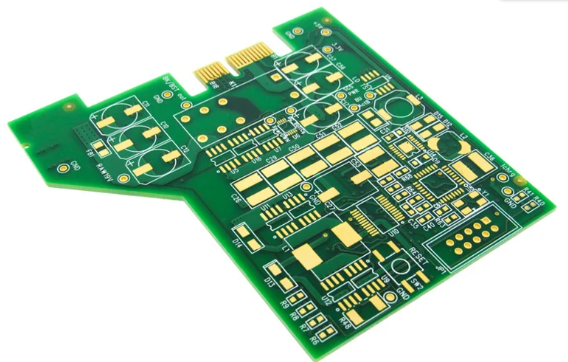
In the ever-evolving landscape of electronics manufacturing, optimizing pcb assembly processes is crucial for achieving superior efficiency and quality. The basic premise of pcba optimization is to streamline operations while ensuring the final products meet stringent quality standards. Various strategies can be employed, such as refining layout designs, improving component placement accuracy, and enhancing soldering techniques. The introduction of advanced materials and machinery can significantly impact the overall productivity of assembly lines. Moreover, it is essential to evaluate the balance between manual labor and automation to determine the most effective approach for each specific operation within the pcb assembly process.
| Strategy | Description | Benefits |
|---|---|---|
| Design for Manufacturability (DFM) | Simplifying designs to facilitate easier assembly | Reduced costs and fewer errors |
| Synchronous Operation | Coordinating workflows across multiple stations | Increased throughput |
| Automated Inspection | Using technology for real-time quality monitoring | Improved defect detection |
By adopting these strategies, manufacturers not only enhance their production outcomes but also position themselves to be more adaptable in a competitive market. Ultimately, as technologies evolve, continuous assessment and implementation of innovative practices will help in achieving sustained improvements in pcba processes.
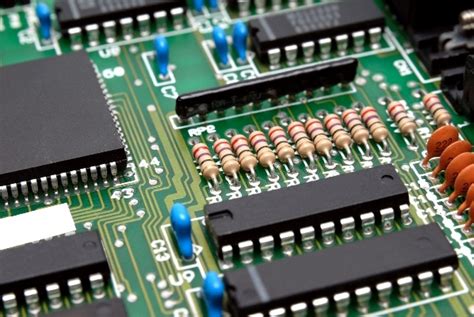
Key Challenges in Circuit Board Assembly Processes
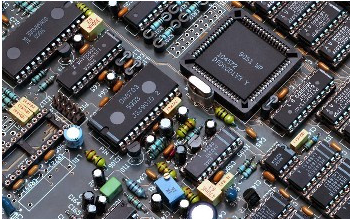
The process of pcb assembly presents several key challenges that can affect both efficiency and quality in production. One significant issue is the increasing complexity of electronic designs, which often includes a high density of components on a single circuit board. This not only makes the pcba process more intricate but also heightens the risk of errors during assembly. Moreover, maintaining consistency and precision in soldering techniques is vital; however, variations in heat during reflow can lead to defects such as cold solder joints or bridging, which compromise the integrity of the assembly.
Another challenge stems from supply chain interruptions that can affect the availability of key components required for assembly. These interruptions prolong lead times and can lead to production delays. Additionally, as electronic components evolve rapidly, ensuring compatibility and keeping up with the latest component specifications is also a considerable hurdle for manufacturers.
To navigate these challenges, it is crucial for organizations to adopt innovative techniques and leverage modern technologies throughout their pcb assembly processes. As noted by industry experts: > “Staying ahead in electronics manufacturing requires not only adapting current practices but also anticipating future developments.” Implementing robust quality assurance measures can also help mitigate risks associated with high complexity and variability in components.
Embracing automation can dramatically improve consistency and throughput while minimizing human error during production. Thus, focusing on these challenges with strategic solutions is essential for improving overall efficiency and quality in circuit board assembly operations.

Innovative Techniques for Improving Efficiency
In the realm of pcb assembly or PCBA, enhancing efficiency is crucial for keeping pace with the rapidly evolving electronics market. One of the most effective strategies involves the integration of advanced technology, such as automated optical inspection (AOI) systems, which allow for real-time quality checks and reduce manual error. This not only streamlines the pcb assembly process but also boosts confidence in the final product’s reliability. Furthermore, adopting lean manufacturing principles can significantly minimize waste and optimize workflow, ensuring that each step in the PCBA line adds value. Implementing modular designs can also facilitate quicker reconfiguration of production lines, thus allowing manufacturers to respond promptly to changes in demand. Training employees on these innovative approaches is equally important; a skilled workforce adept in new techniques is essential for achieving sustained improvements in efficiency. By leveraging a combination of these innovative techniques, companies can substantially enhance their circuit board assembly processes, resulting in higher throughput and quality output that meet industry standards.
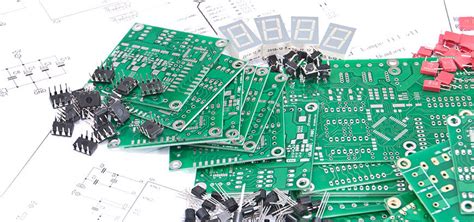
Best Practices for Quality Assurance in Assembly
Ensuring quality assurance in pcb assembly requires a systematic approach that integrates both technological and human factors. A critical aspect of this process is the establishment of robust inspection protocols at various stages of production. Implementing automated optical inspection (AOI) can significantly enhance the ability to detect defects early, thereby reducing waste and ensuring that only products meeting strict quality standards proceed to the next phase. Additionally, thorough training for assembly personnel is crucial; skilled workers contribute to improved assembly practices and decrease error rates in pcba processes. Maintaining a clean and organized work environment cannot be overlooked, as it directly impacts efficiency and quality. Finally, leveraging data analytics allows manufacturers to monitor metrics such as defect rates and production cycle times, enabling continual improvement and adherence to best practices in quality assurance for assembly processes. By applying these strategies, electronics manufacturers can achieve greater reliability in their products while optimizing their operational efficiency.
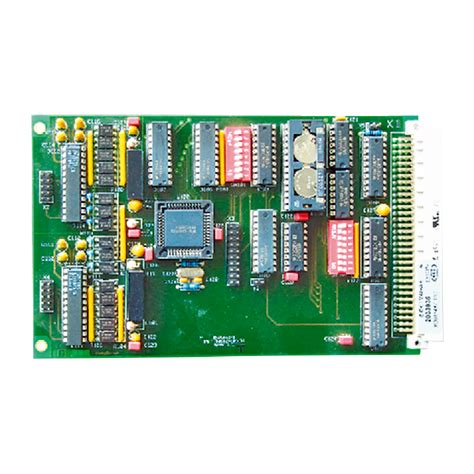
The Role of Automation in Circuit Board Manufacturing
In the realm of pcb assembly, automation plays a pivotal role in enhancing both efficiency and quality throughout the production process. Automated systems, including robotic arms and advanced placement machines, significantly reduce human error in component placement, thus streamlining pcba workflows. By employing precision machinery, manufacturers are able to achieve tighter tolerances and higher repeatability, resulting in improved functional performance of the circuit boards. Furthermore, automation facilitates real-time monitoring and feedback mechanisms that can detect inconsistencies during assembly. This capability not only minimizes defects but also accelerates production rates by allowing for faster throughput without sacrificing quality. As the landscape of electronics manufacturing evolves, integrating automation technologies will be essential for organizations aiming to gain a competitive edge in pcb assembly processes. By focusing on automating repetitive tasks while ensuring meticulous oversight through analytical tools, manufacturers can ensure that their pcba systems remain robust and agile, capable of adapting to ever-changing market demands.
Emerging Technologies Transforming Electronics Manufacturing
In recent years, the electronics manufacturing sector has witnessed significant advancements, particularly in pcb assembly processes. Emerging technologies are reshaping the landscape of pcba, enabling manufacturers to achieve unprecedented levels of efficiency and quality. One of the key innovations is the implementation of smart manufacturing, where data analytics and real-time monitoring systems are utilized to track assembly line performance. This integration allows for proactive identification of bottlenecks and streamlined workflows, resulting in reduced cycle times and heightened productivity. Additionally, additive manufacturing is revolutionizing components used in pcb assembly, as 3D printing enables rapid prototyping and customization, reducing lead times for development and testing. Alongside this, the adoption of robotics for precise component placement is enhancing accuracy and consistency in pcba processes. Furthermore, machine learning algorithms are increasingly being employed to predict maintenance needs, ensuring that equipment operates optimally with minimal downtime. Collectively, these transformative technologies underscore a pivotal shift towards more agile and responsive electronics manufacturing operations, positioning companies to meet the ever-evolving demands of the market while maintaining high-quality standards.
Case Studies: Successful Optimization Strategies
In the realm of pcb assembly, numerous companies have reported substantial improvements through strategic optimization initiatives. One noteworthy example comes from a leading electronics manufacturer that adopted lean manufacturing principles in its pcba processes. By reorganizing the assembly line layout and implementing a just-in-time inventory system, the company was able to reduce waste significantly while enhancing production speed. Another case study illustrates how an emerging technology, such as automated optical inspection (AOI), was integrated into the circuit board assembly workflow. This innovation not only improved defect detection rates but also reduced rework, thereby increasing overall product quality and consistency. Furthermore, a mid-sized firm successfully leveraged data analytics to monitor key performance indicators (KPIs) related to assembly efficiency. By analyzing this data, they could identify bottlenecks in their pcb assembly process and implement targeted adjustments, ultimately leading to a remarkable 20% increase in output. These examples underscore the critical role that both traditional best practices and innovative technologies play in optimizing pcba operations, paving the way for enhanced efficiency and quality in electronics manufacturing.
Future Trends in Circuit Board Assembly
As the electronics industry continues to evolve, several future trends are poised to redefine pcb assembly practices. One significant trend is the increasing adoption of automation in the pcba processes. Automated systems can streamline production, reduce human error, and enhance overall efficiency. This transition is not just about replacing manual labor but also about integrating sophisticated technologies like artificial intelligence and machine learning to provide real-time monitoring and predictive maintenance for assembly lines.
Additionally, there is a growing emphasis on sustainability within the industry. Manufacturers are exploring ways to minimize waste during production and optimize materials used in circuit board assembly. Innovations in materials science could introduce alternatives that are both environmentally friendly and high-performing, contributing to an eco-conscious approach while maintaining product quality.
Another noteworthy trend is the development of modular designs, which allow for easier upgrades and repairs of electronic products. This modularity not only enhances the lifespan of devices but also simplifies the pcb assembly process by enabling manufacturers to focus on standardized components that are quicker to assemble.
Lastly, as technology advances, we are likely to see enhanced capabilities for flexible circuits integrated into devices, which can open new avenues for design and functionality in electronic products. Embracing these trends will be crucial for manufacturers aiming to improve both efficiency and quality in their circuit board assembly processes while keeping pace with the demands of a rapidly changing market landscape.
Conclusion
In summary, optimizing pcb assembly processes is crucial for achieving enhanced efficiency and quality within the electronics manufacturing sector. By integrating innovative techniques such as advanced automation and meticulous quality assurance practices, companies can streamline their pcba operations. Furthermore, embracing emerging technologies can lead to significant improvements in production outcomes. Organizations that focus on continuous improvement and adopt a proactive approach to pcb assembly will likely find themselves well-prepared to tackle the challenges of a rapidly evolving market. As pcba methods evolve, the importance of adopting best practices that ensure reliability and performance cannot be overstated. The future of circuit board assembly lies in harmonizing efficiency and quality through these strategic enhancements, ultimately fostering a more resilient manufacturing environment.
FAQs
What is PCB assembly?
PCB assembly, or Printed Circuit Board Assembly (PCBA), is the process of soldering electronic components onto a circuit board to create a functional electronic device.
Why optimize PCB assembly processes?
Optimizing PCB assembly processes enhances production efficiency and improves quality, ultimately leading to reduced costs and higher customer satisfaction.
What are common challenges in PCB assembly?
Common challenges include managing complex designs, ensuring component placement accuracy, handling varying production volumes, and addressing the quality of soldering techniques.
What innovative techniques can be applied in PCBA?
Techniques such as stencil printing for solder paste application, automated optical inspection (AOI), and selective soldering contribute significantly to enhancing efficiency in the PCB assembly process.
How does automation contribute to PCB assembly efficiency?
Automation minimizes human error and increases production speed through technologies like robotic arms for component placement and automated pick-and-place machines.
What technologies are emerging in electronics manufacturing?
Emerging technologies include 3D printing for prototyping, IoT integration for factory monitoring, and AI-driven analytics for predicting maintenance needs in production lines.
Can you provide an example of successful PCB assembly optimization?
Yes! Companies implementing lean manufacturing principles combined with advanced inspection systems have reported substantial improvements in yield rates and overall production time.