Optimizing Contract PCB Assembly for Cost-Effective Production
Key Takeaways
Effective optimization of PCB assembly begins with aligning design choices with manufacturing realities. Prioritizing design for manufacturability (DFM) principles reduces rework and material waste, directly impacting PCBA costs. Key strategies include:
| Approach | Impact on Cost Efficiency |
|---|---|
| Standardized Components | Reduces sourcing complexity |
| Panelization Optimization | Maximizes material utilization |
| Automated Testing | Lowers labor-intensive QA steps |
Strategic component sourcing plays a dual role: leveraging bulk purchasing for common parts while maintaining flexibility for last-minute design changes. Manufacturers often achieve 12-18% savings by consolidating suppliers without compromising PCB assembly quality.
Process streamlining—such as combining solder paste application and pick-and-place operations—shortens cycle times by up to 30%. For PCBA projects, this translates to faster turnaround while maintaining IPC-A-610 compliance thresholds.
Balancing cost and quality requires data-driven decisions:
- Analyzing historical yield rates to identify recurring defects
- Implementing predictive maintenance on SMT equipment
- Negotiating volume-based pricing models with EMS partners
These measures create a foundation for scalable contract PCB assembly workflows, ensuring budget adherence without sacrificing reliability in high-mix production environments.
Cost-Effective PCB Assembly Optimization Strategies
Achieving cost efficiency in PCB assembly requires a strategic blend of design foresight, process refinement, and supply chain management. Start by simplifying board layouts to minimize PCBA complexity—reducing layers, avoiding over-engineering, and adhering to standardized component footprints can lower material and labor costs. Design for Manufacturability (DFM) principles are critical here, as they ensure compatibility with automated assembly lines, reducing errors and rework.
Tip: Collaborate with your contract manufacturer early in the design phase to identify cost-saving opportunities, such as panelization strategies or alternative component substitutions.
Another critical strategy involves optimizing component sourcing. Leveraging economies of scale through bulk purchasing or selecting widely available, commercial-grade parts can significantly cut expenses. However, avoid compromising on critical components where reliability is non-negotiable. Additionally, consider just-in-time inventory practices to minimize storage costs and mitigate obsolescence risks.
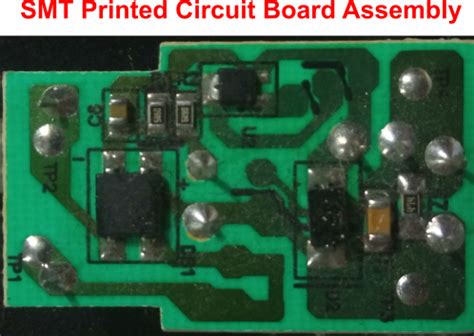
Streamlining manufacturing processes—like adopting automated soldering or surface-mount technology (SMT)—enhances throughput while maintaining precision. Prioritize suppliers offering value-added services, such as in-house testing or prototyping, to eliminate third-party fees. By aligning design choices, sourcing tactics, and production workflows, businesses can achieve cost-effective PCB assembly without sacrificing quality or performance.
Streamlining Contract PCB Manufacturing Processes
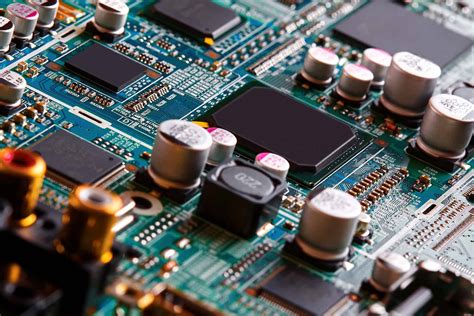
Efficient PCB assembly relies on refining manufacturing workflows to eliminate bottlenecks and reduce operational waste. A critical step is adopting design for manufacturability (DFM) principles, which align product designs with production capabilities to minimize rework. By prioritizing standardized components and panelization strategies, PCBA providers can optimize material usage and accelerate throughput.
Automated processes, such as pick-and-place systems and automated optical inspection (AOI), further enhance consistency while lowering labor costs. Integrating real-time monitoring tools allows manufacturers to identify inefficiencies—like excess solder paste application or misaligned components—and adjust workflows proactively. Collaboration with suppliers to implement just-in-time (JIT) inventory management also reduces storage expenses and component obsolescence risks.
Additionally, consolidating testing phases into earlier stages of PCB assembly prevents costly post-production defects. For instance, combining in-circuit testing (ICT) with functional testing ensures errors are caught before full-scale production. By aligning design, sourcing, and assembly stages through unified software platforms, contract manufacturers achieve tighter coordination, reducing lead times and ensuring budget adherence without compromising quality.
Balancing Quality and Budget in PCB Assembly
Achieving the ideal equilibrium between quality and cost-efficiency in PCB assembly requires a methodical approach to design, sourcing, and process optimization. One critical factor is strategic component selection—opting for widely available, commercial-grade parts over niche alternatives can reduce lead times and material costs without sacrificing reliability. For PCBA projects, collaborating with suppliers offering volume-based pricing or consignment programs further lowers upfront expenses.
Design choices also play a pivotal role. Simplifying layouts to minimize layer counts or adhering to standardized panel sizes reduces fabrication waste. Additionally, ensuring design files include accurate XYRS and pick-place data streamlines manufacturing, preventing costly errors during automated assembly.
When selecting a contract PCB assembly partner, prioritize manufacturers with robust quality certifications (e.g., ISO 9001) and transparent pricing models. Combining automated optical inspection (AOI) with selective functional testing—rather than full batch testing—can maintain quality benchmarks while controlling labor costs. By aligning design specifications, component sourcing, and production workflows, businesses can deliver high-performance PCBA solutions that meet both technical and financial objectives.
Strategic Component Sourcing for Affordable Production
Effective PCB assembly relies heavily on selecting components that align with both technical requirements and budgetary constraints. A critical first step involves analyzing alternative suppliers to identify cost-efficient sources without compromising quality. Leveraging economies of scale through bulk purchasing or partnering with distributors offering volume discounts can significantly reduce material costs for PCBA projects. Additionally, evaluating component lifecycle stages helps avoid obsolescence risks, which often lead to costly redesigns or last-minute substitutions.
Collaborating closely with PCB assembly manufacturers ensures alignment on specifications, enabling the use of standardized or readily available parts. For instance, opting for commercial-grade components instead of specialized variants—where feasible—can lower expenses while maintaining functionality. Integrating design-for-manufacturability principles further optimizes sourcing by minimizing complex part requirements.
Proactive inventory management, including just-in-time ordering and consignment stock agreements, mitigates storage costs and reduces capital tied in unused materials. Finally, fostering long-term supplier relationships often unlocks negotiated pricing and priority access during shortages, ensuring both affordability and supply chain resilience for PCBA workflows. This strategic approach not only aligns with broader cost-saving initiatives but also supports seamless transitions to subsequent manufacturing stages.
Reducing Costs in Contract Electronic Assembly
Achieving cost efficiency in PCB assembly requires a multifaceted approach that aligns technical precision with strategic resource management. One foundational step involves optimizing component selection by prioritizing readily available, high-volume parts that reduce lead times and minimize excess inventory costs. Partnering with suppliers offering bulk pricing for PCBA materials—such as standardized resistors, capacitors, and connectors—can lower per-unit expenses without compromising reliability.
Another critical lever is design simplification. By adhering to Design for Manufacturing (DFM) principles, engineers can eliminate unnecessary complexity, such as overly dense layouts or non-standardized footprints, which often lead to higher defect rates and rework costs. For instance, consolidating component types or using surface-mount technology (SMT) instead of through-hole parts can accelerate automated assembly processes, reducing labor hours.
Leveraging scalable production models also plays a pivotal role. Contract manufacturers with modular workflows can adjust batch sizes dynamically, avoiding overproduction while maintaining flexibility for last-minute design changes. Additionally, integrating automated testing protocols early in the PCB assembly cycle—such as in-circuit testing (ICT) or automated optical inspection (AOI)—helps identify defects before they escalate into costly post-production fixes.
Finally, fostering collaborative partnerships with PCBA providers ensures transparency in cost drivers, enabling joint efforts to streamline logistics, reduce waste, and negotiate favorable terms for raw materials. By balancing these strategies, businesses can maintain competitive pricing while delivering assemblies that meet rigorous quality benchmarks.
Efficient PCB Assembly Techniques for Savings
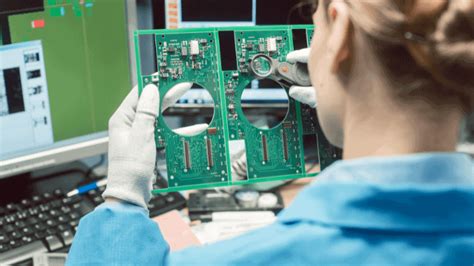
Implementing efficient PCB assembly techniques directly impacts production costs without compromising quality. One proven approach involves optimizing surface-mount technology (SMT) workflows, which reduces material waste and accelerates placement accuracy. By leveraging automated PCBA systems, manufacturers minimize human error while achieving consistent solder joint integrity—critical for high-volume orders.
Another cost-saving strategy focuses on just-in-time inventory management, ensuring components arrive precisely when needed to avoid storage fees or obsolescence risks. Partnering with suppliers offering competitive pricing on bulk orders further reduces per-unit costs. For instance, consolidating orders for multilayer boards or standardized connectors often yields volume discounts.
Designers should prioritize design for manufacturability (DFM) principles, such as simplifying trace layouts or using common via sizes, to streamline PCB assembly processes. Panelization—grouping multiple boards into a single panel—cuts handling time and material usage. Additionally, adopting automated optical inspection (AOI) over manual checks enhances defect detection rates while lowering labor expenses.
Balancing these techniques with rigorous testing protocols ensures reliability remains intact. For example, combining AOI with selective in-circuit testing (ICT) targets critical circuits, reducing full-board testing costs. By integrating these methods, contract manufacturers achieve PCBA efficiency that aligns with both budgetary constraints and performance expectations.
Smart Design Choices to Lower Assembly Costs
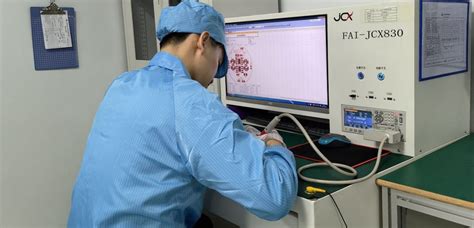
Strategic design decisions play a pivotal role in reducing PCB assembly expenses without compromising functionality. Start by optimizing component placement to minimize PCBA complexity—grouping similar components and avoiding overcrowding reduces soldering errors and rework. For instance, selecting standardized component sizes and common footprints simplifies sourcing and lowers procurement delays. Additionally, leveraging panelization techniques during layout design maximizes material usage, cutting waste and per-unit costs.
Another critical consideration is reducing the number of layers in the PCB assembly design. While multilayer boards are essential for high-density applications, simplifying layer counts where possible lowers fabrication costs. Similarly, avoiding overly tight tolerances in trace widths or spacing prevents unnecessary manufacturing challenges. Integrating design for manufacturability (DFM) principles—such as ensuring adequate spacing for automated pick-and-place machines—streamlines production and minimizes errors.
Finally, opting for surface-mount technology (SMT) over through-hole components whenever feasible reduces manual labor and accelerates PCBA workflows. By aligning design choices with manufacturing realities, engineers can achieve significant cost savings while maintaining reliability—a balance critical to successful contract electronics projects.
Maximizing Value in Contract Manufacturing Projects
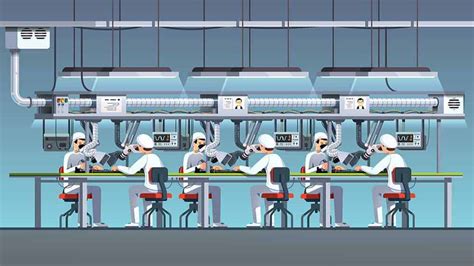
Achieving optimal value in PCB assembly contracts requires a holistic approach that aligns technical requirements with financial objectives. Central to this balance is the integration of design-for-manufacturability principles early in the development cycle, which minimizes rework and accelerates time-to-market. By collaborating closely with PCBA partners, engineers can identify opportunities to standardize components, reduce layer counts, or simplify soldering requirements—all while maintaining functional integrity.
Strategic component sourcing plays a pivotal role, particularly when leveraging economies of scale through consolidated orders or pre-negotiated supplier agreements. For instance, opting for commercially available parts rather than custom solutions can lower material costs by 15–30% without compromising performance. Additionally, implementing panelization techniques during board layout maximizes substrate utilization, directly cutting per-unit expenses.
Proactive supply chain management further enhances value. Partnering with manufacturers that offer end-to-end testing ensures defects are caught early, preventing costly post-production fixes. Meanwhile, adopting modular assembly processes allows for flexible scaling, enabling adjustments to order volumes without sacrificing efficiency.
Ultimately, the key lies in fostering transparent communication with PCBA providers to align priorities, from material lead times to quality benchmarks. This collaborative dynamic transforms contract manufacturing from a transactional service into a value-driven partnership, where both parties share accountability for cost optimization and product excellence.
Conclusion
Ultimately, achieving cost-effective PCB assembly requires a deliberate alignment of design, sourcing, and manufacturing strategies. By focusing on strategic component selection and leveraging economies of scale, businesses can reduce expenses without compromising the integrity of PCBA outcomes. Streamlining workflows—such as adopting automated testing or optimizing panelization—further minimizes waste and accelerates turnaround times.
A critical factor lies in collaborating with partners who prioritize transparency in pricing and material traceability. For instance, integrating design-for-manufacturability (DFM) principles early in the process helps avoid costly redesigns, while standardized documentation ensures seamless communication across teams. Additionally, exploring hybrid sourcing models—combining off-the-shelf and custom components—can strike a balance between affordability and performance.
To deepen your understanding of these strategies, consider reviewing industry insights from specialized resources. This knowledge not only supports informed decision-making but also empowers teams to negotiate contracts that align with both technical requirements and budget constraints. As the PCB assembly landscape evolves, continuous improvement in process efficiency and supplier relationships remains pivotal to sustaining competitive advantage in contract manufacturing.
Frequently Asked Questions
How does component sourcing affect the cost of PCB assembly?
Strategic component sourcing directly impacts material expenses and availability. Partnering with certified suppliers for PCBA projects ensures access to cost-effective, high-quality parts while minimizing lead times. Bulk purchasing and alternative component validation can further reduce costs without compromising performance.
What design choices lower PCB assembly expenses?
Implementing design for manufacturability (DFM) principles simplifies production. Standardizing board sizes, minimizing complex layouts, and avoiding oversized components reduce material waste and assembly time. Optimizing panelization also enhances manufacturing efficiency in contract PCB assembly.
Can quality be maintained while cutting costs in PCBA?
Yes—prioritizing automated testing (e.g., AOI inspection) and selecting ISO-certified contract manufacturers ensures reliability. Balancing cost-saving measures with critical quality checkpoints, such as solder joint inspections, maintains product integrity across high-volume runs.
How do streamlined processes benefit contract PCB assembly timelines?
Integrated workflows, from prototyping to final testing, eliminate redundancies. Clear communication with your PCBA provider about specifications and deadlines accelerates production cycles, reducing overhead costs associated with delays.
Ready to Optimize Your Next Project?
For tailored solutions in cost-effective PCB assembly, please click here to explore our services at https://www.andwinpcb.com/pcb-assembly/. Our team specializes in merging precision with affordability for your manufacturing needs.