Optimizing Control Board Assembly for Enhanced Performance
Key Takeaways
When it comes to pcb assembly, optimizing control board assembly processes is essential for achieving maximum efficiency and performance. One of the key takeaways is the importance of understanding the foundational principles underlying pcba. By thoroughly analyzing existing workflows, organizations can identify bottlenecks and implement streamlined protocols that not only accelerate production but also enhance the quality of the output. The integration of advanced technologies, such as automated testing systems and innovative tools, significantly minimizes human error and improves consistency. Additionally, adopting methods that emphasize continuous improvement ensures that teams remain adaptable to changing demands in production. Practicing best practices in control board assembly includes rigorous training for staff and fostering a culture of open communication, which can lead to greatly reduced errors and enhanced team collaboration. With a focus on these key elements, stakeholders can ensure that their pcb assembly processes are not just efficient but also positioned for future growth and scalability.
Understanding Control Board Assembly: An Introduction
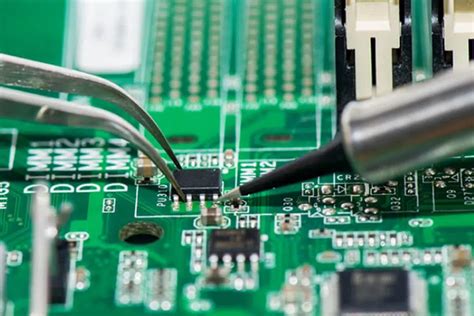
Control board assembly, often referred to as PCB assembly or PCBA, is a critical process in the production of electronic devices. This process involves the mounting and soldering of electronic components to a printed circuit board (PCB) to create a functional unit that meets specific performance requirements. Understanding the intricacies of this process is essential for manufacturers aiming to maximize efficiency and quality while minimizing costs.
At its core, control board assembly encompasses various stages, including component placement, soldering, and inspection. Each of these stages presents unique challenges that can impact the final product’s reliability and performance. For instance, improper component placement can lead to circuit failures or diminished functionality. Therefore, maintaining precision throughout each step is paramount.
Moreover, advancements in pcb assembly techniques have enabled the development of new methods for enhancing performance. Innovations such as automated assembly lines and improved soldering technologies have significantly contributed to reducing production errors. These enhancements are further supported by quality control measures that ensure each batch meets required standards.
| Stage | Description |
|---|---|
| Component Placement | Involves accurately placing components on the PCB before soldering. |
| Soldering | The process of fusing components with the PCB using heat or adhesives. |
| Inspection | Quality assurance checks performed to detect defects or flaws in assemblies. |
As manufacturers strive for excellence in PCBA, understanding the fundamentals coupled with embracing innovative techniques will be vital in navigating the complexities of modern control board assembly and ensuring superior performance outcomes in their products.
Key Challenges in Control Board Assembly Processes
The process of pcb assembly is often fraught with challenges that can hinder overall performance and efficiency. One of the primary obstacles is the intricate nature of component placement, which requires precision and can lead to errors if not executed correctly. Poor alignment or improper orientation of components can result in defects, prompting costly rework. Additionally, the complexities of modern electronic designs often lead to pcba processes that must integrate various components with differing specifications and tolerances, further complicating assembly efforts.
Another significant challenge is the management of the supply chain and inventory. Delays in component delivery or shortages can drastically impact production timelines, forcing manufacturers to adapt quickly and sometimes compromising on quality to meet deadlines. Furthermore, maintaining consistency across batches can be difficult due to variances in component quality from different suppliers.
“Regular audits and stringent quality control measures are essential for maintaining consistency and ensuring that components meet required specifications.”
Workforce training plays a crucial role as well; without properly trained personnel, even the best processes may fail to be implemented effectively. The lack of familiarity with new tools or technologies related to pcb assembly can result in slower production rates and increased risk of errors.
Ultimately, addressing these challenges requires a multifaceted approach that includes process optimization, improved communication along the supply chain, and a strong focus on training employees on technological advancements. By tackling these hurdles head-on, companies can enhance their pcba operations significantly.
Techniques for Enhancing Performance in Control Board Assembly
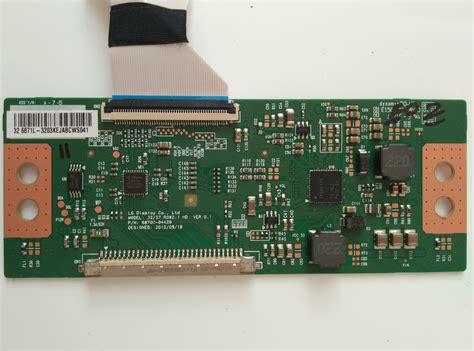
Optimizing pcb assembly is crucial for improving overall production performance. One key technique involves implementing rigorous process standardization. By establishing clear protocols and guidelines, manufacturers can minimize variations in the pcba process, leading to higher quality outputs. Additionally, adopting advanced automation technologies can significantly enhance operational efficiency. For example, using pick-and-place machines with precision controls can ensure accurate component placement, reducing the likelihood of errors during assembly. Furthermore, regular training and upskilling of personnel empower workers to adopt best practices and troubleshoot issues effectively. Incorporating real-time monitoring systems also allows for immediate identification of faults in the pcb assembly process, enabling swift corrective actions that prevent defects from propagating further down the line. Collectively, these techniques not only enhance performance but also contribute to a more streamlined, efficient production environment in control board assembly.
Error Reduction Strategies for Control Board Assembly
Optimizing pcb assembly processes is crucial for achieving high-quality production and minimizing errors. One effective strategy involves implementing rigorous quality control measures throughout the pcba process. By establishing clearly defined checkpoints, manufacturers can systematically identify and rectify issues before they escalate. Another essential aspect is the incorporation of automated inspection technologies, which utilize computer vision and machine learning to detect defects with precision. These technologies not only enhance accuracy but also reduce the cognitive load on human operators, allowing them to focus on more complex tasks. Additionally, fostering a culture of continuous improvement among staff through regular training sessions can empower team members to recognize potential pitfalls in the control board assembly workflow. Furthermore, utilizing advanced simulation software during the design phase can lead to better planning and foresight, significantly reducing errors that might stem from design flaws. In summary, integrating these error reduction strategies—such as thorough inspections, advanced technologies, and employee training—can lead to substantial improvements in the efficiency and reliability of control board assembly processes.
Innovations in Control Board Assembly: Tools and Technologies
The landscape of pcb assembly is continually evolving, driven by the need for enhanced efficiency and performance. Innovations in tools and technologies play a crucial role in optimizing these processes. Modern pcba techniques incorporate advanced machinery, such as automated pick-and-place systems, which significantly reduce the time required for component placement. These systems ensure high precision, minimizing the risk of errors during assembly. Moreover, the integration of smart manufacturing technologies, such as the Internet of Things (IoT), allows for real-time monitoring and data analytics, facilitating proactive decision-making and improving workflow efficiency.
Additionally, the adoption of improved soldering techniques—such as selective soldering—has proven to enhance the integrity of connections on control boards, leading to more reliable performance. The use of advanced materials that offer better thermal management further contributes to the long-term durability of pcb assemblies. Furthermore, innovative design software enhances layout optimization and simulation capabilities, allowing engineers to visualize potential issues before physical production begins.
Ultimately, these technological advancements not only streamline pcba processes but also empower manufacturers to produce layouts that are more compact and efficient without compromising on quality. By embracing these innovations, companies can achieve significant improvements in their control board assembly operations, leading to a competitive edge in an ever-demanding market.
Best Practices for Efficient Production in Control Board Assembly
Efficient production in control board assembly is crucial for achieving high-quality pcb assembly while minimizing costs and controlling time. To optimize these processes, manufacturers should focus on adopting best practices that emphasize workflow improvements, component organization, and quality assurance. One of the foundational strategies is to implement lean manufacturing principles, which streamline operations and reduce waste throughout the pcba process. This includes employing techniques like value stream mapping to identify inefficiencies in the assembly line.
Furthermore, investing in automation technologies can significantly enhance performance by speeding up repetitive tasks and reducing the likelihood of human error. Regular training sessions for team members on new tools and methodologies can also foster a culture of continuous improvement and adaptability. It’s essential for organizations to explore advanced methods such as automated optical inspection (AOI) systems that provide real-time feedback on the quality of the control board assembly, thereby ensuring that defects are identified and rectified promptly.
Incorporating robust inventory management systems ensures that essential components are readily accessible, reducing downtime during production. Lastly, fostering open communication channels among teams involved in the pcb assembly process facilitates quick problem-solving and empowers workers to contribute ideas for optimizing workflows, ultimately leading to enhanced performance and greater efficiency in production.
Case Studies: Successful Optimization of Control Board Assembly
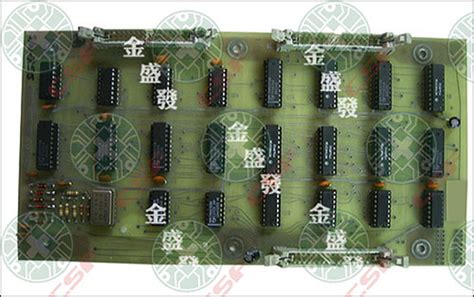
Examining various case studies reveals the significant impact of optimizing pcb assembly processes on enhancing overall performance. One noteworthy example showcases a manufacturer that implemented advanced lean manufacturing techniques within its pcba operations, leading to a 30% reduction in production time. By streamlining workflows and eliminating non-value-added activities, the company not only increased output but also reduced operational costs significantly. Another case involved the introduction of automated inspection systems that improved error detection rates during assembly. This innovation drastically decreased the number of defects, reinforcing the idea that integrating modern technologies can pay off dramatically for pcb assembly projects. Additionally, a third case emphasized the importance of cross-training employees, which not only improved team morale but ensured greater flexibility in labor allocation during peak production periods. Collectively, these case studies underscore that adopting tailored strategies for optimizing pcba processes not only enhances performance but also fosters a culture of continuous improvement in manufacturing environments.
Future Trends in Control Board Assembly and Performance Optimization
As the landscape of pcb assembly evolves, several exciting trends are emerging that promise to revolutionize the industry. One of the most significant advancements is the integration of automation into the pcba processes. Automation not only speeds up the assembly line but also minimizes human error, leading to a more reliable outcome. Additionally, the use of artificial intelligence is becoming commonplace, allowing for predictive maintenance and real-time quality control during control board assembly. Furthermore, companies are increasingly focusing on eco-friendly practices; sustainable materials and energy-efficient processes are gaining traction, reflecting a growing commitment to environmental responsibility.
Another trend is the rise of modular assembly techniques, which enable more efficient designs and quicker revisions while maintaining high-quality standards in pcba. These methods facilitate easier upgrades and replacements, promoting longer product life cycles. Moreover, advancements in 3D printing technology allow for rapid prototyping of control boards, which enhances flexibility during development phases and significantly shortens time-to-market.
Incorporating IoT (Internet of Things) in production lines offers further enhancements by providing valuable data insights for better decision-making. This comprehensive data collection not only assists in optimizing operational efficiency but also supports companies in identifying trends that can inform future innovations. Ultimately, these forward-thinking strategies aim to create a robust framework for enhancing performance, ensuring that pcb assembly remains responsive to market demands while achieving a high standard of quality throughout the production process.
Conclusion
In summary, optimizing control board assembly processes is crucial for achieving enhanced performance and efficiency in pcb assembly. By implementing targeted strategies, manufacturers can significantly reduce errors and improve overall production outcomes. The adoption of best practices such as standardized workflows, continuous training of personnel, and the integration of innovative tools and technologies are essential in fostering a culture of excellence in pcba production. Furthermore, leveraging data analysis and feedback loops can help identify bottlenecks and streamline operations effectively. As the industry evolves, staying attuned to emerging trends will be vital for maintaining competitive advantage and driving further enhancements in control board assembly processes. By embracing these methods, companies can ensure that they not only meet but exceed performance expectations in their pcb assembly endeavors.
FAQs
What is PCB assembly?
PCB assembly, or PCBA, is the process of connecting electronic components to a printed circuit board (PCB) to create a functional electronic device.
What are the key steps in the control board assembly process?
The key steps in control board assembly include soldering components onto the PCB, testing for connectivity, and ensuring that the final product meets quality standards.
How can performance be enhanced in control board assembly?
Performance can be enhanced by adopting advanced techniques such as automated soldering, precise placement of components, and thorough testing protocols to ensure reliability.
What are common errors encountered in control board assembly?
Common errors include incorrect component placement, soldering defects, and insufficient quality checks, which can be mitigated through proper training and rigorous testing.
What innovations are influencing PCB assembly today?
Innovations include automated inspection technologies, advanced soldering techniques, and smart manufacturing tools that allow for real-time monitoring of production processes.
How do best practices contribute to efficient production of PCBA?
Implementing best practices such as standardized workflows, continuous training for staff, and regular equipment maintenance helps reduce waste and increases overall efficiency in PCB assembly.