Optimizing PCB Design for Efficient Manufacturing Processes
Key Takeaways
When delving into PCB manufacturing, it’s crucial to prioritize effective design strategies to ensure streamlined processes. The correlation between PCB design and the efficiency of PCB manufacturing companies cannot be overstated. Employing key principles of Design for Manufacturing (DFM) significantly influences the overall pcb manufacturing cost and contributes to a more profitable pcb manufacturing business.
One must focus on optimizing component placement, minimizing trace lengths, and reducing the number of layers wherever possible. These best practices can drastically enhance production quality and minimize errors, ultimately leading to cost savings. Utilizing innovative tools and software tailored for PCB design optimization can further facilitate this process, allowing you to simulate various scenarios and identify potential design flaws before the actual manufacturing takes place.
| Aspect | Importance |
|---|---|
| Component Placement | Reduces distance between connections, enhancing efficiency |
| Trace Length Minimization | Lowers resistance and improves signal integrity |
| Layer Reduction | Simplifies assembly processes |
Implementing these strategies not only ensures higher quality outcomes but also positions your designs favorably when working with PCB manufacturing companies. Hence, investing time in understanding these principles can lead to sustainable improvements in your PCB workflows. By focusing on these aspects, you could see a notable difference in both your product quality and production costs.
Understanding the Importance of PCB Design in Manufacturing
In PCB manufacturing, the design phase is critically important as it significantly influences the overall quality and efficiency of the production process. A well-thought-out PCB design can streamline operations and reduce waste, which is essential for PCB manufacturing companies looking to enhance their competitiveness. By prioritizing key principles of design for manufacturing, you not only aid in lowering the PCB manufacturing cost but also help facilitate quicker production cycles. When you ensure that your designs cater to the capabilities of manufacturing processes, you’re setting a foundation that can lead to durable, high-performance products.
“The right design choices can lead to a 30% reduction in costs and improve time-to-market.”
This highlights how essential it is for you to consider how each component interacts within your layout, ensuring that every part fits seamlessly into the manufacturing business’s workflow. From optimizing hole sizes to selecting appropriate materials, every decision will ultimately influence the success of your PCB production efforts. Therefore, understanding the role of PCB design cannot be overstated; it’s a vital step toward achieving an efficient, cost-effective production that meets market demands.
Key Principles of Design for Manufacturing in PCB Techniques
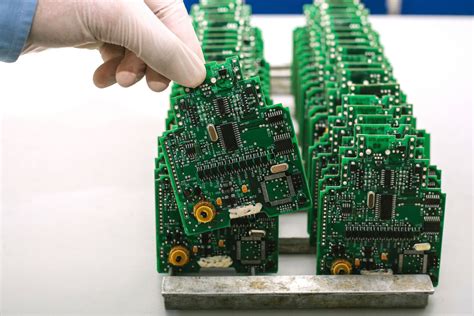
When considering PCB manufacturing, it’s essential to incorporate strategies that enhance efficiency and reduce costs. This begins with understanding the design for manufacturing (DFM) principles that guide effective PCB layout techniques. One critical aspect is component placement; ensuring that components are positioned optimally can significantly minimize the overall PCB manufacturing cost. You should focus on avoiding densely packed areas that complicate assembly and increase the likelihood of defects during production.
Another key principle is to create designs compatible with the capabilities of your chosen PCB manufacturing companies. This means understanding the limitations and strengths of the processes they utilize, such as surface mount technology or through-hole assembly. By aligning your design with these methods, you can improve yield rates and reduce waste, which directly impacts your PCB manufacturing business positively.
You must also consider thermal management within your PCB design. Efficient heat dissipation can prevent failures in production processes and prolong the lifespan of finished products, thereby influencing your long-term costs. Start by integrating thermal relief features early in your design process to ensure that they align with the capabilities of the selected manufacturer.
By focusing on these foundational principles, you not only enhance quality but also streamline processes, ensuring a more cost-effective approach to PCB manufacturing. Adopting these principles not only strengthens production quality but positions your business for greater success in a competitive market.
Best Practices for Streamlining PCB Production Processes
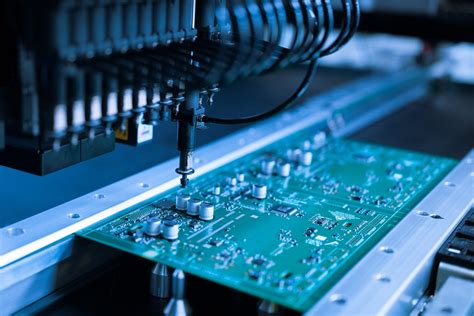
When it comes to improving the efficiency of PCB manufacturing, embracing certain best practices can significantly streamline your production processes. First, prioritizing a robust design for manufacturing approach is essential. This involves closely aligning your design specifications with the capabilities and constraints of your chosen PCB manufacturing companies. Early collaboration with manufacturers can help uncover potential issues that could impact production quality and lead to higher PCB manufacturing costs.
In addition, utilizing advanced design software that allows for real-time feedback on potential manufacturability issues can drastically reduce the need for revisions later on. Such tools often come equipped with features that automatically suggest design rule checks, thereby minimizing errors before the production stage begins. It’s also beneficial to implement a modular design strategy, where components are standardized and easily interchangeable, contributing to a faster overall assembly process.
Furthermore, you should regularly analyze your supply chain and evaluate vendor relationships to ensure that you are sourcing materials at the best prices without sacrificing quality. Keeping informed about innovative materials and methods in the industry will help enhance your PCB manufacturing business, allowing you to adapt quickly to changes in technology. Ultimately, by adopting these best practices, you can optimize your production workflows, enhance quality control measures, and significantly reduce lead times in the ever-competitive landscape of electronics manufacturing.
Innovative Tools and Software for PCB Design Optimization
In today’s fast-paced electronics industry, innovative tools and software play a vital role in optimizing your PCB design for efficient manufacturing. By leveraging advanced design software, you can easily implement changes that not only enhance the functionality of your PCB but also significantly impact the overall pcb manufacturing process. Tools equipped with simulation capabilities allow you to test designs virtually, reducing the need for costly prototypes and minimizing the pcb manufacturing cost. Moreover, many of these solutions are tailored to work seamlessly with various pcb manufacturing companies, offering features that align with industry standards.
You can also utilize software that focuses on design rule checks (DRC) and design for manufacturability (DFM) guidelines. These tools help you eliminate common errors, ensuring that your designs are optimized for production. As a result, you streamline the workflow, avoid unnecessary revisions, and ultimately contribute to a more efficient pcb manufacturing business model. Furthermore, collaborative platforms enable multiple stakeholders to contribute to the design phase simultaneously, ensuring that all aspects of manufacturability are addressed early on in the design cycle. This proactive approach is key to achieving superior production quality while keeping costs in check as you navigate the complexities of modern PCB manufacturing.
Reducing Costs Through Efficient PCB Layout Strategies
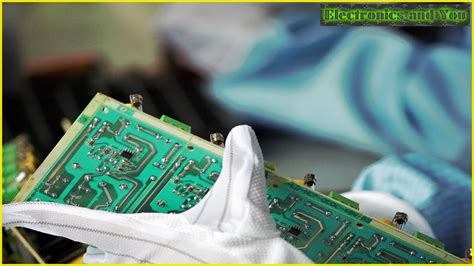
Efficient PCB layout strategies are vital for minimizing the overall PCB manufacturing cost. By adopting a well-thought-out design approach, you can significantly reduce production expenses while enhancing overall quality. One effective technique is to optimize the routing of traces, which can lead to shorter paths and lower resistance. This not only improves signal integrity but also helps in reducing the amount of material needed, benefiting both your budget and the environment.
Additionally, carefully selecting components can play a crucial role in streamlining your PCB design for manufacturing. By using standard parts that are easily sourced, you can ensure that your chosen PCB manufacturing companies can provide quicker turnarounds at a more competitive price. It’s also advisable to keep the layout as compact as possible; excessive board space often leads to higher costs due to inefficient material usage.
Furthermore, implementing effective ground and power distribution strategies minimizes noise and enhances performance while also influencing the thermal management of your board. This attention to detail is critical for achieving a balance between quality and cost-effectiveness in your PCB manufacturing business operations. By prioritizing these layout strategies, you are not only focused on reducing costs but also setting up your designs for success in a competitive market.
Quality Assurance in PCB Design: Ensuring Manufacturing Success
In the realm of PCB manufacturing, quality assurance plays a pivotal role in ensuring that your products meet both industry standards and customer expectations. To begin with, you must recognize that implementing rigorous quality assurance procedures can significantly influence PCB manufacturing cost and the overall efficiency of the PCB manufacturing business. By focusing on the design phase, you can preemptively identify potential issues that may arise during production, thereby reducing costly reworks and material waste. Employing advanced simulation tools allows you to examine designs in a virtual environment, helping to predict how your PCB will behave under different conditions—an essential step when collaborating with PCB manufacturing companies. Furthermore, adhering to established design rules and engaging in thorough peer reviews not only enhances the reliability of your designs but also facilitates smoother communication and workflow between teams involved in the production process. Emphasizing this proactive approach to quality during the design phase not only assures compliance but also contributes to successful outcomes in manufacturing, ultimately leading to enhanced profitability for your business. By instilling a culture of quality that starts at the design level, you are setting a robust foundation for your PCB projects that promises long-term success in today’s competitive market.
Case Studies: Successful PCB Design Modifications for Enhanced Manufacturing
In exploring the realm of PCB manufacturing, various case studies illustrate how strategic design modifications have led to significant enhancements in manufacturing processes. For instance, consider a PCB manufacturing company that revamped its design approach to address common issues such as air gaps and signal interference. By transitioning to a more modular design, they were able to facilitate smoother production workflows and ultimately reduce their overall manufacturing cost. Another notable example involves a PCB manufacturing business that implemented advanced simulation tools early in the design phase. This innovation allowed them to predict potential flaws before actual manufacturing began, minimizing costly delays and revisions during production. These adaptations not only led to increased production quality but also improved customer satisfaction by ensuring timely delivery. As you assess your own PCB design strategies, these case studies highlight how targeted improvements can yield exceptional results in enhancing overall production efficiency and cost-effectiveness.
Future Trends in PCB Design and Manufacturing Integration
As you delve into the future trends in PCB design, it becomes evident that the integration of manufacturing processes will play a pivotal role in shaping the landscape of the industry. One significant shift is the increasing demand for smart manufacturing techniques that leverage data analytics and automation, which allow PCB manufacturing companies to achieve greater efficiency and accuracy in their operations. With the rise of Industry 4.0, incorporating advanced technologies such as the Internet of Things (IoT) and artificial intelligence will enable designers to create more flexible and adaptive pcb manufacturing processes. This technological advancement not only enhances the overall quality but also significantly reduces pcb manufacturing costs, making it crucial for businesses looking to thrive in a competitive market.
Moreover, there is a growing emphasis on sustainable practices within pcb manufacturing business models. Companies are increasingly focusing on eco-friendly materials and processes to meet regulatory standards and consumer expectations alike. While balancing these considerations with cost-effectiveness can be challenging, innovative design techniques that prioritize sustainable solutions can lead to long-term savings. You may find that collaborating with other industry stakeholders will foster an environment where knowledge sharing drives further advancements in sustainable PCB development.
Lastly, customization is becoming a standard expectation rather than an exception. As customer demands grow more diverse and specific, your ability to adapt to these needs swiftly will determine success in your operations. Embracing modular designs or incorporating configurable features into your PCBs can provide an edge over competitors while optimizing both production efficiency and product flexibility. As you navigate these trends, remember that staying informed and adapting to these changes will be crucial for success within the ever-evolving realm of PCB design and manufacturing integration.
Conclusion
In summary, optimizing PCB design for efficient manufacturing processes can significantly impact the overall success of your PCB manufacturing business. By adopting key principles of design for manufacturing, you can streamline production and improve quality, which in turn may lead to reduced PCB manufacturing costs. As you engage with various PCB manufacturing companies, it’s essential to ensure that your designs prioritize manufacturability. This not only enhances the production quality but also helps in meeting market demands effectively. Furthermore, integrating innovative tools and techniques into your design process allows for greater flexibility and adaptation to evolving production methodologies. Ultimately, navigating the complexities of PCB manufacturing with a focus on strategic design decisions prepares you to face future challenges and achieve sustainable growth in your endeavors.
FAQs
What is the role of PCB design in the manufacturing process?
The design of PCBs is critical to the overall success of any pcb manufacturing business. Good design minimizes errors and ensures that the end product meets quality standards, which directly impacts both production efficiency and costs.
How can I reduce pcb manufacturing cost through design?
You can achieve significant savings in pcb manufacturing costs by optimizing your layout to minimize materials wasted and streamline assembly processes. Focusing on standardizing components and layouts can also lead to improved economies of scale when working with pcb manufacturing companies.
What are some common pitfalls in PCB design for manufacturing?
Often, designs that are overly complex can lead to increased costs and difficulties during assembly. Avoiding intricate routing and making choices that prioritize ease of manufacturing can enhance your project’s viability in the competitive realm of pcb manufacturing.
How do innovative tools improve PCB design efficiency?
Modern design software provides capabilities for simulation, automated layout optimizations, and real-time collaboration, essential for improving both the speed and accuracy of your designs. Such tools ensure your designs are tailored for the requirements of pcb manufacturing companies, facilitating a smoother transition from concept to prototype.
What strategies ensure quality in PCB designs?
Implement rigorous testing protocols throughout your design process. Employing techniques like Design for Testability (DFT) helps you catch potential issues early on, which is particularly important when engaging with complex pcb manufacturing business models.