Optimizing PCB Manufacturing: Cost, Quality, and Location
Key Takeaways
When navigating PCB manufacturing, understanding the interplay between cost efficiency, quality assurance, and geographic logistics is critical PCB manufacturing companies often face a delicate balancing act: cutting PCB manufacturing cost without compromising performance or intellectual property (IP) security Here’s what you need to prioritize:
1 Cost-Quality Equilibrium: Lowering PCB manufacturing cost isn’t just about selecting the cheapest supplier For example, opting for ultra-low-cost offshore partners might reduce upfront expenses but introduce risks like delayed shipments or inconsistent quality A 2023 industry survey revealed that 62% of businesses regretted prioritizing cost over proven expertise in their initial PCB manufacturing business decisions
2 Location-Driven Strategy: Proximity to your PCB manufacturing partner impacts lead times, shipping costs, and responsiveness Consider the table below:
| Factor | Local Manufacturer | Offshore Manufacturer |
|---|---|---|
| Unit Cost | Higher | Lower |
| Lead Time | 2-3 weeks | 6-8 weeks |
| IP Risk | Low | Moderate-High |
| Scalability Support | High | Variable |
3 Prototyping-to-Production Continuity: Partnering with PCB manufacturing companies that offer end-to-end services reduces friction during scaling Seamless transitions from prototypes to mass production minimize requalification delays, which can add 15–20% to project timelines
4 Hidden Cost Triggers: While offshore options may advertise lower PCB manufacturing cost, factors like tariffs, rework due to quality issues, or IP theft mitigation can erase savings For instance, a U.S.-based tech firm found that "low-cost" Asian suppliers actually cost 12% more annually when accounting for customs disputes and design leaks
By aligning your PCB manufacturing business goals with partners that transparently address these variables, you create a resilient supply chain capable of adapting to market shifts Always verify certifications like ISO 9001 and IPC-A-600 to ensure quality benchmarks are met before committing
PCB Cost-Quality Balance Strategies
Achieving the right equilibrium between PCB manufacturing cost and quality demands a strategic approach that aligns with your project’s technical and financial parameters While budget constraints often drive decisions, prioritizing PCB manufacturing excellence ensures long-term reliability and reduces risks of costly redesigns Start by evaluating material choices: high-performance substrates like FR-4 or polyimide impact both durability and pricing, but value engineering can help identify alternatives that meet specifications without over-specification
PCB manufacturing companies often offer tiered pricing models based on order volume, but scaling production prematurely risks inventory waste Instead, leverage prototyping phases to validate designs before committing to bulk orders Advanced fabrication techniques, such as automated optical inspection (AOI) and impedance control, add predictable costs but minimize defects that escalate expenses downstream For instance, partnering with a PCB manufacturing business that integrates design-for-manufacturability (DFM) feedback early can prevent 20–30% of potential rework costs
Geographic location also plays a subtle role—local suppliers may charge higher rates but reduce logistics delays, while offshore options lower PCB manufacturing cost but introduce hidden risks like intellectual property exposure Always audit potential partners for certifications (e.g., ISO 9001, IPC Class 3) and process transparency to ensure quality benchmarks are met By mapping cost drivers to measurable quality outcomes, you create a framework where neither factor compromises the other, enabling scalable solutions for both prototyping and full-scale production
Location Impact on PCB Supply Chains
When selecting PCB manufacturing companies, geographic proximity to your operations directly influences supply chain resilience Regional clusters of electronics suppliers—like those in Shenzhen or Silicon Valley—reduce PCB manufacturing costs by shortening logistics routes and minimizing import duties However, offshore production in low-cost regions often introduces trade-offs: while unit prices may drop by 15–30%, extended lead times and geopolitical risks can offset initial savings
Tip: Evaluate tariff structures and customs clearance efficiency when comparing locations A manufacturer in Mexico, for instance, might offer faster North American market access than one in Southeast Asia, despite slightly higher labor rates
The PCB manufacturing business increasingly relies on localized ecosystems Partnering with factories near component suppliers accelerates prototyping iterations and reduces inventory buffers For high-mix projects, proximity also enables tighter collaboration on quality control—critical for avoiding costly post-production revisions Conversely, centralized offshore hubs excel at scaling standardized designs but struggle with agile adjustments
Did you know? Over 60% of supply chain disruptions in PCB manufacturing stem from port congestion or regulatory shifts Diversifying suppliers across regions mitigates single-point vulnerabilities
Finally, consider hidden location-based costs Time zone differences delay real-time troubleshooting, while language barriers increase project management overhead Balancing PCB manufacturing cost savings with operational agility requires mapping your product’s complexity against regional capabilities—a strategic approach that aligns geography with business priorities
Prototyping to Production Cost Analysis
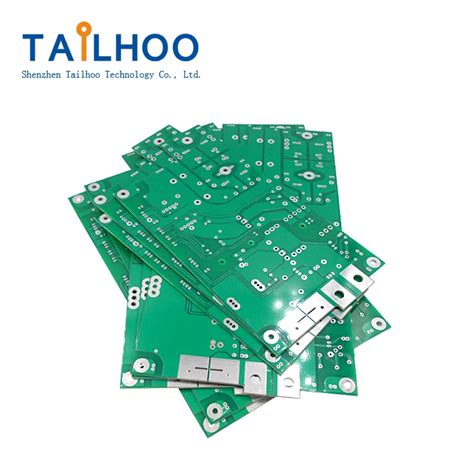
Navigating the financial landscape from PCB manufacturing prototyping to full-scale production requires a meticulous breakdown of cost drivers While prototyping focuses on validating design integrity through small batches, scaling to mass production introduces variables like material procurement efficiency, tooling amortization, and labor allocation Critical missteps at this stage—such as underestimating design-for-manufacturability (DFM) adjustments—can inflate PCB manufacturing cost by 15–30% during transition phases
When evaluating PCB manufacturing companies, prioritize partners offering transparent pricing models that separate non-recurring engineering (NRE) fees from per-unit costs For instance, a $2,000 NRE charge for a 10-layer HDI board might seem steep initially but becomes negligible when spread across 10,000 units However, offshore vendors advertising lower per-unit rates often obscure hidden logistics expenses or quality assurance gaps, eroding short-term savings Tools like cost-of-delay analysis help quantify how production timeline shifts impact total expenditure
Material selection accounts for 40–60% of PCB manufacturing business expenses, with substrate quality and surface finishes (ENIG vs HASL) directly influencing both reliability and pricing Prototypes using FR-4 substrates may transition to high-frequency laminates like Rogers for mass-produced boards, necessitating recalculations of thermal management and signal loss tolerances Partnering with manufacturers that provide real-time yield rate tracking ensures you avoid cascading costs from undetected process inefficiencies
Finally, consider how geographic factors intersect with scaling strategies While local PCB manufacturing reduces shipping delays, hybrid approaches—prototyping domestically for IP security before shifting high-volume orders to certified offshore facilities—can optimize cost structures Always validate whether potential suppliers align ISO 13485 or IATF 16949 certifications with your industry’s compliance requirements, as retroactive quality fixes post-production escalate costs exponentially
IP Safeguards for PCB Manufacturing
When collaborating with PCB manufacturing companies, protecting your intellectual property (IP) is not optional—it’s a strategic necessity As designs become more complex and competition intensifies, unauthorized replication or data breaches could compromise your PCB manufacturing business and erode market advantages Start by verifying that your partner employs robust confidentiality agreements (NDAs) and digital security protocols, such as encrypted file transfers and restricted access to design files Reputable manufacturers often hold certifications like ISO 27001, which signals adherence to international information security standards
Balancing PCB manufacturing cost with IP protection requires a proactive approach For instance, masking critical circuitry or limiting layer-sharing during prototyping can deter reverse engineering while maintaining functionality Some companies opt for tiered access controls, ensuring only vetted personnel handle sensitive projects If outsourcing offshore, scrutinize regional IP laws—jurisdictions with weak enforcement might expose you to counterfeit risks or patent disputes, indirectly inflating long-term costs
Additionally, consider integrating traceability features like unique serial numbers or embedded watermarks in your PCB designs These not only deter IP theft but also simplify quality audits during mass production Transparent communication with your manufacturer about IP expectations—such as ownership clauses in contracts—can prevent ambiguities that might delay timelines or escalate legal fees
Ultimately, prioritizing IP safeguards in PCB manufacturing ensures that your innovations remain proprietary, securing your competitive edge without compromising production efficiency This focus on protection aligns with broader strategies for evaluating manufacturer expertise, which we’ll explore next
Evaluating PCB Manufacturer Expertise
When selecting partners for PCB manufacturing, you need to assess technical competencies beyond basic certifications Start by verifying a supplier’s experience with product-specific requirements—whether they handle high-frequency materials for RF applications or multi-layer boards for industrial controls Reputable PCB manufacturing companies often publish design guides and tolerance specifications, which reveal their precision capabilities and alignment with your project’s complexity
Look for evidence of continuous process improvement: Do they invest in advanced technologies like laser direct imaging (LDI) or automated optical inspection (AOI)? These directly influence yield rates and PCB manufacturing cost efficiency Cross-reference client testimonials with industry-specific case studies—for instance, a medical device manufacturer’s success in achieving ISO 13485 compliance through their partner’s quality systems
Geographic location still matters, but not in the way you might expect While offshore PCB manufacturing business hubs may offer lower labor rates, proximity impacts prototype iteration speed and IP protection responsiveness A supplier in your time zone can resolve design flaws 30–50% faster, according to recent supply chain analyses
Finally, audit their supply chain resilience Do they dual-source critical materials like high-Tg laminates? Can they scale production without compromising impedance control standards? Transparent PCB manufacturing companies will share failure rate data and corrective action timelines, enabling you to weigh risks against per-unit savings
By prioritizing domain expertise over short-term pricing, you create partnerships that adapt to evolving technical demands while stabilizing long-term PCB manufacturing cost variables This approach ensures smoother transitions from prototyping to volume production—without hidden compromises in reliability or compliance
Hidden Costs of Offshore PCB Production
While offshore PCB manufacturing may initially appear cost-effective, hidden expenses often emerge that impact your project’s timeline, quality, and bottom line Lower labor rates and material costs can mask logistical challenges, such as extended shipping times or unexpected customs duties For example, delays in receiving prototype batches from overseas PCB manufacturing companies might force you to adjust production schedules, incurring penalties or missed market opportunities
Communication barriers further complicate offshore partnerships Time zone differences and language gaps can lead to misinterpretations of design specifications, requiring multiple revisions that inflate PCB manufacturing cost A minor error in layer alignment or material selection, if undetected early, might necessitate scrapping entire batches—a risk amplified by limited oversight Quality inconsistencies are another concern: without on-site audits, verifying adherence to IPC standards becomes challenging, potentially resulting in field failures or warranty claims
Regulatory compliance adds another layer of complexity Offshore facilities may not align with your region’s environmental or safety regulations, forcing costly retrofits or legal consultations Additionally, intellectual property (IP) risks rise when sharing designs with PCB manufacturing business partners in jurisdictions with weaker IP protections The expense of legal safeguards or encryption tools to protect proprietary designs can negate initial savings
Finally, consider total cost of ownership While per-unit pricing might be lower offshore, factors like inventory holding costs (to buffer against supply chain disruptions) or expedited shipping fees during crises often tip the scales A balanced approach—such as hybrid sourcing with local prototyping and offshore mass production—can help mitigate these risks while maintaining cost efficiency
By scrutinizing these hidden factors, you gain a clearer picture of how offshore PCB manufacturing impacts your project’s viability beyond surface-level quotes
Quality Control in PCB Manufacturing
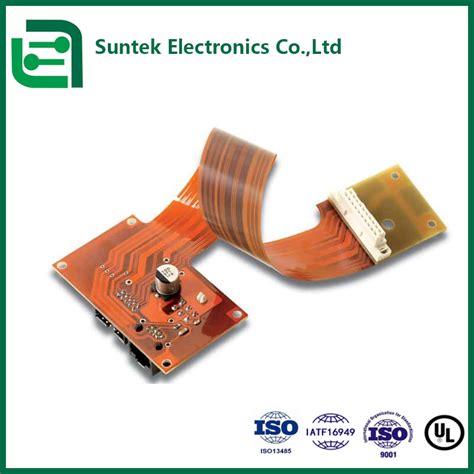
When evaluating PCB manufacturing companies, understanding their quality control protocols is critical to ensuring your project’s success Rigorous quality assurance isn’t just about avoiding defects—it directly impacts long-term reliability and PCB manufacturing cost efficiency Leading manufacturers implement multi-stage inspection systems, combining automated optical inspection (AOI) for surface-level flaws with X-ray imaging to scrutinize hidden layers and solder joints These steps prevent costly rework downstream, aligning with the broader goal of balancing PCB manufacturing business objectives with technical precision
A robust quality framework typically includes material verification, where substrates and copper traces are tested for thermal resilience and conductivity For instance, impedance testing becomes vital for high-frequency boards, ensuring signal integrity matches design specifications Many PCB manufacturing providers now integrate real-time data tracking, allowing you to monitor production milestones and defect rates through secure portals—a feature that also supports IP safeguards mentioned in earlier sections
Geographic location plays a subtle but significant role here Offshore partners might offer lower PCB manufacturing cost, but time zone differences and language barriers can complicate quality audits Prioritize vendors with internationally recognized certifications like ISO 9001 or IPC-A-600, which standardize processes across borders Additionally, request failure mode and effects analysis (FMEA) reports to gauge how a manufacturer preempts risks during prototyping and scaling
Transitioning from prototyping to mass production? Ensure your partner’s quality systems scale accordingly Statistical process control (SPC) tools should track variations in larger batches, while cross-functional teams address design-for-manufacturability (DFM) feedback This proactive approach minimizes the hidden costs of post-production fixes, reinforcing the cost-quality equilibrium central to sustainable PCB manufacturing business models
Finally, never underestimate the value of on-site audits—even for established suppliers Physical verification of cleanroom conditions, electrostatic discharge (ESD) protocols, and waste management practices offers tangible insights into a manufacturer’s commitment to excellence By aligning these checks with your project’s technical demands, you create a partnership that prioritizes both precision and value
Conclusion
Navigating the complexities of PCB manufacturing requires a holistic understanding of how cost, quality, and geographic factors intersect While PCB manufacturing companies often emphasize competitive pricing, prioritizing PCB manufacturing cost alone can undermine long-term reliability Instead, balancing expenditure with robust quality assurance protocols ensures your PCB manufacturing business avoids costly rework or supply chain disruptions
When evaluating partners, consider how their location impacts lead times, logistics expenses, and intellectual property safeguards Offshore options may reduce upfront costs but introduce hidden risks like tariff fluctuations or communication barriers Conversely, local suppliers might offer faster turnaround for prototyping iterations, accelerating your time-to-market
IP protection remains non-negotiable—verify contractual agreements and manufacturing processes to secure proprietary designs Partnering with certified PCB manufacturing companies that adhere to industry standards (e.g., ISO, IPC) minimizes defects and ensures compliance with regulatory requirements
Ultimately, optimizing PCB manufacturing isn’t about chasing the lowest bid but aligning technical expertise, scalability, and risk mitigation As you refine your approach, let data-driven audits of yield rates, failure analysis, and supplier responsiveness guide decisions This strategic balance empowers you to maintain competitiveness without compromising the integrity of your product lifecycle
Frequently Asked Questions
How do PCB manufacturing companies balance cost and quality effectively?
Balancing cost-efficiency with quality standards requires optimizing material selection, production volume, and process automation Reputable PCB manufacturing partners use tiered pricing models, where higher volumes reduce per-unit costs without compromising on testing protocols like AOI or X-ray inspection
Why does location matter when choosing a PCB manufacturing business?
Geographic proximity impacts logistics speed, import tariffs, and communication clarity While offshore PCB manufacturing cost might seem lower initially, hidden expenses like shipping delays or language barriers can offset savings Regional suppliers often provide better IP protection compliance due to aligned legal frameworks
What hidden costs should you anticipate in offshore PCB manufacturing?
Beyond unit pricing, consider tooling fees, minimum order quantities (MOQs), and rework charges Time zone differences may lead to project delays, while inconsistent quality control could necessitate additional inspections Always request detailed breakdowns from PCB manufacturing companies to avoid budget overruns
How do IP safeguards work in PCB manufacturing?
Leading manufacturers implement NDAs, encrypted design transfers, and facility access controls Verify if they comply with international standards like ISO 27001 or offer confidentiality agreements tailored to your intellectual property needs
What quality control methods define reliable PCB manufacturing companies?
Look for certifications like IPC-A-600 and ISO 9001, coupled with real-time production monitoring Suppliers should provide test reports for electrical performance, solderability, and thermal stress resistance to ensure long-term reliability
Need a Trusted Partner for Your PCB Project?
For seamless PCB manufacturing from prototyping to full-scale production, please click here to explore tailored solutions that align with your cost, quality, and IP protection priorities