Optimizing Printed Wiring Board Assembly for Enhanced Performance
Key Takeaways
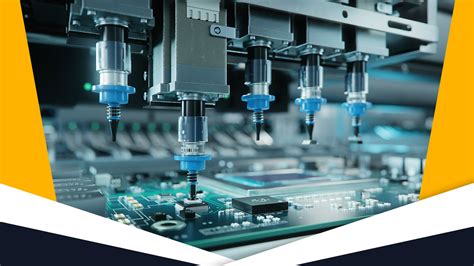
In order to optimize pcb assembly processes, several essential strategies can be employed that will significantly enhance performance. One of the primary focus areas includes the adoption of advanced techniques aimed at refining the PCBA workflow. This involves the implementation of automation and precision soldering methods which not only improve accuracy but also reduce cycle times. Effective quality management practices are critical here, ensuring that each phase of assembly meets defined standards, ultimately leading to a high-quality end product.
Furthermore, integrating innovative technologies, such as real-time monitoring and smart manufacturing systems, can vastly improve efficiency within printed wiring board assembly setups. These technologies help in identifying potential defects early in the process, thus minimizing waste and rework. By utilizing data analytics, manufacturers can also gather insights into performance metrics that guide continuous improvements.
Here’s a summary table highlighting the key strategies discussed:
| Strategy | Description |
|---|---|
| Advanced Techniques | Utilizing automation and precision in soldering |
| Quality Management | Ensuring adherence to standards throughout assembly |
| Innovative Technologies | Implementing real-time monitoring systems |
Overall, focusing on these strategic areas not only leads to enhanced performance in pcb assembly, but also fosters a culture of continuous improvement, equipping manufacturers to meet evolving market demands effectively.
Introduction to Printed Wiring Board Assembly
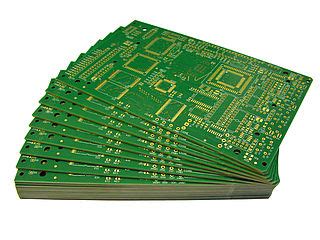
The printed wiring board assembly (commonly referred to as PCBA) is a crucial process in the electronics manufacturing industry. This process involves the assembly of various electronic components onto a printed circuit board (PCB), leading to the creation of fully functional electronic devices. In recent years, the optimization of pcb assembly has garnered significant attention due to its impact on product performance and overall efficiency. Businesses are increasingly focusing on methods that not only streamline production but also enhance the durability and reliability of their products.
By integrating advanced techniques, such as automation and lean manufacturing principles, organizations can achieve higher throughput while minimizing waste. Quality management plays an indispensable role in ensuring that each PCB meets stringent industry standards, reducing the likelihood of defects that could jeopardize performance. Furthermore, the incorporation of innovative technologies—like surface mount technology (SMT) and automated optical inspection (AOI)—has transformed traditional approaches to pcba, providing opportunities for greater precision and efficacy.
“Embracing innovation is vital for staying competitive in today’s fast-paced electronics market.”
In summary, understanding the intricacies of printed wiring board assembly not only fosters improved production efficiency but also contributes significantly to superior product outcomes in an increasingly competitive landscape.
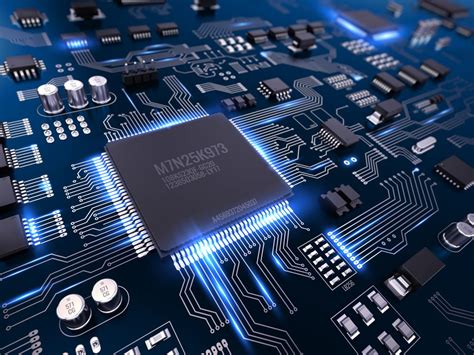
Key Challenges in Printed Wiring Board Assembly
The process of pcb assembly presents several significant challenges that can impact the overall performance and efficiency of production. One of the primary hurdles is maintaining high quality standards throughout the assembly stages. Inconsistent manufacturing practices can lead to defects, which not only affect functionality but also escalate costs due to increased wastage and rework. Additionally, the complexity of modern pcba designs, characterized by high-density interconnects and miniaturization, requires precision in assembly processes, making it critical to invest in both skilled labor and advanced equipment.
Another key challenge is managing supply chain disruptions, which can impact the availability of components needed for assembly. The electronics industry often faces fluctuating demand and lead times for materials, which necessitates robust inventory management strategies. Moreover, effective communication between engineering and production teams is essential; misalignment can result in errors that compromise the performance of the final product. Lastly, integrating new technologies without interrupting existing workflows poses a challenge. As companies strive to innovate through automation and data analytics, ensuring that staff are adequately trained to utilize these tools is crucial for optimizing the printed wiring board assembly process and achieving enhanced performance overall.
Advanced Techniques for Performance Enhancement
In the realm of pcb assembly, optimizing performance is critical to meet the growing demands of various industries. One of the foremost techniques involves the implementation of automated assembly processes, which significantly reduces manual labor and the risk of human error. Additionally, employing sophisticated test methodologies during the pcba lifecycle can uncover potential faults early, enhancing overall reliability. Another advanced technique is the integration of design-for-manufacturability principles, which streamlines production and minimizes costs while ensuring that the board layout is tailored for efficient assembly. Incorporating continuous feedback systems also plays a vital role; these systems allow real-time monitoring and adjustments during production, ensuring that process variations are quickly addressed. Furthermore, leveraging simulation software in the design phase can predict assembly challenges and performance issues, leading to proactive solutions that enhance both speed and quality in printed wiring board assembly. By embracing these advanced techniques, manufacturers can achieve a more efficient and effective pcb assembly, ultimately contributing to superior product outcomes and customer satisfaction.
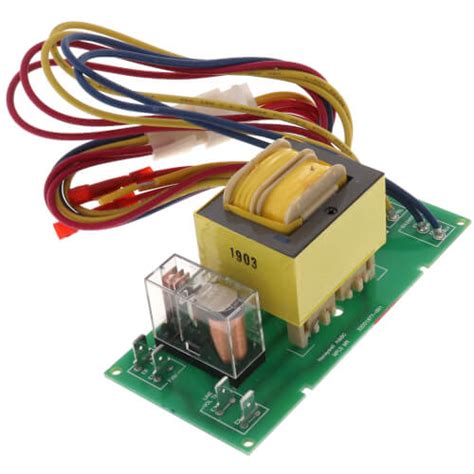
Quality Management in Printed Wiring Board Assembly
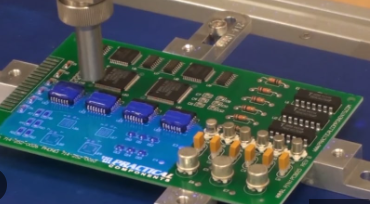
Effective quality management in pcb assembly is crucial for achieving optimal performance and reliability in the final product. One of the primary strategies involves implementing stringent quality control measures throughout the pcba process. This includes regular inspections at various stages of assembly, such as component placement, soldering, and functional testing. By adhering to industry standards like IPC-A-610 for electronics manufacturing, organizations can ensure that their assembly processes meet required specifications and minimize defects.
In addition to real-time inspections, adopting a preventive approach through Failure Mode Effects Analysis (FMEA) helps identify potential quality issues before they manifest. This proactive method not only enhances product reliability but also reduces costs associated with rework and returns. It is essential to integrate quality management systems like Total Quality Management (TQM) or Six Sigma within printed wiring board assembly workflows to foster a culture of continuous improvement and accountability.
Moreover, the incorporation of advanced technologies, such as automated optical inspection (AOI), further strengthens quality assurance efforts. AOI systems can rapidly detect defects that may be invisible to the human eye, ensuring that only high-quality assemblies progress through the pipeline. Ultimately, an effective quality management program not only enhances customer satisfaction but also positions companies for success in a highly competitive market by delivering superior pcb assembly products that stand the test of time.
Innovative Technologies and Their Impact on Efficiency
The integration of innovative technologies in pcb assembly processes has significantly transformed the landscape of manufacturing, enabling enhancements in both performance and efficiency. Techniques such as automation, machine learning, and real-time data analytics have emerged as cornerstones for optimizing pcba production. Automation reduces human error, increases throughput, and ensures consistency in assembling complex circuits. Furthermore, machine learning algorithms analyze production data to predict potential failures and optimize workflow, thereby reducing downtime. Real-time data analytics provide invaluable insights into the performance of the assembly line, allowing for immediate adjustments to processes that can enhance overall efficiency. Advanced technologies such as Internet of Things (IoT) devices offer seamless connectivity that enables manufacturers to monitor their operations remotely, facilitating proactive maintenance and timely decision-making. As these technological advancements continue to evolve, they not only streamline the printed wiring board assembly but also foster a culture of continuous improvement within organizations focused on delivering high-quality products. Embracing such innovations is essential for manufacturers aiming to maintain a competitive edge in the rapidly changing electronics industry.
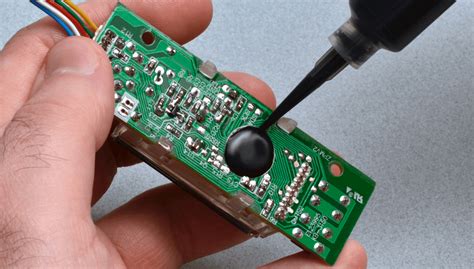
Case Studies: Successful Optimization Strategies
Examining real-world examples can provide valuable insights into the effective strategies utilized to optimize pcb assembly processes. One prominent case involved a major electronics manufacturer that implemented lean manufacturing techniques in their pcba workflows. By conducting a thorough analysis of the production line, they identified several bottlenecks causing delays and inefficiencies. As a result, they reorganized workstations and streamlined communication channels, leading to a significant reduction in cycle times and scrap rates.
In another instance, a small startup focused on cutting-edge technology adopted automation tools to manage their pcb assembly operations more effectively. Utilizing robots for repetitive tasks not only minimized human error but also allowed their skilled workforce to concentrate on complex soldering processes and quality checks. This integration of innovative technologies resulted in enhanced overall performance and increased production capacity.
Furthermore, continual quality management was highlighted in a case where an aerospace company faced stringent regulatory demands. They utilized Six Sigma methodologies to minimize defects throughout their pcba process, demonstrating how rigorous quality control can go hand-in-hand with efficiency improvements. Each case illustrates the potential benefits of strategic optimization methods in the world of printed wiring board assembly, showcasing how different approaches can lead organizations toward greater operational success while maintaining high standards of quality and efficiency.
Future Trends in Printed Wiring Board Assembly
As the demand for more efficient and high-performing electronic devices continues to rise, the pcb assembly industry is witnessing several transformative trends. One of the most significant developments is the shift towards automation in pcba processes, allowing manufacturers to achieve greater consistency and speed. Automated systems not only streamline assembly but also enhance precision, reducing the likelihood of defects. Moreover, the integration of artificial intelligence (AI) and machine learning is beginning to influence production lines by enabling real-time monitoring and predictive maintenance, thus further improving operational efficiency.
Another trend is the increasing emphasis on sustainable practices within pcb assembly operations. Companies are now focusing on environmentally friendly materials and processes to minimize waste and reduce their carbon footprint. The adoption of lead-free soldering techniques and recycling initiatives are examples of how organizations are aligning with global sustainability goals.
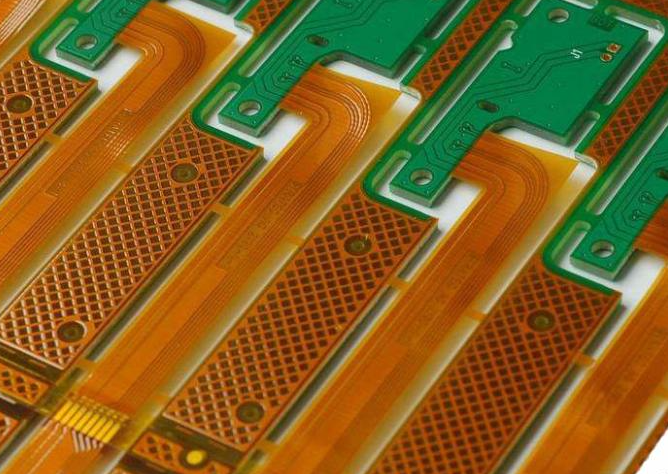
Additionally, advancements in materials science are contributing to innovations in pcba design. The use of flexible substrates and ultra-thin components is paving the way for more compact and efficient electronic devices, which can better meet consumer demands for portability without sacrificing performance. Finally, as 5G technology continues to roll out, it is expected that printed wiring boards will adapt to handle higher frequencies and increased data rates, necessitating ongoing research and development.
These trends collectively indicate a future where printed wiring board assembly not only strives for higher efficiency but also embraces innovation, sustainability, and advances in technology, positioning itself as a dynamic sector within the electronics manufacturing landscape.
Conclusion and Best Practices for Enhancement
In the fast-evolving landscape of pcb assembly, optimizing the printed wiring board assembly (PCBA) process is essential for ensuring enhanced performance and operational efficiency. Implementing best practices starts with a comprehensive understanding of the specific challenges that often arise during assembly, such as material selection, design complexity, and production timelines. Focusing on advanced techniques like automated inspection systems and selective soldering not only increases accuracy but also reduces the likelihood of defects, thus leading to superior product quality. Additionally, effective quality management practices—ranging from rigorous testing protocols to supplier quality audits—can significantly bolster reliability in production. When integrating innovative technologies, such as IoT devices and AI-driven analytics, manufacturers can monitor real-time data to make informed decisions that drive efficiency in pcba processes. Ultimately, fostering a culture of continuous improvement within organizations, while leveraging these strategies, paves the way for organizations to achieve remarkable performance enhancement in their PCBA operations.
Conclusion and Best Practices for Enhancement
In summation, the optimization of printed wiring board assembly (PCA) processes is paramount for achieving superior product performance and efficiency in today’s competitive landscape. By embracing advanced techniques and robust quality management practices, manufacturers can significantly enhance their pcb assembly operations. The integration of innovative technologies plays a critical role in streamlining workflows, reducing lead times, and mitigating errors throughout the PCBA lifecycle. As industries evolve, keeping pace with future trends will be essential for sustaining competitive advantage. Companies should focus on implementing best practices such as regular training programs, meticulous process audits, and leveraging data analytics to identify areas for improvement. By adopting a proactive approach toward optimization, businesses can ensure their pcb assembly processes not only meet current standards but also are equipped to adapt to future challenges and innovations in the market.
FAQs
What is printed wiring board assembly (PCBA)?
Printed wiring board assembly, commonly referred to as PCBA, is the process of soldering electronic components onto a printed circuit board (PCB) to create a functional electronic assembly. It is critical for the overall performance and reliability of electronic devices.
Why is optimization important in PCB assembly?
Optimization in PCB assembly enhances performance, reduces costs, and improves efficiency throughout the manufacturing process. By employing advanced techniques and quality management practices, manufacturers can minimize errors, streamline workflows, and increase throughput.
What are some advanced techniques used in PCBA?
Advanced techniques include automated optical inspection (AOI), machine learning algorithms for predictive maintenance, and digital twin technology. These innovations facilitate meticulous monitoring and defect detection, ensuring higher quality standards in the pcba processes.
How does quality management impact printed wiring board assembly?
Quality management ensures that all processes in PCBA, from design to production, meet established standards. Implementing robust quality control measures helps detect defects early, leading to enhanced product reliability and customer satisfaction.
What innovative technologies are shaping future PCBA processes?
Emerging technologies such as artificial intelligence, IoT-enabled devices, and 3D printing are playing a significant role in revolutionizing pcb assembly. These innovations are streamlining operations, allowing for real-time monitoring, and enhancing flexibility in design changes.
For more detailed insights on optimizing your PCB assembly projects, please click here: click here.