Overview of Electronic Board Assembly
Electronic Board Assembly (EBA) is a vital link in the modern electronics manufacturing industry. It involves installing electronic components on circuit boards to form complete electronic devices. With the continuous advancement of technology and changes in market demand, the technology and process of electronic circuit board assembly are also evolving. This article will explore the basic concepts, processes, technologies, challenges and future development trends of electronic circuit board assembly.
1.Basic Concepts of Electronic Circuit Board Assembly
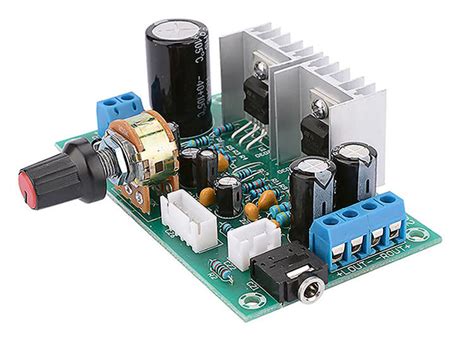
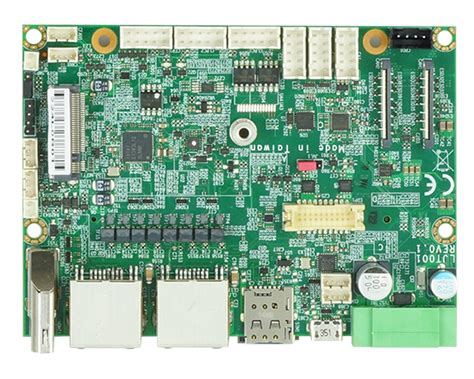
Electronic circuit board assembly refers to the process of fixing electronic components (such as resistors, capacitors, integrated circuits, etc.) on printed circuit boards (PCBs) by welding and other methods. This process involves not only physical assembly, but also the establishment of electrical connections. Electronic circuit boards are the core part of electronic devices. Almost all electronic products, such as mobile phones, computers, household appliances, etc., use circuit boards to achieve their functions.
1.1 Electronic components
Electronic components are the basic units that make up circuit boards. Common electronic components include:
Resistors: limit the flow of current.
Capacitors: store electrical energy and release it when needed.
Diodes: allow current to flow in one direction.
Transistor: used to amplify and switch current.
Integrated Circuit (IC): integrates multiple electronic components on a single chip.
1.2 Printed Circuit Board (PCB)
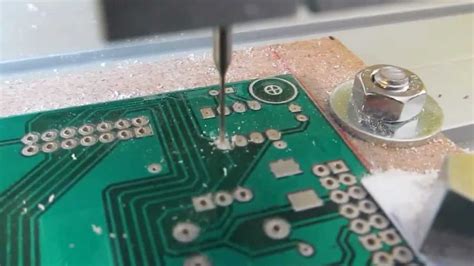
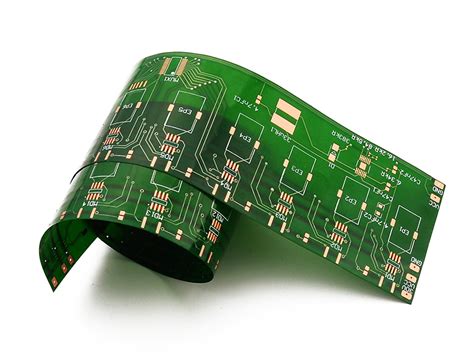
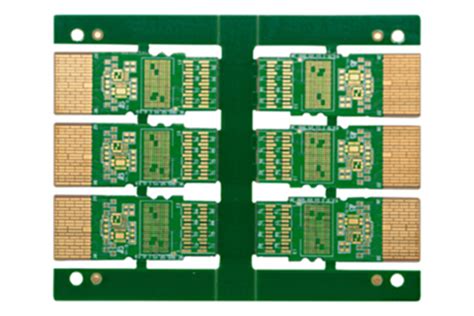
Printed circuit board is the carrier of electronic components, usually made of insulating material (such as FR-4), and printed with conductive lines on its surface. The design and manufacture of PCB is the basis of electronic circuit board assembly.
2.The process of electronic circuit board assembly
The process of electronic circuit board assembly usually includes the following steps:
2.1 Design and Prototyping
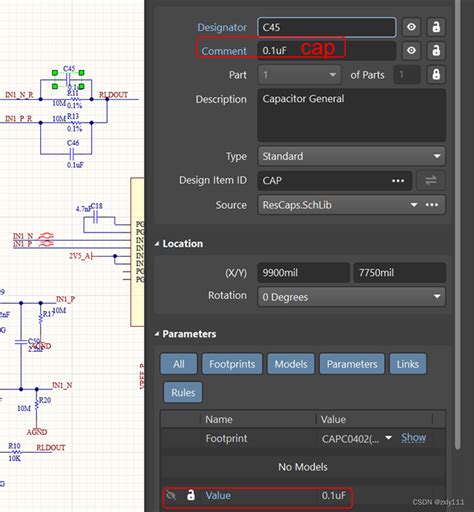
Before assembly, circuit design and PCB layout are required first. Designers use computer-aided design (CAD) software to draw circuit diagrams and generate PCB layout diagrams. After the design is completed, a prototype board is usually made to verify the correctness of the design.
2.2 Material Preparation
Before assembly, all electronic components and PCBs need to be prepared. Material preparation includes:
Confirm the model and quantity of components.
Check the quality and integrity of the PCB.
Ensure that all materials meet production standards.
2.3 SMT Assembly
Surface Mount Technology (SMT) is the most commonly used method in modern electronic assembly. The process includes:
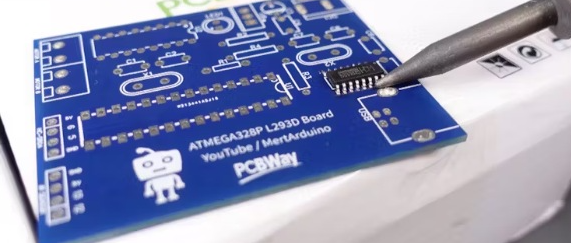
Solder paste printing: Apply solder paste to the pads of the PCB.
Component placement: Use a SMT machine to accurately place electronic components on the PCB.
Reflow soldering: Place the PCB in a reflow oven and heat it to melt the solder paste, thereby fixing the components on the PCB.
2.4 THT Assembly
For some larger components, through-hole technology (THT) is still required. The process includes:
Insert components: Insert components into through-holes on the PCB.
Soldering: Use wave soldering or manual soldering to fix components on the PCB.
2.5 Testing and Inspection
After assembly, the circuit board needs to be tested to ensure that it functions properly. Testing usually includes:
Visual inspection: Check whether the components are installed correctly.
Functional test: Verify that the circuit board works as designed.
Reliability test: Evaluate the performance of the circuit board under different environmental conditions.
2.6 Packaging and delivery
Tested and qualified circuit boards will be cleaned, packaged, and prepared for shipment. The packaging is usually made of anti-static materials to prevent damage during transportation.
3.Technology of electronic circuit board assembly
With the development of science and technology, the technology of electronic circuit board assembly is also constantly improving. Here are some key technologies:
3.1 Automated assembly
The introduction of automated assembly technology has greatly improved production efficiency and precision. Modern factories are usually equipped with efficient placement machines, welding equipment and testing instruments, which can achieve fast and large-scale production.
3.2 3D printing technology
The application of 3D printing technology in electronic circuit board assembly is gradually increasing. It can be used for rapid prototyping, customized components, and complex structural design.
3.3 Lead-free soldering technology
Due to environmental regulations, many manufacturers have turned to lead-free soldering technology. This soldering material has a high melting point and requires improvements in equipment and processes.
3.4 Advanced testing technology
In order to ensure product quality, many companies use advanced testing technologies such as automatic optical inspection (AOI), X-ray inspection and functional testing. These technologies can quickly and accurately detect potential problems.
4. Challenges faced by electronic circuit board assembly
Despite the continuous advancement of electronic circuit board assembly technology, there are still some challenges:
4.1 Technical complexity
With the increasing complexity of electronic product functions, the design and assembly of circuit boards have become more complex. Designers need to have higher expertise to cope with technical challenges such as multi-layer PCBs and high-frequency signals.
4.2 Cost control
Against the backdrop of intensified global competition, manufacturers need to control production costs while ensuring quality. This requires companies to continuously optimize production processes and improve efficiency.
4.3 Environmental regulations
With the increase in environmental awareness, countries have increasingly stringent environmental requirements for electronic products. Manufacturers need to follow relevant regulations and adopt environmentally friendly materials and processes.
4.4 Talent shortage
The demand for highly skilled talents in the electronics manufacturing industry continues to increase, but the shortage of relevant professional talents remains a common problem. Companies need to strengthen training and attract talent to meet this challenge.
5.Future Development Trends of Electronic Circuit Board Assembly
In the future, electronic circuit board assembly will develop in the following directions:
5.1 Intelligence
With the development of artificial intelligence and Internet of Things technology, electronic circuit board assembly will gradually become intelligent. Intelligent manufacturing systems can monitor the production process in real time and optimize production efficiency.
5.2 Miniaturization
As electronic products develop towards miniaturization and lightweight, the design and assembly of electronic circuit boards will also tend to be miniaturized. The application of new materials and new technologies will drive this trend.
5.3 Augmented Reality (AR) Technology
The application of AR technology in electronic circuit board assembly will improve production efficiency and accuracy. Through AR glasses, operators can get real-time assembly guidance and information.
5.4 Sustainable Development
Environmental protection and sustainable development will become important considerations for electronic circuit board assembly. Manufacturers need to adopt recyclable materials and energy-saving processes to reduce the impact on the environment.
Conclusion
Electronic circuit board assembly is an indispensable part of the modern electronic manufacturing industry. With the continuous advancement of technology and changes in market demand, the processes and technologies of electronic circuit board assembly are also evolving. Faced with increasingly complex technical challenges and market competition, manufacturers need to continue to innovate, improve production efficiency and product quality to meet customer needs. In the future, intelligence, miniaturization and sustainable development will become important development trends of electronic circuit board assembly. Through continuous efforts, the electronic circuit board assembly industry will surely play an increasingly important role in the global electronics manufacturing industry.