Pcb assembly raw materials
Importance Of High-Quality Copper In PCB Assembly
In the realm of printed circuit board (PCB) assembly, the selection of raw materials plays a pivotal role in determining the overall performance, reliability, and longevity of the final product. Among these materials, copper stands out as a critical component due to its exceptional electrical conductivity, thermal properties, and mechanical strength. The importance of high-quality copper in PCB assembly cannot be overstated, as it directly influences the efficiency and functionality of electronic devices.
To begin with, copper’s superior electrical conductivity is fundamental to the operation of PCBs.
As electronic signals traverse the intricate network of traces and vias on a PCB, the quality of the copper used can significantly impact signal integrity. High-quality copper ensures minimal resistance and signal loss, thereby maintaining the fidelity of data transmission. This is particularly crucial in high-frequency applications, where even minor imperfections in the copper can lead to signal degradation and, consequently, compromised device performance.
Moreover, the thermal properties of copper are indispensable in managing heat dissipation within electronic circuits.
As electronic components operate, they generate heat, which must be efficiently dissipated to prevent overheating and potential damage. High-quality copper, with its excellent thermal conductivity, facilitates the effective transfer of heat away from critical components. This not only enhances the reliability of the PCB but also extends the lifespan of the electronic device. In applications where thermal management is paramount, such as in power electronics and high-performance computing, the use of premium-grade copper becomes even more critical.
In addition to its electrical and thermal advantages, copper’s mechanical strength contributes to the structural integrity of PCBs.
High-quality copper provides robust support for the delicate components mounted on the board, ensuring that they remain securely in place even under mechanical stress. This is particularly important in applications where the PCB may be subjected to vibrations, shocks, or other physical forces. The durability of high-quality copper helps prevent issues such as trace lifting or cracking, which can lead to circuit failures and costly repairs.
Furthermore, the manufacturing process of PCBs benefits significantly from the use of high-quality copper.
During the fabrication of PCBs, copper undergoes various processes, including etching, plating, and soldering. The consistency and purity of high-quality copper ensure that these processes are carried out smoothly and efficiently. Impurities or inconsistencies in lower-grade copper can result in defects such as uneven etching, poor adhesion of solder, and weak interconnections. By using high-quality copper, manufacturers can achieve higher yields, reduce waste, and maintain stringent quality control standards.
It is also worth noting that the environmental impact of PCB production can be mitigated through the use of high-quality copper.
Premium-grade copper is often sourced from suppliers who adhere to sustainable mining practices and stringent environmental regulations. Additionally, high-quality copper’s durability and reliability contribute to the longevity of electronic devices, reducing the frequency of replacements and, consequently, electronic waste. This aligns with the growing emphasis on sustainability and environmental responsibility within the electronics industry.
In conclusion, the importance of high-quality copper in PCB assembly is multifaceted, encompassing electrical conductivity, thermal management, mechanical strength, manufacturing efficiency, and environmental considerations. By prioritizing the use of premium-grade copper, manufacturers can ensure the production of reliable, high-performance PCBs that meet the demanding requirements of modern electronic applications. As technology continues to advance, the role of high-quality copper in PCB assembly will remain a cornerstone of innovation and excellence in the electronics industry.
Role Of Solder Paste In Ensuring Reliable PCB Connections
Solder paste plays a pivotal role in ensuring reliable connections in printed circuit board (PCB) assembly, acting as the adhesive that binds components to the board. This material, a mixture of powdered solder and flux, is essential for creating strong, conductive joints that maintain the integrity of electronic devices. Understanding the composition, application, and significance of solder paste is crucial for anyone involved in PCB manufacturing.
To begin with, solder paste is composed of tiny solder particles suspended in a flux medium.
The solder particles are typically made from a tin-lead alloy, although lead-free alternatives, such as tin-silver-copper, are increasingly common due to environmental regulations. The flux serves multiple purposes: it cleans the metal surfaces, prevents oxidation during the soldering process, and aids in the wetting of the solder to the components and PCB pads. The precise formulation of the solder paste is critical, as it must balance the melting point, viscosity, and flux activity to ensure optimal performance.
The application of solder paste is a meticulous process that requires precision.
It is typically applied to the PCB using a stencil printing method, where a stencil with openings corresponding to the component pads is placed over the board. The solder paste is then spread across the stencil, filling the openings and depositing the paste onto the pads. This step is crucial, as any misalignment or uneven application can lead to defects such as solder bridges, insufficient solder joints, or tombstoning of components. Advanced techniques, such as automated optical inspection (AOI), are often employed to verify the accuracy of the solder paste deposition.
Once the solder paste is applied, the components are placed onto the PCB, and the assembly is subjected to a reflow soldering process.
During reflow, the board is heated in a controlled manner, causing the solder particles to melt and form solid joints as the assembly cools. The flux within the solder paste plays a vital role during this stage, as it ensures that the molten solder flows smoothly and adheres properly to the component leads and PCB pads. The quality of the reflow process directly impacts the reliability of the solder joints, making it imperative to maintain precise temperature profiles and controlled environments.
The reliability of PCB connections hinges on the quality of the solder joints, which in turn depends on the properties and application of the solder paste.
Poor-quality solder paste or improper application can result in weak joints, leading to intermittent connections or complete failure of the electronic device. Therefore, manufacturers must carefully select solder paste formulations that match their specific requirements and adhere to stringent quality control measures throughout the assembly process.
In addition to its primary function of forming electrical connections, solder paste also influences the thermal and mechanical stability of the PCB assembly.
High-quality solder joints provide robust mechanical support to the components, reducing the risk of damage from mechanical stress or thermal cycling. This is particularly important in applications where the PCB is subjected to harsh operating conditions, such as automotive or aerospace electronics.
In conclusion, solder paste is an indispensable material in PCB assembly, ensuring reliable electrical connections and contributing to the overall durability of electronic devices. Its composition, application, and role in the reflow process are critical factors that determine the quality of the final product. By understanding and optimizing these aspects, manufacturers can achieve high-performance, reliable PCB assemblies that meet the demands of modern electronic applications.
Selecting The Right Substrate Material For PCB Durability
Selecting the right substrate material for printed circuit board (PCB) durability is a critical decision in the design and manufacturing process. The substrate serves as the foundation of the PCB, providing mechanical support and insulating properties for the conductive pathways. Therefore, the choice of substrate material significantly influences the overall performance, reliability, and longevity of the PCB. Various factors must be considered when selecting a substrate material, including thermal stability, electrical properties, mechanical strength, and cost-effectiveness.
One of the most commonly used substrate materials is FR-4, a composite made of woven fiberglass cloth with an epoxy resin binder.
FR-4 is favored for its excellent balance of mechanical strength, electrical insulation, and thermal resistance. It can withstand high temperatures and is relatively cost-effective, making it suitable for a wide range of applications, from consumer electronics to industrial equipment. However, while FR-4 is versatile, it may not be the best choice for all applications, particularly those requiring higher thermal performance or specialized electrical properties.
For applications demanding superior thermal management, materials such as metal-core PCBs (MCPCBs) or ceramic substrates may be more appropriate.
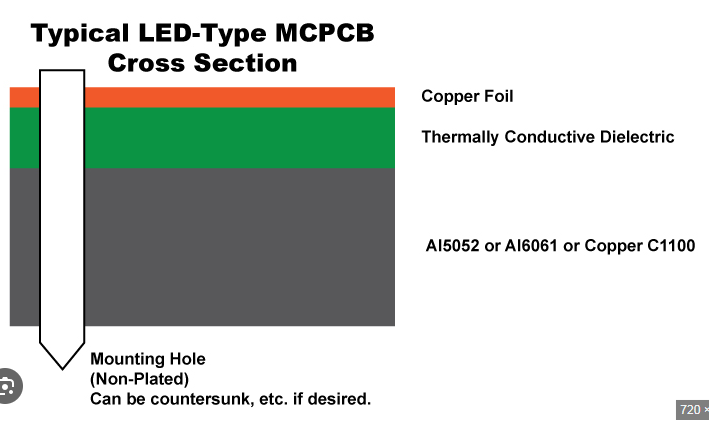
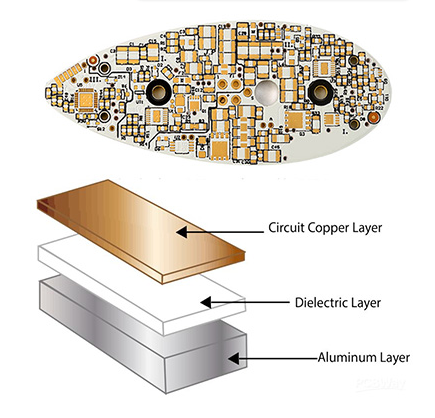
MCPCBs incorporate a metal layer, typically aluminum or copper, which helps dissipate heat more effectively than traditional FR-4 substrates. This makes them ideal for high-power applications, such as LED lighting and power electronics, where efficient heat dissipation is crucial to prevent overheating and ensure long-term reliability. On the other hand, ceramic substrates, such as alumina or aluminum nitride, offer exceptional thermal conductivity and electrical insulation. These materials are often used in high-frequency and high-temperature environments, such as aerospace and military applications, where performance and durability are paramount.
In addition to thermal considerations, the electrical properties of the substrate material are also vital.
High-frequency applications, such as RF and microwave circuits, require substrates with low dielectric constant (Dk) and low dissipation factor (Df) to minimize signal loss and ensure signal integrity. Materials like PTFE (polytetrafluoroethylene) and other high-frequency laminates are specifically designed to meet these requirements. Although these materials can be more expensive than standard FR-4, their superior electrical performance justifies the cost in applications where signal integrity is critical.
Mechanical strength and durability are other essential factors to consider.
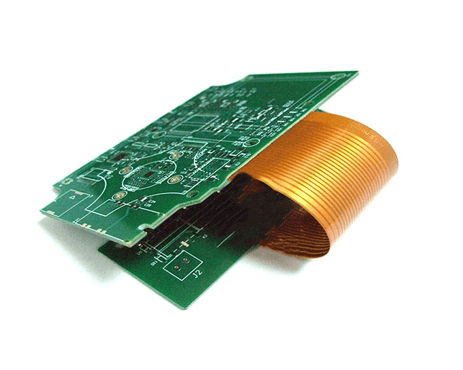
Substrates must withstand various stresses during manufacturing, assembly, and operation. Materials like polyimide offer excellent mechanical properties, including flexibility and resistance to thermal and mechanical stress. Polyimide substrates are often used in flexible PCBs, which are essential in applications requiring bending and folding, such as wearable electronics and medical devices.
Cost is always a consideration in material selection.
While advanced materials like ceramics and high-frequency laminates offer superior performance, they come at a higher price. Therefore, it is crucial to balance performance requirements with budget constraints. In many cases, a hybrid approach, combining different materials within a single PCB, can provide an optimal solution. For example, using FR-4 for the majority of the board and incorporating high-performance materials only in critical areas can achieve the desired performance without significantly increasing costs.
In conclusion, selecting the right substrate material for PCB durability involves a careful evaluation of thermal, electrical, mechanical, and cost factors. By understanding the specific requirements of the application and the properties of various substrate materials, designers can make informed decisions that enhance the performance and reliability of their PCBs. This strategic approach ensures that the final product meets the necessary standards and operates effectively in its intended environment.

Impact Of Surface Finish Choices On PCB Performance
The impact of surface finish choices on PCB performance is a critical consideration in the design and manufacturing of printed circuit boards (PCBs). Surface finishes serve as a protective layer for the exposed copper circuitry, preventing oxidation and ensuring reliable soldering during assembly.
The selection of an appropriate surface finish can significantly influence the electrical performance, durability, and overall reliability of the PCB. Therefore, understanding the various types of surface finishes and their respective advantages and disadvantages is essential for optimizing PCB performance.
One of the most commonly used surface finishes is Hot Air Solder Leveling (HASL).
HASL involves immersing the PCB in molten solder and then leveling it with hot air to remove excess solder. This process provides a robust and durable finish, making it suitable for a wide range of applications. However, HASL can result in uneven surfaces, which may pose challenges for fine-pitch components and high-density interconnects. Additionally, the lead-based solder used in traditional HASL processes raises environmental and health concerns, prompting a shift towards lead-free alternatives.
Electroless Nickel Immersion Gold (ENIG) is another popular surface finish, known for its excellent planarity and solderability.
ENIG consists of a layer of nickel followed by a thin layer of gold, which protects the nickel from oxidation. This finish is highly suitable for fine-pitch components and provides a long shelf life. However, ENIG can be more expensive than other finishes and may suffer from issues such as “black pad” syndrome, where the nickel layer becomes brittle and prone to failure.
Immersion Tin and Immersion Silver are also widely used surface finishes, each offering unique benefits.
Immersion Tin provides a flat and solderable surface, making it ideal for press-fit and through-hole components. It is also lead-free and environmentally friendly. However, Immersion Tin can be prone to tin whiskers, which are tiny, hair-like metallic growths that can cause short circuits. On the other hand, Immersion Silver offers excellent electrical conductivity and is cost-effective. It is particularly suitable for high-frequency applications due to its low contact resistance. Nevertheless, Immersion Silver can tarnish over time, potentially affecting solderability and performance.
Organic Solderability Preservative (OSP) is another surface finish option, particularly favored for its simplicity and cost-effectiveness. OSP involves applying a thin, organic layer over the copper surface to protect it from oxidation. This finish is lead-free and provides good solderability for a limited period. However, OSP is less durable than metallic finishes and may not be suitable for PCBs that require multiple soldering cycles or long-term storage.
In addition to these common surface finishes, there are specialized options such as Electroless Nickel Electroless Palladium Immersion Gold (ENEPIG) and Hard Gold.
ENEPIG offers excellent solderability and wire bonding capabilities, making it suitable for high-reliability applications. Hard Gold, typically used for edge connectors and keypads, provides exceptional wear resistance but is more expensive due to the thicker gold layer.
Ultimately, the choice of surface finish depends on various factors, including the specific application, environmental conditions, and cost considerations. By carefully evaluating the advantages and limitations of each surface finish, designers and manufacturers can make informed decisions that enhance the performance and reliability of their PCBs. As technology continues to evolve, ongoing research and development in surface finish materials and processes will further refine their impact on PCB performance, ensuring that they meet the ever-increasing demands of modern electronic devices.