PCB CNC Painting:A Comprehensive Guide to Precision and Efficiency
Introduction
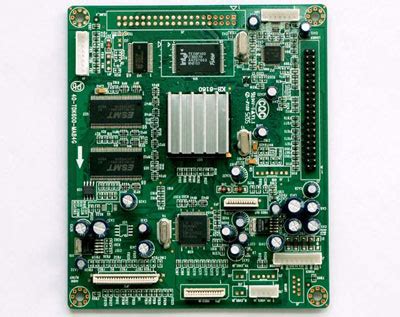
Printed Circuit Boards (PCBs) are the backbone of modern electronics, serving as the foundation for nearly all electronic devices. The manufacturing of PCBs involves multiple processes, including design, etching, drilling, soldering, and painting. Among these, PCB CNC (Computer Numerical Control) painting has emerged as a highly efficient and precise method for applying protective coatings, solder masks, and silkscreen layers.
This article explores PCB CNC painting, its advantages, applications, and the technology behind it. We will also discuss the differences between traditional painting methods and CNC-based approaches, along with future trends in PCB manufacturing.
1. Understanding PCB Painting
PCB painting refers to the application of coatings on a PCB for various purposes, including:
- Protective coatings (to prevent oxidation and environmental damage)
- Solder mask application (to insulate copper traces and prevent solder bridges)
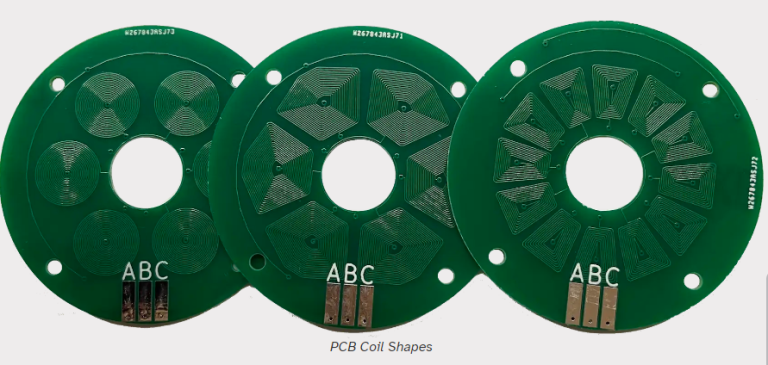
- Silkscreen printing (for component labels, logos, and identifiers)
Traditional methods of PCB painting include screen printing, spray coating, and manual brushing. However, these techniques often suffer from inconsistencies, overspray, and alignment issues. CNC-based painting addresses these challenges by offering high precision, automation, and repeatability.
2. What is CNC Painting for PCBs?
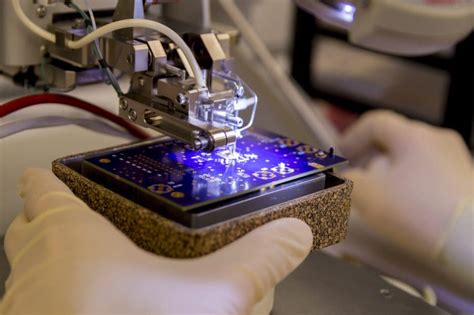
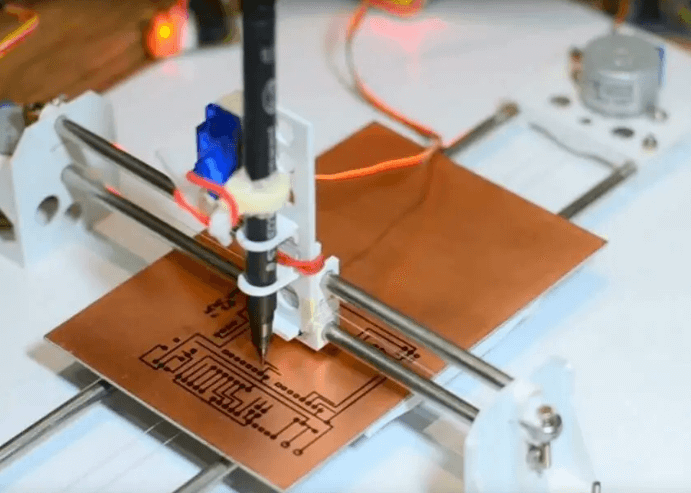
CNC painting involves the use of computer-controlled machines to apply coatings with extreme accuracy. A CNC machine follows a pre-programmed path to deposit paint, ink, or protective layers onto a PCB. This method ensures:
- Precise alignment with existing PCB traces and pads
- Controlled thickness of applied coatings
- Minimal waste due to targeted deposition
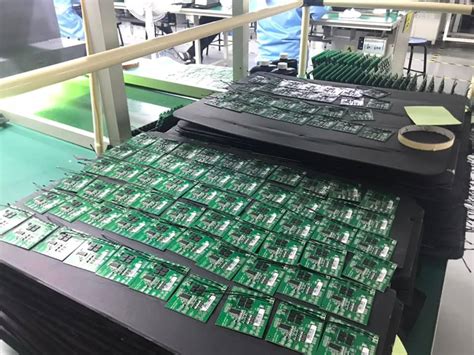
- High repeatability for mass production
Key Components of a PCB CNC Painting System
- CNC Machine – A robotic arm or gantry system with high-resolution movement.
- Dispensing Tool – A nozzle or syringe that applies the paint or coating.
- Software Control – CAM (Computer-Aided Manufacturing) software that converts PCB designs into machine instructions.
- Vision System (Optional) – For alignment verification and error correction.
3. Advantages of CNC Painting Over Traditional Methods
| Factor | Traditional Painting | CNC Painting |
|---|---|---|
| Precision | Low (manual errors) | High (µm-level accuracy) |
| Speed | Slow (manual labor) | Fast (automated) |
| Waste Reduction | High (overspray) | Minimal (targeted) |
| Repeatability | Inconsistent | Highly consistent |
| Complex Designs | Limited | Excellent |
Key Benefits:
- Higher Quality: Eliminates human errors in coating application.
- Cost-Effective: Reduces material waste and rework.
- Flexibility: Can handle complex PCB designs with fine-pitch components.
- Scalability: Ideal for both prototyping and mass production.
4. Applications of CNC Painting in PCB Manufacturing
A. Solder Mask Application
The solder mask is a critical layer that prevents solder bridges and protects copper traces. CNC painting ensures:
- Accurate coverage around pads and vias.
- Uniform thickness for better insulation.
- No contamination of exposed solderable areas.
B. Silkscreen Printing
CNC machines can precisely print:
- Component labels (R1, C2, etc.)
- Company logos and certifications
- Polarity markers and pin-1 indicators
C. Conductive Ink Deposition
Some advanced PCBs require conductive traces painted with silver or carbon ink. CNC painting enables:
- Direct printing of circuits (for flexible PCBs).
- Repairing broken traces without etching.
D. Protective Coatings
For PCBs exposed to harsh environments (moisture, dust, chemicals), CNC-applied conformal coatings provide:
- Even coverage without pooling.
- Selective coating (only on required areas).
5. The CNC Painting Process: Step-by-Step
- Design Preparation
- The PCB design (Gerber files) is loaded into CNC software.
- Toolpaths for painting are generated.
- PCB Fixturing
- The board is secured on the CNC bed.
- Vision systems (if available) align the PCB.
- Coating Application
- The CNC machine follows programmed paths to deposit paint.
- Multiple layers can be applied with drying intervals.
- Curing
- UV or thermal curing hardens the coating.
- Inspection
- Automated optical inspection (AOI) checks for defects.
6. Challenges and Solutions in CNC PCB Painting
| Challenge | Solution |
|---|---|
| Clogging of Nozzles | Regular cleaning, using high-quality inks. |
| Alignment Errors | Vision-assisted CNC systems. |
| Uneven Coating | Optimizing dispensing pressure and speed. |
| Material Waste | Precise volumetric control. |
7. Future Trends in PCB CNC Painting
- AI-Driven Optimization
- Machine learning algorithms to adjust parameters in real-time.
- Hybrid Additive Manufacturing
- Combining CNC painting with 3D printing for multilayer PCBs.
- Eco-Friendly Inks
- Water-based and biodegradable coatings.
- Faster Multi-Head CNC Systems
- Simultaneous painting of multiple PCBs.
8. Conclusion
PCB CNC painting represents a major advancement in electronics manufacturing, offering unmatched precision, efficiency, and consistency compared to traditional methods. As technology evolves, we can expect further improvements in speed, material options, and automation, making CNC painting an indispensable tool for modern PCB fabrication.
For manufacturers looking to reduce defects, save costs, and improve quality, investing in CNC-based painting systems is a logical step toward the future of electronics production.