PCB Coating: Types, Applications, and Benefits
Introduction
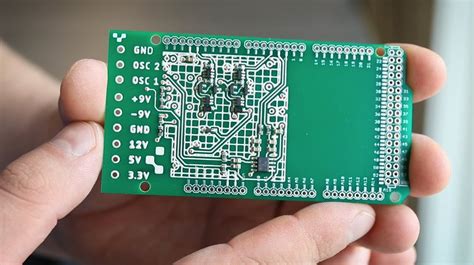
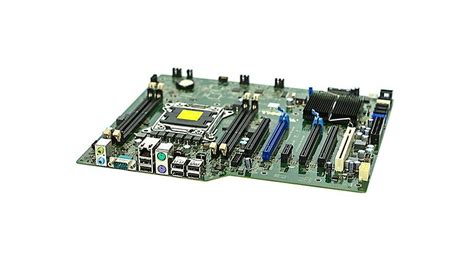
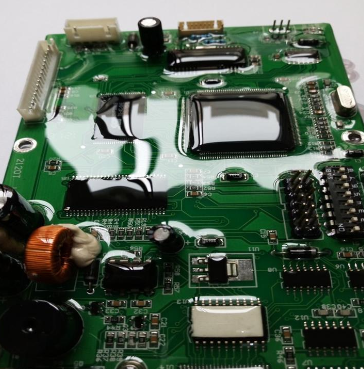
Printed Circuit Boards (PCBs) are essential components in modern electronics, providing mechanical support and electrical connections for various electronic components. However, PCBs are often exposed to harsh environmental conditions such as moisture, dust, chemicals, and temperature fluctuations, which can lead to corrosion, short circuits, and eventual failure. To protect PCBs from these adverse conditions, PCB coating (also known as conformal coating) is applied.
This article explores the different types of PCB coatings, their applications, benefits, and key considerations for selecting the right coating material.
Types of PCB Coatings
There are several types of conformal coatings available, each with unique properties suited for different applications. The most common types include:
1. Acrylic (AR) Coatings
- Properties:
- Easy to apply and remove
- Good moisture resistance
- Fast drying time
- Moderate chemical resistance
- Applications:
- Consumer electronics
- Automotive electronics
- General-purpose PCB protection
2. Silicone (SR) Coatings
- Properties:
- Excellent flexibility and thermal stability
- High resistance to moisture, salt spray, and extreme temperatures
- Good dielectric properties
- Applications:
- High-temperature environments (e.g., automotive, aerospace)
- LED lighting
- Marine electronics
3. Urethane (UR) Coatings
- Properties:
- Superior chemical and abrasion resistance
- Good moisture protection
- Difficult to remove (requires strong solvents)
- Applications:
- Military and aerospace electronics
- Industrial control systems
- Harsh chemical environments
4. Epoxy (ER) Coatings
- Properties:
- Hard, durable, and rigid coating
- Excellent moisture and chemical resistance
- Difficult to rework once cured
- Applications:
- High-reliability applications (e.g., medical devices)
- Automotive under-the-hood electronics
5. Parylene (XY) Coatings
- Properties:
- Ultra-thin, pinhole-free coating
- Exceptional chemical and moisture resistance
- Applied via vapor deposition (not liquid-based)
- Applications:
- Medical implants and devices
- Space and military electronics
- High-frequency circuits
Applications of PCB Coating
PCB coatings are used across various industries to enhance reliability and longevity:
1. Consumer Electronics
- Protects smartphones, laptops, and wearables from humidity and dust.
2. Automotive Electronics
- Shields PCBs from moisture, fuel, and temperature extremes in engine control units (ECUs) and sensors.
3. Aerospace & Defense
- Ensures reliability in avionics, satellites, and military-grade electronics exposed to extreme conditions.
4. Industrial Electronics
- Protects control systems, robotics, and automation equipment from corrosive chemicals.
5. Medical Devices
- Prevents contamination and ensures biocompatibility in implantable and diagnostic devices.
Benefits of PCB Coating
Applying a conformal coating offers several advantages:
1. Environmental Protection
- Shields PCBs from moisture, dust, salt spray, and chemicals.
2. Electrical Insulation
- Prevents short circuits by isolating conductive traces.
3. Thermal Management
- Some coatings (e.g., silicone) help dissipate heat.
4. Mechanical Protection
- Reduces stress from vibration and shock.
5. Extended Lifespan
- Increases PCB durability, reducing failure rates.
Key Considerations for Selecting PCB Coatings
When choosing a PCB coating, consider the following factors:
1. Environmental Conditions
- Temperature extremes, humidity, and chemical exposure dictate the best coating type.
2. Application Method
- Spraying: Fast and cost-effective.
- Brushing: Manual, suitable for small batches.
- Dipping: Uniform coating for high-volume production.
- Selective Coating: Precision application for specific areas.
3. Curing Process
- Some coatings cure at room temperature, while others require UV or thermal curing.
4. Reworkability
- Acrylic coatings are easy to remove; epoxy and urethane are more permanent.
5. Compliance Standards
- Ensure the coating meets industry standards (e.g., IPC-CC-830, MIL-I-46058C).
Conclusion
PCB coating is a critical process in electronics manufacturing, offering protection against environmental and mechanical stresses. The choice of coating depends on application requirements, environmental conditions, and industry standards. By selecting the right conformal coating, manufacturers can enhance PCB reliability, reduce maintenance costs, and extend the lifespan of electronic devices.
As technology advances, new coating materials and application techniques continue to emerge, further improving PCB performance in demanding environments. Whether for consumer electronics, automotive systems, or aerospace applications, PCB coatings play a vital role in ensuring long-term functionality and durability.