PCB Design Steps That impact Manufacturing
1.Before becoming an engineer,I spent a lot of time trying to develop products designed by others.These included automobiles,appliance,and electronic devices.The most frustrating aspect of repair work is when routine or preventative maintenance tasks are extremely complex or difficult to perform.Often,the task are extremely complex or difficult to perform.Often,the task that must be done are the easiest to implement and execute.If this isn’t the case,it’s clear that the designer has given little thought to the fact that someone will have to perform these so-called routine tasks in the future .The consequences of this “oversight”can be significant,leading to excessive downtime,reduced production,and lost revenue.
Even more serious than not considering routine maintenance and repairs is not considering manufacturing during design.Doing so can negatively impact board functionality and manufacturability.Such omissions can result in redesigns,PCB rework,significant turnaround times,and unnecessary manufacturing.Let’s review circuit board design and outline a set of PCB design steps to illustrate the key areas where manufacturing impacts need to be considered.
How PCB design Steps impact manufacturing creating a concept or a set of performance goals and creating a design that can be physically realized is no easy task.Becoming a good PCB designer requires years of experience,and even then,new PCB design Software,component and technologies are always available.Therefore,circuit board design is a career-long learning experience.One aspect you should understand early on is need for synchronization between design specifications and PCB fabrication.
Understanding how design decisions impact PCB fabrication not only makes you a better designer but also helps you create a more efficient development process,while your board fabrication should be a reference throughout the design process,below is a checklist of PCB design steps that will help your contract manufacturer(CM)build your boards.
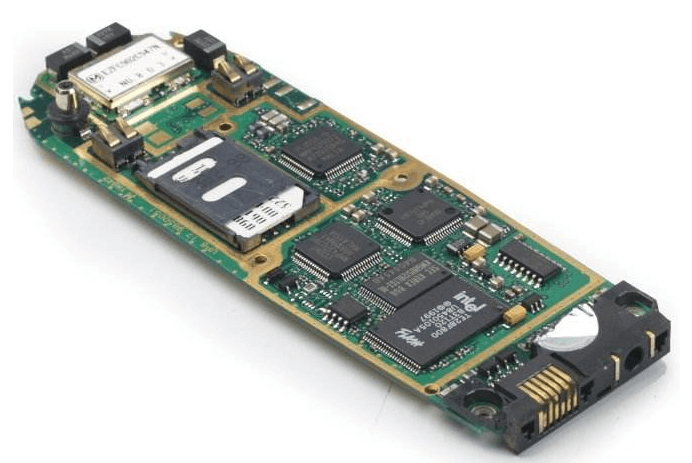
PCB Design Step 1:Select the Fewest Unique Components
Whenever possible ,choose similar components.This facilitates the pick-and-place process.Using package of the same size for multiple components is also helpful.
PCB Design Step2:Use SMDs and Minimize Through-Hole Components
SMDs and through-hole components require different soldering methods,with through-hole components requiring a longer process.
PCB Design Step 3:Don’t overload Nets
Net with a large number of component connections on the schematic translate into wider traces or heavier copper weights on your layout.This can lead to issues with layer and overall board size.
PCB Design Step4:Follow CM Clearance Guidelines
One,if not the other,main reason to ensure adequate clearance between board component is solder between board components is solder resist.This is a fundamental manufacturing task that protects your board and helps isolate electrical connectors whenever possible Just like elsewhere in your PCB layout,board-edge clearance is important.There’s a tendency(and sometimes necessity)to place connectors near or
PCB Design stpe 5:Avoid board-Edge connector whenever Possible
justlike elsewhere in your PCB layout,board edge clearance is important.There’s a tendency(and sometimes necessity) to place connectors near or just above the board edge.However,doing so requires good panelization and consultation with your CM.
PCB design step6:Use sufficient,But Minimal layers for stackup.
The more layers you have,the more material and processing time your CM will require. However,you should ensure you use enough layers in your stackup to meet your signal and ground needs.
PCB Design step 7:Use Minimal Routing complexity
Since most of your designs will likely be multi-layer,how best to route your vias is a major design and manufacturing issue.The most important rule of thumb in manufacturing is that more complexity is better.PCB Design
Step 8:Perform Frequent Design for function(DFM)Checks
Perhaps the most important thing you can do during the design process is to frequently perform Design for Function (DFM) checks on your circuit. However, the constraints should be based on your CM’s rules and guidelines.
PCB Design Step 9: Perform Thermal Analysis and PDN Checks
It is also important to simulate your board and analyze its thermal response and PDN. Excessive temperatures on components or distribution boards can cause problems, especially during soldering during PCB assembly.
PCB Design Step 10: Ensure the Manufacturing File Package is Complete and Accurate
Last but not least, you should ensure that the design specifications and all relevant data, information, and drawings are included in your product.