Pcb heat sink pad
Importance Of Heat Sink Pads In PCB Design
In the realm of printed circuit board (PCB) design, the importance of heat sink pads cannot be overstated. As electronic devices become increasingly compact and powerful, the need for efficient thermal management solutions has grown exponentially. Heat sink pads play a crucial role in dissipating heat generated by electronic components, thereby ensuring the reliability and longevity of the device.
To begin with, it is essential to understand the fundamental purpose of a heat sink pad.
These pads are designed to facilitate the transfer of heat away from critical components, such as integrated circuits (ICs) and power transistors, to a larger surface area where it can be dissipated more effectively. This process helps to maintain optimal operating temperatures, preventing overheating and potential damage to the components.
One of the primary reasons for incorporating heat sink pads in PCB design is to enhance the thermal performance of the board.
As electronic components operate, they generate heat as a byproduct of electrical resistance. If this heat is not managed properly, it can lead to thermal runaway, where the temperature of the component continues to rise uncontrollably. This can result in reduced performance, malfunction, or even permanent damage to the device. By using heat sink pads, designers can ensure that heat is efficiently conducted away from the components, thereby maintaining a stable operating temperature.
Moreover, heat sink pads contribute to the overall reliability of electronic devices.
Excessive heat can cause thermal stress, leading to the expansion and contraction of materials within the PCB. Over time, this can result in mechanical failures, such as cracked solder joints or delamination of the board. By effectively managing heat, heat sink pads help to mitigate these risks, ensuring the long-term reliability of the device.
In addition to improving thermal performance and reliability, heat sink pads also play a vital role in enhancing the performance of high-power components.
Power transistors, for example, are often used in applications that require the handling of significant amounts of current. These components can generate substantial heat, which, if not managed properly, can lead to inefficiencies and reduced performance. By incorporating heat sink pads, designers can ensure that these components operate within their specified temperature ranges, thereby maximizing their efficiency and performance.
Furthermore, the use of heat sink pads can also contribute to the miniaturization of electronic devices.
As technology advances, there is a growing demand for smaller, more compact devices. Efficient thermal management is a critical factor in achieving this goal. By using heat sink pads, designers can effectively manage heat within a smaller footprint, allowing for the development of more compact and lightweight devices without compromising on performance or reliability.
In conclusion, the importance of heat sink pads in PCB design cannot be overlooked. These pads play a critical role in enhancing thermal performance, ensuring the reliability of electronic devices, and maximizing the efficiency of high-power components. As electronic devices continue to evolve, the need for effective thermal management solutions will only become more pronounced. By incorporating heat sink pads into their designs, engineers can ensure that their devices operate reliably and efficiently, meeting the demands of an ever-changing technological landscape.
How To Choose The Right Heat Sink Pad For Your PCB
When designing a printed circuit board (PCB), one of the critical considerations is thermal management. Effective thermal management ensures the longevity and reliability of electronic components. A key element in this process is the heat sink pad, which plays a vital role in dissipating heat away from sensitive components. Choosing the right heat sink pad for your PCB involves understanding various factors, including material properties, thermal conductivity, and the specific requirements of your application.
To begin with, it is essential to comprehend the function of a heat sink pad.
These pads are designed to facilitate the transfer of heat from electronic components to a heat sink, thereby preventing overheating. The material of the heat sink pad must possess high thermal conductivity to efficiently transfer heat. Common materials used include silicone, graphite, and phase-change materials. Each of these materials has distinct properties that make them suitable for different applications.
Silicone-based heat sink pads are widely used due to their flexibility and ease of application.
They can conform to irregular surfaces, ensuring good contact between the component and the heat sink. Additionally, silicone pads are electrically insulating, which is crucial for preventing short circuits. However, their thermal conductivity is generally lower compared to other materials, which may limit their effectiveness in high-power applications.
Graphite pads, on the other hand, offer superior thermal conductivity, making them ideal for applications where efficient heat dissipation is paramount.
They are also lightweight and can withstand high temperatures. Nevertheless, graphite pads are not electrically insulating, which necessitates careful consideration of their placement to avoid electrical interference.
Phase-change materials represent another option, particularly for applications requiring high thermal performance.
These materials change state at specific temperatures, absorbing and dissipating heat effectively. They provide excellent thermal conductivity and can fill gaps between components and heat sinks. However, their cost is typically higher, and they may require additional handling considerations due to their phase-change properties.
In addition to material selection, the thickness of the heat sink pad is a crucial factor.
Thicker pads can fill larger gaps and provide better mechanical cushioning, but they may also introduce higher thermal resistance. Conversely, thinner pads offer lower thermal resistance but may not adequately fill gaps or provide sufficient mechanical support. Therefore, it is essential to balance these considerations based on the specific requirements of your PCB design.
Another important aspect is the operating environment of the PCB.
Factors such as ambient temperature, airflow, and the presence of other heat-generating components can influence the choice of heat sink pad. For instance, in environments with limited airflow, a pad with higher thermal conductivity may be necessary to ensure efficient heat dissipation. Similarly, in high-temperature environments, materials that can withstand elevated temperatures without degrading are preferable.
Furthermore, the ease of installation and reworkability of the heat sink pad should not be overlooked.
Some pads come with adhesive backing, simplifying the installation process. Others may require additional mounting hardware or adhesives. The ability to easily remove and replace the pad can be advantageous during maintenance or component replacement.
In conclusion, selecting the right heat sink pad for your PCB involves a careful evaluation of material properties, thermal conductivity, thickness, operating environment, and installation considerations. By thoroughly understanding these factors and how they interact with your specific application, you can ensure effective thermal management, thereby enhancing the performance and reliability of your electronic components.
Installation Tips For PCB Heat Sink Pads
When installing PCB heat sink pads, it is crucial to follow a series of meticulous steps to ensure optimal thermal management and device performance. The primary function of a heat sink pad is to facilitate the efficient transfer of heat away from electronic components, thereby preventing overheating and potential damage. To achieve this, one must first select the appropriate heat sink pad material, considering factors such as thermal conductivity, thickness, and compressibility. Once the suitable material is chosen, the installation process can commence.
Before beginning the installation, it is essential to prepare the PCB and the heat sink surfaces.
Both surfaces should be thoroughly cleaned to remove any dust, grease, or other contaminants that could impede thermal transfer. Using isopropyl alcohol and a lint-free cloth is recommended for this cleaning process. Ensuring that the surfaces are dry and free from residues will enhance the adhesion and effectiveness of the heat sink pad.
Next, carefully measure and cut the heat sink pad to match the dimensions of the component it will be applied to.
Precision in this step is vital, as an improperly sized pad can lead to inadequate coverage and suboptimal thermal performance. It is advisable to use a sharp blade or scissors to achieve clean, straight edges. Once the pad is cut to the correct size, remove any protective film from the adhesive side of the pad.
When applying the heat sink pad to the PCB, align it precisely with the component to ensure full coverage.
Gently press the pad onto the component, applying even pressure to avoid air bubbles or gaps that could hinder thermal conductivity. If the pad is not self-adhesive, a thin layer of thermal paste may be applied to enhance the bond between the pad and the component. It is important to use only a small amount of thermal paste, as excessive application can lead to spillage and potential short circuits.
After securing the heat sink pad to the component, the next step involves attaching the heat sink itself.
Position the heat sink over the pad, ensuring that it is properly aligned with the component. Apply gentle, even pressure to secure the heat sink in place. Depending on the design of the PCB and the heat sink, additional mechanical fasteners such as screws or clips may be required to ensure a stable attachment. It is crucial to follow the manufacturer’s guidelines for torque specifications to avoid damaging the PCB or the heat sink.
Once the heat sink is securely attached, it is advisable to inspect the installation for any signs of misalignment or gaps.
A thorough visual inspection can help identify potential issues that could compromise thermal performance. Additionally, it is beneficial to perform a thermal test to verify that the heat sink pad is effectively dissipating heat. Monitoring the temperature of the component during operation can provide valuable insights into the efficiency of the thermal management system.
In conclusion, the installation of PCB heat sink pads requires careful attention to detail and adherence to best practices. By selecting the appropriate material, preparing the surfaces, accurately sizing the pad, and ensuring proper attachment, one can achieve effective thermal management and enhance the longevity and reliability of electronic components. Following these installation tips will contribute to the overall performance and stability of the PCB, ensuring that it operates within safe temperature ranges.
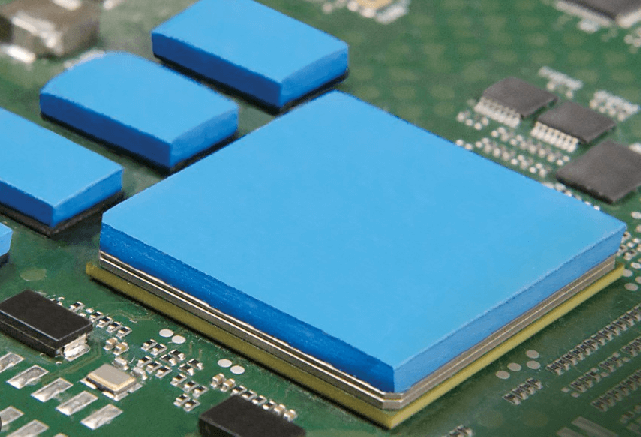
Comparing Different Materials For PCB Heat Sink Pads
When it comes to managing heat in electronic devices, the choice of materials for PCB heat sink pads is crucial. These pads play a vital role in dissipating heat away from sensitive components, thereby enhancing the performance and longevity of the device. Various materials are available for PCB heat sink pads, each with its own set of properties that make it suitable for specific applications. Understanding these materials and their characteristics can help in making an informed decision.
One of the most commonly used materials for PCB heat sink pads is silicone.
Silicone pads are favored for their excellent thermal conductivity and electrical insulation properties. They are also highly flexible, which allows them to conform to irregular surfaces, ensuring optimal contact between the heat sink and the component. This flexibility is particularly beneficial in applications where components are subject to mechanical stress or vibration. However, silicone pads can be relatively expensive compared to other materials, which may be a consideration for cost-sensitive projects.
Another popular material is graphite.
Graphite pads offer superior thermal conductivity, often outperforming silicone in this regard. They are also lightweight and can be manufactured in very thin layers, making them ideal for applications where space is at a premium. However, graphite is electrically conductive, which can pose a risk of short circuits if not properly insulated. Therefore, additional measures may be required to ensure electrical isolation, adding to the complexity and cost of the design.
Ceramic-based pads are another option, known for their excellent thermal conductivity and electrical insulation.
Materials such as aluminum oxide and aluminum nitride are commonly used in these pads. Ceramic pads are highly durable and can withstand high temperatures, making them suitable for demanding applications. However, they are generally more rigid and less flexible than silicone or graphite pads, which can be a drawback in applications requiring a high degree of mechanical compliance.
Phase change materials (PCMs) are also gaining popularity as heat sink pads.
These materials change from a solid to a liquid state at specific temperatures, allowing them to fill gaps and improve thermal contact as they melt. Once the temperature drops, they solidify again, maintaining the improved thermal interface. PCMs offer excellent thermal performance and can adapt to varying thermal loads. However, their performance can degrade over time due to repeated phase changes, and they may require encapsulation to prevent leakage.
In addition to these materials, there are also hybrid pads that combine the properties of different materials to achieve a balance of thermal conductivity, electrical insulation, and mechanical flexibility. For example, a pad might use a silicone matrix embedded with ceramic particles to enhance thermal performance while maintaining flexibility and electrical insulation.
When comparing different materials for PCB heat sink pads, it is essential to consider the specific requirements of the application.
Factors such as thermal conductivity, electrical insulation, mechanical flexibility, and cost all play a role in determining the most suitable material. Additionally, the operating environment, including temperature ranges and mechanical stresses, should be taken into account.
In conclusion, the choice of material for PCB heat sink pads is a critical decision that can significantly impact the performance and reliability of electronic devices. By carefully evaluating the properties and trade-offs of each material, designers can select the most appropriate solution for their specific needs, ensuring efficient heat dissipation and optimal device performance.