PCB in Medical Devices: Applications, Benefits, and Challenges
Introduction
Printed Circuit Boards (PCBs) are the backbone of modern electronics, providing the necessary platform for electrical connections between components. In the medical industry, PCBs play a critical role in the functionality, reliability, and safety of medical devices. From diagnostic equipment to implantable devices, PCBs enable advanced medical technologies that improve patient care and outcomes.
This article explores the applications of PCBs in medical devices, their benefits, design considerations, and the challenges associated with their use in the healthcare sector.
Applications of PCBs in Medical Devices
Medical PCBs are used in a wide range of applications, from simple monitoring devices to complex surgical equipment. Some key applications include:
1. Diagnostic Equipment
- Medical Imaging Systems: PCBs are essential in MRI machines, CT scanners, ultrasound systems, and X-ray machines, where high-speed signal processing is required.
- Blood Glucose Monitors: Portable glucose meters rely on compact PCBs for accurate readings.
- ECG and EEG Machines: These devices use PCBs to process electrical signals from the heart and brain.
2. Therapeutic Devices
- Pacemakers and Defibrillators: Implantable PCBs must be highly reliable and miniaturized to ensure long-term functionality.
- Infusion Pumps: PCBs control the precise delivery of medications.
- Nerve Stimulators: Used in pain management and neurological treatments.
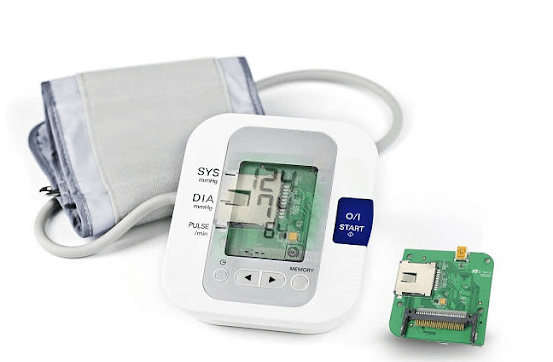
3. Monitoring Devices
- Wearable Health Monitors: Smartwatches and patches use flexible PCBs to track heart rate, oxygen levels, and activity.
- Hospital Patient Monitors: PCBs process real-time data from sensors to display vital signs.
4. Laboratory Equipment
- PCR Machines: Used in DNA amplification, requiring precise thermal and electrical control.
- Centrifuges and Analyzers: PCBs ensure accurate sample processing.
Benefits of PCBs in Medical Devices
1. High Reliability
Medical PCBs must function flawlessly, as failures can have life-threatening consequences. Advanced manufacturing techniques ensure durability and long-term performance.
2. Miniaturization
Modern medical devices, such as hearing aids and implantable sensors, require ultra-compact PCBs with high-density interconnects (HDI).
3. Customization
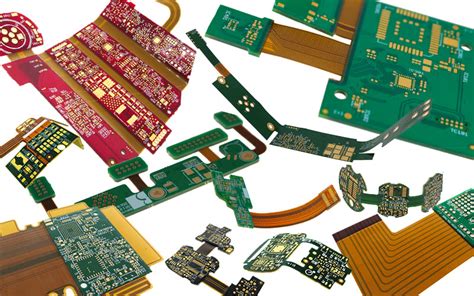
Medical PCBs can be tailored to specific applications, including rigid, flexible, or rigid-flex designs.
4. Signal Integrity
High-frequency PCBs are essential for imaging and diagnostic equipment to maintain signal accuracy.
5. Biocompatibility
For implantable devices, PCBs must use biocompatible materials to avoid adverse reactions.
Design Considerations for Medical PCBs
Designing PCBs for medical applications involves unique challenges:
1. Compliance with Medical Standards
- ISO 13485: Quality management for medical devices.
- IEC 60601: Safety and performance standards for medical electrical equipment.
- FDA Regulations: Ensures device safety and efficacy in the U.S.
2. Material Selection
- FR4: Common for general medical devices.
- Polyimide: Used in flexible PCBs for wearables.
- Ceramic Substrates: For high-temperature applications.
3. EMI/EMC Shielding
Medical devices must avoid electromagnetic interference (EMI) to prevent malfunctions.
4. Thermal Management
High-power devices (e.g., laser surgical tools) require efficient heat dissipation.
5. Longevity and Maintenance
Implantable devices must last years without failure, requiring robust design and testing.
Challenges in Medical PCB Manufacturing
1. Stringent Testing Requirements
- HALT (Highly Accelerated Life Testing): Ensures reliability under extreme conditions.
- Biocompatibility Testing: Essential for implants.
2. High Costs
Medical-grade PCBs require premium materials and rigorous quality control, increasing production costs.
3. Supply Chain Risks
Dependence on specialized components can lead to delays.
4. Cybersecurity Risks
Connected medical devices must be protected from hacking.
Future Trends in Medical PCBs
1. AI and IoT Integration
Smart medical devices will use AI-powered PCBs for real-time diagnostics.
2. Flexible and Stretchable Electronics
Wearables and implantables will adopt advanced flexible PCBs.
3. 3D-Printed PCBs
Additive manufacturing could enable rapid prototyping of custom medical PCBs.
4. Wireless Power Transfer
Implantable devices may use wireless charging via PCB-based systems.
Conclusion
PCBs are indispensable in modern medical technology, enabling advancements in diagnostics, treatment, and patient monitoring. However, designing and manufacturing medical PCBs requires strict adherence to safety standards, material selection, and reliability testing. As technology evolves, medical PCBs will continue to drive innovation in healthcare, improving precision, connectivity, and patient outcomes.
The future of medical PCBs lies in smarter, smaller, and more flexible designs, paving the way for next-generation medical devices that are more efficient and accessible than ever before.
This article provides a comprehensive overview of PCBs in medical applications. Let me know if you’d like any sections expanded or modified!