Pcb prototype board printer
Advantages Of Using A PCB Prototype Board Printer
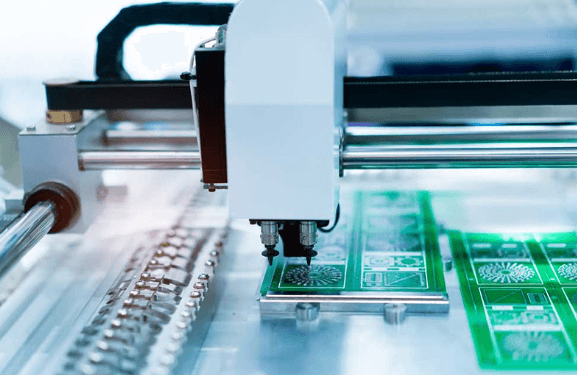
The advent of PCB prototype board printers has revolutionized the electronics industry, offering a myriad of advantages that streamline the design and manufacturing process.
One of the most significant benefits of using a PCB prototype board printer is the substantial reduction in development time.
Traditional methods of PCB prototyping often involve multiple iterations and extensive waiting periods for outsourced manufacturing. In contrast, a PCB prototype board printer allows engineers to produce and test their designs in-house, drastically cutting down the time required to move from concept to functional prototype. This accelerated timeline not only enhances productivity but also enables faster innovation cycles, giving companies a competitive edge in the market.
Moreover, the cost-effectiveness of PCB prototype board printers cannot be overstated.
Outsourcing PCB production can be prohibitively expensive, especially for small-scale projects or startups with limited budgets. By investing in a PCB prototype board printer, organizations can significantly reduce their prototyping costs. The ability to print multiple iterations without incurring additional expenses for each version is particularly advantageous. This cost-saving aspect is further amplified when considering the elimination of shipping fees and the potential for costly errors that can occur during the outsourcing process.
In addition to time and cost savings, PCB prototype board printers offer unparalleled flexibility and customization.
Engineers can easily modify designs and print new versions on-demand, allowing for rapid experimentation and optimization. This flexibility is crucial in the early stages of product development, where design changes are frequent and necessary. The ability to quickly iterate and refine designs ensures that the final product is both functional and optimized for performance. Furthermore, the precision and accuracy of modern PCB prototype board printers ensure that even the most complex designs can be faithfully reproduced, maintaining the integrity of the original design specifications.
Another notable advantage is the enhanced confidentiality and intellectual property protection that comes with in-house PCB prototyping.
When outsourcing PCB production, there is always a risk of intellectual property theft or leakage. By keeping the entire prototyping process within the organization, companies can safeguard their proprietary designs and maintain strict control over their intellectual property. This level of security is particularly important for industries dealing with sensitive or high-stakes technologies.
Environmental considerations also play a role in the growing popularity of PCB prototype board printers
Traditional PCB manufacturing processes often involve the use of hazardous chemicals and generate significant waste. In contrast, many modern PCB prototype board printers utilize more environmentally friendly materials and processes, reducing the ecological footprint of the prototyping phase. This shift towards greener practices aligns with the broader industry trend of sustainability and corporate responsibility.
Furthermore, the user-friendly nature of contemporary PCB prototype board printers makes them accessible to a wider range of users, including those with limited technical expertise.
Intuitive software interfaces and automated features simplify the design and printing process, enabling even novice engineers to produce high-quality prototypes. This democratization of PCB prototyping fosters innovation by empowering a broader spectrum of individuals and organizations to bring their ideas to life.
In conclusion, the advantages of using a PCB prototype board printer are manifold, encompassing time and cost efficiency, flexibility, precision, intellectual property protection, environmental sustainability, and user accessibility. As technology continues to advance, the role of PCB prototype board printers in the electronics industry is poised to become even more integral, driving innovation and efficiency in ways previously unimaginable.
How To Choose The Right PCB Prototype Board Printer For Your Needs
Selecting the right PCB prototype board printer is a critical decision for engineers, hobbyists, and businesses involved in electronics design and manufacturing. The process of choosing the appropriate printer involves several considerations, each of which can significantly impact the quality, efficiency, and cost-effectiveness of your projects. To make an informed decision, it is essential to understand the various factors that play a role in this selection.
First and foremost, the resolution of the printer is a key factor to consider.
The resolution determines the level of detail that the printer can achieve, which is crucial for creating intricate circuit designs. Higher resolution printers can produce finer lines and more precise components, which is particularly important for advanced and high-density PCB designs. Therefore, evaluating the resolution capabilities of different printers is a fundamental step in the selection process.
In addition to resolution, the type of materials that the printer can handle is another important consideration.
Different PCB prototype board printers are compatible with various substrates, such as FR4, aluminum, and flexible materials. The choice of material can affect the performance and durability of the final product. Consequently, it is vital to ensure that the printer you choose can work with the specific materials required for your projects.
Another critical aspect to consider is the printer’s speed and throughput.
For businesses and professionals who need to produce multiple prototypes in a short period, a high-speed printer can significantly enhance productivity. On the other hand, hobbyists and small-scale operations may prioritize precision over speed. Therefore, understanding your specific needs and balancing speed with other factors is essential for making the right choice.
Furthermore, the ease of use and software compatibility of the printer should not be overlooked.
A user-friendly interface and compatibility with popular PCB design software can streamline the prototyping process, reducing the learning curve and minimizing errors. It is advisable to choose a printer that offers intuitive controls and seamless integration with your existing design tools.
Cost is another crucial factor that influences the decision-making process.
PCB prototype board printers come in a wide range of prices, from affordable options for hobbyists to high-end models for professional use. While it may be tempting to opt for the cheapest option, it is important to consider the long-term value and potential trade-offs in terms of quality and features. Investing in a reliable and versatile printer can save time and money in the long run by reducing the need for rework and ensuring consistent results.
Additionally, the level of support and warranty offered by the manufacturer can play a significant role in your decision.
A printer backed by comprehensive customer support and a robust warranty can provide peace of mind and assistance in case of technical issues. Therefore, researching the reputation of the manufacturer and the availability of support services is a prudent step.
Finally, it is beneficial to read reviews and seek recommendations from other users who have experience with the printers you are considering. Real-world feedback can provide valuable insights into the performance, reliability, and potential drawbacks of different models, helping you make a more informed decision.
In conclusion, choosing the right PCB prototype board printer involves a careful evaluation of resolution, material compatibility, speed, ease of use, cost, support, and user feedback. By thoroughly assessing these factors and aligning them with your specific needs and priorities, you can select a printer that will enhance your prototyping capabilities and contribute to the success of your electronic projects.

Step-By-Step Guide To Setting Up A PCB Prototype Board Printer
Setting up a PCB prototype board printer involves a series of meticulous steps that ensure precision and efficiency in the creation of printed circuit boards. The process begins with the selection of the appropriate printer, which is crucial for achieving the desired quality and functionality. It is essential to choose a printer that is compatible with the specific requirements of your project, including the type of materials and the complexity of the design.
Once the printer is selected, the next step is to install the necessary software.
This software is typically provided by the printer manufacturer and includes drivers and design tools that facilitate the creation and printing of PCB layouts. It is important to follow the installation instructions carefully to ensure that the software is correctly configured and fully functional.
After the software installation, the printer must be calibrated.
Calibration is a critical step that ensures the printer operates accurately and produces high-quality results. This process involves adjusting various settings, such as the print head alignment and the print bed level, to ensure that the printer can produce precise and consistent prints. Calibration procedures vary depending on the printer model, so it is important to refer to the manufacturer’s guidelines.
With the printer calibrated, the next step is to prepare the design files.
These files are typically created using PCB design software, which allows you to layout the circuit and define the placement of components. It is important to ensure that the design files are compatible with the printer software and that they are saved in the correct format. Additionally, it is advisable to perform a thorough review of the design to identify and correct any potential errors before proceeding to the printing stage.
Once the design files are ready, they can be loaded into the printer software.
This software will typically provide a preview of the design, allowing you to verify that everything is correct before initiating the print. It is important to check for any discrepancies or issues that may affect the final output. If any adjustments are needed, they should be made at this stage to avoid wasting materials and time.
The next step is to prepare the printer for printing.
This involves loading the appropriate materials, such as the PCB substrate and any necessary inks or resins. It is important to follow the manufacturer’s instructions for loading materials to ensure that the printer operates correctly. Additionally, it is advisable to perform a test print to verify that the printer is functioning properly and that the materials are correctly loaded.
With the printer prepared, the actual printing process can begin.
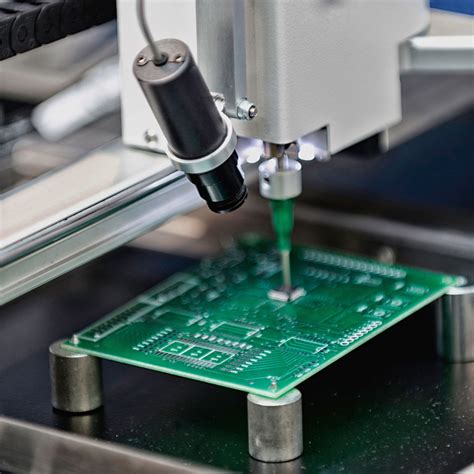
This involves sending the design files to the printer and initiating the print. The printer will then create the PCB prototype by depositing layers of material according to the design specifications. It is important to monitor the printing process to ensure that everything is proceeding smoothly and to address any issues that may arise.
After the printing is complete, the final step is to inspect and test the PCB prototype.
This involves checking the printed board for any defects or errors and performing electrical tests to verify that the circuit functions correctly. Any issues identified during this stage should be addressed before the PCB is used in a final product.
In conclusion, setting up a PCB prototype board printer involves a series of detailed steps that require careful attention to ensure success. By following these steps and adhering to the manufacturer’s guidelines, you can achieve high-quality results and create functional PCB prototypes efficiently.
Common Mistakes To Avoid When Using A PCB Prototype Board Printer
When utilizing a PCB prototype board printer, it is crucial to be aware of common mistakes that can compromise the quality and functionality of your printed circuit boards. One frequent error is neglecting to thoroughly check the design files before initiating the printing process. Ensuring that the design files are accurate and free from errors is paramount, as any discrepancies can lead to faulty boards that may not function as intended. Therefore, it is advisable to conduct a meticulous review of the design files, including verifying the placement of components and the routing of traces.
Another prevalent mistake is the improper calibration of the PCB prototype board printer.
Calibration is essential to ensure that the printer operates within the specified tolerances and produces boards with precise dimensions. Failing to calibrate the printer can result in misaligned components and traces, which can cause short circuits or open circuits. To avoid this, it is important to follow the manufacturer’s guidelines for calibration and perform regular maintenance checks to keep the printer in optimal condition.
In addition to calibration, the choice of materials plays a significant role in the success of the PCB printing process.
Using substandard or incompatible materials can lead to poor adhesion, warping, or other defects in the printed boards. It is essential to select high-quality materials that are compatible with the printer and the intended application of the PCB. This includes choosing the appropriate type of substrate, solder mask, and conductive ink. By investing in quality materials, you can enhance the reliability and performance of your printed circuit boards.
Furthermore, environmental factors such as temperature and humidity can impact the printing process.
Operating the PCB prototype board printer in an environment with extreme temperatures or high humidity levels can affect the curing of the ink and the adhesion of the components. It is important to maintain a controlled environment to ensure consistent results. Monitoring and adjusting the environmental conditions as needed can help prevent issues related to ink curing and component placement.
Another common mistake is overlooking the importance of post-processing steps.
After the PCB has been printed, it is essential to perform thorough inspections and testing to identify any defects or issues. This includes visual inspections to check for misaligned components, incomplete traces, or other visible defects. Additionally, electrical testing should be conducted to verify the functionality of the board. Skipping these post-processing steps can result in undetected issues that may lead to board failure during operation.
Moreover, inadequate documentation and record-keeping can pose significant challenges when using a PCB prototype board printer.
Keeping detailed records of the design files, calibration settings, material specifications, and environmental conditions can help in troubleshooting any issues that arise during the printing process. Proper documentation also facilitates repeatability and consistency in future printing projects. By maintaining comprehensive records, you can streamline the process and ensure that any necessary adjustments can be made efficiently.
In conclusion, avoiding common mistakes when using a PCB prototype board printer requires careful attention to detail and adherence to best practices. By thoroughly checking design files, properly calibrating the printer, selecting high-quality materials, controlling environmental factors, performing post-processing inspections and testing, and maintaining detailed documentation, you can significantly improve the quality and reliability of your printed circuit boards. Taking these precautions will not only enhance the performance of your PCBs but also contribute to the overall success of your projects.