Pcb prototype comparison
Cost Analysis: Comparing Different PCB Prototype Services
When evaluating the cost of different PCB prototype services, it is essential to consider various factors that contribute to the overall expense. The initial cost of a PCB prototype can vary significantly depending on the complexity of the design, the materials used, and the specific requirements of the project. To begin with, one must consider the base price, which typically includes the cost of the raw materials and the basic manufacturing process. This base price can differ from one service provider to another, often influenced by the scale of their operations and their geographical location.
In addition to the base price, the turnaround time is a critical factor that can impact the cost.
Expedited services, which promise faster delivery times, usually come at a premium. For instance, a standard turnaround time might be five to seven business days, whereas an expedited service could deliver the prototype in as little as 24 hours. The urgency of the project will dictate whether the additional cost for expedited service is justifiable.
Another significant aspect to consider is the level of customization required.
Standard PCB prototypes with common specifications are generally less expensive than those requiring unique or specialized features. Customization can include specific board thickness, unusual shapes, or the inclusion of advanced components such as high-frequency materials or embedded components. Each of these customizations adds to the complexity of the manufacturing process, thereby increasing the cost.
Furthermore, the quantity of prototypes ordered plays a crucial role in the overall cost analysis.
Many PCB prototype services offer bulk discounts, meaning that the per-unit cost decreases as the order quantity increases. This is particularly beneficial for projects that require multiple iterations or for those planning to scale up production in the future. However, for small-scale projects or initial testing phases, ordering a smaller quantity might be more cost-effective despite the higher per-unit price.
Shipping and handling fees are additional costs that must be factored into the overall expense.
These fees can vary based on the size and weight of the shipment, as well as the destination. International shipping, in particular, can be quite costly and may also involve customs duties and taxes. It is advisable to obtain a detailed quote that includes these fees to avoid any unexpected expenses.
Moreover, the quality of the PCB prototype is an essential consideration.
While it might be tempting to opt for the lowest-cost provider, it is crucial to ensure that the quality meets the required standards. Poor-quality prototypes can lead to additional costs in the long run, including rework, delays, and potential failures in the final product. Therefore, it is important to balance cost with quality, ensuring that the chosen service provider has a reputation for delivering reliable and high-quality prototypes.
Lastly, additional services such as design verification, testing, and technical support can also influence the overall cost.
Some PCB prototype services offer comprehensive packages that include these additional services, which can be beneficial for ensuring the prototype meets all specifications and functions correctly. While these packages may come at a higher initial cost, they can save time and money by reducing the likelihood of errors and the need for subsequent revisions.
In conclusion, when comparing different PCB prototype services, it is essential to consider a range of factors including base price, turnaround time, customization, order quantity, shipping fees, quality, and additional services. By carefully evaluating these elements, one can make an informed decision that balances cost with the quality and requirements of the project.
Turnaround Time: Which PCB Prototype Provider is Fastest?
When it comes to developing electronic devices, the speed at which a printed circuit board (PCB) prototype can be produced is often a critical factor. Engineers and designers frequently face tight deadlines, making the turnaround time of PCB prototypes a significant consideration. Various PCB prototype providers offer different turnaround times, and understanding which provider can deliver the fastest results is essential for efficient project management.
To begin with, it is important to recognize that the turnaround time for PCB prototypes can vary widely depending on several factors.
These include the complexity of the design, the number of layers, the materials used, and the specific capabilities of the PCB manufacturer. Some providers specialize in rapid prototyping and have streamlined processes to expedite production, while others may focus on high-volume manufacturing with longer lead times.
One of the key players in the PCB prototyping industry is Advanced Circuits.
Known for their quick turnaround times, Advanced Circuits offers a “Same Day” service, which can deliver prototypes within 24 hours. This expedited service is particularly beneficial for projects that require immediate testing and iteration. However, it is worth noting that this rapid service comes at a premium cost, and the complexity of the design may impact the feasibility of such a quick turnaround.
Similarly, PCBWay is another provider that has gained a reputation for fast turnaround times.
PCBWay offers a “24-hour express” service for prototypes, which is highly competitive in the industry. Their efficient production processes and advanced manufacturing capabilities enable them to meet tight deadlines without compromising on quality. Additionally, PCBWay provides detailed tracking and customer support, ensuring that clients are kept informed throughout the production process.
On the other hand, JLCPCB is a provider that has made significant strides in reducing turnaround times while maintaining cost-effectiveness.
JLCPCB offers a “48-hour” service for standard PCB prototypes, which strikes a balance between speed and affordability. Their automated production lines and extensive experience in the industry allow them to deliver prototypes quickly, making them a popular choice for many engineers and designers.
Moreover, Eurocircuits is another notable provider that emphasizes quick turnaround times.
Eurocircuits offers a “5-day” service for standard PCB prototypes, which is relatively fast compared to traditional manufacturing timelines. Their focus on quality and precision ensures that the prototypes meet stringent industry standards, making them a reliable option for projects that require both speed and accuracy.
In addition to these providers, it is essential to consider the geographical location of the manufacturer.
Proximity to the production facility can significantly impact shipping times, which in turn affects the overall turnaround time. For instance, choosing a local provider can reduce shipping delays and expedite the delivery of prototypes.
Furthermore, it is crucial to evaluate the specific needs of the project when selecting a PCB prototype provider. While some projects may require the fastest possible turnaround, others may prioritize cost or quality. Balancing these factors and understanding the trade-offs involved can help in making an informed decision.
In conclusion, the turnaround time for PCB prototypes varies among different providers, with Advanced Circuits, PCBWay, JLCPCB, and Eurocircuits being some of the fastest in the industry. Each provider offers unique advantages, and the choice ultimately depends on the specific requirements of the project. By carefully considering factors such as design complexity, cost, and geographical location, engineers and designers can select the most suitable provider to meet their needs and ensure timely project completion.

Quality Assurance: Evaluating PCB Prototype Manufacturing Standards
When evaluating PCB prototype manufacturing standards, quality assurance plays a pivotal role in ensuring that the final product meets the required specifications and performs reliably in its intended application. The process of quality assurance in PCB prototype manufacturing involves a series of meticulous steps designed to identify and rectify potential issues before mass production. This not only saves time and resources but also enhances the overall reliability and performance of the electronic devices in which these PCBs are used.
To begin with, one of the primary aspects of quality assurance in PCB prototype manufacturing is the selection of materials.
High-quality materials are essential for the durability and functionality of the PCB. Manufacturers must ensure that the substrates, copper cladding, and other components meet industry standards and are free from defects. This involves rigorous testing and certification processes to verify the material properties, such as thermal stability, electrical conductivity, and mechanical strength.
Following material selection, the design verification phase is crucial.
This step involves a thorough review of the PCB design to ensure it adheres to the specified requirements and industry standards. Design verification includes checking for issues such as signal integrity, power distribution, and thermal management. Advanced software tools are often employed to simulate the PCB’s performance under various conditions, allowing engineers to identify and address potential problems before physical prototypes are produced.
Once the design is verified, the manufacturing process itself must be scrutinized.
This includes evaluating the precision and accuracy of the fabrication equipment, as well as the expertise of the personnel involved. Manufacturers must adhere to strict process controls to ensure that each step, from photolithography to etching and plating, is executed with precision. Any deviations from the established process parameters can result in defects that compromise the PCB’s performance.
In addition to process controls, inspection and testing are integral components of quality assurance.
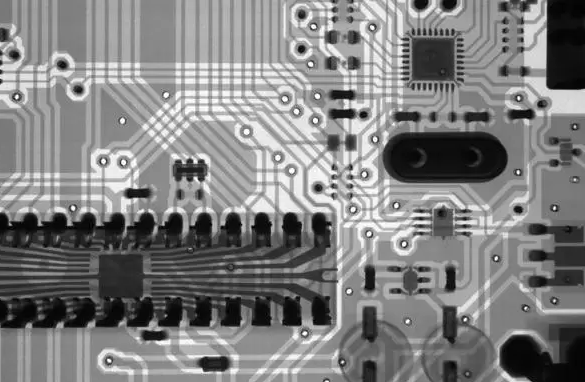
Automated optical inspection (AOI) and X-ray inspection are commonly used to detect defects such as misaligned components, soldering issues, and internal structural flaws. These non-destructive testing methods provide a comprehensive assessment of the PCB’s quality without damaging the prototype. Furthermore, electrical testing, including continuity and functionality tests, is performed to verify that the PCB operates as intended.
Another critical aspect of quality assurance is the adherence to industry standards and certifications.
Compliance with standards such as IPC-A-600 for acceptability of printed boards and IPC-6012 for qualification and performance specification of rigid PCBs ensures that the prototypes meet the highest quality benchmarks. Manufacturers often seek certifications from recognized bodies to demonstrate their commitment to quality and reliability.
Moreover, continuous improvement practices are essential in maintaining high-quality standards in PCB prototype manufacturing.
This involves regularly reviewing and updating processes, incorporating feedback from testing and inspection, and investing in advanced technologies and training. By fostering a culture of continuous improvement, manufacturers can enhance their capabilities and consistently deliver high-quality PCB prototypes.
In conclusion, quality assurance in PCB prototype manufacturing is a multifaceted process that encompasses material selection, design verification, process control, inspection, testing, and adherence to industry standards. Each of these elements is critical in ensuring that the final product meets the required specifications and performs reliably. By implementing rigorous quality assurance practices, manufacturers can identify and address potential issues early in the development process, ultimately leading to more reliable and high-performing electronic devices.
Material Choices: How Different PCB Prototypes Affect Performance
When evaluating the performance of printed circuit board (PCB) prototypes, the choice of materials plays a pivotal role. Different materials can significantly influence the electrical, thermal, and mechanical properties of the final product. Understanding these variations is crucial for engineers and designers aiming to optimize their designs for specific applications.
To begin with, the most commonly used material in PCB manufacturing is FR-4, a composite material made of woven fiberglass cloth with an epoxy resin binder that is flame resistant.
FR-4 is favored for its excellent balance of cost, durability, and electrical insulation properties. However, while FR-4 is suitable for a wide range of applications, it may not be the best choice for high-frequency circuits due to its relatively high dielectric constant and loss tangent. These properties can lead to signal degradation and increased power loss, which are critical factors in high-speed digital and RF applications.
In contrast, materials such as Rogers laminates are specifically designed to address the limitations of FR-4 in high-frequency applications.
Rogers materials offer lower dielectric constants and loss tangents, which result in better signal integrity and reduced power loss. Consequently, they are often used in microwave and RF circuits where performance is paramount. However, these benefits come at a higher cost, making Rogers laminates less economical for general-purpose applications.
Another material option is polyimide, which is known for its superior thermal stability and mechanical strength.
Polyimide PCBs can withstand higher temperatures compared to FR-4, making them ideal for applications that involve extreme thermal cycling or require high reliability under harsh conditions. For instance, aerospace and military applications often utilize polyimide due to its ability to maintain performance in demanding environments. Nevertheless, the increased cost and processing complexity of polyimide materials can be a drawback for less critical applications.
Moreover, metal-core PCBs (MCPCBs) introduce another dimension to material choice by incorporating a metal layer, typically aluminum or copper, to enhance thermal management.
MCPCBs are particularly beneficial in applications where heat dissipation is crucial, such as in LED lighting and power electronics. The metal core acts as a heat sink, efficiently spreading and dissipating heat away from critical components. This improved thermal performance can extend the lifespan of the PCB and its components. However, the inclusion of a metal core can also introduce challenges in terms of weight and mechanical flexibility, which must be considered during the design phase.
Additionally, flexible PCBs, made from materials like polyimide or polyester, offer unique advantages in terms of design flexibility and space savings.
These materials allow the PCB to bend and conform to complex shapes, making them ideal for compact and dynamic applications such as wearable electronics and medical devices. The trade-off, however, lies in their lower mechanical strength and potential for higher manufacturing costs compared to rigid PCBs.
In conclusion, the choice of materials in PCB prototypes is a critical factor that directly impacts performance across various parameters. While FR-4 remains a versatile and cost-effective option for many applications, specialized materials like Rogers laminates, polyimide, metal-core, and flexible substrates offer distinct advantages tailored to specific needs. By carefully considering the electrical, thermal, and mechanical requirements of their projects, engineers can select the most appropriate materials to achieve optimal performance and reliability in their PCB designs.