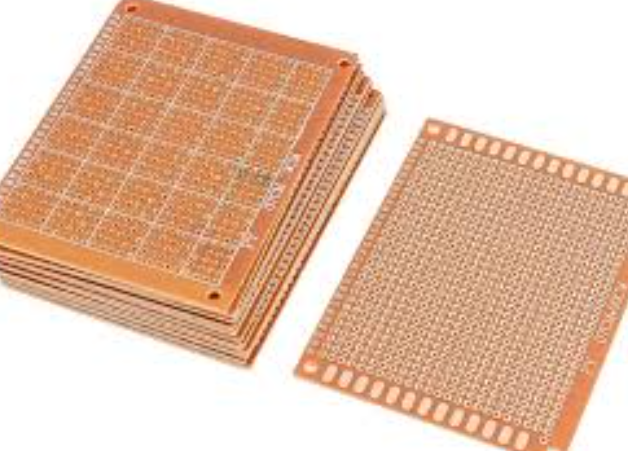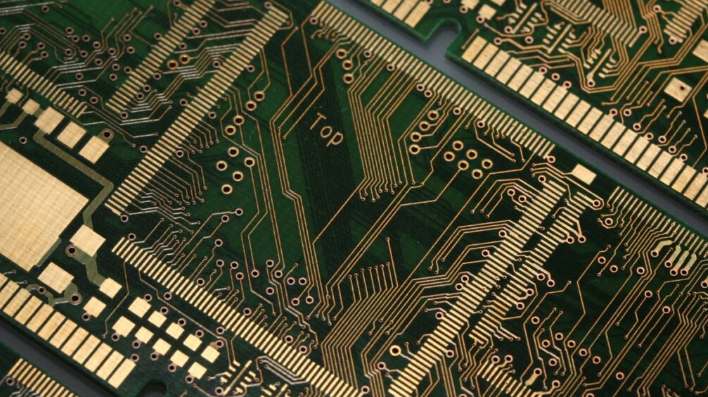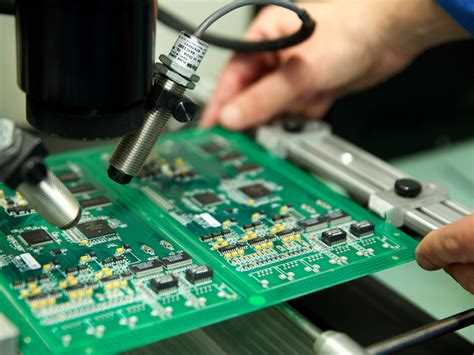
Pcb prototype machine
Advantages Of Using A PCB Prototype Machine In Electronics Design
In the rapidly evolving field of electronics design, the use of a PCB prototype machine has become increasingly advantageous. As the demand for more complex and efficient electronic devices grows, engineers and designers are constantly seeking ways to streamline the development process. A PCB prototype machine offers a solution by enabling the rapid creation of printed circuit boards, which are essential components in virtually all electronic devices. By integrating this technology into the design process, several benefits can be realized, enhancing both the efficiency and quality of electronic products.
One of the primary advantages of using a PCB prototype machine is the significant reduction in development time.
Traditional methods of PCB fabrication often involve lengthy processes, including outsourcing to external manufacturers, which can lead to extended lead times. In contrast, a PCB prototype machine allows designers to produce circuit boards in-house, drastically shortening the time from concept to prototype. This accelerated timeline not only speeds up the overall development cycle but also allows for more iterations and refinements, ultimately leading to a more polished final product.
Moreover, the use of a PCB prototype machine enhances the flexibility and creativity of the design process.
Designers can experiment with different layouts and configurations without the constraints of waiting for external fabrication. This flexibility is particularly beneficial in the early stages of design, where changes are frequent and necessary. By having the ability to quickly test and modify designs, engineers can explore innovative solutions and optimize the performance of their circuits. This iterative approach fosters a more dynamic and responsive design environment, which is crucial in keeping pace with the fast-moving electronics industry.
In addition to time savings and design flexibility, a PCB prototype machine also contributes to cost efficiency.
While the initial investment in such a machine may be substantial, the long-term savings can be significant. By eliminating the need for outsourcing and reducing the number of costly revisions, companies can achieve a more economical production process. Furthermore, the ability to produce prototypes on-demand reduces the risk of overproduction and minimizes waste, aligning with sustainable practices that are increasingly important in today’s market.
Another noteworthy advantage is the improvement in design accuracy and reliability.
PCB prototype machines are equipped with advanced technology that ensures precise and consistent production of circuit boards. This precision is critical in avoiding errors that can lead to malfunctioning devices or costly recalls. By maintaining high standards of accuracy, designers can have greater confidence in the performance and reliability of their prototypes, which translates into higher quality end products.
Furthermore, the integration of a PCB prototype machine into the design process facilitates better communication and collaboration among team members.
With the ability to quickly produce tangible prototypes, designers can more effectively convey their ideas and concepts to colleagues, stakeholders, and clients. This improved communication can lead to more informed decision-making and a more cohesive development process, ultimately resulting in products that better meet the needs and expectations of end-users.
In conclusion, the advantages of using a PCB prototype machine in electronics design are manifold. From reducing development time and costs to enhancing design flexibility and accuracy, this technology plays a pivotal role in modernizing the design process. As the electronics industry continues to advance, the adoption of PCB prototype machines is likely to become increasingly prevalent, driving innovation and efficiency in the creation of cutting-edge electronic devices.
How To Choose The Right PCB Prototype Machine For Your Needs
When selecting the right PCB prototype machine for your needs, it is essential to consider several critical factors that will ensure the machine aligns with your specific requirements. The process of choosing the appropriate equipment can be daunting, given the myriad of options available in the market. However, by focusing on key aspects such as functionality, precision, cost, and scalability, you can make an informed decision that will enhance your prototyping capabilities.
To begin with, understanding the functionality of the PCB prototype machine is paramount.
Different machines offer varying features, and it is crucial to identify what specific functions you need. For instance, some machines are designed for simple, single-layer boards, while others can handle complex, multi-layer designs. Therefore, assessing the complexity of the projects you intend to undertake will guide you in selecting a machine that meets your technical requirements. Additionally, consider whether the machine supports the materials you plan to use, as compatibility is vital for achieving optimal results.
Precision is another critical factor to consider when choosing a PCB prototype machine.
The accuracy of the machine directly impacts the quality of the prototypes produced. High-precision machines are essential for creating intricate designs with fine details, which is particularly important in industries where precision is non-negotiable, such as aerospace and medical devices. Therefore, evaluating the machine’s resolution and tolerance levels will help ensure that it can deliver the precision needed for your projects.
Cost is invariably a significant consideration in the decision-making process.
PCB prototype machines come in a wide range of prices, and it is important to balance your budget with the features and capabilities you require. While it might be tempting to opt for a less expensive model, it is crucial to consider the long-term implications of your investment. A machine that offers reliability and durability, even at a higher initial cost, may prove more economical in the long run by reducing maintenance expenses and downtime.
Scalability is also an important aspect to consider, especially if you anticipate growth in your production needs.
A machine that can accommodate increased demand without compromising on quality or efficiency will be a valuable asset. Therefore, it is advisable to choose a machine that offers flexibility and can be easily upgraded or expanded to meet future requirements. This foresight will ensure that your investment remains relevant and continues to serve your needs as your business evolves.
Furthermore, it is beneficial to consider the ease of use and support provided by the manufacturer.
A user-friendly machine with intuitive controls can significantly reduce the learning curve, allowing you to focus on the creative aspects of prototyping. Additionally, reliable customer support and access to technical assistance are invaluable, particularly when encountering challenges or requiring maintenance. Therefore, researching the manufacturer’s reputation and the availability of support services can provide peace of mind and enhance your overall experience.
In conclusion, choosing the right PCB prototype machine involves a careful evaluation of functionality, precision, cost, scalability, and support. By thoroughly assessing these factors and aligning them with your specific needs, you can select a machine that not only meets your current requirements but also supports your future growth and innovation. This strategic approach will ensure that your investment in a PCB prototype machine is both prudent and rewarding, ultimately contributing to the success of your projects.
Innovations In PCB Prototype Machine Technology
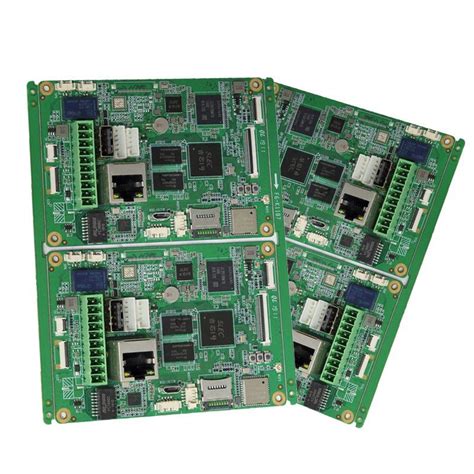
In recent years, the field of electronics has witnessed remarkable advancements, particularly in the development of printed circuit board (PCB) prototype machines. These machines have become indispensable tools for engineers and designers, enabling them to rapidly create and test circuit designs before committing to full-scale production. The evolution of PCB prototype machine technology has been driven by the need for greater efficiency, precision, and versatility in the design and manufacturing processes.
One of the most significant innovations in PCB prototype machines is the integration of advanced computer-aided design (CAD) software.
This software allows designers to create highly detailed and complex circuit layouts with ease. By simulating the electrical performance of a circuit before it is physically produced, CAD software helps identify potential issues early in the design process, thereby reducing the likelihood of costly errors. Moreover, the seamless integration of CAD software with PCB prototype machines has streamlined the transition from digital design to physical prototype, significantly shortening development cycles.
In addition to software advancements, the hardware components of PCB prototype machines have also seen substantial improvements.
Modern machines are equipped with high-precision milling and drilling tools that can create intricate circuit patterns with exceptional accuracy. These tools are capable of working with a variety of materials, including traditional copper-clad boards and more advanced substrates like flexible and rigid-flex materials. This versatility allows designers to experiment with different materials and configurations, ultimately leading to more innovative and efficient circuit designs.
Furthermore, the advent of additive manufacturing techniques, such as 3D printing, has revolutionized the capabilities of PCB prototype machines.
By using conductive inks and materials, 3D printers can create multi-layered circuit boards with complex geometries that were previously difficult or impossible to achieve with traditional subtractive methods. This capability not only expands the design possibilities but also reduces material waste, making the prototyping process more environmentally friendly.
Another noteworthy development in PCB prototype machine technology is the incorporation of automated testing and inspection systems.
These systems use advanced imaging and sensing technologies to evaluate the quality and functionality of the prototype boards. By automatically detecting defects such as short circuits, open circuits, and misalignments, these systems ensure that only high-quality prototypes proceed to the next stages of development. This automation not only enhances the reliability of the prototypes but also frees up valuable time for engineers to focus on design and innovation.
Moreover, the increasing connectivity of PCB prototype machines through the Internet of Things (IoT) has opened new avenues for remote monitoring and control.
Engineers can now oversee the prototyping process from anywhere in the world, making it easier to collaborate with teams across different locations. This connectivity also facilitates the collection and analysis of data, providing valuable insights into machine performance and helping to optimize the prototyping process.
In conclusion, the innovations in PCB prototype machine technology have significantly transformed the landscape of electronic design and manufacturing. By integrating advanced software, precision hardware, additive manufacturing techniques, automated testing, and IoT connectivity, these machines have become powerful tools that enhance the efficiency, accuracy, and creativity of the prototyping process. As technology continues to advance, it is likely that PCB prototype machines will play an even more crucial role in shaping the future of electronics, driving further innovation and enabling the development of increasingly sophisticated electronic devices.
Cost-Effective PCB Prototyping: A Guide To Machine Selection And Use
In the rapidly evolving world of electronics, the demand for efficient and cost-effective prototyping solutions has never been greater. Printed Circuit Boards (PCBs) form the backbone of most electronic devices, and the ability to quickly and economically produce prototypes is crucial for innovation and development. Selecting the right PCB prototype machine is a pivotal decision that can significantly impact both the cost and quality of the prototyping process. Therefore, understanding the various factors involved in machine selection and use is essential for businesses and hobbyists alike.
To begin with, it is important to consider the specific requirements of your project.
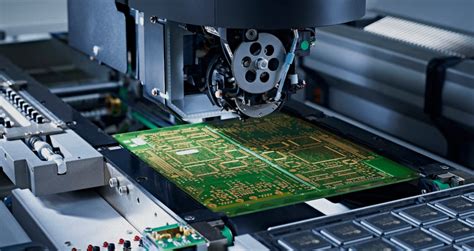
PCB prototype machines come in various types, each suited to different needs. For instance, some machines are designed for high precision and are ideal for complex, multilayer boards, while others are more suited for simpler, single-layer designs. Consequently, identifying the complexity and scale of your project will help narrow down the options. Additionally, the choice between in-house prototyping and outsourcing is another critical consideration. While outsourcing can be convenient, it often involves higher costs and longer lead times. In contrast, investing in a PCB prototype machine for in-house use can offer greater control over the process and reduce long-term expenses.
Moreover, the cost of a PCB prototype machine is a significant factor that influences the decision-making process.
While high-end machines offer advanced features and capabilities, they come with a hefty price tag. On the other hand, more affordable machines may lack certain functionalities but can still deliver satisfactory results for less demanding projects. It is essential to strike a balance between cost and functionality, ensuring that the machine meets your specific needs without exceeding your budget. Furthermore, considering the total cost of ownership, including maintenance and operational expenses, is crucial for making an informed decision.
In addition to cost considerations, the ease of use and learning curve associated with a PCB prototype machine should not be overlooked.
Machines with user-friendly interfaces and comprehensive support resources can significantly reduce the time and effort required to produce prototypes. This is particularly important for small businesses and individual users who may not have extensive technical expertise. Therefore, selecting a machine that offers intuitive operation and robust customer support can enhance productivity and minimize potential setbacks.
Transitioning from machine selection to practical use, it is vital to establish a systematic approach to prototyping.
This involves setting up a dedicated workspace, ensuring proper ventilation, and adhering to safety protocols. Regular maintenance of the machine is also essential to ensure optimal performance and longevity. By following the manufacturer’s guidelines and conducting routine checks, users can prevent common issues and extend the lifespan of their equipment.
Furthermore, staying informed about the latest advancements in PCB prototyping technology can provide a competitive edge. As the industry continues to innovate, new machines with enhanced capabilities and features are constantly being introduced. Keeping abreast of these developments allows users to make timely upgrades and maintain efficiency in their prototyping processes.
In conclusion, selecting and using a PCB prototype machine involves careful consideration of various factors, including project requirements, cost, ease of use, and ongoing maintenance. By making informed decisions and adopting best practices, users can achieve cost-effective and efficient prototyping, ultimately driving innovation and success in the electronics industry.