Principles of PCB desoldering, key points, methods and precautions
1.Basic principles of desoldering:
Before desoldering, you must understand the characteristics of the original soldering point and do not do it lightly.
(1) Do not damage the components, wires and surrounding components to be removed;
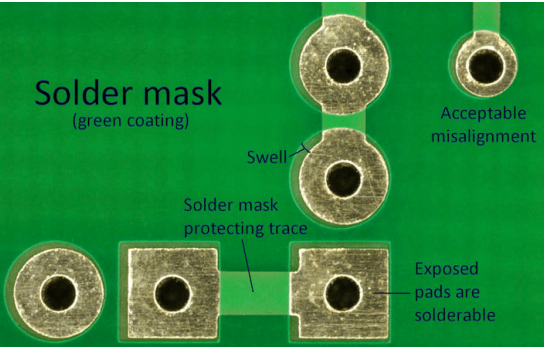
(2) Do not damage the pads and printed wires on the PCB during desoldering;
(3) For electronic components that have been judged to be damaged, you can cut off the pins before removing them to reduce damage;
(4) Try to avoid moving the positions of other original components. If necessary, you must do a good job of restoration.
2.Key points of desoldering:
(1) Strictly control the heating temperature and time to avoid high temperature damage to other components. Generally, the time and temperature of desoldering are longer than those of welding.
(2) Do not use excessive force during desoldering. The packaging strength of components decreases at high temperatures, and excessive pulling, twisting and twisting will damage components and pads.
(3) Absorb the solder on the desoldering point. You can use a soldering tool to absorb the solder and directly pull out the components, reducing the desoldering time and the possibility of damaging the PCB.
3.Desoldering methods:
(1) Point-by-point desoldering method
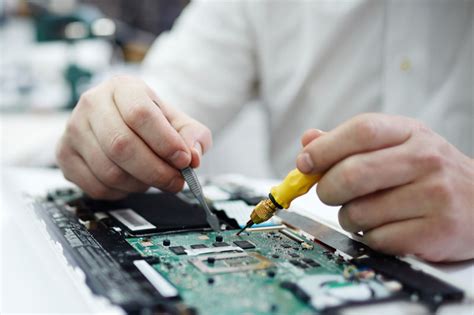
For horizontally installed resistor and capacitor components, the two solder joints are far apart. You can use a soldering iron to heat the points and pull them out one by one. If the pins are bent, pry them straight with the soldering iron tip before removing them.
When desoldering, stand the PCB upright, heat the pin solder joints of the components to be removed with a soldering iron, and use tweezers or needle-nosed pliers to hold the component pins and gently pull them out.
(2) Centralized desoldering method
Since the pins of the resistor array are soldered separately, it is difficult to heat them at the same time with a soldering iron. You can use a hot air soldering machine to quickly heat several solder joints and pull them out at once after the solder melts.
(3) Retention desoldering method
Use a soldering tool to first absorb the solder at the solder joints to be removed. In general, the components can be removed.
If you encounter multi-pin electronic components, you can use an electronic hot air blower to heat them.
If it is a lap-soldered component or pin, you can apply flux on the solder joint and use a soldering iron to open the solder joint. The pin or wire of the component can be removed.
If it is a hook-soldered component or pin, first use a soldering iron to remove the solder from the solder joint, then heat it with the soldering iron to melt the residual solder under the hook. At the same time, use a spatula to lift the pin in the direction of the hook line. Do not use too much force when prying to prevent the melted solder from splashing into the eyes or clothes.
(4) Cutting and desoldering method
If there is excess on the component pins and wires on the desoldering point, or if it is determined that the component is damaged, you can first cut off the component or wire, and then remove the wire head on the pad.
4.Matters to be noted when re-soldering after desoldering
(1) Keep the pins and wires of the re-soldered components consistent with the original ones as much as possible;
(2) Punch through the blocked pad holes;
(3) Restore the moved components to their original state.