Printed Circuit Board Turnkey: Accelerated Prototyping Pathways
Key Takeaways
Modern PCB turnkey solutions integrate design, PCB assembly, and testing into a unified workflow, eliminating fragmented processes that delay prototyping. By consolidating tasks under a single provider, teams reduce handoffs between design, PCBA, and quality assurance stages, accelerating development cycles by up to 40%.
A critical advantage lies in streamlined communication, which minimizes errors during component sourcing and layout validation. For example, automated design-for-manufacturing (DFM) checks ensure compatibility with PCB assembly capabilities early in the process, avoiding costly revisions.
| Traditional Approach | Turnkey Solution |
|---|---|
| Multi-vendor coordination | Single-point accountability |
| Manual DFM adjustments | Automated DFM integration |
| 4–6-week turnaround | 1–2-week prototyping |
| Inconsistent testing | Unified QA protocols |
Additionally, PCBA testing is embedded within the workflow, with in-circuit and functional tests performed immediately after assembly. This real-time validation identifies flaws before full-scale production, reducing iterations. Cost predictability improves as material procurement and labor are bundled, enabling startups and enterprises alike to scale prototypes efficiently.
By merging expertise across disciplines, turnkey services transform concept-to-prototype timelines, ensuring market readiness without compromising reliability.
PCB Turnkey Prototyping Acceleration Methods
Modern PCB assembly and PCBA workflows leverage integrated turnkey strategies to eliminate bottlenecks in prototyping. By combining design, fabrication, and testing processes under a single provider, teams bypass the delays inherent in multi-vendor coordination. For instance, concurrent engineering allows design files to be validated for manufacturability during schematic development, reducing post-design revisions. Advanced PCBA partners further accelerate timelines through automated component sourcing, minimizing procurement lead times.
Tip: Prioritize turnkey providers with in-house testing capabilities, as real-time quality checks during assembly prevent post-production defects and costly rework cycles.
Transitioning to unified workflows also optimizes iteration speed. Automated design rule checks (DRCs) and simulation tools identify potential flaws before physical prototyping, while just-in-time PCB assembly ensures rapid transition from digital models to functional boards. Additionally, suppliers with global logistics networks expedite shipping, shrinking the gap between prototype validation and mass production.
Critical considerations include selecting partners with transparent communication protocols to align design intent with manufacturing realities. By embedding feedback loops early in the process, teams can refine prototypes faster, ensuring each iteration aligns with performance benchmarks. This holistic approach transforms traditional linear workflows into agile cycles, where PCBA and testing phases operate in tandem rather than sequence.
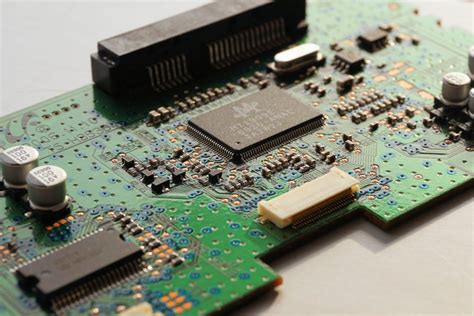
Streamlined PCB Design and Assembly Integration
Modern PCB assembly workflows thrive on seamless integration between design and manufacturing phases. Traditional approaches often involve fragmented communication between design teams and PCBA (Printed Circuit Board Assembly) providers, leading to delays from iterative revisions. Turnkey solutions address this by unifying PCB design and assembly under a single framework, ensuring design files are optimized for manufacturability from the start. Advanced tools like DFM (Design for Manufacturability) checks and automated component placement algorithms eliminate mismatches between schematics and physical assembly requirements, reducing prototyping cycles by up to 40%.
By embedding PCBA specifications directly into design software, engineers can pre-validate layouts against material availability, thermal constraints, and testing protocols. This proactive alignment minimizes post-design adjustments, enabling faster transition from prototype to mass production. For instance, a consumer electronics firm leveraging integrated PCB assembly services reported a 30% reduction in time-to-prototype by eliminating back-and-forth approvals. Real-time collaboration platforms further streamline workflows, allowing designers and manufacturers to resolve conflicts in-process rather than post-fabrication.
Such integration also enhances quality control, as testing parameters are predefined during the design phase. Automated optical inspection (AOI) and functional testing protocols are synchronized with PCBA workflows, ensuring defects are flagged early. This cohesive approach not only accelerates timelines but also reduces costs associated with rework—a critical advantage in competitive markets where rapid iteration defines success.
Testing Processes in Turnkey PCB Solutions
At the core of turnkey PCB solutions, rigorous testing protocols ensure functional reliability and compliance with design specifications. Modern PCB assembly workflows integrate automated optical inspection (AOI), X-ray inspection, and in-circuit testing (ICT) to detect defects in PCBA components, solder joints, and trace alignments. These methods minimize human error while accelerating validation cycles—a critical advantage for prototyping phases where iterative adjustments are common.
Advanced signal integrity analysis and environmental stress testing further validate performance under real-world conditions, such as thermal fluctuations or mechanical vibrations. By embedding these processes within a unified turnkey framework, manufacturers eliminate delays caused by fragmented quality checks. Real-time data sharing between design, PCB assembly, and testing teams enables immediate corrective actions, reducing rework cycles by up to 40%.
For high-complexity PCBA projects, boundary-scan testing ensures programmable components like FPGAs or microcontrollers operate as intended. This comprehensive approach not only safeguards product functionality but also aligns with regulatory standards, ensuring seamless progression from prototyping to mass production. The result is a streamlined pathway where testing becomes a strategic accelerator rather than a bottleneck.
Reducing Time-to-Market with Turnkey PCBs
Modern electronics development demands rapid iteration, and turnkey PCB solutions provide a critical advantage by consolidating design, pcb assembly, and testing into a unified workflow. By eliminating vendor fragmentation, these services compress timelines—particularly during prototyping phases—where seamless coordination between PCB design and pcba (printed circuit board assembly) ensures fewer communication delays. For instance, integrated teams can instantly adjust component sourcing or layout optimizations without waiting for third-party approvals, directly accelerating feedback loops.
Advanced turnkey providers also embed automated testing protocols within their processes, identifying design flaws or manufacturing inconsistencies early. This proactive approach reduces rework cycles, which traditionally add weeks to development schedules. Moreover, standardized documentation and real-time progress tracking enable stakeholders to align production milestones with broader project goals. By leveraging economies of scale in pcb assembly, companies further minimize lead times for low-volume prototype batches, ensuring faster validation of functional designs.
Ultimately, the shift to turnkey PCB services transforms fragmented workflows into cohesive pipelines, allowing businesses to transition from concept to market-ready products in record time—a competitive edge in industries where speed-to-market dictates commercial success.
Cost-Effective PCB Prototyping Strategies
Achieving cost efficiency in PCB prototyping requires strategic alignment of design, PCB assembly, and testing workflows. By integrating design-for-manufacturing (DFM) principles early in the process, engineers can minimize material waste and avoid costly redesigns. Turnkey solutions excel here, merging PCBA (printed circuit board assembly) with automated testing to reduce manual intervention and streamline error detection. For instance, consolidating fabrication and PCB assembly under a single provider eliminates third-party coordination fees while leveraging bulk purchasing discounts for components.
A key driver of savings lies in modular design approaches, which allow reusable circuit blocks across multiple prototypes. This reduces development time and component costs, particularly when paired with standardized PCBA workflows. Additionally, advanced manufacturers employ volume pricing models for low-volume prototype batches, ensuring scalability without upfront overinvestment. Real-time analytics tools further optimize costs by identifying inefficiencies in solder paste application or component placement during PCB assembly.
To maximize affordability, prioritize suppliers offering transparent pricing structures and rapid iteration cycles. Combining these strategies ensures prototypes meet quality benchmarks while adhering to tight budgets—a critical advantage in competitive product development landscapes.
Accelerated Product Development via Turnkey Services
PCB assembly and PCBA (printed circuit board assembly) services under a turnkey model eliminate fragmented workflows by consolidating design, component sourcing, and manufacturing under a single provider. This integration reduces handoff delays between prototyping stages, enabling engineers to focus on iterative improvements rather than logistical coordination. By leveraging pre-vetted supply chains and automated PCB assembly lines, turnkey partners compress lead times by up to 40%, particularly for complex multilayer boards or high-density interconnect (HDI) designs.
A critical advantage lies in synchronized design-for-manufacturability (DFM) checks, where potential production issues are flagged during the PCBA phase, preventing costly mid-process revisions. Advanced providers further integrate in-house testing protocols—such as AOI (automated optical inspection) and functional validation—to align quality assurance with rapid iteration cycles. This closed-loop approach ensures that design modifications are implemented and verified within days, rather than weeks, accelerating time-to-market for industries like IoT and automotive electronics.
Moreover, turnkey solutions mitigate risks associated with component shortages through real-time inventory management, ensuring uninterrupted prototyping even during supply chain disruptions. As a result, companies gain agility in responding to market demands while maintaining cost predictability across the product lifecycle.
Optimizing PCB Workflows for Faster Output
Efficient PCB assembly workflows rely on harmonizing design, manufacturing, and testing phases to eliminate bottlenecks. By adopting unified digital platforms that synchronize PCBA specifications with fabrication parameters, teams reduce manual rework and miscommunication risks. For instance, automated design-for-manufacturability (DFM) checks flag potential issues early, ensuring seamless transitions from CAD files to production-ready layouts.
Integrating PCB assembly with just-in-time component sourcing further accelerates timelines. Advanced procurement systems cross-reference bill-of-materials (BOM) data with supplier inventories, minimizing delays caused by part shortages. Simultaneously, leveraging modular PCBA processes—such as standardized panelization or solder paste stencil reuse—cuts setup cycles by up to 30%.
Real-time monitoring tools add another layer of optimization. Sensors tracking solder reflow profiles or pick-and-place accuracy enable predictive adjustments, reducing post-assembly defects. Combined with inline automated optical inspection (AOI), this ensures rapid fault detection without halting production.
Finally, collaborative workflows between design engineers and PCBA specialists foster iterative refinement. By analyzing historical performance data, teams identify recurring inefficiencies—like excessive via counts or suboptimal thermal management—and implement preemptive design tweaks. This proactive approach not only accelerates output but also elevates first-pass yield rates, ensuring faster transitions from prototyping to volume production.
Turnkey Solutions for Rapid PCB Iteration
Modern electronics demand faster iteration cycles, and PCB assembly services delivered through turnkey solutions are pivotal in meeting this need. By consolidating design, PCBA (printed circuit board assembly), and validation under one provider, teams eliminate delays caused by fragmented workflows. Single-source providers leverage automated assembly lines and design-for-manufacturability (DFM) checks to identify potential issues early, reducing re-spins. For instance, integrating real-time component sourcing with in-house prototyping slashes lead times by up to 40%, enabling engineers to test multiple design variants within days.
Advanced functional testing protocols, such as automated optical inspection (AOI) and boundary-scan testing, ensure reliability without prolonging timelines. This unified approach minimizes supply chain bottlenecks and communication gaps, allowing teams to focus on refining performance rather than coordinating vendors. Additionally, end-to-end traceability in turnkey PCBA workflows provides actionable data to optimize future iterations. Whether refining IoT devices or high-frequency systems, the agility of integrated turnkey services transforms rapid iteration from a logistical challenge into a competitive advantage.
Conclusion
The adoption of PCB assembly-centric turnkey solutions represents a transformative shift in prototyping methodologies, merging design precision, PCBA efficiency, and rigorous testing into a unified workflow. By eliminating fragmented vendor coordination, these integrated services ensure seamless transitions from schematic validation to functional board delivery, directly addressing bottlenecks in traditional development cycles. Advanced PCB assembly protocols, coupled with automated inspection systems, reduce error margins while accelerating iteration timelines—critical for maintaining competitive agility in fast-paced markets.
For innovators prioritizing time-to-market, turnkey PCBA frameworks offer more than logistical convenience; they embed cost predictability and technical scalability into every phase. The ability to rapidly validate prototypes through in-house testing suites ensures compliance with performance benchmarks before mass production, mitigating post-launch risks. As industries increasingly demand shorter development windows, the strategic alignment of PCB assembly expertise with end-to-end project management emerges not just as an operational advantage but as a strategic necessity for sustainable innovation.
Frequently Asked Questions
What distinguishes turnkey PCB assembly from traditional prototyping methods?
PCB assembly in a turnkey model integrates design, component sourcing, PCBA, and testing into a single workflow, eliminating multi-vendor coordination. This reduces logistical delays by 40–60% compared to fragmented approaches.
How do turnkey solutions accelerate time-to-market for new products?
By consolidating prototyping, PCB assembly, and quality validation under one provider, teams avoid miscommunication risks and component mismatches. Automated PCBA processes further cut lead times, enabling iterations within days instead of weeks.
Are turnkey PCB services cost-effective for low-volume production?
Yes. Providers leverage economies of scale in component procurement and optimize panelization for PCB assembly, reducing per-unit costs. Additionally, integrated testing minimizes post-production defects, lowering long-term expenses.
What quality controls are embedded in turnkey PCBA workflows?
Advanced automated optical inspection (AOI) and functional testing ensure 99.9% reliability post-assembly. Real-time data sharing allows designers to validate adjustments immediately, ensuring compliance with industry standards like IPC-A-610.
Ready to Streamline Your Prototyping Process?
For tailored turnkey PCB assembly solutions that align with your project’s timeline and budget, please click here to explore our end-to-end services.