Programming PCB Boards: A Comprehensive Guide
Introduction to PCB Programming
Printed Circuit Board (PCB) programming is a critical skill in modern electronics design and manufacturing. As the backbone of nearly all electronic devices, PCBs require precise programming to ensure proper functionality, reliability, and performance. Programming a PCB involves several key processes, including firmware development, microcontroller programming, FPGA configuration, and boundary scan testing.
The art of PCB programming bridges the gap between hardware design and software implementation. When done correctly, it transforms a collection of electronic components into a fully functional system capable of performing complex tasks. This article explores the fundamental concepts, tools, and techniques involved in programming PCB boards, providing both beginners and experienced engineers with valuable insights into this essential aspect of electronics development.
Understanding the PCB Programming Process
1. Firmware Development
Firmware serves as the low-level software that directly controls hardware components on a PCB. Unlike application software that runs on operating systems, firmware is typically stored in non-volatile memory chips (such as flash memory or EEPROM) and executes directly on the hardware.
Key considerations in firmware development include:
- Hardware abstraction layers (HAL) to interface with specific components
- Real-time constraints for time-sensitive operations
- Memory management for resource-constrained environments
- Power management for battery-operated devices
- Error handling and recovery mechanisms
2. Microcontroller Programming
Microcontrollers (MCUs) are the brains of most PCBs, and programming them requires specialized knowledge:
Programming Methods:
- In-system programming (ISP): Programming the MCU while it’s soldered to the PCB
- In-circuit serial programming (ICSP): Using a serial interface to program the MCU
- Bootloader programming: Utilizing pre-installed bootloader software for field updates
Common Microcontroller Architectures:
- ARM Cortex-M series (popular for embedded applications)
- AVR (used in Arduino boards)
- PIC (Microchip’s proprietary architecture)
- RISC-V (open-source instruction set architecture)
3. FPGA Configuration
Field-Programmable Gate Arrays (FPGAs) offer hardware-level programmability and are increasingly common in modern PCB designs:
Configuration Methods:
- SRAM-based: Volatile configuration loaded at power-up
- Flash-based: Non-volatile configuration
- Antifuse: One-time programmable configuration
Programming Languages:
- VHDL (VHSIC Hardware Description Language)
- Verilog
- SystemVerilog
- High-level synthesis (HLS) languages like C/C++
Essential Tools for PCB Programming
1. Integrated Development Environments (IDEs)
Specialized IDEs provide comprehensive environments for PCB programming:
- Keil MDK: Popular for ARM microcontroller development
- MPLAB X IDE: Microchip’s official development environment
- Arduino IDE: Simplified environment for AVR-based boards
- Vivado: Xilinx’s FPGA development suite
- Quartus Prime: Intel’s (formerly Altera) FPGA toolchain
2. Debugging and Programming Hardware
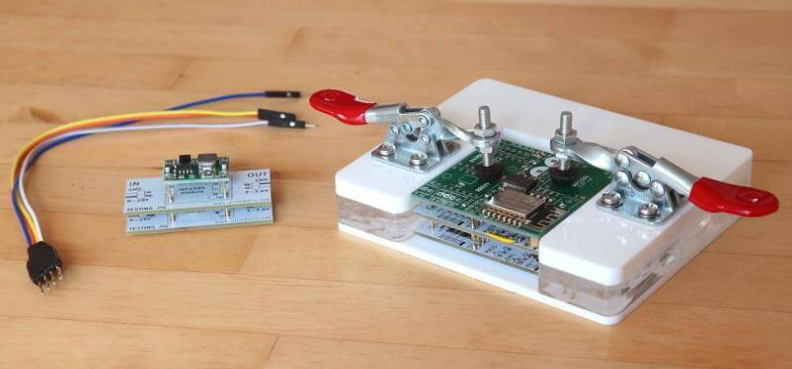
Physical tools are required to transfer code to the PCB:
- JTAG Debuggers: For ARM and other architectures supporting Joint Test Action Group standard
- ST-Link: STMicroelectronics’ proprietary debugger/programmer
- USBasp: Affordable AVR programmer
- PICKit: Microchip’s official programmer/debugger
- FPGA Download Cables: Such as Xilinx Platform Cable USB
3. Version Control Systems
Essential for managing firmware code:
- Git (with platforms like GitHub, GitLab, or Bitbucket)
- Subversion (SVN)
- Mercurial
PCB Programming Techniques
1. Bare-Metal Programming
Writing code that runs directly on hardware without an operating system:
- Direct register manipulation
- Interrupt service routines (ISRs)
- Memory-mapped I/O access
- Clock and power management configuration
2. Real-Time Operating Systems (RTOS)
For more complex applications, an RTOS provides valuable abstractions:
- Task scheduling and prioritization
- Inter-task communication
- Memory management
- Device driver frameworks
Popular RTOS options include:
- FreeRTOS
- Zephyr
- Micrium µC/OS
- RT-Thread
3. Hardware Abstraction Layers (HAL)
HALs provide a consistent interface to hardware features:
- Board Support Packages (BSPs)
- Peripheral drivers
- Consistent APIs across different microcontroller families
- Easier portability between hardware platforms
Testing and Validation
1. Unit Testing
Testing individual components of the firmware:
- Test frameworks like Unity, CppUTest, or Google Test
- Hardware-in-the-loop (HIL) testing
- Simulation environments
2. Integration Testing
Verifying interactions between components:
- Communication protocol testing (SPI, I2C, UART)
- Timing analysis
- Power consumption measurements
3. Boundary Scan Testing (JTAG)
For manufacturing and debugging:
- Testing PCB connectivity
- Identifying manufacturing defects
- Programming flash memory
- Debugging complex systems
Best Practices in PCB Programming
1. Design for Programmability
Consider programming requirements during PCB design:
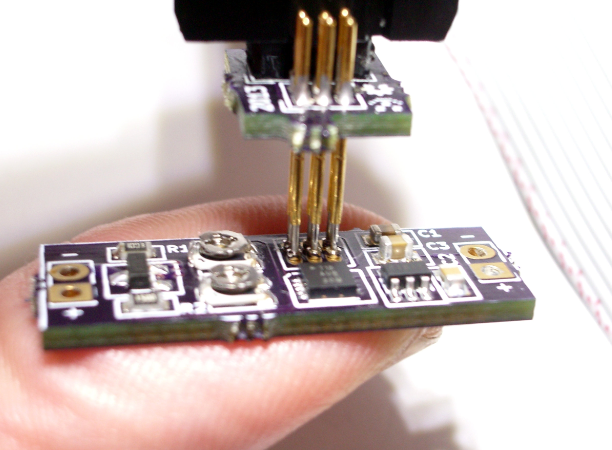
- Include programming headers (JTAG, SWD, ICSP)
- Provide test points for debugging
- Implement proper reset circuits
- Include status LEDs for visual feedback
2. Documentation
Maintain comprehensive documentation:
- Schematic diagrams with pin assignments
- Memory maps
- Register descriptions
- API documentation
- Version history
3. Security Considerations
Protect intellectual property and device security:
- Secure boot implementations
- Flash memory protection bits
- Encryption for firmware updates
- Tamper detection mechanisms
4. Power Management
Implement robust power management:
- Brown-out detection
- Low-power modes
- Watchdog timers
- Proper power sequencing
Advanced Topics in PCB Programming
1. Over-the-Air (OTA) Updates
Enabling field updates without physical access:
- Wireless protocol implementation (Wi-Fi, Bluetooth, cellular)
- Delta updates to minimize bandwidth
- Rollback mechanisms for failed updates
- Secure authentication
2. Machine Learning on Edge Devices
Implementing AI algorithms on resource-constrained hardware:
- TensorFlow Lite for Microcontrollers
- Quantization techniques
- Neural network optimization
- Hardware accelerators
3. Functional Safety
For critical applications:
- ISO 26262 (automotive)
- IEC 61508 (industrial)
- Fault detection and mitigation
- Redundant systems
Future Trends in PCB Programming
1. Increased Abstraction
Higher-level programming approaches:
- Visual programming for embedded systems
- AI-assisted code generation
- Domain-specific languages
2. Heterogeneous Computing
Combining different processing elements:
- MCU + FPGA combinations
- AI accelerators
- Specialized coprocessors
3. Secure by Design
Growing emphasis on security:
- Hardware security modules (HSMs)
- Secure elements
- Physically unclonable functions (PUFs)
Conclusion
PCB programming is a multifaceted discipline that combines elements of electrical engineering, computer science, and systems design. As electronic devices become more sophisticated and interconnected, the importance of robust PCB programming practices continues to grow. By understanding the fundamental concepts, utilizing the right tools, and following industry best practices, engineers can create reliable, efficient, and secure PCB-based systems.
The field of PCB programming is constantly evolving, with new architectures, programming paradigms, and tools emerging regularly. Staying current with these developments while maintaining a strong foundation in core principles is essential for anyone working in electronics development. Whether programming a simple microcontroller board or configuring a complex FPGA-based system, the principles of careful design, thorough testing, and clear documentation remain paramount for success in PCB programming.