Prototype pcb definition
Understanding Prototype PCB: A Comprehensive Definition
In the realm of electronics and circuit design, the term “prototype PCB” frequently emerges as a pivotal concept. To fully grasp its significance, it is essential to delve into the intricacies of what a prototype PCB entails.
A prototype printed circuit board (PCB) serves as an initial model or sample of a circuit board, crafted to test and validate the design before mass production. This preliminary version is crucial for engineers and designers, as it allows them to evaluate the functionality, performance, and potential issues of the circuit in a tangible form.
The process of creating a prototype PCB begins with the design phase, where engineers utilize specialized software to draft the schematic and layout of the circuit.
This digital blueprint is then translated into a physical board through various manufacturing techniques. The primary objective of this prototype is to provide a platform for testing and experimentation, enabling designers to identify and rectify any flaws or inefficiencies in the design. By doing so, they can ensure that the final product will meet the desired specifications and operate reliably in real-world applications.
Transitioning from design to production, the prototype PCB undergoes a series of tests and evaluations.
These assessments are critical, as they help in verifying the electrical characteristics and mechanical integrity of the board. Engineers conduct a range of tests, including signal integrity analysis, thermal testing, and functional testing, to ensure that the prototype meets the necessary standards and requirements. This rigorous evaluation process is instrumental in minimizing the risk of errors and failures in the final product, thereby enhancing its overall quality and performance.
Moreover, prototype PCBs play a vital role in the iterative design process.
As engineers test and refine their designs, they often create multiple iterations of the prototype, each incorporating improvements and modifications based on the findings from previous versions. This iterative approach allows for continuous enhancement of the design, ultimately leading to a more robust and efficient final product. The ability to make adjustments and improvements during the prototyping phase is invaluable, as it significantly reduces the likelihood of costly revisions during mass production.
In addition to their role in testing and validation, prototype PCBs also facilitate communication and collaboration among various stakeholders involved in the project.
By providing a tangible representation of the circuit design, prototypes enable engineers, designers, and clients to visualize and discuss the project more effectively. This collaborative aspect is crucial in ensuring that all parties are aligned with the project’s goals and expectations, thereby fostering a more cohesive and efficient development process.
Furthermore, the use of prototype PCBs is not limited to large-scale industrial applications.
They are equally important in educational settings, where students and hobbyists can experiment with circuit design and gain hands-on experience. By working with prototype PCBs, individuals can develop a deeper understanding of electronic principles and enhance their problem-solving skills, ultimately contributing to their growth and development in the field of electronics.
In conclusion, prototype PCBs are an indispensable component of the circuit design and development process. They provide a platform for testing, validation, and iteration, ensuring that the final product meets the desired specifications and operates reliably. By facilitating communication and collaboration among stakeholders, prototype PCBs contribute to a more efficient and effective development process. Whether in industrial applications or educational settings, the role of prototype PCBs is fundamental in advancing the field of electronics and fostering innovation.
Key Features of Prototype PCBs: What You Need to Know
Prototype printed circuit boards (PCBs) are essential components in the development and testing phases of electronic products. They serve as preliminary versions of the final circuit boards, allowing engineers and designers to evaluate and refine their designs before mass production. Understanding the key features of prototype PCBs is crucial for anyone involved in electronics design and manufacturing, as these features significantly influence the functionality and reliability of the final product.
One of the primary features of prototype PCBs is their flexibility in design.
Unlike production PCBs, which are manufactured in large quantities with fixed specifications, prototype PCBs can be customized to meet specific design requirements. This flexibility allows engineers to experiment with different layouts, components, and configurations, enabling them to identify and rectify potential issues early in the development process. Consequently, this iterative approach helps in optimizing the design for performance, cost, and manufacturability.
In addition to design flexibility, prototype PCBs are characterized by their rapid production capabilities.
The ability to quickly produce prototype boards is vital in the fast-paced world of electronics development, where time-to-market is a critical factor. Many manufacturers offer expedited services for prototype PCBs, allowing designers to receive their boards in a matter of days. This rapid turnaround time facilitates swift testing and iteration, ensuring that any necessary modifications can be implemented without significant delays.
Another important feature of prototype PCBs is their cost-effectiveness.
While the per-unit cost of prototype boards is generally higher than that of mass-produced PCBs, the overall investment is lower due to the small quantities involved. This cost structure is advantageous for startups and small businesses, which may not have the resources to commit to large production runs. By using prototype PCBs, these entities can validate their designs and secure funding or market interest before scaling up production.
Moreover, prototype PCBs often incorporate advanced technologies and materials that may not be feasible for mass production.
For instance, designers might use high-frequency laminates, flexible substrates, or embedded components to test cutting-edge applications. These innovations can be crucial for developing next-generation products, as they allow engineers to push the boundaries of what is possible with current technology. By experimenting with these advanced features in the prototype stage, designers can gain valuable insights into their potential benefits and limitations.
Furthermore, prototype PCBs play a critical role in quality assurance and compliance testing.
Before a product can be released to the market, it must meet various industry standards and regulatory requirements. Prototype PCBs enable designers to conduct thorough testing and validation, ensuring that the final product will perform reliably under different conditions. This testing phase is essential for identifying any design flaws or compliance issues that could lead to costly recalls or legal challenges.
In conclusion, prototype PCBs are indispensable tools in the electronics development process, offering design flexibility, rapid production, cost-effectiveness, and the opportunity to explore advanced technologies. By understanding and leveraging these key features, engineers and designers can enhance the quality and performance of their products, ultimately leading to successful market launches. As the electronics industry continues to evolve, the importance of prototype PCBs in fostering innovation and ensuring product reliability cannot be overstated.
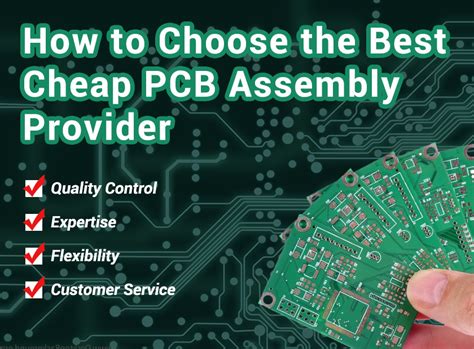
The Role of Prototype PCBs in Electronics Development
In the realm of electronics development, prototype printed circuit boards (PCBs) play a pivotal role in transforming conceptual designs into tangible, functional products. These prototypes serve as the foundational step in the iterative process of electronic design, allowing engineers and developers to test, refine, and perfect their creations before mass production. Understanding the significance of prototype PCBs requires an appreciation of their function, benefits, and the meticulous process involved in their creation.
Prototype PCBs are essentially preliminary versions of a circuit board, crafted to evaluate the design’s feasibility and performance.
They are instrumental in identifying potential flaws and areas for improvement, thus ensuring that the final product meets the desired specifications and quality standards. By providing a physical representation of the circuit design, prototype PCBs enable developers to conduct comprehensive testing and validation, which are crucial for detecting issues that may not be apparent in theoretical models or simulations.
The process of developing a prototype PCB begins with the design phase, where engineers use specialized software to create a schematic representation of the circuit.
This schematic is then translated into a layout, detailing the precise arrangement of components and the routing of electrical connections. Once the design is finalized, the prototype PCB is fabricated using various materials and techniques, depending on the complexity and requirements of the project. This fabrication process often involves etching copper-clad boards, applying solder masks, and drilling holes for component placement.
One of the primary advantages of using prototype PCBs is the ability to conduct real-world testing and experimentation.
By assembling the components onto the prototype board, developers can observe the circuit’s behavior under actual operating conditions. This hands-on approach allows for the identification of design flaws, such as incorrect component placement, inadequate trace routing, or insufficient power distribution. Consequently, developers can make informed adjustments to the design, thereby enhancing the overall performance and reliability of the final product.
Moreover, prototype PCBs facilitate communication and collaboration among team members and stakeholders.
By providing a tangible representation of the design, these prototypes serve as a valuable tool for discussions and presentations, enabling clearer communication of ideas and concepts. This collaborative aspect is particularly beneficial in complex projects involving multidisciplinary teams, where effective communication is essential for aligning objectives and ensuring a cohesive development process.
In addition to their role in testing and communication, prototype PCBs also contribute to cost efficiency in electronics development.
By identifying and addressing design issues early in the development cycle, companies can avoid costly revisions and rework during the production phase. This proactive approach not only reduces the risk of financial loss but also accelerates the time-to-market for new products, providing a competitive edge in the fast-paced electronics industry.
In conclusion, prototype PCBs are an indispensable component of the electronics development process, offering a practical means of testing, refining, and validating circuit designs. Through their ability to reveal design flaws, facilitate collaboration, and enhance cost efficiency, these prototypes ensure that the final product is both functional and reliable. As technology continues to advance, the role of prototype PCBs in electronics development will undoubtedly remain crucial, driving innovation and excellence in the creation of cutting-edge electronic devices.

Prototype PCB vs. Production PCB: Defining the Differences
In the realm of electronics, the distinction between prototype printed circuit boards (PCBs) and production PCBs is crucial for engineers and designers. Understanding these differences is essential for anyone involved in the development and manufacturing of electronic devices. A prototype PCB serves as an initial model used to test and validate the design of an electronic circuit. It is typically produced in small quantities and is intended to identify any potential issues or improvements before mass production. On the other hand, a production PCB is the final version that is manufactured in large volumes for commercial use.
To begin with, the primary purpose of a prototype PCB is experimentation and validation.
During the design phase, engineers use prototype PCBs to test the functionality of their circuits, ensuring that the design meets the required specifications. This stage is critical because it allows for the identification of design flaws, which can be rectified before moving to the production phase. In contrast, production PCBs are manufactured after the design has been thoroughly tested and validated. They are intended for end-use in consumer products, where reliability and consistency are paramount.
Moreover, the manufacturing process for prototype PCBs is often more flexible and less stringent than that of production PCBs.
Prototype PCBs are usually produced using rapid prototyping techniques, which allow for quick iterations and modifications. This flexibility is essential during the development phase, as it enables designers to make necessary adjustments without incurring significant costs. Conversely, production PCBs require a more rigid manufacturing process to ensure uniformity and quality across large quantities. This often involves more stringent quality control measures and adherence to industry standards.
Another key difference lies in the materials and components used.
Prototype PCBs may utilize less expensive materials and components to keep costs down during the testing phase. This is because the primary goal is to evaluate the design rather than the durability of the materials. In contrast, production PCBs are made with high-quality materials and components to ensure longevity and reliability in the final product. The choice of materials can significantly impact the performance and lifespan of the electronic device, making it a critical consideration during the production phase.
Furthermore, the cost implications between prototype and production PCBs are noteworthy.
Prototype PCBs are generally more expensive on a per-unit basis due to the small quantities produced and the need for rapid prototyping techniques. However, this cost is justified by the invaluable insights gained during the testing phase, which can prevent costly errors in mass production. On the other hand, production PCBs benefit from economies of scale, resulting in a lower cost per unit when manufactured in large volumes. This cost efficiency is crucial for commercial viability and competitiveness in the market.
In conclusion, while both prototype and production PCBs play vital roles in the development of electronic devices, they serve distinct purposes and require different approaches. Prototype PCBs are essential for testing and refining designs, offering flexibility and adaptability during the development phase. In contrast, production PCBs focus on consistency, quality, and cost-efficiency, ensuring that the final product meets industry standards and consumer expectations. Understanding these differences is fundamental for engineers and designers as they navigate the complex process of bringing electronic innovations to life.