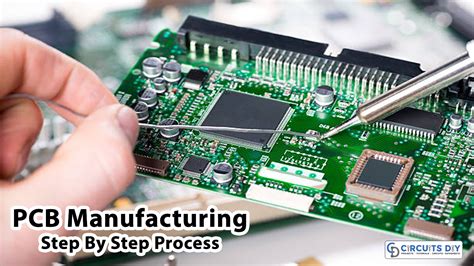
Rapid Prototype PCB Makers: Low-Cost Small-Batch Solutions
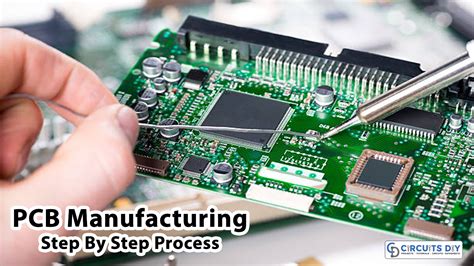
Key Takeaways
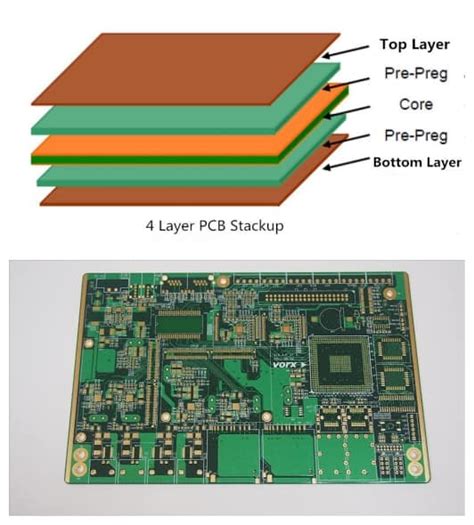
When navigating the world of PCB manufacturing, understanding core considerations ensures you balance speed, quality, and affordability. First and foremost, rapid prototyping isn’t just about speed—it’s about finding PCB manufacturing companies that specialize in low-cost small-batch solutions without compromising technical precision. For projects requiring 1-5 units, focus on suppliers offering transparent PCB manufacturing cost structures, including material choices (like FR-4 or flexible substrates) and layer count adjustments that impact pricing.
Another critical aspect is evaluating turnaround times. While 24-hour assembly services exist, verify whether they align with your design complexity. Some PCB manufacturing business models prioritize speed for simple designs but may charge premiums for multilayer boards or advanced finishes. Use design software comparisons to identify tools that generate clean Gerber files, reducing back-and-forth revisions and accelerating production timelines.
When exploring options, prioritize vendors with clear communication channels and proven expertise in prototype PCB fabrication. Ask about their quality certifications (e.g., ISO 9001) and whether they provide design-for-manufacturability (DFM) feedback to avoid costly errors. For hobbyists and startups, budget-friendly assembly often hinges on opting for partial turns (where you handle component sourcing) or leveraging shared panelization to minimize waste.
Ultimately, your choice of PCB maker should reflect both immediate project needs and long-term scalability. Compare quotes across 3-5 suppliers, scrutinizing hidden fees like setup charges or expedited shipping. By aligning your priorities with a manufacturer’s strengths, you’ll transform PCB manufacturing cost from a hurdle into a strategic advantage for iterative development.
Rapid PCB Prototyping Costs Under 100
When exploring PCB manufacturing for prototypes, staying under a $100 budget requires balancing material choices, turnaround times, and supplier capabilities. Many PCB manufacturing companies now specialize in low-cost, small-batch production, leveraging economies of scale to reduce PCB manufacturing cost for projects requiring just 1-5 units.
For simple designs (1-2 layers), costs typically range between $50–$90 for basic FR-4 boards, with factors like surface finish (HASL vs. ENIG) and board thickness (1.6mm vs. 0.8mm) influencing pricing. Below is a breakdown of common cost drivers:
| Cost Factor | Price Range (Under $100) | Impact on Prototype |
|---|---|---|
| Layer Count (1-2 layers) | $10–$25 | High |
| Board Size (<100cm²) | $5–$15 | Moderate |
| Turnaround (24–72 hrs) | $20–$40 | Variable |
| Surface Finish | $10–$30 | Low |
To optimize expenses, prioritize manufacturers offering fixed pricing models for prototypes. Some PCB manufacturing business providers include free DFM (Design for Manufacturability) checks, helping you avoid redesign fees. For example, selecting a 1.6mm FR-4 board with HASL finish instead of ENIG can save $15–$20 per order.
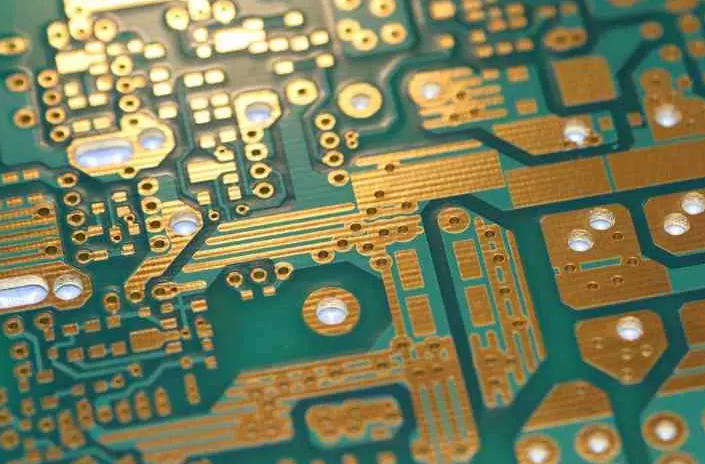
Design complexity also plays a role: using standard drill sizes (0.3mm+) and avoiding ultra-fine traces (<6 mil) reduces PCB manufacturing cost significantly. If your project requires faster iterations, consider suppliers with tiered pricing—$85 for 48-hour service vs. $60 for 5-day delivery. Always verify if the quoted price includes shipping or tooling fees, as these can push costs beyond $100 unexpectedly.
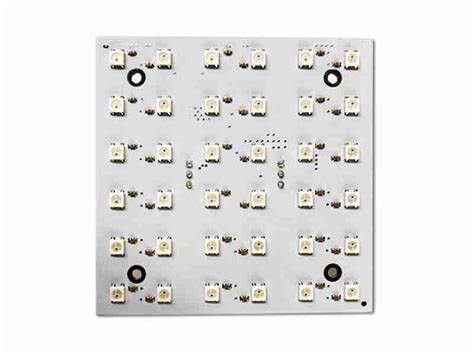
By aligning your design parameters with budget-friendly PCB manufacturing practices, you can achieve functional prototypes without compromising quality—even for advanced applications like IoT sensors or LED arrays.
24-Hour Turnaround PCB Assembly Services
When time-sensitive projects demand quick iterations, PCB manufacturing companies offering 24-hour assembly services become indispensable. These providers specialize in compressing production timelines without compromising quality, making them ideal for prototyping or urgent revisions. By leveraging automated workflows and pre-stocked materials, they eliminate bottlenecks that typically delay traditional PCB manufacturing processes.
For small-batch orders (1–5 units), expedited services often include streamlined design reviews to catch errors early, reducing the risk of costly reworks. While PCB manufacturing cost rises slightly for ultra-fast turnarounds, the trade-off is justified when meeting tight deadlines is critical. For example, some suppliers use modular pricing models, where you pay a premium for 24-hour assembly but save on setup fees for micro-batches.
Tip: Always verify if your design files meet the manufacturer’s guidelines (e.g., drill sizes, copper spacing) before submitting. Even minor errors can derail rapid turnaround promises.
A key advantage of partnering with agile PCB manufacturing business operators is their ability to synchronize with your design software. Many support direct file imports from tools like KiCad or Altium, slashing preprocessing time. Providers like Andwin PCBA further enhance speed by offering real-time DFM (Design for Manufacturability) checks, flagging potential issues within hours of submission.
However, not all rapid services are equal. Scrutinize whether quoted timelines include shipping or apply only to production phases. Some companies advertise “24-hour turnaround” but exclude logistics, while others offer end-to-end expedited delivery for a bundled fee. Clarifying these details ensures you avoid surprises and align expectations with project milestones.
By balancing PCB manufacturing cost and speed, these services empower innovators to test concepts rapidly, iterate designs, and accelerate product launches—all while maintaining control over budgets for small-scale projects.
Top Low-Volume PCB Makers for Hobbyists
When starting a DIY electronics project, finding PCB manufacturing companies that cater to small batches without inflating PCB manufacturing cost is crucial. For hobbyists working with 1-5 unit orders, specialized providers offer tailored solutions that balance affordability and quality. Companies like PCBWay, JLCPCB, and OSH Park stand out for their hobbyist-friendly pricing models, often charging under \$100 for basic two-layer prototypes.
These PCB manufacturing services typically support standard design files (Gerber, Eagle, KiCad) and provide instant quoting tools to streamline ordering. JLCPCB, for instance, offers a \$2 base price for 10x10cm boards with 24-hour turnaround options—ideal for testing circuit designs quickly. What makes these providers particularly appealing is their transparency in PCB manufacturing business practices, including clear breakdowns of layer-based pricing and material choices.
When evaluating options, prioritize platforms that offer free DFM (Design for Manufacturability) checks. This feature helps catch errors in trace spacing or drill sizes before production, saving you from costly redesigns. Some services even bundle low-cost assembly for simple SMT components, though this varies by provider.
Cost-saving strategies matter: opting for green solder mask instead of specialty colors or choosing 1.6mm board thickness can reduce expenses by 15-30%. However, always verify if your chosen PCB manufacturing partner supports flexible order increments—some allow adding single boards to existing batches for minimal fees.
Finally, check community forums for user experiences. Many hobbyists share detailed cost comparisons and reliability reports, helping you avoid hidden fees or quality issues. By aligning your project’s complexity with a provider’s specialty (e.g., RF-focused vs. basic analog boards), you’ll maximize value without compromising on functionality.
Affordable 1-5 Unit PCB Batch Solutions
When exploring pcb manufacturing options for prototypes or niche projects, securing cost-effective solutions for tiny batches can feel challenging. Traditional pcb manufacturing companies often impose high setup fees or minimum order quantities, but specialized providers now cater to pcb manufacturing cost efficiency for 1-5 unit orders. By leveraging shared panelization techniques and standardized material choices, these suppliers reduce per-board expenses without compromising quality—ideal for testing designs or limited-run innovations.
Many providers optimize pricing by automating design checks and offering pre-configured layer stacks. For instance, opting for standardized FR-4 substrates instead of exotic materials can slash pcb manufacturing business overheads by up to 40%. You’ll also find tiered pricing models where ordering 5 boards costs marginally more than a single unit, making small batches economically viable. Critical factors include design complexity (fewer layers lower costs) and turnaround flexibility—prioritizing basic shipping over expedited services further trims budgets.
When comparing pcb manufacturing partners, scrutinize their fee structures. Some companies bundle prototyping with free DFM (Design for Manufacturability) analysis, catching errors early to avoid costly revisions. Others offer modular pricing, letting you pay only for essential services like solder mask application or silkscreen labeling. For ultra-tight budgets, consider bare-board fabrication without assembly, then handle component soldering in-house or through separate contractors.
A key advantage of modern pcb manufacturing companies is their scalability. The same processes that deliver 5 units today can seamlessly transition to larger batches later, ensuring consistency across production phases. Always verify if quoted prices include tooling charges—reputable suppliers often waive these for prototype orders, keeping your pcb manufacturing cost below $100 even for 2-layer boards.
By aligning design choices with supplier capabilities and leveraging economies of scale through shared production runs, you gain access to professional-grade pcb manufacturing business solutions without the traditional bulk-order constraints.
Quick-Turn PCB Design Software Comparisons
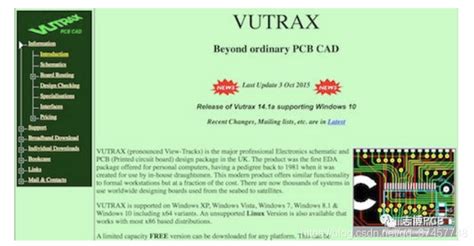
When selecting design tools for rapid prototyping, you need software that balances intuitive workflows with manufacturing-ready outputs. Efficiency becomes critical when working with pcb manufacturing companies that specialize in 24-hour turnarounds, as even minor design errors can delay production. Free platforms like KiCad and Eagle offer basic schematic capture and layout tools ideal for hobbyists, but their limited auto-routing features might increase pcb manufacturing cost if manual adjustments are required.
For complex designs, premium tools like Altium Designer or Fusion 360 streamline the process with advanced design rule checks (DRCs) and real-time collaboration. These programs reduce the risk of mismatched trace widths or insufficient clearances—common issues that force pcb manufacturing business partners to reject files. Many low-volume suppliers now provide custom design templates optimized for their fabrication processes, which you can import directly into your software to avoid compatibility hiccups.
If cost is a priority, consider browser-based options like EasyEDA, which integrates component libraries from major distributors and auto-generates Gerber files. This eliminates format conversion errors, a frequent pain point when submitting orders to pcb manufacturing services. However, verify whether your chosen tool supports panelization for multi-board projects, as some budget-friendly platforms lack this feature, leading to higher per-unit fees in small batches.
Finally, always cross-check your design’s drill files and copper pour settings against your manufacturer’s specifications. Tools like PCBWay’s DFM Analyzer plug-in can automate this step, bridging the gap between software output and factory requirements. By aligning your design environment with your pcb manufacturing companies’ capabilities, you ensure faster revisions and fewer cost overruns—key factors in maintaining agility for 1–5 unit prototypes.
Budget-Friendly Small-Batch PCB Assembly
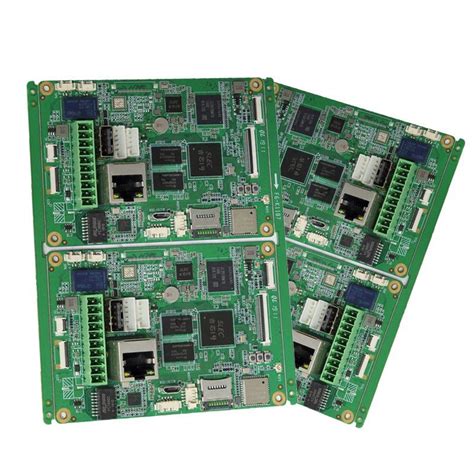
When working on projects requiring PCB manufacturing for prototypes or limited-run builds, balancing quality and affordability becomes critical. For small batches of 1–5 units, many PCB manufacturing companies now offer tailored pricing models that reduce PCB manufacturing cost by optimizing material usage and minimizing setup fees. Instead of paying premium rates designed for mass production, you can leverage economies of scale through shared panelization—a technique where multiple designs are grouped on a single board to lower per-unit expenses.
Selecting the right partner involves evaluating their expertise in handling low-volume orders. Look for suppliers that provide transparent breakdowns of PCB manufacturing business expenses, including solder mask options, surface finishes, and testing protocols. For instance, opting for lead-free HASL (Hot Air Solder Leveling) over gold plating can cut material costs by up to 30% without compromising functionality for most prototyping needs. Additionally, some manufacturers offer modular assembly services, allowing you to choose between partial or full PCB population based on your budget.
Time-sensitive projects benefit from vendors with express engineering reviews and automated quoting systems. These tools help avoid delays in design validation, ensuring your files meet manufacturing specifications before production begins. To further control costs, consider using open-source PCB design software like KiCad or Eagle, which reduces licensing fees and integrates seamlessly with most fabricators’ requirements.
Finally, always clarify hidden charges—such as tooling fees or expedited shipping—that might inflate your total PCB manufacturing cost. Reputable PCB manufacturing companies often provide tiered pricing for small batches, with discounts for repeat orders or flexible payment terms. By prioritizing suppliers that specialize in low-volume agility, you can achieve professional-grade results without overspending, even for complex multi-layer designs.
How to Choose Rapid Prototype PCB Suppliers
When selecting a supplier for PCB manufacturing projects, start by evaluating their technical capabilities against your design requirements. High-quality rapid prototyping demands expertise in handling complex layouts, material compatibility, and precision tolerances. Prioritize PCB manufacturing companies with verifiable certifications like ISO 9001 or IPC standards, which signal adherence to industry benchmarks for reliability.
Next, analyze PCB manufacturing cost structures to avoid hidden fees. Many providers offer tiered pricing for 1–5 unit batches, but ensure quotes include tooling, material, and testing expenses. Request detailed breakdowns and compare them across at least three suppliers—this reveals whether you’re paying for unnecessary extras or missing critical services. For budget-conscious projects, consider vendors offering shared panelization to reduce material waste.
Turnaround time is another critical factor. While 24-hour services exist, confirm whether they apply to your specific design complexity or material choice. Some PCB manufacturing business models prioritize speed for simple prototypes but struggle with advanced requirements like HDI boards or flexible substrates. Always verify lead times for your exact specifications before committing.
Don’t overlook communication and support. Suppliers should provide clear design-for-manufacturing (DFM) feedback to prevent costly revisions. Look for companies with dedicated engineering teams who proactively identify issues in your Gerber files or assembly plans. Platforms offering real-time order tracking and responsive customer service minimize delays in fast-paced prototyping cycles.
Finally, review supplier scalability. Even if you need small batches now, partnering with a PCB manufacturing partner capable of scaling to mid-volume runs ensures continuity as your project evolves. Check if they offer seamless transitions from prototyping to full production, including component sourcing and quality assurance processes. By balancing expertise, cost, and flexibility, you’ll secure a supplier that aligns with both immediate needs and long-term goals.
PCB Maker Price Guides for Prototype Projects
When budgeting for PCB manufacturing projects, understanding cost structures is critical—especially for prototypes requiring precision and quick iterations. Most PCB manufacturing companies structure pricing based on board complexity, material selection, and turnaround time. For example, a 2-layer FR4 board with standard finishes might cost as low as $10 per unit for a 5-piece batch, while high-frequency materials or 6+ layers can push prices upward of $100 per board.
Key factors influencing PCB manufacturing cost include:
- Layer count: Each additional layer increases material and processing expenses by 20–40%.
- Surface finish: ENIG (Electroless Nickel Immersion Gold) adds 15–25% to the base cost compared to HASL.
- Turnaround speed: 24-hour services often carry a 30–50% premium over standard 5-day production.
To optimize spending, compare quotes from PCB manufacturing business providers that specialize in low-volume orders. Some suppliers offer tiered pricing, where per-unit costs drop significantly at 10+ pieces—even if you only need 1–5 units immediately. Tools like online calculators or instant quoting platforms let you simulate costs for different configurations, helping balance speed and budget.
Be wary of hidden fees. Some companies charge extra for design file reviews, solder mask colors beyond green, or expedited shipping. Always clarify whether PCB manufacturing quotes include testing (like flying probe or AOI) or require separate fees. Prototype-focused suppliers often bundle these services to simplify pricing, making them ideal for hobbyists and startups.
Finally, consider long-term partnerships. If your project scales, working with a single PCB manufacturing company can unlock volume discounts or priority scheduling for future batches—turning your prototype investment into a cost-efficient production pipeline.
Conclusion
Navigating the world of PCB manufacturing requires balancing speed, cost, and quality—especially when prototyping. As you finalize your decision, remember that low-volume production doesn’t have to mean compromising on reliability. Leading PCB manufacturing companies now prioritize agile workflows, enabling you to test designs with 1-5 units without overspending. By understanding PCB manufacturing cost drivers—such as material choices, layer counts, and turnaround times—you can optimize budgets while maintaining performance.
When evaluating PCB manufacturing companies, prioritize those offering transparent pricing models and real-time project tracking. This approach ensures you avoid hidden fees and delays, which are critical for iterative design processes. Many providers now integrate PCB manufacturing services with cloud-based design tools, streamlining file submissions and reducing revision cycles.
For startups and hobbyists, the rise of specialized PCB manufacturing business models has democratized access to professional-grade prototyping. Look for partners who bundle assembly services with fabrication—this not only cuts PCB manufacturing cost but also accelerates time-to-market. Always verify certifications like ISO 9001 or UL listings to guarantee compliance, even for small batches.
Ultimately, the right partner bridges the gap between concept and reality. Whether you’re iterating a wearable tech prototype or refining an IoT sensor, aligning with a PCB manufacturing expert who understands scalability ensures seamless transitions from development to mass production. By leveraging modern solutions, your project gains the flexibility to evolve without exceeding budgetary constraints—a cornerstone of sustainable innovation in today’s fast-paced tech landscape.
Frequently Asked Questions
How quickly can I get prototype PCBs manufactured?
Most specialized PCB manufacturing companies offer 24-48 hour turnaround for 1-5 unit batches, though exact timelines depend on design complexity. Some suppliers prioritize low-cost rapid prototyping by using pre-stocked materials or automated fabrication processes.
What drives pcb manufacturing cost for small batches?
Costs are influenced by layer count, material type, and surface finish. For prototypes under 100 units, setup fees often account for 30-50% of total expenses. Optimizing panelization and avoiding oversized boards can reduce pcb manufacturing business overheads by up to 25%.
How do I verify a PCB maker’s reliability?
Check certifications like ISO 9001 and IPC-A-600 standards. Reputable pcb manufacturing providers share design-for-manufacturing (DFM) reports upfront and offer transparent pricing breakdowns. Look for reviews highlighting their consistency in meeting tight deadlines for hobbyist-scale projects.
Can I order assembled prototypes with components?
Yes—many suppliers now bundle turnkey assembly with fabrication. Confirm whether they support your preferred component sourcing model (customer-provided or consignment). For budgets under $200, opt for partial assembly of critical circuits to balance pcb manufacturing cost and functionality.
Are there hidden fees in low-volume PCB services?
Some companies charge extra for UL certification, impedance testing, or expedited shipping. Always request a detailed quote that separates prototyping fees from ancillary services. Top pcb manufacturing companies disclose these costs during initial quoting to avoid surprises.
Ready to Launch Your Prototype?
Explore tailored solutions for your small-batch needs at Andwin PCB’s Manufacturing Portal. Click here to request instant pricing and design compatibility checks for your next project.