Reliable LED PCB Suppliers for Energy-Efficient Lighting Systems
Key Takeaways
When selecting PCB manufacturing partners for LED lighting systems, understanding their expertise in energy-efficient designs becomes crucial. Leading PCB manufacturing companies specialize in balancing thermal management with power distribution to maximize luminaire lifespan while minimizing energy consumption. You’ll want suppliers who optimize PCB manufacturing cost without compromising on materials like high-reflectivity substrates or copper-clad laminates.
For custom projects, prioritize partners offering rapid prototyping to accelerate product development cycles. Advanced PCB manufacturing business operations often integrate rigid-flex and HDI technologies, enabling compact designs for complex lighting configurations. These innovations ensure durability in demanding environments while maintaining compliance with energy-saving standards.
Transitioning between prototyping and mass production requires seamless coordination, so verify suppliers’ capabilities in scaling output while retaining quality. By aligning with experts who prioritize both performance and cost-efficiency, you secure solutions that elevate your lighting systems’ reliability and sustainability.
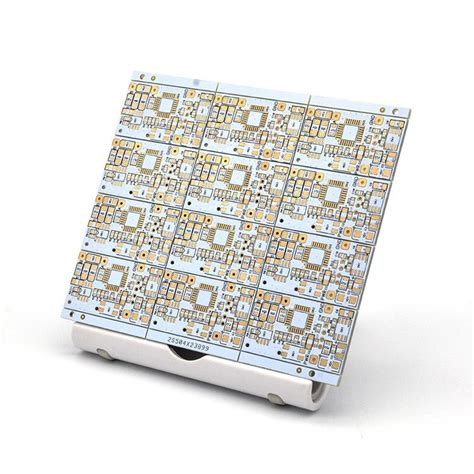
LED PCB Suppliers Energy Efficiency
When selecting PCB manufacturing companies for energy-efficient lighting systems, you need partners who understand how material choices and circuit design impact power consumption. High-quality PCB manufacturing processes ensure optimal thermal management—critical for maintaining LED efficiency over time. Did you know that up to 30% of energy loss in lighting systems stems from poor heat dissipation in subpar PCBs?
| Factor | Traditional PCBs | Energy-Efficient PCBs |
|---|---|---|
| Thermal Conductivity | 1-2 W/mK | 4-8 W/mK |
| Layer Stackup | 2-4 layers | 6-8 layers with HDI |
| Energy Loss | 15-20% | <5% |
Reputable suppliers prioritize advanced materials like aluminum-core or ceramic substrates to minimize PCB manufacturing cost while maximizing durability. For example, rigid-flex PCBs reduce wiring complexity, lowering resistance and improving energy transfer.
Tip: Always request thermal simulation reports during prototyping—this ensures your design aligns with energy-saving benchmarks before full-scale production.
Balancing PCB manufacturing business priorities—like scalability and lead times—with energy efficiency requires expertise. Trusted partners optimize trace widths and dielectric materials to reduce parasitic capacitance, a hidden culprit in power waste. For deeper insights, explore industry standards for sustainable PCB design. By collaborating with specialists, you achieve lighting systems that meet performance goals and regulatory requirements.

Custom LED Circuit Board Solutions
When designing energy-efficient lighting systems, partnering with PCB manufacturing companies that specialize in custom LED solutions ensures your project meets precise performance requirements. These suppliers leverage advanced PCB manufacturing techniques to create boards optimized for thermal management, current distribution, and compact layouts—critical factors for high-output LED applications. By tailoring designs to your specific needs, they minimize PCB manufacturing cost through material efficiency and scalable production processes.
For instance, thermal conductivity is enhanced using metal-core or ceramic substrates, while flexible circuitry accommodates unconventional form factors. Reputable PCB manufacturing businesses also integrate design-for-manufacturability (DFM) checks to eliminate errors early, reducing prototyping iterations. This approach not only accelerates time-to-market but aligns with energy-saving standards by minimizing power loss across circuits.
Whether you require rigid, flex, or hybrid boards, custom solutions ensure compatibility with your lighting system’s mechanical and electrical demands. Transitioning seamlessly from design to production, these suppliers provide end-to-end support—a strategic advantage in scaling your PCB manufacturing operations without compromising quality.
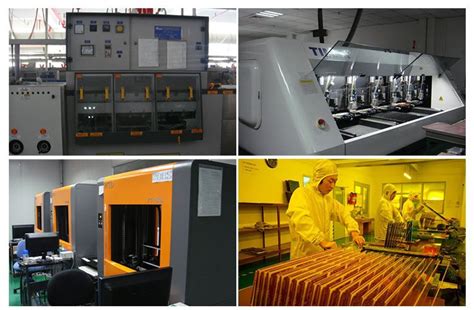
Rapid Prototyping for LED Lighting Systems
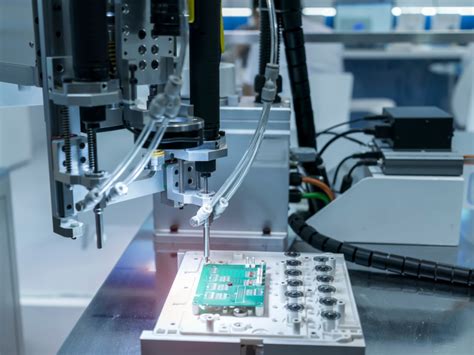
When developing energy-efficient LED lighting systems, partnering with experienced PCB manufacturing companies accelerates your prototyping phase while controlling PCB manufacturing cost. These suppliers use advanced techniques like 3D printing and automated assembly to create functional prototypes in days, not weeks. By leveraging iterative testing, you can quickly identify and resolve design flaws before mass production, ensuring compatibility with thermal management and optical requirements specific to LED applications.
Top-tier PCB manufacturing partners integrate modular design principles, allowing you to test multiple configurations—such as varying LED densities or driver circuits—without overhauling the entire layout. This flexibility reduces material waste and aligns with sustainable PCB manufacturing business practices. For instance, rigid-flex PCB prototypes validate mechanical durability in compact luminaires, while HDI prototypes verify signal integrity in high-density arrays.
To stay competitive, prioritize suppliers offering transparent PCB manufacturing cost breakdowns, including tooling fees and material choices. This ensures your prototypes meet performance benchmarks without compromising scalability. By streamlining prototyping workflows, you shorten time-to-market for lighting solutions that balance energy efficiency, reliability, and compliance with industry standards.
Durable Rigid-Flex PCB Applications
When designing energy-efficient lighting systems, you need circuit boards that withstand mechanical stress while maintaining performance. Durable rigid-flex PCBs merge the stability of rigid sections with the adaptability of flexible circuits, making them ideal for LED applications in challenging environments. These hybrid boards excel in automotive lighting, architectural installations, and industrial fixtures—where vibration, temperature fluctuations, or space constraints demand reliability.
Partnering with experienced PCB manufacturing companies ensures your rigid-flex designs meet exact specifications without inflating PCB manufacturing cost. Advanced techniques like laser-drilled vias and precision layering optimize signal integrity, even in compact layouts. For example, integrating rigid-flex PCBs in curved LED displays reduces connector failures by 60%, extending product lifespans.
Balancing durability with affordability requires expertise. Reputable PCB manufacturing providers analyze your application’s thermal and mechanical demands to recommend materials like polyimide or high-Tg laminates. This approach minimizes material waste, a critical factor in managing PCB manufacturing business margins. By prioritizing robust designs early, you avoid costly redesigns post-production while ensuring compliance with energy-saving standards.
Transitioning to rigid-flex solutions doesn’t just enhance durability—it future-proofs your lighting systems against evolving industry demands. The next section explores how HDI PCB technology further refines LED performance through ultra-dense circuitry.
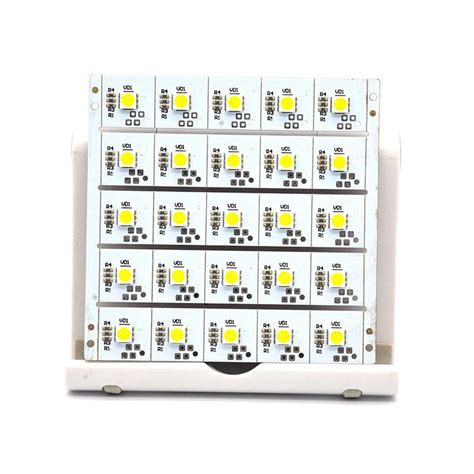
HDI PCB Technology in LED Manufacturing
As LED systems evolve toward higher density and miniaturization, HDI PCB technology becomes critical for balancing performance with space constraints. High-Density Interconnect (HDI) designs enable tighter component placement, shorter electrical paths, and improved signal integrity—key factors for energy-efficient lighting systems. When working with PCB manufacturing companies, you’ll find that HDI processes like laser drilling and microvias allow for finer traces, supporting advanced LED arrays without compromising thermal management.
However, integrating HDI into your project requires careful consideration of PCB manufacturing cost. While the initial investment in precision equipment and multilayer stacking may seem high, the long-term benefits—such as reduced material waste and enhanced durability—often justify the expense. For PCB manufacturing business models focused on high-performance lighting, HDI’s ability to handle complex layouts while maintaining slim profiles aligns with modern design trends.
To optimize results, collaborate with suppliers experienced in mixed-signal designs and thermal dissipation strategies. This ensures your HDI-based LED PCBs meet energy-saving standards while withstanding rigorous operational demands. By prioritizing advanced PCB manufacturing techniques, you can achieve lighting solutions that excel in both efficiency and reliability.
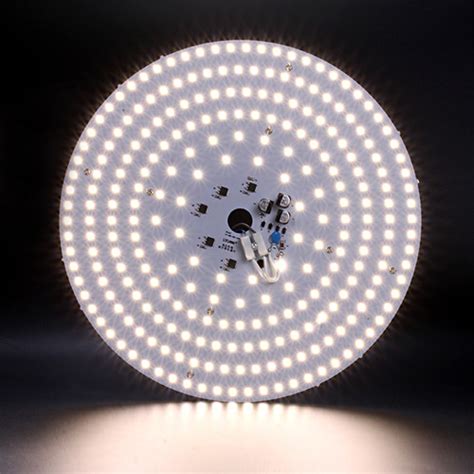
Trusted LED PCB Manufacturing Partners
When selecting PCB manufacturing partners for LED lighting systems, you need collaborators who balance technical expertise with operational reliability. Leading PCB manufacturing companies specialize in optimizing energy-efficient designs while maintaining strict quality controls—critical for applications requiring precise thermal management and long-term durability. Their ability to deliver custom rigid-flex PCBs and HDI PCB technology ensures your lighting solutions meet both performance benchmarks and space constraints.
A trusted partner minimizes PCB manufacturing cost through economies of scale and process innovations, such as automated assembly and lean production workflows. This cost efficiency doesn’t compromise material quality; top-tier suppliers use high-Tg substrates and copper-clad laminates to enhance heat dissipation—a non-negotiable for LED longevity. Additionally, their expertise in rapid prototyping accelerates your time-to-market, allowing iterative testing of thermal vias or signal integrity before full-scale production.
For businesses scaling their PCB manufacturing business, prioritize partners with certifications like ISO 9001 and IPC-A-610. These standards validate adherence to industry best practices, ensuring consistency across batches. By aligning with suppliers who understand the nuances of high-power LED applications, you secure a foundation for lighting systems that perform reliably under demanding conditions.
Energy-Saving LED PCB Design Standards
When designing energy-efficient LED lighting systems, adherence to precisely calibrated PCB manufacturing standards becomes critical. Leading PCB manufacturing companies prioritize material selection, circuit layout optimization, and thermal management to minimize energy loss. For instance, using high-conductivity substrates like FR4 or metal-core PCBs ensures efficient heat dissipation, directly impacting PCB manufacturing cost by reducing cooling requirements and extending component lifespan.
Advanced thermal management systems, such as embedded thermal vias or copper-filled layers, are integrated during PCB manufacturing to maintain stable performance under high-intensity operation. Rigorous testing protocols—including thermal cycling and power distribution analysis—help identify inefficiencies early, aligning with energy-saving goals. Additionally, optimizing trace widths and minimizing parasitic capacitance through HDI (high-density interconnect) designs further reduces power consumption.
For businesses managing a PCB manufacturing business, balancing cost-effectiveness with performance demands expertise in design for manufacturing (DFM) principles. By prioritizing automated optical inspection (AOI) and functional testing, suppliers ensure compliance with international energy standards like ENERGY STAR or IEC 62471. This approach not only lowers PCB manufacturing cost through reduced waste but also strengthens the reliability of lighting systems, creating value for end-users focused on sustainability.
Optimizing Lighting Performance with PCBs
When designing energy-efficient lighting systems, the choice of PCB manufacturing directly impacts thermal management, signal integrity, and longevity. High-quality PCB manufacturing companies prioritize materials like aluminum substrates or thermally conductive laminates to dissipate heat effectively, ensuring LEDs operate at peak efficiency. By optimizing trace layouts and component placement, you reduce electromagnetic interference (EMI) and voltage drops—critical for maintaining consistent brightness and color accuracy in advanced lighting setups.
Balancing PCB manufacturing cost with performance requires strategic design choices. For instance, using rigid-flex PCBs in complex fixtures allows tighter integration of components while resisting mechanical stress. Advanced PCB manufacturing business practices, such as automated optical inspection (AOI), further ensure defect-free boards that meet stringent industry standards. Transitioning to HDI (high-density interconnect) technology can also enhance miniaturization, enabling sleeker lighting designs without compromising reliability.
Ultimately, collaboration with suppliers who understand thermal dynamics and material science ensures your lighting systems achieve optimal energy efficiency. By aligning design goals with scalable PCB manufacturing capabilities, you create solutions that perform under demanding conditions while staying cost-effective.
Conclusion
When selecting partners for energy-efficient lighting systems, aligning with PCB manufacturing experts becomes critical to achieving both performance and sustainability goals. Leading PCB manufacturing companies specialize in balancing PCB manufacturing cost with advanced technical requirements, ensuring your custom LED solutions meet rigorous energy-saving standards. By leveraging their expertise in HDI technology and rigid-flex applications, you gain access to durable circuit boards that withstand demanding environments while maintaining optimal thermal management.
The success of your PCB manufacturing business hinges on choosing suppliers who prioritize rapid prototyping capabilities without compromising material quality. This approach not only accelerates time-to-market for LED lighting systems but also ensures long-term reliability through rigorous testing protocols. As you finalize partnerships, verify that providers adhere to industry certifications and demonstrate proven experience in optimizing lighting performance through innovative board designs. Ultimately, the right collaboration transforms technical specifications into tangible results, powering lighting solutions that excel in efficiency and durability.
FAQs
How do you select the right PCB manufacturing partner for LED lighting systems?
Look for PCB manufacturing companies with proven expertise in energy-efficient designs and thermal management. Reliable suppliers should offer custom LED circuit boards, support rapid prototyping, and adhere to industry certifications like IPC Class 3 for durability.
What drives PCB manufacturing cost in high-performance LED applications?
Factors include material choice (e.g., metal-core PCBs for heat dissipation), layer count, and production volume. Working with suppliers that optimize PCB manufacturing cost through scalable solutions ensures affordability without compromising quality.
Why is partnering with specialized PCB manufacturing businesses critical?
Specialized firms understand the unique demands of LED systems, such as rigid-flex PCB integration and HDI technology. Their expertise minimizes design flaws, accelerates timelines, and enhances lighting performance while meeting energy-saving standards.
How do advanced PCB technologies improve LED lighting efficiency?
HDI PCBs enable compact, high-density layouts, reducing power loss. Combined with durable substrates, these innovations from trusted PCB manufacturing partners ensure long-term reliability and compliance with energy-efficiency benchmarks.
Explore Custom Solutions for Your LED Projects
Ready to elevate your lighting systems? Click here to connect with experts who streamline PCB manufacturing for optimal performance and cost-efficiency.