Revolutionizing Design: The Ultimate Guide to Choosing the Best Electronic Board Maker
Key Takeaways
Selecting a pcb manufacturing partner is a crucial step in ensuring the success of your electronic projects. As you navigate through various pcb manufacturing companies, it is essential to focus on several key aspects that can greatly impact your end results. First, consider the production capacity of the manufacturer. Whether you are looking for small-batch production or planning for a large-scale run, understanding their capabilities will help you avoid future bottlenecks. Additionally, turnaround times are vital; delays can derail your project timelines, so prioritize manufacturers that offer reliable speed without sacrificing quality.
Equally important in this process is to look for manufacturers with recognized quality certifications. These certifications serve as a reassurance of their commitment to producing quality PCBs and can significantly affect the pcb manufacturing cost depending on the materials and processes used. Moreover, innovation in electronic board production should not be overlooked. Modern technologies can enhance efficiency and offer advanced features that may be necessary for your designs.
In comparing costs, evaluate what each manufacturer offers concerning both price and quality. Sometimes, opting for the lowest bidder can lead to higher costs in terms of time and resources later on. As you weigh your options between prototyping and large-scale production, keep in mind how each manufacturer manages both aspects; this could play a pivotal role in improving your overall workflow within your pcb manufacturing business. Equip yourself with this understanding so you can confidently make informed decisions that elevate your projects to new heights.
Introduction to Electronic Board Makers: An Overview
When embarking on a project that requires pcb manufacturing, understanding the landscape of pcb manufacturing companies is crucial. Electronic board makers play a pivotal role in the development of modern technology, providing the essential components that drive innovation. Whether you are designing a simple circuit or a complex device, choosing the right manufacturer can significantly impact your project’s success. You’ll need to evaluate various aspects, including pcb manufacturing cost, which can vary widely depending on the quality and capabilities of the manufacturer. When assessing your options, consider both technical proficiency and reputation; established pcb manufacturing companies often have proven track records for reliability and excellence.
“Selecting an electronic board maker is not just about cost; it’s about forging a partnership that enhances your project’s outcomes.”
By exploring different pcb manufacturing business options, you can find one that aligns with your specific needs, whether you’re looking for rapid prototyping or large-scale production. This foundational understanding leads to more informed decisions, empowering you to advance your projects with confidence and precision. In an ever-evolving technological landscape, being informed about potential partners will be one of your greatest assets. For an in-depth look at potential manufacturers, consider exploring Andwin PCB’s offerings.
Key Factors to Consider in Selecting a Manufacturer
When navigating the pcb manufacturing landscape, several key factors crucially influence your decision-making process. First, you should assess the production capacity of potential pcb manufacturing companies. A manufacturer that can handle projects of varying scales, from small-scale prototypes to large-volume orders, is often worth considering. Turnaround times are equally important; you need a supplier that can meet your deadlines without compromising on quality. Quality certifications such as ISO standards act as benchmarks for reliability and adherence to industry practices, ensuring that you receive superior products. Furthermore, understanding the innovations and technologies utilized by these companies can give you insights into their capability to produce cutting-edge designs efficiently. Also crucial is evaluating pcb manufacturing costs; ensuring you’re getting value for your investment is vital, but be cautious—settling for the lowest price could mean sacrificing quality. Lastly, be aware of differing capabilities between manufacturers who specialize in prototyping versus those focused on large-scale production; knowing this will help align your project requirements with the right partner in your pcb manufacturing business. By carefully weighing these factors, you’ll be well-equipped to choose a manufacturer that aligns with your project’s unique specifications and goals.
Evaluating Production Capacity and Turnaround Times
When considering pcb manufacturing, it’s essential to evaluate the production capacity and turnaround times of potential pcb manufacturing companies. Understanding the scale at which a manufacturer operates can help you align your project needs with their capabilities. For instance, if you’re in a hurry and your project requires rapid prototyping, you might prioritize manufacturers with shorter turnaround times. This is crucial if you need to meet tight deadlines or adjust designs based on testing feedback. Conversely, if your project is larger in scale, inquire about the manufacturer’s ability to handle extensive production runs without compromising quality.
In essence, the right pcb manufacturing business will strike a balance between efficiency and quality while providing transparent timelines for delivery. Be prepared to compare pcb manufacturing costs among various suppliers, taking into account how production capacity influences pricing structures. This holistic view of production capabilities will empower you to make an informed decision, tailoring your choice of partner to best suit your project’s goals and schedules.
Importance of Quality Certifications in Manufacturing
When selecting a partner in pcb manufacturing, understanding the significance of quality certifications is crucial. Quality certifications serve as an assurance that the pcb manufacturing companies adhere to established industry standards, which can greatly impact the reliability and performance of your final product. Without these certifications, you may face potential risks, including poor product quality, compliance issues, and even increased costs down the line. By choosing a manufacturer with recognized certifications, you can gain confidence in their capabilities and processes. Such credentials often reflect a commitment to excellent quality control systems and ongoing assessment procedures. This not only enhances your project’s credibility but also aligns with strategic goals in your pcb manufacturing business by minimizing defects and streamlining production efficiency. In essence, investing time to verify these certifications will ensure that you are making informed choices that ultimately benefit your project’s success while managing overall pcb manufacturing costs effectively.
Innovations and Technologies in Electronic Board Production
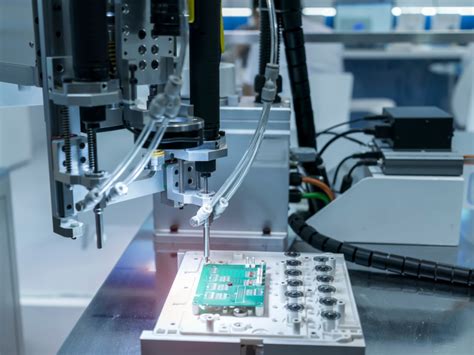
In today’s rapidly evolving landscape of pcb manufacturing, staying ahead of the curve requires a keen understanding of the latest innovations and technologies. As you delve into the realm of pcb manufacturing companies, consider how advancements such as automated assembly processes, advanced materials, and flexible circuits contribute to enhanced quality and efficiency. Modern pcb manufacturing methods often leverage automation to reduce labor costs and minimize the risk of human error, significantly impacting pcb manufacturing cost. Moreover, innovative materials such as high-frequency laminates are becoming increasingly popular, enabling boards to perform better in high-speed applications.
Additionally, the implementation of sophisticated design software not only improves accuracy in prototype production but also enhances collaboration among your design team. As you explore various pcb manufacturing businesses, pay attention to their investment in research and development (R&D) capabilities since companies that prioritize R&D often lead in providing cutting-edge solutions that can elevate your projects.
To help illustrate these trends, consider the following table that summarizes key technologies:
| Technology | Benefits |
|---|---|
| Automated Assembly Processes | Reduces labor costs and error rates |
| Advanced Materials | Enhances performance in high-speed applications |
| Flexible Circuits | Allows for innovative designs in constrained spaces |
| Advanced Design Software | Improves accuracy and facilitates team collaboration |
By understanding these innovations, you can make informed choices when selecting a manufacturer that aligns with your project requirements, enabling you to achieve optimal results while keeping costs manageable within your budget.
Cost Comparison: Finding Value Without Compromising Quality
When navigating the complex landscape of pcb manufacturing, understanding the pcb manufacturing cost is essential for any project. You want to ensure that you are getting the best possible value without sacrificing quality. Start by comparing different pcb manufacturing companies to see what they offer in terms of pricing and services. Look for transparent pricing models that outline costs for various aspects of production, including materials, labor, and overhead. It’s also worthwhile to assess their ability to handle your specific requirements, whether you’re looking at prototyping or full-scale production. Remember that the cheapest option may not always provide the best long-term value; instead, seek pcb manufacturing solutions that strike a balance between affordability and quality. Engaging in dialogue with multiple manufacturers can also help you gauge their responsiveness and willingness to adapt, which can be crucial when you’re in varying phases of design. Ultimately, investing time in thorough research will enable you to choose a pcb manufacturing business that aligns with your project goals while providing the best overall value.
Prototyping vs. Large-Scale Production: What You Need to Know
When you’re navigating the realm of pcb manufacturing, understanding the differences between prototyping and large-scale production is crucial for your project’s success. Prototyping serves as an initial phase where you create several small batches of your circuit boards to test designs, materials, and functionalities. This is a vital step in the pcb manufacturing business as it allows you to identify potential issues before committing to a larger production run. You’ll find that many pcb manufacturing companies offer specialized services to aid in this stage, ensuring that your concepts are viable and meet desired specifications.
On the other hand, once you’re satisfied with the prototypes, you can transition into large-scale production, which requires a different approach. At this level, you must pay close attention to pcb manufacturing cost, as economies of scale play a significant role in determining price efficiency. Large-scale production can significantly lower individual unit costs due to optimized processes; however, selecting a manufacturer that can maintain quality across larger batches is essential for your project’s integrity. You must ensure that any pcb manufacturing partner you choose can seamlessly switch from prototyping to mass production without sacrificing quality or delivery timelines. Balancing these aspects will empower you as a designer or engineer while enhancing the overall effectiveness of your projects.
Conclusion: Making Informed Choices for Your Projects
In the world of pcb manufacturing, making informed choices is crucial to the success of your projects. As you navigate through the various pcb manufacturing companies, it is essential to evaluate their pcb manufacturing cost alongside their capabilities. Don’t overlook factors such as production capacity and turnaround times, as these can significantly impact your project timeline and budget. When selecting a manufacturer, consider their quality certifications, which serve as a benchmark for reliability and excellence in production standards. Innovations in pcb manufacturing processes can enhance efficiency and potentially reduce costs, allowing your projects to thrive without compromising quality. By understanding the intricacies of both prototyping and large-scale production, you position yourself to make astute decisions that align with your project goals. Ultimately, leveraging this knowledge empowers you to select a pcb manufacturing business that meets your specific needs while delivering exceptional results.
Conclusion: Making Informed Choices for Your Projects
Selecting the right electronic board maker is crucial for the success of your projects, whether you’re venturing into pcb manufacturing for the first time or you are a seasoned professional. By understanding the key factors involved in this selection process, you can align your needs with what various pcb manufacturing companies have to offer. Take into account important aspects such as production capacity, turnaround times, and innovative technologies that can significantly affect pcb manufacturing costs. Equally vital is the certification and quality assurance that these companies uphold; these elements can greatly influence the reliability and performance of your boards. Moreover, comparing different firms allows you to gauge their ability in both prototyping and large-scale production, ensuring they can accommodate your changing demands. Ultimately, making informed decisions about your pcb manufacturing business not only streamlines your workflow but also enhances the quality of your final product, thus elevating your entire project to new heights.
FAQs
When selecting pcb manufacturing companies, you may have questions that arise from your specific project needs. One important aspect to consider is the pcb manufacturing cost. Costs can vary significantly based on factors such as production volume, material quality, and complexity of the design. It’s advisable to request quotes from multiple manufacturers to compare prices effectively.
Another common concern relates to the reliability of various pcb manufacturing businesses. As you navigate through potential partners, inquire about their experience in handling similar projects and ask for references or case studies if available. This information will provide insights into their capabilities and performance.
Moreover, don’t hesitate to discuss their prototyping services and how they handle transitions from prototype development to large-scale production. Understanding their workflow will help ensure that you are making a choice that aligns with both your budget and your timelines.
Lastly, always check for relevant quality certifications that indicate adherence to industry standards. These certifications not only assure quality but often enhance the credibility of the pcb manufacturing process.