Revolutionizing Electronics: The Future of Advanced PCB Assembly
Key Takeaways
The landscape of advanced PCB assembly is continually evolving, driven by the need for increased efficiency and performance in electronic devices. By leveraging innovative techniques in PCB manufacturing, such as surface mount technology (SMT) and through-hole technology, manufacturers can optimize the assembly process to reduce production times significantly. The role of automation in pcba is pivotal, as it enhances accuracy and consistency while minimizing human error, which helps streamline operations. Furthermore, incorporating advanced technologies like machine learning and robotics enables manufacturers to tackle complex designs with greater precision. This not only enhances production efficiency but also facilitates design flexibility, allowing for rapid prototyping and adaptation to varying market demands. As a result, the overall performance of electronic devices improves, showcasing reliability and functionality that meet modern consumer expectations. The case studies reflecting successful implementations underline the effectiveness of these advancements in real-world scenarios, paving the way for future trends that promise to transform how PCB assembly is approached across industries. Through these strides, it becomes increasingly clear that the future of advanced PCB assembly holds immense potential for innovation in electronics.
Introduction to Advanced PCB Assembly
The landscape of PCB assembly has evolved dramatically with the advent of new technologies and methodologies, ushering in a new era of capability and efficiency. Advanced PCB assembly techniques are at the forefront of this transformation, providing manufacturers with the tools needed to meet the increasing demands for smaller, more complex electronic devices. Today’s pcba processes incorporate sophisticated automation and precise fabrication techniques that enhance both production efficiency and product quality. These advancements allow for a high degree of customization, enabling electronic designers to implement intricate layouts that were previously unattainable. Innovations such as surface mount technology (SMT) and flip-chip bonding have become staples in pcb assembly, facilitating faster production times and reduced costs. As businesses strive to keep pace with consumer expectations, the importance of adopting advanced PCB assembly practices cannot be overstated; by improving design flexibility and overall performance, industries are better positioned to deliver cutting-edge solutions that cater to a rapidly changing technological landscape.
Innovative Techniques in PCB Manufacturing
The landscape of PCB assembly is rapidly evolving, driven by technological advancements that aim to maximize efficiency and flexibility in production. One of the most significant innovations is the adoption of surface mount technology (SMT), which allows components to be mounted directly onto the surface of the circuit board. This technique not only reduces the overall size of the assemblies but also increases component density, enabling manufacturers to design PCBA with complex functionalities in a compact form.
Another remarkable technique is 3D printing, which streamlines the prototyping phase and facilitates rapid iterations. By utilizing this technique, designers can create intricate geometries that would be impossible with traditional manufacturing processes. This innovation ensures a more efficient transition from design to production, significantly reducing lead times.
Furthermore, laser cutting and laser drilling have emerged as crucial processes in modern PCB manufacturing. These techniques enhance precision and accuracy when creating fine features on circuits, thereby improving both the performance and reliability of electronic devices. By allowing for detailed control over depth and width, lasers ensure that even the most intricate designs can be executed flawlessly.
The integration of design software that incorporates artificial intelligence (AI) is also transforming how PCB assembly is approached. AI-driven tools can predict potential issues during the design phase, analyze performance outcomes, and suggest optimizations before physical prototypes are created. This proactive approach minimizes errors and ensures a smoother transition through various stages of development.
In summary, these innovative techniques not only enhance production efficiency but also redefine what is possible in PCBA designs. The influence of such technologies continues to shape the future landscape of electronic manufacturing, providing endless opportunities for enhancing both functionality and adaptability in a rapidly changing market.
| Technique | Benefits |
|---|---|
| Surface Mount Technology (SMT) | Reduces size; increases component density |
| 3D Printing | Facilitates rapid prototyping; complex geometries |
| Laser Cutting/Drilling | Enhances precision; improves reliability |
| AI-Driven Design Tools | Predicts issues; optimizes performance |
The Role of Automation in PCB Assembly
The role of automation in PCB assembly cannot be overstated, as it fundamentally transforms how printed circuit boards are manufactured and assembled. Automation introduces innovative machinery and technology designed to increase production speed, accuracy, and efficiency in the PCBA process. Advanced automated systems, such as pick-and-place machines, are capable of placing thousands of components per hour with pinpoint precision, significantly reducing the time required for installation compared to manual methods. Moreover, these systems minimize human error, enhancing the overall quality and reliability of the assembled products.
In a world where electronic devices are becoming increasingly complex and compact, automation ensures that manufacturers can keep up with demand while maintaining high standards. Advanced inspection technologies like automated optical inspection (AOI) enable real-time quality checks during production, allowing for immediate corrections should any defects arise. This is crucial in today’s competitive market where even minor flaws can lead to substantial costs and time loss.
“Embracing automation is not just about keeping pace with technology; it’s about setting new standards for quality and efficiency in electronics manufacturing.”
Furthermore, automation allows manufacturers to adopt flexible production line formats that can easily adapt to various product designs tailored to customers’ needs. This adaptability is essential in a climate where customer demands shift rapidly as new technologies emerge. Ultimately, incorporating advanced automation into PCB assembly catalyzes improved operational workflows while fostering innovation that meets the evolving landscape of modern electronic devices.
Enhancing Production Efficiency through Advanced Technologies
The landscape of pcb assembly is rapidly evolving, driven by the need for heightened production efficiency. Innovative technologies such as robotics, automation, and advanced soldering techniques are redefining traditional processes. By integrating these sophisticated methods, manufacturers can achieve significant reductions in production time while simultaneously enhancing the accuracy of component placement. For instance, the use of automated assembly systems minimizes human error, which is crucial for maintaining quality in high-density pcba projects. Moreover, state-of-the-art software solutions help streamline workflow and manage resources more effectively, leading to marked improvements in overall productivity. The implementation of real-time monitoring systems enables manufacturers to quickly identify and rectify inefficiencies within the assembly line, ensuring a steadier output that meets the growing demands of the electronics market. Collectively, these advanced technologies not only optimize production processes but also contribute to cost savings and improved responsiveness to market changes, making them integral to the future of advanced PCB assembly.
Design Flexibility: Adapting to the Future of Electronics
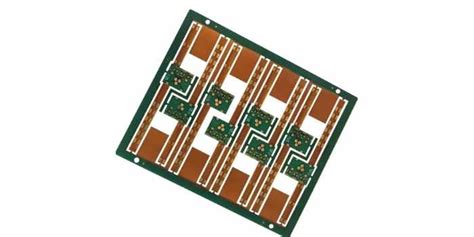
In the ever-evolving landscape of electronics, design flexibility serves as a critical factor in ensuring that pcb assembly processes keep pace with the rapid advancements in technology. As electronic devices become smaller, more powerful, and increasingly interconnected, the ability to adapt designs swiftly is essential. Advanced PCB assembly techniques allow engineers to incorporate a variety of materials and configurations that enhance functionality without compromising on size or weight. With innovative approaches such as multilayer and flexible circuits, manufacturers can meet diverse application requirements while maintaining production efficiency. This adaptability not only supports unique design specifications but also facilitates faster time-to-market for new products. Furthermore, the integration of automation in pcba processes further empowers designers to iterate quickly and accurately, enabling a seamless transition from concept to reality while minimizing errors and optimizing costs. As we venture further into the future of electronics, embracing design flexibility will be paramount for sustaining competitiveness and fostering innovation within the industry.
Improving Performance of Electronic Devices with Advanced Assembly
The integration of advanced assembly techniques in PCB assembly (PCBA) is fundamentally transforming how electronic devices perform across various applications. Advanced PCB assembly methods enable manufacturers to achieve tighter tolerances and higher component densities, which are essential for the miniaturization of modern electronic devices. As a result, the devices are not only smaller but also increasingly powerful and efficient.
One significant advancement in PCBA is the incorporation of innovative materials and components that provide better thermal management, thereby enhancing overall performance. These materials help in dissipating heat more effectively, which is crucial for preventing overheating and ensuring longevity in devices like smartphones, computers, and automotive electronics. Furthermore, advanced assembly techniques like surface mount technology (SMT) optimize space utilization on printed circuit boards (PCBs), allowing for more complex functionalities without compromising device size.
Automation plays a vital role in refining these processes, significantly reducing human errors while increasing throughput. Automated placement machines ensure that components are positioned accurately on circuit boards—crucial for maintaining high performance levels. Together with enhanced inspection technologies, they ensure that every board meets stringent quality standards before it reaches the market.
In summary, the performance improvements brought about by advanced assembly solutions contribute enormously to the competitive edge of electronic products. This ensures that end-users benefit from more reliable devices that can handle complex tasks efficiently—ultimately reshaping consumer experiences across various sectors. As technology progresses, it is anticipated that these PCB assembly innovations will continue to play a key role in evolving the landscape of electronics.
Case Studies: Success Stories in Advanced PCB Assembly
The realm of advanced PCB assembly has seen remarkable successes, underscoring the potential of PCBA in driving innovation across various industries. One notable case is the aerospace sector, where companies have embraced advanced assembly methods to produce lightweight, yet highly reliable circuit boards. By utilizing cutting-edge technologies such as automated optical inspection (AOI) and advanced soldering techniques, these firms have significantly reduced error rates in production, thereby enhancing the overall quality of their products.
Another inspiring example can be found in the medical device industry, where the demand for miniaturization and high performance is paramount. Innovators in this field have leveraged PCB assembly processes that incorporate multi-layered designs and flexible substrates. This approach has allowed for more compact devices with improved functionalities, exemplifying how effective PCBA can revolutionize patient care through better diagnostic tools and monitoring systems.
Moreover, consumer electronics manufacturers are also reaping the benefits of advanced technologies in their production lines. They have implemented smart automation systems that streamline workflows and reduce production times while maintaining high quality standards. These success stories demonstrate not only the adaptability of modern manufacturing practices but also how embracing advanced techniques in PCB assembly can lead to significant competitive advantages across various sectors. As these case studies illustrate, the future of electronics is bright with possibilities driven by innovative approaches to advanced PCB assembly.
Future Trends in PCB Technology and Assembly Techniques
As the landscape of electronic devices continues to evolve, the pcb assembly and pcba industries are experiencing significant advancements driven by cutting-edge technologies. One of the most noteworthy trends is the increasing integration of smart automation within assembly processes. This shift not only promotes greater efficiency but also ensures higher accuracy in manufacturing—minimizing human error and enhancing overall productivity. Additionally, the use of advanced materials is becoming more prevalent, enabling designers to push boundaries in electronic device functionality and aesthetics. More importantly, future-focused assembly techniques are emphasizing modular designs that facilitate easy upgrades and repairs, which is crucial in a fast-paced technological environment. The focus on sustainability is also emerging as a powerful driver; manufacturers are exploring eco-friendly materials and processes that reduce waste and energy consumption. As we look ahead, investing in innovative practices will be essential for pcb assembly companies seeking to maintain competitive advantage while meeting ever-changing market demands. This dynamic evolution signifies not just a technological shift but a comprehensive transformation in how we approach the design, production, and longevity of electronic devices through advanced assembly methods.
Conclusion
In conclusion, the landscape of pcb assembly is rapidly evolving due to various innovative techniques and advancements in technology. The integration of automation and advanced assembly methods has significantly improved the production efficiency and quality of PCBA processes. As manufacturers embrace these changes, they can achieve greater design flexibility that caters to the dynamic requirements of modern electronic devices. Furthermore, the impact of these innovations extends beyond mere efficiency; they fundamentally enhance the overall performance of electronic systems. With continuous research and development, it is essential to stay informed about future trends and prepare for the ongoing transformation in pcba technology. The journey towards optimized pcb assembly practices is filled with promising opportunities that will define the next generation of electronic innovation.
FAQs
What is advanced PCB assembly?
Advanced PCB assembly refers to the use of innovative techniques and technologies in the production of printed circuit boards (PCBs), designed to enhance production efficiency, design flexibility, and overall performance of electronic devices.
How does automation impact PCB assembly?
Automation plays a crucial role in pcb assembly by streamlining processes, reducing human error, and increasing production speed. This results in a more efficient workflow and improved quality control throughout the PCBA process.
What are some innovative techniques used in advanced PCB manufacturing?
Innovative techniques include surface mount technology (SMT), flexible circuit design, and advanced soldering methods. These allow for greater design flexibility and enable manufacturers to adapt to the rapidly changing demands of the electronics industry.
How can production efficiency be enhanced in PCB assembly?
Production efficiency can be enhanced through technologies like computer-aided design (CAD), automated inspection systems, and advanced manufacturing processes. These improvements help reduce waste and increase throughput in pcba facilities.
Why is design flexibility important in electronics?
Design flexibility is essential because it allows engineers to create intricate designs that meet specific requirements while accommodating future updates or changes. This adaptability is crucial for staying competitive in an evolving market.
How does advanced assembly improve the performance of electronic devices?
Advanced assembly enhances performance by ensuring high-quality connections and reducing size constraints. Utilizing cutting-edge materials and methodologies enables manufacturers to produce more reliable and efficient devices.