Revolutionizing Electronics: The Future of Circuits Assembly
Key Takeaways
The field of circuits assembly has undergone significant transformation over the years, evolving from a reliance on manual craftsmanship to the embrace of automated precision. Key technologies driving this change, such as advanced robotics and artificial intelligence, are enhancing the efficiency of pcb assembly processes, allowing for increased productivity and accuracy. PCBA is increasingly characterized by its integration with these innovations, making it possible to produce high-quality electronic products that meet rising consumer demands. Additionally, the role of automation is not merely about speed but also about streamlining electronics manufacturing by minimizing human error and optimizing workflows. Beyond technological advancements, there’s a growing focus on sustainable practices in circuits assembly to ensure a greener future for the industry. This includes exploring eco-friendly materials and processes that reduce environmental impact while maintaining performance standards. As material innovations continue to develop, we see enhancements in circuit performance that directly impact device reliability and longevity. However, despite these advancements, challenges remain in balancing efficiency with cost-effectiveness while adapting to rapid technical changes and market demands. The intersection of these elements shapes a promising landscape for the future of circuits assembly in electronics manufacturing, offering both challenges and opportunities that innovators must navigate adeptly.
The Evolution of Circuits Assembly: From Manual Craftsmanship to Automated Precision
The journey of circuits assembly has witnessed a remarkable transformation, evolving from manual craftsmanship to the high-precision methods we see today. Initially, pcb assembly relied heavily on skilled artisans who meticulously soldered components onto boards, ensuring each connection met the desired standards. This process was not only labor-intensive but also time-consuming, making it difficult to scale production.
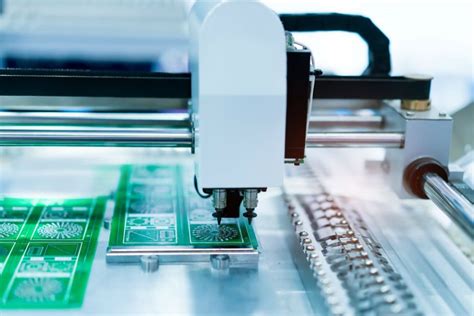
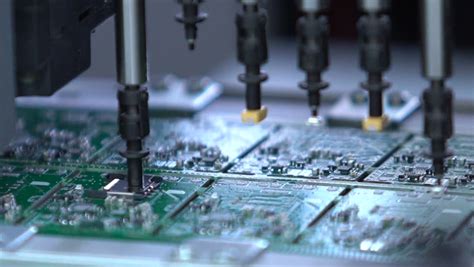
With the advent of technology, the industry has embraced automation and advanced machinery that significantly enhance the efficiency and accuracy of pcba processes. Automated systems now perform tasks like component placement and soldering with an impressive level of precision that minimizes the risk of human error. For instance, robotic arms equipped with vision systems can place components accurately on a circuit board, which boosts production rates while maintaining high quality.
Moreover, this evolution is accompanied by a shift towards more sustainable practices. As manufacturers adopt automated solutions, they are also exploring eco-friendly materials and methods that reduce waste in production. These innovations contribute to a greener future for electronics manufacturing while supporting the demand for high-performance circuits.
| Stage | Characteristics | Impact on Production |
|---|---|---|
| Manual Craftsmanship | Labor-intensive; skilled labor required | Low scalability; higher error rates |
| Early Automation | Introduction of machines; reduced labor costs | Increased speed; improved consistency |
| Advanced Automation | Robotics and AI integration; precision engineering | High efficiency; minimized waste |
In summary, the evolution from traditional craftsmanship to modern automated techniques in circuits assembly reflects significant advancements in technology and methodology. These changes not only increase efficiency but also set new benchmarks for quality and sustainability in the electronics industry.
Key Technologies Driving Change in Circuits Assembly
The landscape of pcb assembly is evolving rapidly, propelled by several key technologies that are redefining the industry. Automation stands at the forefront of this transformation, enabling higher efficiency and precision in production processes. Through the integration of robotics and intelligent systems, manufacturers can achieve a higher yield with reduced human error. Additionally, advancements in machine learning are enhancing quality control measures, ensuring that each stage of pcba production meets stringent standards. Another significant technology is the application of additive manufacturing, which allows for the creation of complex printed circuit boards (PCBs) with intricate designs that were previously unattainable using traditional methods. Moreover, innovations in material science contribute to improved performance and reliability of circuits, with new substrates that offer better conductivity and thermal management. The rise of IoT-enabled devices also necessitates flexible and efficient circuits assembly processes to support the growing demand for interconnected electronics. As these technologies continue to advance and merge with sustainable practices, they promise not only to improve the efficiency of pcba operations but also to pave the way for environmentally conscious manufacturing solutions in the electronics sector.
The Role of Automation in Streamlining Electronics Manufacturing
Automation has become a transformative force in pcb assembly and the broader field of electronics manufacturing. As companies strive to optimize efficiency and reduce production costs, the integration of automated systems into pcba processes has proven to be invaluable. By leveraging advanced robotics, artificial intelligence, and machine learning, manufacturers can execute tasks with unmatched precision and speed. This transformation not only increases productivity but also minimizes human error, ensuring that each component is assembled to exact specifications. Moreover, with automation streamlining operations, it allows for the flexibility to adapt quickly to changing market demands or new product lines without sacrificing quality. As manufacturers adopt these innovative technologies, they are also fostering a shift toward sustainable practices by optimizing energy consumption and reducing waste during production. Ultimately, automation stands at the forefront of revolutionizing how circuits assembly is approached in the modern electronics industry, offering a pathway to enhanced performance and greater reliability in products.
Sustainable Practices in Circuits Assembly: A Greener Future
As the landscape of electronics manufacturing continues to evolve, sustainable practices in circuits assembly are becoming paramount. The push towards environmentally friendly methodologies is not only crucial for the planet but also aligns with industry demands for efficiency and cost-effectiveness. Innovations such as lead-free soldering and biodegradable materials are serving to enhance the sustainability of pcb assembly processes. Furthermore, many companies are adopting practices focused on minimizing waste through circular economy principles, which involve recycling components from outdated electronics to create new products.
The emphasis on sustainability in pcba means that manufacturers are re-evaluating their supply chains to prioritize materials that have a smaller environmental footprint. This includes sourcing components from suppliers who adhere to strict environmental standards and implementing energy-efficient machinery within their production facilities.
“Incorporating sustainable practices is no longer merely optional; it is a fundamental aspect of modern manufacturing that ensures long-term viability.”
These efforts not only reduce ecological impact but also position companies as leaders in a market increasingly driven by environmentally conscious consumers. The integration of sustainable practices into circuits assembly promises a greener future, where technology and ecology can coexist—ultimately benefiting both businesses and the environment at large. As this paradigm shifts, organizations that proactively embrace such advancements in circuits assembly will likely find themselves ahead of the curve, firmly establishing their role in shaping an innovative and responsible electronics industry.
Innovations in Materials and Components for Enhanced Circuit Performance
The advancement in circuit assembly, especially through pcb assembly processes, has been significantly influenced by innovations in materials and components. Modern electronic devices demand higher performance and reliability, pushing manufacturers to adopt advanced materials that ensure better conductivity and heat resistance. For instance, the integration of high-frequency laminates and dielectric materials has become crucial in the realm of pcba to enhance signal integrity. Furthermore, the introduction of flexible substrates allows for more versatile designs, enabling engineers to create innovative form factors that were previously unattainable. This continuous evolution toward lighter and more durable components not only boosts efficiency but also contributes to sustainability efforts by reducing material waste during production. As manufacturers embrace these innovations, they are poised to deliver cutting-edge electronics that meet the demands of a rapidly changing technological landscape while maintaining a focus on performance and reliability. The future of circuits assembly will undoubtedly depend on how well these emerging materials can meet the expectations of both businesses and consumers alike.
Case Studies: Successful Implementation of Advanced Circuits Assembly Techniques
As the electronics industry continues to evolve, numerous organizations are successfully implementing advanced pcb assembly techniques that showcase the potential of automation and innovation. One notable case involves a leading manufacturer that adopted pcba technologies, significantly enhancing their production efficiency while reducing costs. By integrating a state-of-the-art robotic assembly line, they achieved a higher throughput rate, minimizing human error and ensuring consistent quality in production. Another inspiring example can be found in a company focusing on sustainable practices within their pcb assembly processes. By utilizing eco-friendly materials and optimizing their supply chain logistics, this organization not only addressed environmental concerns but also improved overall operational efficiency. These case studies illustrate how advanced circuits assembly techniques are transforming the manufacturing landscape, highlighting the importance of adopting new technologies to remain competitive in a rapidly changing industry. In exploring these successful implementations, it becomes evident that the future of circuits assembly lies in the balance between automation, sustainable practices, and innovative material applications, all contributing to enhanced pcba performance across various applications.
Challenges and Opportunities in the Future of Electronics Manufacturing
As the electronics manufacturing landscape evolves, so too do the intricate complications surrounding pcb assembly. The challenges in this sector are manifold, encompassing rising costs, supply chain disruptions, and the need for skill diversification among workers. The shift towards pcba requires not only advanced technological implementations but also a workforce that is adept at utilizing these technologies effectively. Conversely, within these challenges lie significant opportunities. For instance, the integration of new technologies fosters innovation in circuits assembly, allowing for enhanced efficiency and precision. Automation plays a crucial role in addressing labor shortages while simultaneously driving down production costs. Moreover, sustainable practices in circuits assembly not only reduce environmental impact but also meet an increasing demand for eco-friendly products among consumers. By embracing advanced robotics and artificial intelligence tools, manufacturers can streamline processes and improve overall production quality. Thus, while the future of electronics manufacturing poses certain challenges—particularly in pcb assembly—it simultaneously opens doors to innovative solutions that could redefine industry standards and pave the way for sustainable growth.
The Impact of Industry 4.0 on Circuits Assembly Practices
The advent of Industry 4.0 has had a transformative impact on circuits assembly practices, fundamentally altering how the industry approaches pcb assembly and related processes. This new industrial era is characterized by advanced automation, enhanced connectivity, and real-time data analytics that are reshaping the landscape of pcba manufacturing. One of the key aspects of this transformation is the integration of IoT (Internet of Things) technologies, which enable machines and systems to communicate seamlessly. This connectivity allows for smarter decision-making, optimizing production runs while minimizing waste. Companies can now utilize predictive maintenance strategies to foresee equipment failures before they occur, thereby increasing uptime and ensuring consistent quality in circuits assembly processes.
Moreover, the use of advanced robotics in pcb assembly enhances precision and efficiency by reducing human error in complex tasks. These automated solutions not only speed up production but also contribute to better resource management; for instance, applying data analytics can lead to more effective inventory control and a reduction in excess materials used during assembly. Additionally, Industry 4.0 embraces collaborative robotics or cobots, which work alongside human operators to augment their capabilities rather than replace them entirely.
As manufacturers adopt these innovative practices, sustainability also becomes a focal point within Industry 4.0 initiatives. The emphasis on reducing energy consumption and minimizing waste aligns with broader environmental goals that are increasingly relevant in today’s market landscape. By enhancing operational efficiency through automation while adopting environmentally friendly practices, companies can position themselves favorably within a competitive global arena.
In summary, the impact of Industry 4.0 on circuits assembly practices introduces a paradigm shift towards more intelligent manufacturing solutions characterized by automation and sustainability while empowering organizations to achieve greater efficiencies in their pcb assembly operations.
Conclusion
As we reflect on the transformative journey of circuits assembly, it is clear that the landscape of electronics manufacturing is undergoing a significant evolution. The transition from traditional methods to advanced pcb assembly techniques not only enhances precision but also introduces levels of efficiency previously thought unattainable. With the integration of automation, pcba processes are becoming increasingly streamlined, enabling manufacturers to keep pace with growing market demands while maintaining cost-effectiveness. Furthermore, the focus on sustainable practices is reshaping how circuits assembly operations are conducted, with an emphasis on reducing waste and maximizing resource utilization.
The advancements in materials and components play a pivotal role in enhancing circuit performance, paving the way for innovative products that promise to redefine user experiences. As companies embrace the principles of Industry 4.0, they stand at the precipice of a new era, unlocking opportunities that leverage big data and real-time analytics in their manufacturing processes. The challenges ahead will require adaptability and foresight as stakeholders in the industry navigate both market volatility and technological advancements.
In summary, the future of circuits assembly looks promising. Continuous innovation will be essential for maintaining competitiveness in this rapidly evolving field, where companies must not only adapt to changes but also anticipate future trends that will guide their strategies. Emphasizing both technological progression and sustainability will ensure that pcba processes not only thrive but also contribute positively to the global environment.
FAQs
What is PCB assembly?
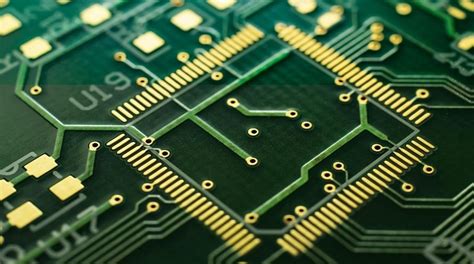
PCB assembly refers to the process of soldering various electronic components onto a printed circuit board (PCB) to create functioning electronic devices. This process can be either manual or automated, with a growing emphasis on automation in recent years.
How does automation impact PCB assembly?
Automation significantly enhances the efficiency and precision of PCBA (printed circuit board assembly), reducing human error and increasing production speed. Automated equipment can handle complex assembly tasks that would be challenging or time-consuming if performed manually.
What are the advantages of using automated circuits assembly?
The advantages include faster production times, improved accuracy, and lower labor costs. Additionally, automation facilitates streamlined processes that enhance the overall quality of the final product.
What role does sustainability play in circuits assembly?
Sustainable practices in circuits assembly focus on reducing waste, minimizing energy consumption, and using eco-friendly materials. This approach not only benefits the environment but also aligns with consumer demand for greener technologies.
Are there challenges associated with PCB assembly?
Yes, challenges in PCB assembly can include managing complex designs, ensuring compliance with industry standards, and addressing supply chain disruptions. However, these challenges also present opportunities for innovation and improvement within the industry.
Where can I learn more about PCB assembly?
To dive deeper into the subject of pcb assembly, please click here: Andwin PCB Assembly for more comprehensive information and resources.