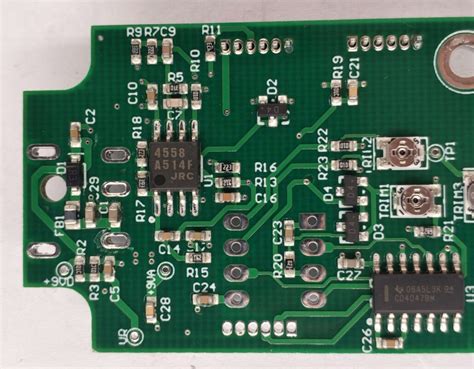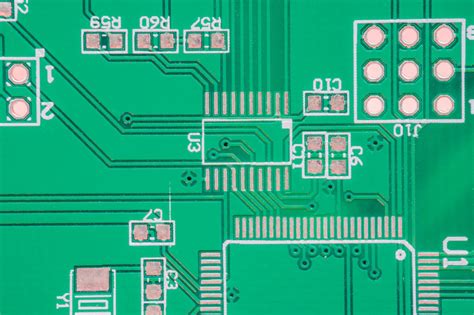
Revolutionizing Electronics with Automated PCB Assembly Techniques
Key Takeaways
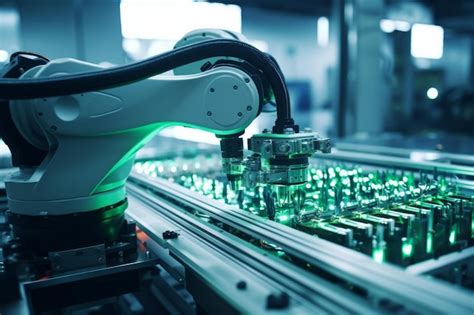
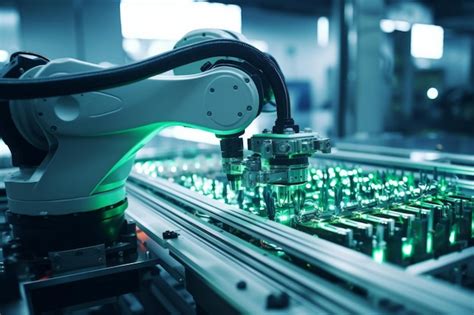
The integration of automated PCB assembly techniques into the manufacturing process has drastically reshaped the landscape of electronics production. These methods not only enhance the precision of PCBA but also significantly reduce production costs and time. By leveraging advanced technologies such as robotics, machine vision, and AI-driven software, manufacturers can achieve higher consistency in quality while simultaneously minimizing human error.
Tables showcasing the impact of automated processes can highlight key metrics:
| Metric | Before Automation | After Automation |
|---|---|---|
| Production Speed | 1,000 units/day | 5,000 units/day |
| Error Rate (%) | 3% | 0.5% |
| Labor Costs ($) | $10,000/month | $6,000/month |
Moreover, as the industry evolves, staying abreast of innovations in PCB assembly technology becomes essential for businesses aiming to maintain a competitive edge. The adaptability seen in automated systems allows for rapid adjustments to design changes or market demands without significant downtime.
“Embracing automation isn’t just a trend; it’s a necessary step towards efficiency and sustainability in electronics manufacturing.”
In essence, adopting automated PCB assembly techniques will continue to offer unprecedented advantages and drive future innovations within the industry as companies strive to meet evolving consumer needs and sustainability goals while ensuring that their operations remain as efficient as possible.
Introduction to Automated PCB Assembly
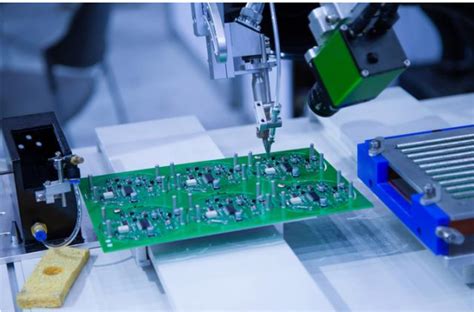
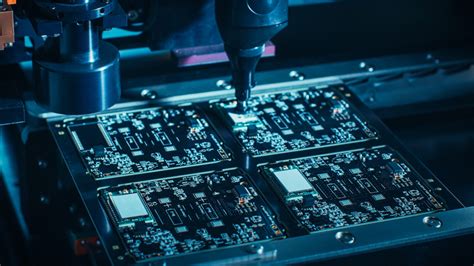
Automated PCB assembly (PCBA) represents a significant advancement in the electronics manufacturing sector, optimizing the production processes that combine various electronic components onto a single Printed Circuit Board (PCB). The integration of automation in PCB assembly allows for enhanced precision and speed, reducing human error and increasing overall efficiency. With the growing demand for smaller, more complex electronic devices, manufacturers are embracing these advanced techniques to stay competitive. The use of robotics and sophisticated machinery in the PCBA process not only accelerates production timelines but also ensures a higher quality of work. As technical requirements continue to evolve, automated processes are becoming essential for achieving cost-effectiveness and meeting market demands. Furthermore, innovations such as machine vision and artificial intelligence are becoming integral to enhancing the capabilities of automated systems in PCB assembly, thus paving the way for a more efficient future in electronics manufacturing. This evolution marks an important transition towards an industry that values speed alongside precision, ultimately reshaping how electronics are produced at scale.
Key Benefits of Automated PCB Assembly Techniques
The integration of automated PCB assembly techniques into manufacturing processes has led to a plethora of benefits, significantly transforming the landscape of the electronics industry. One of the most notable advantages is the enhancement of efficiency. With high precision machinery taking over manual tasks, production lines can achieve increased speed and an output that meets the rising global demand for innovative electronics. This enhancement is coupled with a reduction in human error, which has historically plagued traditional PCB assembly methods. Automating processes also leads to better consistency, ensuring each unit produced maintains high-quality standards.
Cost savings represent another pivotal benefit. By decreasing reliance on manual labor, companies benefit from reduced labor costs and enhanced resource allocation. Furthermore, automated systems can work continuously, optimizing production times and allowing businesses to scale operations efficiently without compromising quality.
Moreover, the adaptability of pcba systems is remarkable; they can be reprogrammed for different product lines or configurations with relative ease. This flexibility paves the way for manufacturers to respond swiftly to market shifts while minimizing downtime during transitions. As end products become increasingly complex, incorporating automation into pcb assembly processes ensures that companies remain competitive in a swiftly evolving technological landscape.
In summary, the shift toward automated PCB assembly techniques not only bolsters production efficiency but also promotes quality improvements and cost-effectiveness, laying a strong foundation for future advancements in the electronics sector.
Innovations in PCB Assembly Technology
The evolution of PCB assembly (PCBA) has witnessed remarkable innovations that are reshaping the landscape of electronic manufacturing. Automated PCB assembly techniques not only enhance precision but also significantly reduce production time and costs. Central to these innovations are advanced technologies such as robotic placement systems, automated optical inspection (AOI), and sophisticated software for design and manufacturing integration. Robotic systems, for instance, can achieve incredible repeatability and accuracy in component placement, minimizing human error that once plagued traditional methods.
Moreover, the integration of Internet of Things (IoT) capabilities allows real-time monitoring of the assembly processes, leading to proactive adjustments and improved operational efficiency. This ensures that each stage of PCBA—from soldering to testing—is optimized for maximal output. Additionally, innovations in materials used for components have resulted in lighter, more durable solutions that align well with today’s demand for compact electronic devices.
As industries pivot towards sustainability, eco-friendly practices in automated processes have also emerged, focusing on reducing waste and enhancing energy efficiency during production. Embracing these innovative techniques positions companies to not only keep pace with rapid technological advancements but also to meet the growing consumer demand for high-quality electronics designed with speed and reliability in mind. Thus, as we explore the latest methods in PCBA, it becomes clear that innovation is the cornerstone driving the future of electronics manufacturing.
Case Studies: Successful Implementation of Automation in Electronics
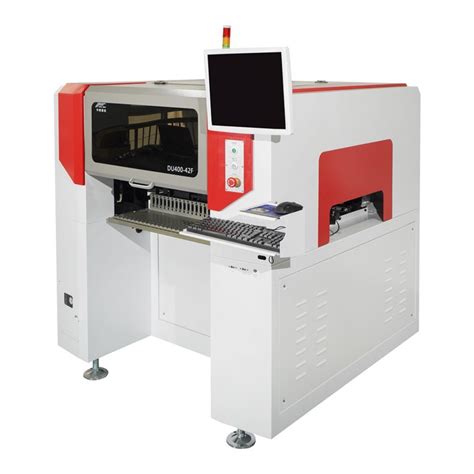
In the ever-evolving landscape of electronics, automated PCB assembly techniques have paved the way for significant advancements. Numerous companies have successfully integrated these methods into their production processes, showcasing impressive results. For instance, a leading electronics manufacturer faced challenges in achieving consistent quality and speed in their PCB assembly lines. By adopting automation solutions, they enhanced their efficiency and reduced error rates significantly, resulting in a 30% increase in output. Another noteworthy example involved a startup specializing in consumer electronics. They implemented pcba automation tools that allowed for a more flexible manufacturing setup, enabling them to respond rapidly to market changes without compromising on quality. The utilization of robotic assembly systems not only streamlined their operations but also cut down labor costs by nearly 25%. These case studies highlight the transformative impact of automated processes on production capabilities and emphasize the potential for future growth within the pcb assembly sector. As these success stories illustrate, embracing automation can lead to improved product quality, better scalability, and enhanced competitiveness in an increasingly technological marketplace.
Efficiency Improvements through Automated Processes
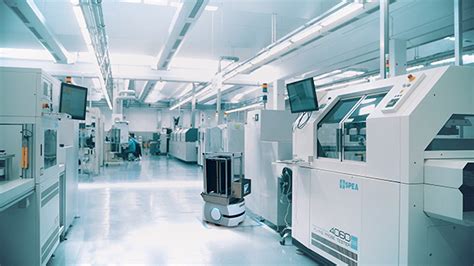
In the realm of pcb assembly, automation has ushered in a new era of efficiency that reverberates throughout the electronics manufacturing sector. By adopting advanced techniques in automated PCB assembly, companies can significantly reduce production time and minimize errors, leading to a more streamlined manufacturing process. Automation tools are equipped with sophisticated algorithms and high-speed machinery that enhance the accuracy of placing components on the printed circuit board, a vital aspect of pcba that directly affects product performance and reliability. Furthermore, the integration of machine learning allows for continual improvement, as systems can learn from previous production runs to optimize workflows. This not only boosts throughput but also ensures a consistent quality in finished products. Moreover, automated systems can operate around the clock, maximizing productivity while reducing labor costs associated with manual assembly processes. As competition intensifies in the electronics market, leveraging such innovation in manufacturing through automated processes is becoming essential for companies aiming to retain a competitive edge. In this context, it’s clear that embracing automation in pcb assembly not only enhances operational efficiency but also positions manufacturers to adapt swiftly to changing demands in a rapidly evolving technological landscape.
Challenges and Solutions in Automated PCB Manufacturing
The shift towards automated PCB assembly (PCBA) brings about a myriad of challenges that manufacturers must navigate to optimize their processes. One significant challenge is the initial investment required for advanced machinery and technology. High costs can deter smaller companies from adopting automation. However, as manufacturers begin to see improved production speeds and lower labor costs, these initial expenses are often justified over time. Another challenge lies in the rapid pace of technological advancements coupled with the need for continuous training of personnel. The evolving nature of pcb assembly technology necessitates that workers remain up-to-date with the latest methods and equipment features.
Moreover, maintaining a consistent quality during the PCBA process is crucial; even slight deviations can lead to significant operational issues. To address these challenges, manufacturers are integrating comprehensive training programs and employing quality assurance measures that utilize smart technologies for real-time monitoring and adjustments. Furthermore, adopting a modular approach in production allows for flexibility in workflow, enabling manufacturers to swiftly adapt to the varying needs of projects while minimizing downtime. As industries tackle these obstacles head-on, they pave the way for a more efficient and sustainable future in automated PCB manufacturing, underscoring the vital role that innovation plays in overcoming these hurdles.
The Future of Electronics: Trends in Automation
The evolution of automated PCB assembly signifies a transformative phase in the electronics industry, marking a shift towards enhanced efficiency and precision. Recent advancements in technology have outlined the trajectory for future PCB assembly processes, leading to the increased adoption of pcba techniques that not only streamline production but also improve product quality. Automation is increasingly integrated into manufacturing workflows, facilitating faster turnaround times and reducing the likelihood of human error. Sophisticated robotics and artificial intelligence are enabling manufacturers to deploy versatile assembly lines capable of producing complex circuit boards with minimal intervention. As the demand for faster, more efficient manufacturing grows, businesses are investing in smart technologies that provide real-time data analytics and predictive maintenance solutions. These innovations are not only poised to revolutionize how products are assembled but also redefine competitive standards within the market. The trend towards automated PCB assembly is shaping a future where electronics companies can swiftly adapt to changing consumer needs while maintaining efficacy and quality.
Conclusion: Embracing Automation for a Competitive Edge
In the ever-evolving landscape of electronics manufacturing, automated PCB assembly techniques are more than just a trend; they represent a paradigm shift that is essential for companies aiming to maintain a competitive edge. By embracing automation, businesses can significantly enhance their PCB assembly processes, leading to greater efficiency and precision in the production of PCBA. These methodologies not only reduce the risk of human error but also streamline operations, allowing manufacturers to focus on innovation and quality. As the demand for higher production rates and more complex designs continues to grow, adopting these advanced techniques is vital. Furthermore, automation facilitates scalability and responsiveness to market changes, making it an indispensable asset for modern electronics manufacturers. The integration of cutting-edge technologies empowers organizations to optimize their workflows and maximize productivity through real-time monitoring and data analytics. Ultimately, embracing automated PCB assembly isn’t just about leveraging technology; it’s about future-proofing operations in an industry that thrives on adaptability and advancement.
Conclusion: Embracing Automation for a Competitive Edge
As we have explored throughout this article, the adoption of automated PCB assembly techniques marks a significant shift in the manufacturing landscape of electronics. These advancements not only streamline the PCB assembly process but also enhance the overall quality and reliability of products. Companies that are integrating automation into their production lines are experiencing remarkable efficiencies, reduced lead times, and a notable decrease in operational costs. Furthermore, the innovative technologies being developed—such as advanced robotics and machine learning—are enabling manufacturers to tackle more complex designs with precision and accuracy. As the industry continues to adapt to these PCBA innovations, businesses that embrace automation will likely gain a competitive edge in an ever-evolving market. Therefore, it’s essential for stakeholders to stay informed about emerging trends and invest in these technologies to ensure their long-term success and sustainability in the electronics sector. Doing so will not only improve productivity but also foster a culture of continuous improvement within their organizations.
FAQs
What is automated PCB assembly?
Automated PCB assembly refers to the use of machines and technology to assemble PCBs (Printed Circuit Boards) with minimal human intervention. This process enhances precision and efficiency in producing electronic devices.
What are the main benefits of automated PCB assembly?
The primary benefits include increased production speed, reduced labor costs, higher accuracy, and lower instances of defects. By utilizing automated PCBA techniques, manufacturers can streamline their processes while maintaining quality.
How does automation improve efficiency in PCB manufacturing?
Automation improves efficiency by enabling high-speed assembly, consistent quality control, and better resource management. This results in significant time savings and higher output compared to manual methods.
What types of technology are used in automated PCB assembly?
Common technologies include pick-and-place machines, solder paste printers, and automated optical inspection systems. These tools work together to ensure that components are placed accurately and securely onto the PCB.
Are there any challenges associated with automated PCB assembly?
Yes, challenges may include high initial setup costs and the need for operator training. However, these investments can lead to long-term savings through increased efficiency and lower error rates.
Discover More About PCB Assembly
For further insights into PCB Assembly, please click here: https://www.andwinpcb.com/pcb-assembly/