Revolutionizing Manufacturing: The Benefits of Turnkey Prototype Assembly
Key Takeaways
In our exploration of turnkey prototype assembly, several ## Key Takeaways emerge that highlight its transformative impact on the manufacturing industry. By integrating all elements of the manufacturing process, turnkey prototype assembly streamlines production, reducing the complexity and time associated with coordinating multiple suppliers and stages. This comprehensive approach ensures faster time-to-market, allowing companies to respond swiftly to market demands and stay competitive. Moreover, employing turnkey solutions can significantly enhance product quality by maintaining consistent standards and reducing the risk of errors. Lastly, leveraging the expertise and resources of a turnkey provider empowers companies to focus on innovation while ensuring their products meet stringent industry standards. This holistic service is particularly advantageous when considering pcb assembly and pcba, where precision and efficiency are paramount.
Introduction to Turnkey Prototype Assembly
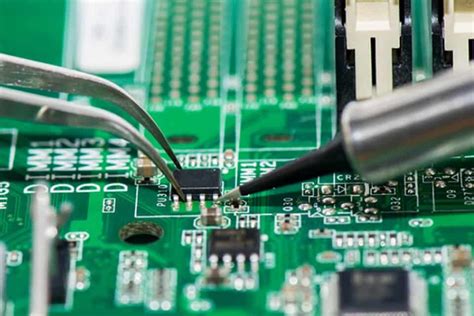
In the realm of modern manufacturing, turnkey prototype assembly stands out as a game-changer. This end-to-end service encompasses every aspect of the product development process, from initial concept and design to final production and testing. A pivotal element of this approach is PCB assembly (PCBA), which ensures that each component is meticulously put together to meet exacting standards.
“Turnkey prototype assembly is not just a process; it’s a strategy for streamlining production and enhancing overall efficiency,” says Jane Doe, a leading expert in manufacturing solutions.
By integrating various stages of production into one seamless operation, companies can significantly reduce lead times and accelerate time-to-market. Not only does this approach improve product quality by minimizing errors and inconsistencies, but it also allows for greater flexibility in responding to market demands.
Moreover, turnkey solutions empower manufacturers to stay ahead in a highly competitive industry by fostering innovation and adaptability. With everything from design to testing handled under one roof, businesses can focus more on strategic growth and less on the minutiae of production logistics.
Tip: Consider adopting turnkey prototype assembly for your next project to save time and resources while maintaining high-quality standards. This comprehensive service is becoming essential for companies aiming to stay competitive in today’s fast-paced market environment.
Overall, turnkey prototype assembly is revolutionizing how products are brought from concept to market, making it an indispensable tool for modern manufacturers.
Streamlining Production Processes
One of the primary advantages of turnkey prototype assembly is its ability to significantly streamline production processes. By integrating all aspects of pcb assembly and pcba into a single, efficient workflow, companies can avoid the common pitfalls associated with managing multiple vendors and disparate production phases. This holistic approach ensures that every component is tested and validated before moving to the next stage, reducing the likelihood of errors and rework.
Moreover, turnkey solutions provide a centralized point of contact for project management, simplifying communication and coordination. This not only speeds up the decision-making process but also ensures that any issues are promptly addressed, keeping the project on track. The ability to rapidly iterate designs based on feedback accelerates development cycles, making it easier for companies to bring innovative products to market swiftly.
To further illustrate this point, consider the following comparison:
| Traditional Assembly | Turnkey Prototype Assembly |
|---|---|
| Multiple vendors | Single vendor |
| Fragmented workflow | Integrated process |
| Higher error rates | Reduced errors |
| Slower decision-making | Fast problem resolution |
In conclusion, adopting a turnkey approach in prototype assembly can lead to more efficient production cycles and higher overall productivity. By consolidating various stages under one roof, businesses can focus on innovation and quality, ultimately leading to greater success in an ever-evolving market.
Reducing Time-to-Market
In an industry where speed can be the key differentiator, turnkey prototype assembly solutions offer a significant advantage by substantially reducing the time-to-market. By consolidating various stages of product development, from design to PCB assembly (PCBA), into a seamless workflow, companies can accelerate their production timelines. This integration ensures that prototypes are developed and tested in a shorter period, allowing for quicker iterations and faster deployment of final products. Moreover, with the efficient coordination provided by turnkey services, potential delays are minimized since all components are managed under one roof. As a result, businesses can bring their innovative solutions to market ahead of competitors, capturing early market share and responding swiftly to customer demands. By leveraging these comprehensive services, manufacturers not only cut down on production time but also enhance their ability to stay nimble and responsive in a dynamic marketplace.
Enhancing Product Quality
In the realm of turnkey prototype assembly, the focus on enhancing product quality is paramount. This approach integrates various production stages, from design to PCB assembly and final testing, into a seamless process. Such integration ensures a higher level of accuracy and consistency in manufacturing. By utilizing turnkey solutions, companies can leverage the expertise of specialized providers who adhere to stringent quality standards and advanced methodologies, resulting in superior PCBA outcomes. Moreover, the synergy between different stages of production not only minimizes potential errors but also fosters continuous improvement through rapid feedback loops. Ultimately, this leads to products that not only meet but often exceed industry standards for reliability and performance.
Staying Competitive with Turnkey Solutions
In today’s fast-paced manufacturing world, staying competitive demands agility, innovation, and efficiency. Turnkey prototype assembly provides an all-in-one solution that meets these needs by offering end-to-end services from design to PCB assembly. This approach ensures that companies can effortlessly transition from conceptual design to finished products, reducing both development time and costs. By incorporating PCBA into the turnkey model, manufacturers can enhance their product quality and reliability, ensuring fewer errors and higher performance standards. Leveraging turnkey solutions enables businesses to adapt rapidly to market changes and capitalize on new opportunities faster than ever before. This comprehensive service significantly streamlines production processes, which is especially crucial in industries where time-to-market is a key determinant of success. Thus, adopting turnkey prototype assembly not only keeps companies competitive but also drives continuous improvement and innovation in product development.
Innovations in Turnkey Prototype Assembly
Innovations in turnkey prototype assembly are reshaping how products are conceived, designed, and brought to market. One significant advancement is the integration of PCB assembly and PCBA services, which have streamlined the production of electronic components. By leveraging advanced automation technologies and sophisticated design software, companies can now accelerate the prototyping phase, ensuring higher precision and reducing errors. Additionally, the advent of real-time data monitoring and analytics helps manufacturers optimize workflows and maintain consistent product quality. These developments not only shorten production cycles but also empower companies to make more informed decisions rapidly. Another critical innovation is the implementation of modular design approaches that allow for greater flexibility and customization. This adaptability ensures that products can be quickly modified to meet evolving market demands without substantial delays or costs. As a result, businesses adopting these cutting-edge techniques in turnkey prototype assembly are better positioned to stay competitive and respond swiftly to technological changes in the industry.
Case Studies: Success Stories in Manufacturing
In recent years, numerous companies have experienced significant benefits from implementing turnkey prototype assembly in their production workflows. For instance, a leading electronics manufacturer managed to cut its time-to-market by over 30% through an efficient PCB assembly process. By opting for a comprehensive PCBA solution, they streamlined their development cycle, significantly improving product quality and reducing costs. Another notable example is a consumer electronics firm that utilized turnkey services to develop innovative devices rapidly, enabling them to stay ahead of competitors in a fast-evolving market. These success stories underline the transformative potential of turnkey prototype assembly in modern manufacturing, demonstrating how it can drive efficiency and innovation across various industries.
Future Trends in Turnkey Assembly and Manufacturing
As we look ahead, turnkey prototype assembly promises significant advancements that will further revolutionize the manufacturing sector. One of the most anticipated trends is the increased integration of automation and robotics, which will streamline pcb assembly processes, ensuring higher precision and faster production times. Additionally, the adoption of artificial intelligence (AI) in these systems is expected to enhance predictive maintenance and quality control, minimizing errors and downtime. Another exciting development is the rise of Internet of Things (IoT) technologies, enabling smarter factories where real-time data from interconnected devices can drive efficiency and innovation. With these advancements, companies leveraging turnkey solutions are poised to stay ahead in an increasingly competitive landscape, ensuring that their products meet the highest quality standards while hitting the market faster than ever before. This fusion of cutting-edge technology with streamlined pcba processes is set to redefine what’s possible in manufacturing, paving the way for a future where both efficiency and innovation are maximized.
Conclusion
In summary, turnkey prototype assembly has become an instrumental force in the evolution of manufacturing. By offering comprehensive solutions that integrate pcb assembly (PCBA), design, prototyping, and production, companies can streamline their processes, thus significantly reducing time-to-market. This not only enhances the quality of the final product but also ensures that businesses remain competitive in an ever-evolving landscape. The ability to leverage advanced technologies and integrated solutions enables manufacturers to innovate continuously, delivering products that meet stringent industry standards. Whether it’s a small startup or a large enterprise, embracing turnkey prototype assembly is crucial for driving long-term efficiency and success in product development. Through this transformation, businesses are well-equipped to meet future challenges and stay ahead in the market.
FAQs
Q: What is turnkey prototype assembly?
A: Turnkey prototype assembly is a comprehensive service that encompasses the entire manufacturing process from initial design to final product. This includes pcb assembly (PCBA), sourcing components, and quality testing to ensure a functional end product.
Q: How does turnkey prototype assembly benefit companies?
A: Turnkey solutions streamline the production process, thereby reducing time-to-market and enhancing product quality. By managing every aspect of pcba, companies can focus on innovation while staying competitive in a rapidly evolving industry.
Q: Why should companies consider turnkey solutions?
A: Companies can significantly reduce costs and improve efficiency by utilizing turnkey services. The comprehensive nature of these services allows for better management and control over the entire production cycle, from designing the prototype to completing the final assembly.
Q: Are there any limitations to turnkey prototype assembly?
A: While turnkey solutions offer numerous advantages, they may not be suitable for every project. Specific needs might require specialized approaches that fall outside the scope of typical turnkey services.
Learn More About PCB Assembly
For more information on how turnkey prototype assembly can help drive efficiency and success in product development, please click here.