Revolutionizing PCB Production with Additive Manufacturing Techniques
Key Takeaways
In the evolving landscape of pcb manufacturing, the emergence of additive manufacturing techniques presents significant advantages. You will find that these methods not only streamline production processes but also make pcb manufacturing companies more competitive by reducing overall production costs. By embracing additive techniques, businesses can achieve a notable decrease in pcb manufacturing cost, which translates to higher profit margins and better pricing for customers. Moreover, this approach enhances flexibility during the design phase, allowing companies to experiment and iterate without incurring hefty expenses or long lead times commonly associated with traditional methods. As you explore these advancements, it becomes clear that integrating 3D printing technologies into your pcb manufacturing business can help create more innovative products while maintaining efficiency and cost-effectiveness. With these key points in consideration, the transformative power of additive manufacturing becomes evident, making it a crucial consideration for any forward-thinking PCB producer.
Introduction to Additive Manufacturing in PCB Production
Additive manufacturing, often referred to as 3D printing, is making significant waves in the field of PCB manufacturing. This innovative technology is not just a trend; it’s a transformative force reshaping how you think about designing and producing printed circuit boards. Traditional methods often involve complex processes that can be time-consuming and costly. In contrast, additive techniques allow for the rapid production of prototypes, enabling you to test and adjust designs with unprecedented ease.
By using materials that can be printed layer by layer, PCB manufacturing companies can cut down on material waste and streamline the production workflow. This not only reduces the overall pcb manufacturing cost but also enhances design flexibility, giving you the freedom to experiment with intricate designs previously deemed unfeasible.
Moreover, as challenges arise in your PCB manufacturing business regarding turnaround times and efficiency, embracing these new methodologies can be a game changer. You can expect shorter lead times due to the on-demand nature of additive processes.
“In additive manufacturing, rapid iteration becomes possible; you can move from concept to prototype much faster than traditional methods allow.”
Incorporating these cutting-edge techniques into your business strategy not only positions your company at the forefront of technology but also ensures that you remain competitive in an ever-evolving market. The implications for cost savings, operational efficiency, and design potential are monumental—transforming your approach to PCB production for years to come.
Key Advantages of Additive Manufacturing Techniques
The landscape of PCB manufacturing is rapidly evolving, thanks in part to the integration of additive manufacturing techniques. One of the most significant advantages of these methods is their ability to lower PCB manufacturing costs while increasing productivity. Traditional processes often involve multiple steps and lengthy production cycles, which can lead to increased expenses and extended lead times. With additive manufacturing, you can streamline these processes, enabling faster iterations and reducing waste—both important factors for PCB manufacturing companies looking to maintain a competitive edge.
Moreover, these techniques offer enhanced design flexibility. You can create complex geometries and intricate designs that were previously challenging or impossible with conventional subtractive methods. This not only allows for custom-tailored solutions but also opens new avenues for innovation within your PCB manufacturing business. As you explore additive techniques, you’ll discover that they empower you to push the boundaries of design while ensuring that production remains efficient.
This transformation in the production process also impacts your ability to respond to market demands swiftly. In an industry where speed is crucial, the agility provided by additive methods can significantly reduce project lead times—giving your business a vital advantage in an increasingly fast-paced market.
For further exploration into how you can leverage these advancements in your projects, visit Andwin PCB.
Cost Savings and Efficiency in PCB Manufacturing
In the realm of PCB manufacturing, additive manufacturing techniques bring forth unprecedented opportunities for cost savings and operational efficiency. By leveraging 3D printing technologies, you can significantly reduce the PCB manufacturing cost associated with traditional production methods. Unlike conventional techniques that often require expensive tooling and lengthy setup times, additive methods enable you to directly print your circuit boards. This streamlined approach not only lowers material waste but also allows for rapid prototyping, ensuring that your designs can be tested and modified in real-time.
Furthermore, when considering your options among various PCB manufacturing companies, those that embrace additive techniques stand out for their ability to provide faster turnaround times. With the reduction in lead times, you can respond promptly to market demands, thus enhancing your PCB manufacturing business possibilities. Moreover, this approach grants you greater flexibility in design modifications; any changes to the design can be swiftly implemented without incurring significant additional costs. Ultimately, investing in additive technologies can position your operations at the forefront of innovation while maximizing resource efficiency and profitability in the competitive landscape of PCB production.
Enhancing Design Flexibility with 3D-Printed PCBs
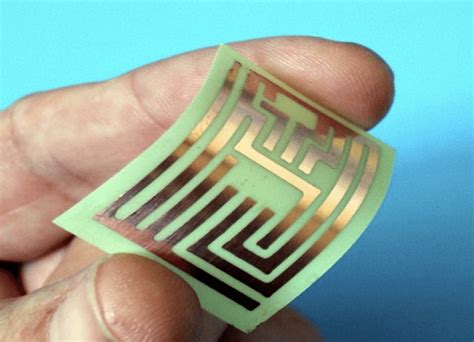
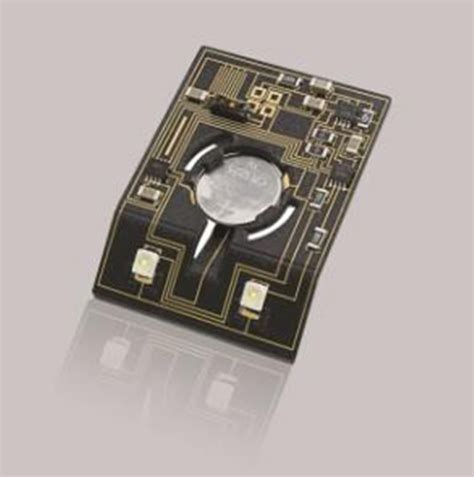
In today’s dynamic electronics landscape, 3D-printed PCBs are emerging as a pivotal advancement in pcb manufacturing. These innovative techniques allow you to explore intricate designs that were once constrained by traditional methods. The ability to create customized PCB designs not only fosters creativity but also enhances the functional capabilities of your products. With additive manufacturing, you can incorporate multiple substrates and components into a single print, facilitating more integrated circuitry and reducing the number of operational steps required in pcb manufacturing companies. This seamless integration leads to fewer components, which can dramatically minimize the pcb manufacturing cost involved in your production process. Furthermore, this level of customization is particularly advantageous for startups and small businesses venturing into the pcb manufacturing business, as it supports rapid prototyping and iteration. You have the opportunity to test and refine your designs more efficiently, ensuring that your final product meets market demands without incurring excess costs or lengthy timelines associated with traditional methods. Ultimately, leveraging 3D printing in PCB production enhances not only design flexibility but also allows for greater innovation and responsiveness in an ever-evolving industry.
Reducing Lead Times: The Impact of Additive Techniques
By integrating additive manufacturing techniques into PCB production, you can significantly reduce lead times, an essential factor in the competitive landscape of the PCB manufacturing business. Traditional methods often involve lengthy processes that can delay product launch timelines. However, with the adoption of 3D printing and other additive methods, PCB manufacturing companies can streamline their workflows and expedite prototyping. This means that you can move from design to physical product in a fraction of the time previously required.
Moreover, these techniques allow for on-demand production, eliminating the need for large inventory reserves. As a result, you experience a decrease in overall PCB manufacturing costs, making your operations not only faster but also more cost-effective. The enhanced flexibility offered by these modern techniques further contributes to quicker turnaround times, as you can iterate designs rapidly without waiting for traditional manufacturing setups.
In essence, adopting additive strategies in your PCB manufacturing processes empowers you to meet market demands timely and efficiently, giving you a competitive edge while optimizing your resources effectively. This transformation is pivotal as industries increasingly shift towards rapid development cycles and immediate responsiveness.
Case Studies: Successful Implementations of Additive Manufacturing
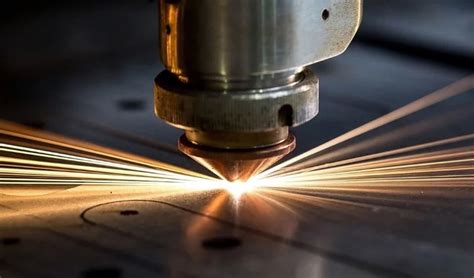
In recent years, several PCB manufacturing companies have successfully integrated additive manufacturing techniques into their production processes, showcasing significant advancements in the field. For instance, one notable case involves a leading PCB manufacturing business that adopted 3D printing to create complex geometries that traditional methods could not achieve. By doing so, they reduced their PCB manufacturing cost while greatly enhancing design versatility. Another example is a startup that combined additive methods with smart materials, resulting in PCBs capable of performing dual functions within the same unit—a transformative leap that improved efficiency across various projects. These case studies highlight not only the tangible benefits of additive manufacturing but also its potential to streamline operations and foster innovation in product design. As you explore these implementations, it becomes evident how these advancements can reshape your understanding of what’s possible in the realm of PCBs, driving down lead times and creating opportunities for unprecedented creativity in your projects.
Future Trends in Additive Manufacturing for PCB Production
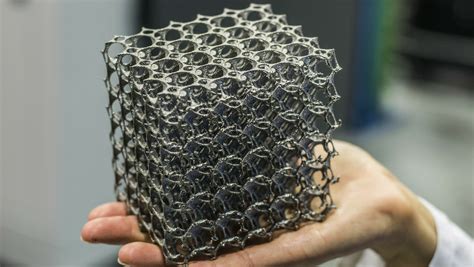
As the landscape of pcb manufacturing continues to evolve, several future trends are poised to reshape the industry dramatically. One promising direction is the integration of advanced materials that enhance the durability and functionality of 3D-printed PCBs. These materials not only improve performance but also expand the range of applications where additive techniques can be utilized. Another trend lies in the increasing adoption of automation and artificial intelligence within pcb manufacturing companies, enhancing production efficiency and precision. This synergy allows for reduced human error, streamlining operations significantly. Furthermore, as companies strive to lower pcb manufacturing costs, there’s a growing focus on sustainability, with a shift towards eco-friendly materials and processes. These innovations are not just cost-driven but are also essential for meeting global environmental standards. Additionally, advancements in software for PCB design are paving the way for unprecedented design flexibility, allowing you to innovate without the constraints traditionally associated with pcb manufacturing business practices. In essence, these trends underscore a future where additive manufacturing not only fulfills current production needs but also anticipates future demands with agility and sustainability at its core.
Conclusion
As you reflect on the advancements in PCB manufacturing, it’s clear that the integration of additive manufacturing techniques is not only reshaping the landscape but also driving substantial improvements across various dimensions. Companies involved in PCB manufacturing are witnessing remarkable shifts in their operations, particularly in terms of cost efficiency and flexibility. The ability to produce intricate designs rapidly allows these organizations to respond to market demands with greater agility, enhancing their competitiveness.
Moreover, by adopting these innovative methods, PCB manufacturing companies can significantly diminish the PCB manufacturing cost, making it feasible to engage in smaller production runs without incurring prohibitive expenses. This democratization of technology encourages smaller players to enter the PCB manufacturing business, fostering a spirit of innovation and entrepreneurship. As you consider these factors, it becomes evident that the future of PCB production is not just about maintaining pace with technological trends but rather embracing a transformative approach that prioritizes efficiency and creativity.
FAQs
What is additive manufacturing in PCB production?
Additive manufacturing in PCB production involves creating circuits layer by layer using 3D printing technologies. This approach contrasts with traditional methods that often require subtractive processes, making it more innovative and efficient.
How does additive manufacturing benefit PCB manufacturing companies?
By adopting additive manufacturing, PCB manufacturing companies can significantly enhance design flexibility. They can easily adapt designs based on specific requirements, enabling them to meet diverse market demands quickly.
What are the cost implications of additive techniques on PCB manufacturing costs?
Generally, the PCB manufacturing cost is reduced through lower material waste and a streamlined production process. Companies can save on labor and time, effectively decreasing the overall expenses associated with prototyping.
What improvements does additive manufacturing offer to the PCB manufacturing business?
The speed of production increases significantly, allowing businesses to prototype rapidly without extensive setup costs. This agility helps companies respond swiftly to technological advancements and customer needs.
For more insights into how you can transform your PCB manufacturing business, please click here: https://www.andwinpcb.com/pcb-manufacturing/