Revolutionizing Production: The Future of Automated Electronics Assembly
Key Takeaways
In the evolving landscape of electronics manufacturing, automated electronics assembly plays a pivotal role in enhancing productivity and efficiency. As industries increasingly shift towards pcb assembly and pcba, the integration of cutting-edge technologies becomes paramount. Robotics, for instance, has transformed assembly lines by offering unparalleled speed and consistency, mitigating the risks associated with human error. Furthermore, the adoption of AI technologies allows for predictive maintenance and process optimization, ensuring that production remains agile and responsive to market demands. Advanced sensors serve as the backbone of these automated systems, providing real-time data that enhances decision-making processes and quality control. The impact of automation extends beyond just cost reduction; it empowers manufacturers to achieve superior product quality while simultaneously shortening production cycles. The blend of these technologies heralds a new era of smarter factories, where efficiency meets innovation, ultimately reshaping the future of electronics assembly.
Introduction to Automated Electronics Assembly
The rise of automated electronics assembly marks a significant shift in the manufacturing landscape. As companies seek to enhance the efficiency and reliability of their production lines, technologies such as robotics, AI, and advanced sensors have emerged as integral components in the pcba process. Automated systems are capable of executing the complex tasks involved in pcb assembly with remarkable precision, thereby minimizing human error and maximizing throughput. With automated assembly lines, manufacturers can benefit from reduced cycle times and improved product quality, which are crucial in meeting growing consumer demands.
| Technology | Benefits |
|---|---|
| Robotics | Increased speed and precision |
| AI | Enhanced decision-making |
| Advanced Sensors | Real-time monitoring |
Moreover, adopting these systems not only streamlines production but also leads to significant cost reductions. By minimizing waste and optimizing resource allocation, companies can achieve a more sustainable manufacturing operation. As automation continues to evolve, its ability to adapt and scale will be pivotal for manufacturers aiming to stay competitive in a rapidly changing market.
“Innovation is the key to staying relevant in today’s fast-paced production environment.”
With further advancements on the horizon, it is evident that automated electronics assembly will reshape the future of manufacturing. Understanding these technologies is essential for stakeholders who wish to leverage their full potential effectively.
The Role of Robotics in Modern Manufacturing
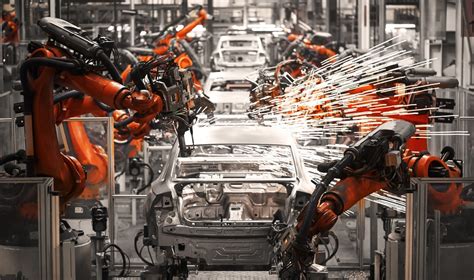
The integration of robotics into modern manufacturing is pivotal, particularly in the realm of pcb assembly and pcba processes. Robotics plays a vital role by enhancing not only the speed of production but also the overall precision and consistency of assembly tasks. These automated systems enable manufacturers to implement highly efficient workflows, significantly reducing the likelihood of human error that often accompanies manual assembly. With capabilities to perform repetitive tasks with seamless accuracy, robots can handle components with varying sizes and complexities, making them indispensable in modern electronics manufacturing. Furthermore, advancements in robotics technology have led to the development of collaborative robots, or cobots, which work alongside human workers to improve efficiency while ensuring safety on the production floor. This synergy between humans and robots illustrates a transformative shift towards smart factories where productivity is maximized and operational costs are minimized. The ability of robotic systems to adapt autonomously to different assembly scenarios also represents a significant leap forward, allowing for flexibility in production that caters to ever-changing market demands, thus positioning automated solutions as essential components in the journey towards innovative manufacturing solutions.
Harnessing AI for Enhanced Precision and Efficiency
The integration of AI technologies in automated electronics assembly marks a significant milestone in enhancing both precision and efficiency in the manufacturing process. By employing advanced algorithms, manufacturers can now achieve unparalleled levels of accuracy in pcb assembly, ensuring that each printed circuit board assembly (pcba) is produced with minimal defects. This precision is critical, as even the slightest error during assembly can lead to costly production delays or product failures. Moreover, AI systems monitor production lines in real-time, analyzing data to identify patterns and detect anomalies. This proactive approach allows for immediate adjustments, vastly improving overall efficiency. As these intelligent systems learn from past operations, they continually optimize processes, resulting in faster production cycles without compromising quality. The synergy between AI innovations and automated assembly not only enhances operational efficiency but also paves the way for more sustainable practices in electronics manufacturing, contributing to reduced waste and energy consumption. This powerful combination ensures that pcba processes are not only streamlined but also aligned with the demands of a rapidly changing marketplace.
Advanced Sensors: The Backbone of Automation
In the realm of automated electronics assembly, advanced sensors play a pivotal role, enabling manufacturers to achieve unprecedented levels of efficiency and accuracy. These sensors, embedded in the production lines, monitor various parameters such as temperature, pressure, and motion, providing real-time data that drive the pcba process. By utilizing highly sensitive sensing technology, companies can detect even minute deviations during pcb assembly, ensuring that components are correctly positioned and securely attached. This level of precision is crucial in reducing defects and enhancing the overall quality of electronic products. Furthermore, integrating advanced sensors with machine learning algorithms allows for predictive maintenance; equipment can be monitored for potential failures before they occur, thus minimizing downtime. As the industry continues to embrace automation, these sensors not only support operational efficiency but also foster a deeper understanding of the manufacturing processes involved in modern electronics. The synergy between advanced sensors and automated systems is setting the foundation for smarter factories that are capable of adjusting dynamically to changing production demands while maintaining high standards of quality in every assembly line step.
Cost Reduction and Productivity Gains Through Automation
The transition to automated electronics assembly marks a significant shift in the manufacturing landscape, particularly in the realm of pcb assembly or pcba processes. Companies have recognized that by integrating automation into their assembly lines, they can achieve substantial cost reductions while simultaneously boosting productivity. Automation technologies, such as robotics and advanced sensors, enable precise alignment and placement of components on circuit boards, which minimizes human error and optimizes the assembly efficiency. In addition to reducing labor costs, automated systems streamline workflows by increasing the speed at which components are assembled. This elevated speed not only enhances output but also allows for quicker turnaround times on production cycles, creating a more responsive manufacturing environment. Furthermore, as companies embrace automation, they can allocate resources to more strategic functions within their operations. Ultimately, integrating these advanced systems into the pcb assembly process creates a more sustainable business model that positions organizations for long-term success in a competitive market.
Case Studies: Success Stories in Automated Assembly
The implementation of automated electronics assembly systems has garnered notable success across various sectors, particularly in enhancing pcb assembly processes. A pivotal case is that of a leading consumer electronics company that adopted advanced pcba technologies, significantly streamlining its production line. By integrating robotics into their assembly processes, they were able to increase output while maintaining high standards of precision. For instance, the deployment of robotic arms equipped with vision systems dramatically reduced defects related to manual handling, leading to a remarkable 30% decrease in errors during pcb assembly.
Another noteworthy example involves a telecommunications firm that employed AI-driven analytics to refine their pcba strategies. This not only optimized the selection and placement of electronic components but also facilitated real-time adjustments based on production data. The results? An 18% increase in overall productivity and a reduction in waste costs by approximately 25%. These case studies showcase how adopting automation strategies can transform traditional electronics manufacturing paradigms, illustrating the potential of intelligent systems in fostering more efficient and reliable production environments. As industries continue to explore these innovations, the long-term benefits highlight the transformative power of automated systems in achieving excellence within the electronics sector.
Future Trends in Electronics Manufacturing Automation
As the landscape of pcb assembly evolves, the integration of advanced technologies is poised to usher in a new era for the electronics manufacturing sector. One prominent trend is the increasing reliance on Artificial Intelligence (AI) in production lines, which is enhancing both efficiency and precision. AI-driven algorithms can optimize various processes in the pcba workflow, ensuring that materials are utilized effectively and assembly is carried out with minimal waste. Additionally, automation will likely see a surge in flexible manufacturing systems, allowing for rapid adaptation to changing production demands without significant downtime.
Another critical advancement involves the use of Internet of Things (IoT) devices to monitor equipment performance in real-time, mitigating unexpected machine failures and reducing operational costs. As data analytics continues to improve, companies will gain deeper insights into their supply chains and assembly processes, paving the way for proactive decision-making. Furthermore, collaborative robots or cobots are expected to become increasingly common in production settings, working alongside human operators to handle repetitive tasks while improving workplace safety.
This confluence of automation technologies promises not only to refine existing practices but also to innovate entirely new assembly methodologies. By focusing on sustainable practices and embracing industry 4.0 principles, manufacturers are expected to enhance their competitiveness significantly while meeting increasing consumer demands for high-quality electronic products. Ultimately, these trends will significantly transform how electronics are manufactured and assembled, illustrating that the future of production lies within a deeper integration of automation and human ingenuity.
Conclusion: The Path Forward for Smart Factories
As the landscape of electronics manufacturing evolves, the advent of automated electronics assembly serves not only as a catalyst for change but as a necessity for survival within an increasingly competitive market. The integration of robotics, AI, and advanced sensors in pcb assembly processes has proven to significantly enhance efficiency and accuracy, fundamentally transforming production lines. These smart solutions mitigate human error while streamlining operations, leading to substantial cost reductions and productivity gains. Case studies from leading manufacturers illustrate that successful implementations of automated systems can increase output without compromising on quality, thus delivering a competitive edge. Looking ahead, the trend toward automation in the production of pcba will only intensify, as more companies recognize its potential to create smart factories that optimize workflows and improve overall performance. As we embrace this technological revolution, it is clear that the future of electronics assembly lies in harnessing these innovations to create a seamless blend of man and machine—an evolution towards smarter, more efficient production methodologies that will shape the industry for years to come.
Conclusion: The Path Forward for Smart Factories
As the electronics manufacturing landscape continues to evolve, the shift toward automated electronics assembly is becoming increasingly undeniable. The integration of innovative technologies such as robotics, artificial intelligence (AI), and advanced sensors is paving the way for a new era of production efficiency. This evolution is particularly evident in pcb assembly, where automation not only enhances the speed and accuracy of the process but also results in significant cost reductions. Companies that have embraced these changes are reaping the benefits of improved productivity and reduced instances of human error, making them more competitive in a rapidly changing market.
Moreover, as we look to the future, we see promising trends pointing towards even greater automation integration in pcba (printed circuit board assembly) practices. These advancements will likely lead to smarter factories that utilize data-driven insights to optimize production capabilities continually. With an emphasis on quality control coupled with automation, manufacturers can expect a notable shift towards higher standards and greater consumer satisfaction. The journey toward fully automated systems isn’t merely about technology; it’s also about rethinking production dynamics to create more resilient and adaptable supply chains.
In conclusion, the potential for revolutionizing electronics assembly through automation is vast, setting the stage for a future where manufacturers can produce with previously unattainable efficiency and accuracy. Embracing these advancements will be key not only for maximizing output but also for ensuring sustainability within the industry as it navigates global challenges and opportunities ahead.
FAQs
In recent years, as the demand for high-quality pcb assembly has surged, many companies have turned to automated electronics assembly to streamline their manufacturing processes. This transition to automation not only promises significant cost savings but also enhances the precision of pcba operations. With the integration of robotics, manufacturers can increase output rates while maintaining strict quality control, ensuring that every component is placed with remarkable accuracy. Moreover, the incorporation of advanced sensors allows for real-time monitoring and adjustments during production. As a result, organizations can minimize human error, which is often a critical factor in traditional assembly lines. The adoption of automation in electronics manufacturing raises essential questions about workforce adaptation, technological investment, and sustainability practices. Addressing these considerations can help industry players navigate the evolving landscape and fully realize the benefits associated with automated systems in their pcb assembly processes.