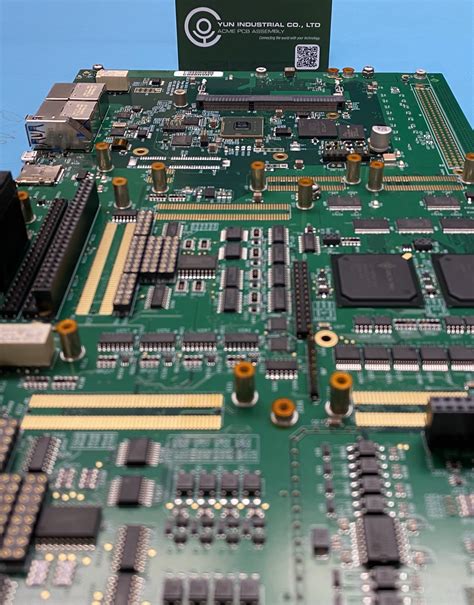
Revolutionizing Technology: Advanced PCB Manufacturing Unleashed
Key Takeaways
The landscape of pcb manufacturing is rapidly evolving, and understanding its intricacies can greatly benefit those involved in electronic design and production. PCB manufacturing companies are embracing revolutionary techniques that not only increase efficiency but also enhance the quality of the products they deliver. With a keen focus on pcb manufacturing cost, these companies are utilizing innovative materials and state-of-the-art processes that ensure unparalleled reliability. For those involved in the pcb manufacturing business, it’s essential to recognize that adopting advanced methods can lead to significant reductions in production time without compromising on quality. As you explore these cutting-edge developments, consider how implementing rapid turnaround solutions can help you meet growing market demands while maintaining cost-effectiveness. The future of advanced PCB manufacturing promises exciting possibilities – it’s crucial to stay informed and adaptable to capitalize on these innovations, ensuring your projects lead the way in a competitive marketplace.
Revolutionary Techniques in Advanced PCB Manufacturing
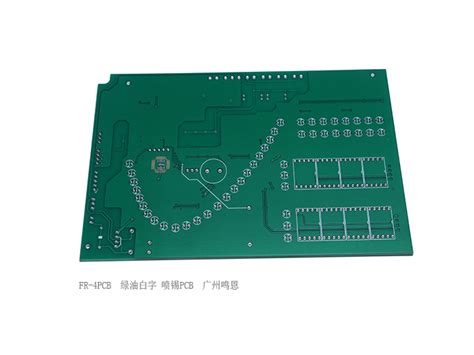
In the realm of PCB manufacturing, the emergence of revolutionary techniques is reshaping the landscape. By embracing advanced methodologies, you can enhance quality and efficiency in your projects. For instance, techniques such as HDI (High-Density Interconnect) create more compact circuits, allowing for increased component density without compromising performance. This not only meets the demands of modern electronics but also helps lower the PCB manufacturing cost. Furthermore, incorporating flexible PCBs enables innovative design possibilities, making it easier to integrate electronics into various applications.
You may also find that leveraging technologies like laser drilling and micro-via formation significantly boosts precision, which is essential for meeting stringent quality standards often required by PCB manufacturing companies. These innovations contribute to ensuring unparalleled reliability—a critical factor that can distinguish your PCB manufacturing business from competitors.
“Embracing advanced techniques today not only addresses the complexities of modern designs but also prepares you for future demands.”
By staying informed and adapting to these revolutionary practices, you are positioning yourself for success in the ever-evolving landscape of electronic design and production. Whether you’re exploring avenues to enhance performance or reduce costs, understanding these revolutionary techniques will be pivotal in maintaining a competitive edge.
Ensuring Unparalleled Reliability: Key Practices
In the realm of PCB manufacturing, ensuring unparalleled reliability is paramount to maintaining customer satisfaction and trust. PCB manufacturing companies adopt several best practices to achieve this goal, starting with stringent quality control measures. By implementing regular inspections and utilizing advanced testing techniques, you can identify potential flaws early in the production cycle. Another crucial aspect is the selection of high-quality materials; opting for durable substrates and reliable conductive elements not only enhances the durability of your products but also minimizes long-term failures. Furthermore, meticulous documentation throughout the PCB manufacturing business process plays a vital role in tracking performance metrics and improving processes over time. It’s also beneficial to establish solid relationships with suppliers to guarantee consistent material quality and timely deliveries, ultimately affecting your overall PCB manufacturing cost positively. In sum, maintaining reliability requires a systematic approach that integrates innovation, quality assurance, and efficient resource management in your operations.
Rapid Turnaround Solutions: Meeting Market Demands
In the competitive realm of pcb manufacturing, companies are increasingly turning to rapid turnaround solutions to stay ahead. You need to understand that quick response times are now a critical factor in ensuring the success of your pcb manufacturing business. With the demands of rapid prototyping and timely delivery, pcb manufacturing companies are adopting innovative techniques that streamline operations, reduce lead times, and enhance output efficiency. These advancements often involve the integration of cutting-edge technology, enabling your business to meet client requirements without compromising on quality. As you explore options for lowering pcb manufacturing costs, investing in processes that prioritize speed can offer a significant competitive edge. The ability to provide faster turnarounds not only boosts customer satisfaction but also strengthens your position in the market, ensuring your offerings align with ever-evolving industry demands. By embracing these rapid solutions, you can elevate your business and redefine your approach to modern electronics production.
Innovative Materials Shaping the Future of PCBs
In the realm of pcb manufacturing, the evolution of materials is critical to enhancing performance and reducing costs. As you delve into the pcb manufacturing business, you’ll discover that innovative materials enable the creation of PCBs that are not only lightweight but also offer superior thermal management and electrical performance. Advanced polymers, for example, are being introduced to improve flexibility while maintaining reliability in various applications.
When you explore different pcb manufacturing companies, you will find some that are leading the charge with materials like high-frequency laminates and low-loss dielectrics, allowing for better signal integrity in high-speed designs. The pcb manufacturing cost can be significantly impacted by these choices; however, investing in cutting-edge materials often results in better overall performance and longevity of the final product.
Consider a table breakdown of innovative materials currently being utilized:
| Material Type | Key Properties | Application Areas |
|---|---|---|
| High-Frequency Laminates | Excellent signal integrity | RF and microwave circuits |
| Flexible PCBs | Enhanced bendability | Wearable devices |
| Low-Loss Dielectrics | Reduced signal loss | Telecommunications |
| Thermal Interface Materials | Effective heat dissipation | Power electronics |
These advancements reflect a significant shift towards more sustainable practices as well, as eco-friendly materials gain traction. Ultimately, recognizing how these innovative materials impact both design and production can greatly enhance your understanding of future trends in pcb manufacturing. Embracing these changes not only boosts efficiency but gives your products a competitive edge in a rapidly evolving market.
The Role of Automation in PCB Production Efficiency
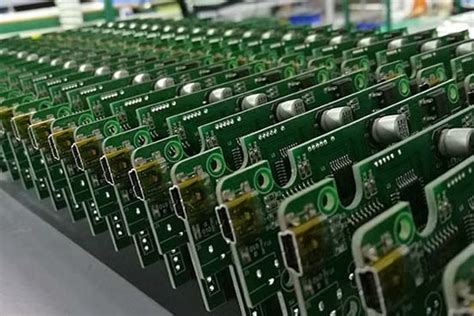
In the fast-evolving landscape of pcb manufacturing, automation plays a pivotal role in enhancing production efficiency. By integrating automated processes, pcb manufacturing companies can significantly streamline their operations, reducing lead times and minimizing human error. This efficiency not only lowers the pcb manufacturing cost but also allows for a quicker response to market demands. With advanced machinery and software, your production line can achieve greater precision and consistency, which are essential in today’s competitive pcb manufacturing business environment. Moreover, automation can handle repetitive tasks, freeing skilled workers to focus on complex issues that require creative problem-solving. Embracing these technologies positions your business advantageously for rapid scaling and adaptation to new challenges in the industry. Ultimately, the adoption of automation is not just a trend; it’s a strategic move toward achieving excellence in advanced PCB manufacturing practices.
Applications of Advanced PCBs in Modern Electronics
In the rapidly evolving world of electronics, the applications of advanced PCBs are vast and varied, playing a crucial role in enhancing the functionality and reliability of modern devices. You will find that advanced PCB manufacturing processes are being utilized across multiple sectors, from consumer electronics to telecommunication and automotive industries. For example, in smartphones, these circuits enable compact designs without sacrificing performance or reliability, proving vital in today’s competitive market. With the emergence of Internet of Things (IoT) devices, PCB manufacturing companies have adapted by creating flexible and compact PCBs that cater to the unique needs of interconnected systems. Furthermore, as users demand more from their gadgets, your awareness of pcb manufacturing cost becomes essential; efficient processes can lead to significant savings while maintaining high standards. The pcb manufacturing business is thus witnessing a shift towards using innovative materials and techniques that not only meet current demands but also anticipate future trends. As you explore these applications further, consider how advancements in PCB technology may shape everyday electronics and enhance overall user experience.
Navigating Challenges in Advanced PCB Manufacturing
In the rapidly evolving field of pcb manufacturing, you may encounter a range of challenges that can impact both the quality and efficiency of your products. One significant hurdle is the pcb manufacturing cost, which can vary widely among different pcb manufacturing companies. Understanding the intricacies of these costs is essential for making informed decisions within your pcb manufacturing business. You need to streamline processes to reduce waste and enhance productivity, as inefficiencies can dramatically increase expenses. Additionally, keeping up with technological advancements while adhering to strict quality standards poses another challenge; you must strike a balance between innovation and reliability. Embracing new materials and methods in conjunction with traditional practices can help bridge this gap, allowing you to satisfy customer demands while managing costs effectively. By proactively identifying and addressing these challenges, you position yourself for success in a competitive landscape that is constantly shifting toward more advanced solutions in electronic design and production.
Future Trends: What’s Next for PCB Technology
As you delve into the fascinating world of advanced PCB manufacturing, it’s essential to recognize the emerging trends that are poised to reshape the industry. One significant trend is the increasing demand for miniaturization, driving PCB manufacturing companies to innovate in designing smaller, more efficient boards without compromising performance. This evolution not only enhances functionality but also reduces the PCB manufacturing cost associated with larger and bulkier components. Furthermore, sustainability is becoming a focal point; companies are exploring eco-friendly materials and processes in their PCB manufacturing business, paving the way towards greener practices. Additionally, advancements in flexible circuitry are allowing for more versatile applications, particularly in wearable technology and IoT devices. Enhanced automation in production processes is set to further streamline operations, reducing errors and increasing output speed. By staying abreast of these developments, you can better understand how the landscape of advanced PCB manufacturing will evolve and how it can benefit your projects in the future.
Conclusion
In exploring the landscape of advanced PCB manufacturing, it becomes evident that this sector is a cornerstone of modern electronics. The capabilities of pcb manufacturing have expanded significantly, allowing your designs to achieve a level of precision and reliability that was previously unattainable. As you delve into the services offered by various pcb manufacturing companies, you may notice a distinct emphasis on cost-effective solutions without compromising quality. The economics of the pcb manufacturing cost are crucial; therefore, understanding how to strategically manage expenses can significantly bolster your pcb manufacturing business. With innovative techniques like multilayer assembly and high-frequency materials coming to the forefront, you will not only enhance your product performance but also position yourself competitively within the industry. In conclusion, as you consider partners who align with your vision, it is vital to look for those who are committed to evolving alongside technological advancements in advanced PCB manufacturing.
FAQs
What is advanced PCB manufacturing?
Advanced PCB manufacturing refers to the use of cutting-edge techniques and innovative technologies in the production of printed circuit boards. This includes methods that enhance performance, reliability, and efficiency in the design and assembly processes.
What should I consider when choosing PCB manufacturing companies?
When selecting PCB manufacturing companies, it’s important to evaluate their experience, technology capabilities, and quality assurance practices. Additionally, comparing pcb manufacturing cost and turnaround times can help you find the right partner for your specific needs.
How does advanced technology affect PCB manufacturing cost?
While advanced technology can increase initial investment, it often leads to lower long-term costs through increased efficiency and reduced waste. Investing in innovative solutions can significantly improve your overall pcb manufacturing business outlook.
What are the common challenges faced in PCB manufacturing?
Challenges may include maintaining quality control, meeting rapid production timelines, and navigating complex design specifications. Partnering with experienced PCB manufacturing companies can help mitigate these issues effectively.
How can automation improve the PCB manufacturing process?
Automation enhances efficiency by streamlining production processes, reducing labor costs, and minimizing human error. Implementing automated systems in your pcb manufacturing business can lead to faster turnaround times while maintaining high-quality standards.