Revolutionizing Technology: The Future of Board PCBA Solutions
Key Takeaways
The evolving landscape of pcb assembly and PCBA technologies is indeed pivotal for the electronics manufacturing sector. In recent years, the introduction of cutting-edge techniques and materials has significantly enhanced PCBA efficiency and accuracy, allowing manufacturers to produce more complex and reliable electronic boards. As businesses seek to stay competitive, they are increasingly adopting advanced automation systems that streamline the pcb assembly process. This shift not only reduces labor costs but also minimizes human error, thus elevating the overall quality of the final products. Additionally, current industry trends emphasize sustainability, pushing companies to rethink their manufacturing processes and materials used in PCBA production. The integration of smart technologies is also opening new avenues for real-time monitoring and predictive maintenance, thereby enabling manufacturers to anticipate potential faults before they cause disruptions. By leveraging these innovations, organizations are not only enhancing operational efficiencies but are also positioning themselves for future challenges in a rapidly changing market landscape. Overall, the advancements in board PCBA solutions signify a pivotal transformation that promises to redefine industry benchmarks in quality and efficiency.
Introduction to Board PCBA: Understanding the Basics
The world of pcb assembly is evolving, with PCBA (Printed Circuit Board Assembly) standing at the forefront. To fully grasp the role of PCBA, one must understand its significance in the electronics manufacturing landscape. PCBA involves attaching various electronic components to a printed circuit board, transforming a simple board into a functional electronic product. This process is crucial for ensuring optimal performance and reliability in devices ranging from smartphones to complex industrial machinery.
At its core, pcb assembly not only enhances connectivity but also optimizes space and operational efficiency within designs. As technology progresses, manufacturers are adopting more sophisticated methods to improve the accuracy and effectiveness of their assemblies. The integration of advanced materials and techniques is pushing the envelope on what’s possible in PCBA, facilitating smaller, lighter, and more efficient electronic devices.
“The future of electronics is deeply intertwined with how we innovate in PCB assembly technologies.”
Understanding these fundamentals allows stakeholders to appreciate advancements in the field. From soldering techniques to component placement strategies, keeping abreast of these developments can yield significant competitive advantages.
| Component Type | Description | Impact on PCBA |
|---|---|---|
| Resistors | Control electric current | Stabilizes circuits |
| Capacitors | Store and release energy | Improves performance |
| Integrated Circuits | Compact functionality | Reduces space used |
As we navigate through this evolution, it becomes clear that a foundational understanding of pcba will empower professionals to engage effectively with emerging trends and technologies shaping the future of electronics manufacturing.
Key Innovations Driving Board PCBA Solutions
The realm of board PCBA is continually evolving, driven by several key innovations that are reshaping the landscape of electronics manufacturing. One significant advancement is the integration of high-density interconnects (HDI), which allow for more compact designs while optimizing performance. This increase in functionality enables manufacturers to fit more components onto a single PCB assembly, streamlining the production process. Additionally, developments in surface mount technology (SMT) have made it possible to achieve greater efficiency and precision in pcba production, reducing the overall time and cost associated with assembly.
Another transformative trend is the incorporation of advanced materials, such as flexible circuits and multilayer boards, which contribute to better thermal conductivity and reliability under varying operating conditions. These materials not only improve design flexibility but also enhance the overall durability of electronic devices. Furthermore, the rise of automated inspection technologies, including automated optical inspection (AOI), ensures that each assembly meets stringent quality standards, minimizing defects and elevating overall product reliability.
As we look forward, the growing emphasis on sustainability within electronics manufacturing is pushing innovations toward eco-friendly materials and processes. This trend results in a more responsible approach to manufacturing while still delivering high-performance pcba solutions that meet customer demands for efficiency and design excellence. With these innovations at play, it’s clear that the future of board PCBA solutions holds immense potential for transforming how electronics are designed and produced.
Industry Trends Shaping the Future of Electronics Manufacturing
As the demand for advanced PCB assembly continues to rise, several key trends are emerging that significantly impact the PCBA landscape. One prominent trend is the shift toward smart manufacturing, which integrates cutting-edge technologies, such as the Internet of Things (IoT), artificial intelligence, and machine learning, into the manufacturing process. This evolution not only increases productivity but also enhances quality control, allowing for real-time monitoring of pcb assembly processes. Additionally, there is a notable focus on sustainability, as manufacturers are increasingly adopting eco-friendly materials and practices that minimize waste and energy consumption. The rise of miniaturization is another critical trend, driving innovations in component design and layout to create slimmer, lighter electronics without compromising performance. Moreover, as global supply chains become more complex, industries are exploring local sourcing solutions to mitigate risks associated with international logistics. Collectively, these trends are not only reshaping how PCBA is approached but also setting new standards for efficiency, flexibility, and sustainability in the electronics manufacturing sector.
Enhancing Efficiency through Advanced PCBA Technologies
The evolution of pcba technologies has ushered in a new era of efficiency in pcb assembly processes. By integrating advanced materials and design techniques, manufacturers are now able to optimize their pcba workflows for superior performance. For instance, the use of multilayer boards allows for increased circuit complexity while reducing the overall space required on a device. This combination not only enhances functionality but also contributes to significant reductions in manufacturing time and costs.
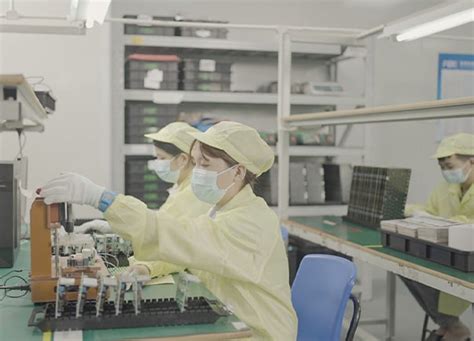
Moreover, advanced soldering techniques and automated assembly lines have proven essential in streamlining the production process. Automated systems minimize human error and improve precision during the pcb assembly phase, ensuring a higher quality product reaches the market faster. The implementation of smart technologies, such as artificial intelligence and machine learning, further supports these advancements by enabling predictive maintenance of equipment and real-time monitoring of production lines.
Additionally, innovations in testing methods have transformed how manufacturers assess quality control within the pcba lifecycle. Automated optical inspection and functional testing allow for early detection of defects, which can considerably reduce waste and rework costs. As these advanced solutions continue to gain traction, businesses are not only enhancing their operational efficiencies but also paving the way for future innovations that may redefine industry standards.
Ultimately, as we embrace these advancements in pcba, the impact on both efficiency and design becomes increasingly apparent. The merging of technology with traditional manufacturing practices holds great promise for driving forward-thinking solutions that meet the ever-evolving needs of electronics manufacturing.
The Role of Automation in Board PCBA Production
In today’s fast-paced electronics manufacturing landscape, the role of automation in board PCBA production has become increasingly critical. By integrating automated processes, manufacturers can achieve enhanced precision and consistency in pcb assembly, significantly reducing the time required for circuit board production. Innovations such as robotic assembly, machine vision, and automated testing have redefined how pcba processes are executed. For instance, automated pick-and-place machines allow for rapid placement of components with a level of accuracy that manual assembly simply cannot match. This not only speeds up production cycles but also minimizes the incidence of defects, thereby enhancing the overall quality of pcb assembly. Furthermore, automation enables the seamless integration of real-time data analytics into manufacturing workflows, facilitating immediate feedback and adjustments that further optimize efficiency. The combination of these advanced technologies ensures that manufacturers are better equipped to meet rising demand while also keeping costs manageable. As we look to the future, it is clear that automation will continue to play a pivotal role in transforming board PCBA production into a more efficient and reliable process.
Challenges and Opportunities in Modern PCB Assembly
The landscape of PCB assembly is undergoing a seismic shift, presenting both challenges and opportunities for manufacturers and innovators alike. As complexity in electronic systems escalates, the demand for high-quality PCBA solutions has intensified. Companies are faced with the pressure of balancing cost-efficiency while striving to maintain the integrity and functionality of their designs. The implementation of advanced technologies, such as automation and smart manufacturing processes, introduces a set of unique challenges—including integrating new tools with existing systems and managing skilled labor shortages. However, these same technological advancements open doors to enhanced accuracy, reduced production time, and decreased waste. Collaboration among stakeholders—engineers, suppliers, and manufacturers—is essential in navigating these challenges while capitalizing on opportunities presented by emerging trends in pcb assembly methods. As the industry evolves, leaders must stay agile to adapt to changing consumer demands, regulatory requirements, and innovations in materials that can drive superior performance. Hence, addressing these dynamic challenges can ultimately lead to groundbreaking PCBA efficiencies that revolutionize how electronic products are developed and manufactured.
Future-Proofing Designs: The Next Generation of Board PCBA
The evolution of board PCBA is crucial in ensuring that electronic devices can not only meet current demands but also adapt to the rapidly changing technological landscape. As consumer expectations heighten, manufacturers must adopt innovative approaches to pcb assembly that embrace modularity and scalability. Emerging technologies, such as advanced materials and improved design software, are paving the way for more efficient pcba processes, allowing for enhanced design flexibility and reduced time-to-market. Moreover, integrating artificial intelligence in pcb assembly techniques can optimize production lines and streamline quality control, ensuring that each board meets stringent performance standards. By focusing on future-proofing designs through advanced pcba methodologies, manufacturers can create solutions that not only cater to present requirements but are also equipped for future trends and demands in the electronics market. This proactive approach ultimately strengthens their competitive edge, fostering a resilient industry ready to tackle unforeseen challenges head-on.
Conclusion: The Impact of Board PCBA on Global Electronics Markets
The evolution of board PCBA technology has ushered in a new era for the global electronics markets, reflecting significant shifts in production methodologies and product capabilities. As the demand for compact and efficient electronic devices continues to rise, PCB assembly processes are being meticulously refined to meet these needs. Innovations such as advanced PCBA techniques are enhancing production speed while also ensuring high levels of precision, which is crucial in today’s competitive landscape. Moreover, the integration of automation and artificial intelligence into pcb assembly lines is not only improving efficiency but also reducing operational costs. This transformative impact resonates throughout various sectors—from consumer electronics to automotive industries—highlighting the adaptability and critical significance of board PCBA solutions in driving business growth. As manufacturers embrace these innovations, the future appears promising, characterized by continuous advancements that will further elevate product performance and sustainability within the electronics landscape.
Conclusion: The Impact of Board PCBA on Global Electronics Markets
As we reflect on the importance of board PCBA in the contemporary electronics landscape, it is clear that these advancements are not merely incremental improvements; they are foundational shifts that resonate across various industries. The integration of cutting-edge technologies over the past few years has paved the way for more efficient pcb assembly processes, significantly enhancing both design flexibility and manufacturing speed. These innovations allow for highly intricate layouts, improving performance while reducing costs. With trends like automation gaining momentum, the future of pcba solutions looks promising. Automation aids in minimizing human error and streamlining production cycles, a benefit that is increasingly vital in today’s fast-paced market. Furthermore, the challenge lies not only in adopting these advanced techniques but also in ensuring that they align with evolving consumer demands and environmental standards. Ultimately, as board PCBA solutions continue to revolutionize manufacturing practices, their influence on global electronics markets becomes undeniable, catalyzing a transformation that will shape tomorrow’s technology landscape.
FAQs
What is PCBA?
PCBA stands for Printed Circuit Board Assembly, which refers to the process of soldering electronic components onto a printed circuit board. This is a critical step in the electronics manufacturing process, as it ensures that all components are properly integrated and functional.
How does automation impact PCBA?
Automation significantly enhances the efficiency and accuracy of pcb assembly processes. By utilizing advanced machines for tasks such as soldering and inspection, manufacturers can reduce human error, lower production costs, and speed up the overall assembly process. This leads to higher-quality products with fewer defects.
What are the key innovations in board PCBA solutions?
Recent innovations in board PCBA solutions include advanced materials, real-time monitoring systems, and improved soldering techniques. These technologies contribute to better thermal management, increased component density, and a more streamlined manufacturing process.
How can companies future-proof their PCB designs?
To future-proof PCB designs, companies can focus on modular design principles, consider scalability from the outset, and incorporate flexible technology that adapts to evolving market needs. Keeping abreast of industry trends ensures that manufacturers remain competitive.
What are some common challenges faced in modern PCB assembly?
Some challenges include dealing with miniaturization of components, ensuring consistent quality across large batches, and adapting to rapidly changing technological requirements. To overcome these hurdles, manufacturers must invest in research and development while implementing stringent quality control measures.