Rf pcb materials
Understanding The Basics Of RF PCB Materials
Understanding the basics of RF PCB materials is essential for anyone involved in the design and manufacturing of radio frequency (RF) circuits. RF PCBs, or Radio Frequency Printed Circuit Boards, are specialized circuit boards designed to operate at high frequencies, typically above 100 MHz.
These boards are crucial in applications such as wireless communication, radar systems, and high-frequency data transmission. The choice of materials for RF PCBs significantly impacts their performance, reliability, and overall efficiency.
To begin with, the dielectric constant (Dk) of the material is a critical parameter.
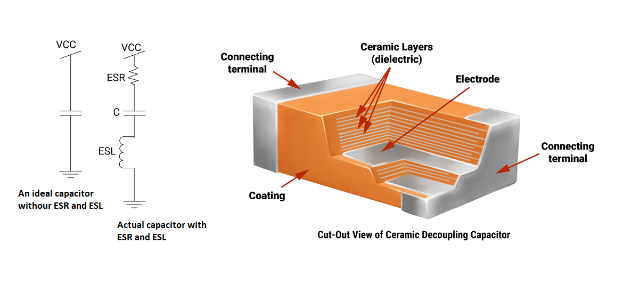
The dielectric constant measures a material’s ability to store electrical energy in an electric field. For RF applications, materials with a low and stable dielectric constant are preferred. This stability ensures minimal signal loss and consistent performance across a range of frequencies. Common materials used for RF PCBs include PTFE (Polytetrafluoroethylene), ceramic-filled PTFE, and hydrocarbon ceramic laminates. PTFE, often known by the brand name Teflon, is highly favored due to its low dielectric constant and excellent thermal stability.
Another important factor to consider is the dissipation factor (Df), which quantifies the energy loss in the dielectric material.
A lower dissipation factor indicates that the material is more efficient at transmitting signals with minimal loss. This is particularly important in high-frequency applications where signal integrity is paramount. Materials like PTFE and ceramic-filled PTFE exhibit low dissipation factors, making them suitable for RF PCB applications.
Thermal management is another crucial aspect when selecting RF PCB materials.
High-frequency circuits can generate significant amounts of heat, which, if not properly managed, can lead to performance degradation or even failure. Materials with good thermal conductivity help dissipate heat more effectively, ensuring the longevity and reliability of the PCB. For instance, ceramic-filled PTFE not only offers a low dielectric constant and dissipation factor but also provides enhanced thermal conductivity compared to standard PTFE.
Moreover, the mechanical properties of the material should not be overlooked.
RF PCBs often require precise manufacturing processes, including drilling, plating, and etching. Materials that are dimensionally stable and easy to process can significantly improve manufacturing yields and reduce costs. Hydrocarbon ceramic laminates, for example, offer a good balance of electrical performance and mechanical stability, making them a popular choice for RF PCB applications.
In addition to these technical considerations, environmental factors also play a role in material selection.
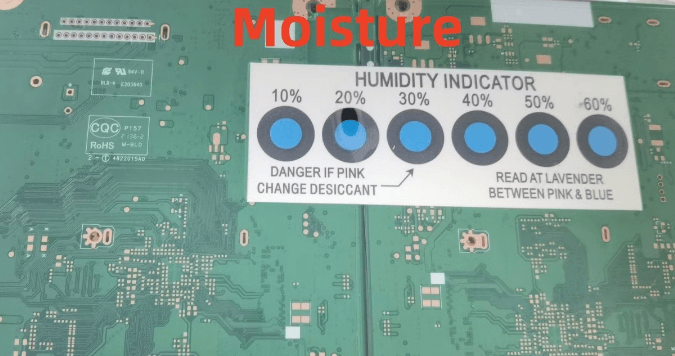
RF PCBs used in outdoor or harsh environments must withstand temperature fluctuations, humidity, and exposure to chemicals. Materials with robust environmental resistance ensure that the PCB maintains its performance and reliability over time. PTFE-based materials are known for their excellent chemical resistance and stability under varying environmental conditions.
Cost is another factor that cannot be ignored.
While high-performance materials like PTFE and ceramic-filled PTFE offer superior electrical and thermal properties, they can be more expensive than standard FR-4 materials. Designers must balance performance requirements with budget constraints to select the most appropriate material for their specific application.
In conclusion, understanding the basics of RF PCB materials involves considering a range of factors, including dielectric constant, dissipation factor, thermal management, mechanical properties, environmental resistance, and cost. By carefully evaluating these parameters, designers can select the most suitable materials to ensure optimal performance and reliability of their RF circuits. This comprehensive approach to material selection is essential for the successful design and manufacturing of high-frequency PCBs.
Comparing Different Types Of RF PCB Substrates
When designing radio frequency (RF) printed circuit boards (PCBs), the choice of substrate material is crucial to the performance and reliability of the final product. RF PCBs are used in a variety of applications, including telecommunications, radar systems, and wireless communication devices. The substrate material affects the signal integrity, thermal management, and overall efficiency of the RF circuit. Therefore, understanding the different types of RF PCB substrates and their respective properties is essential for engineers and designers.
One of the most commonly used RF PCB substrates is FR-4, a glass-reinforced epoxy laminate.
FR-4 is popular due to its low cost and widespread availability. However, it has limitations when it comes to high-frequency applications. The dielectric constant (Dk) of FR-4 is relatively high and varies with frequency, which can lead to signal loss and impedance mismatches. Additionally, FR-4 has higher dielectric losses, making it less suitable for applications requiring low signal attenuation.
In contrast, PTFE (polytetrafluoroethylene) substrates, such as those branded under the name Teflon, offer superior performance for high-frequency applications.
PTFE materials have a low and stable dielectric constant, which minimizes signal loss and ensures consistent impedance. Furthermore, PTFE substrates exhibit low dielectric losses, making them ideal for applications where signal integrity is paramount. However, PTFE materials are more expensive and can be challenging to process due to their softness and tendency to deform under mechanical stress.
Another notable RF PCB substrate is Rogers material, specifically the Rogers RO4000 series.
These materials are engineered to provide a balance between performance and cost. Rogers substrates have a low dielectric constant and low dielectric losses, similar to PTFE, but they are easier to process and more mechanically stable. This makes Rogers materials a popular choice for high-frequency applications where both performance and manufacturability are important considerations.
Ceramic-filled hydrocarbon materials, such as those in the Rogers RO3000 series, offer another alternative for RF PCB substrates.
These materials combine the benefits of ceramics and hydrocarbons, resulting in a substrate with a low dielectric constant, low dielectric losses, and excellent thermal stability. Ceramic-filled hydrocarbon substrates are particularly well-suited for applications that require high power handling and thermal management, such as power amplifiers and microwave circuits.
Additionally, liquid crystal polymer (LCP) substrates are gaining attention in the RF PCB industry.
LCP materials have a low and stable dielectric constant, low dielectric losses, and excellent moisture resistance. These properties make LCP substrates ideal for high-frequency and high-reliability applications, such as aerospace and defense systems. However, LCP materials can be more expensive and may require specialized processing techniques.
In summary, the choice of RF PCB substrate material depends on various factors, including the operating frequency, signal integrity requirements, thermal management needs, and cost considerations. FR-4 substrates are suitable for low-cost, low-frequency applications, while PTFE and Rogers materials offer superior performance for high-frequency circuits. Ceramic-filled hydrocarbon substrates provide a good balance of performance and thermal stability, and LCP substrates are ideal for high-reliability applications. By carefully evaluating the properties and trade-offs of each substrate material, engineers can select the most appropriate option for their specific RF PCB design requirements..
The Impact Of RF PCB Materials On Signal Integrity
The impact of RF PCB materials on signal integrity is a critical consideration in the design and performance of high-frequency electronic circuits. As the demand for faster and more reliable wireless communication systems continues to grow, the selection of appropriate materials for radio frequency (RF) printed circuit boards (PCBs) becomes increasingly important. This is because the materials used in RF PCBs can significantly influence the signal integrity, which in turn affects the overall performance of the electronic device.
To begin with, signal integrity refers to the quality and reliability of the electrical signals transmitted through a PCB.
In RF applications, maintaining signal integrity is paramount, as any degradation can lead to data loss, increased error rates, and reduced system performance. One of the primary factors that affect signal integrity is the dielectric constant (Dk) of the PCB material. The dielectric constant determines how much the material can store electrical energy and influences the speed at which signals propagate through the PCB. Materials with a low and stable dielectric constant are preferred for RF applications because they minimize signal delay and dispersion, ensuring that the signals remain clear and accurate.
Moreover, the loss tangent, or dissipation factor (Df), of the PCB material is another crucial parameter.
The loss tangent measures the amount of signal energy lost as heat within the material. A lower loss tangent indicates that less energy is dissipated, which is essential for maintaining signal strength over long distances. High-frequency signals are particularly susceptible to energy loss, so selecting materials with a low loss tangent is vital for preserving signal integrity in RF circuits.
In addition to the dielectric constant and loss tangent, the thermal properties of RF PCB materials also play a significant role in signal integrity.
High-frequency circuits often generate substantial amounts of heat, which can affect the performance and reliability of the PCB. Materials with good thermal conductivity and stability help to dissipate heat efficiently, preventing thermal-induced signal degradation and ensuring consistent performance under varying operating conditions.
Furthermore, the surface roughness of the copper traces on the PCB can impact signal integrity.
At high frequencies, the skin effect causes current to flow primarily on the surface of the conductor. Therefore, smoother copper surfaces reduce signal loss and improve signal transmission. Advanced manufacturing techniques, such as using low-profile copper foils, can help achieve the desired surface smoothness and enhance signal integrity.
Another important consideration is the compatibility of the PCB material with the manufacturing process.
RF PCBs often require precise fabrication techniques to achieve the necessary performance characteristics. Materials that are easy to process and have consistent properties can help ensure that the final product meets the stringent requirements of RF applications. Additionally, the material’s mechanical properties, such as flexibility and durability, should be taken into account to ensure long-term reliability and performance.
In conclusion, the choice of RF PCB materials has a profound impact on signal integrity and, consequently, the overall performance of high-frequency electronic devices. By carefully selecting materials with appropriate dielectric constants, low loss tangents, good thermal properties, smooth copper surfaces, and compatibility with manufacturing processes, designers can optimize signal integrity and achieve reliable, high-performance RF circuits. As technology continues to advance and the demand for faster and more efficient communication systems grows, the importance of selecting the right RF PCB materials will only become more pronounced.

Choosing The Right RF PCB Material For Your Application
Selecting the appropriate RF PCB material for your application is a critical decision that can significantly impact the performance, reliability, and cost of your electronic device. The choice of material influences various parameters, including signal integrity, thermal management, and mechanical stability. Therefore, understanding the key factors that should guide your selection process is essential.
To begin with, the dielectric constant (Dk) of the material is a primary considerati on.
The dielectric constant affects the speed at which signals propagate through the PCB. Materials with a low Dk are generally preferred for high-frequency applications because they minimize signal delay and dispersion. For instance, PTFE (Polytetrafluoroethylene) and ceramic-filled PTFE composites are popular choices due to their low dielectric constants and excellent high-frequency performance. However, these materials can be more expensive and challenging to process compared to standard FR-4 materials.
In addition to the dielectric constant, the loss tangent (Df) is another crucial parameter.
The loss tangent measures the amount of signal loss as the signal travels through the PCB material. A lower loss tangent is desirable for RF applications to ensure minimal signal attenuation and maintain signal integrity. Materials such as Rogers RO3000 and RO4000 series are known for their low loss tangents, making them suitable for high-frequency applications where signal integrity is paramount.
Thermal management is another vital aspect to consider when choosing RF PCB materials.
High-frequency circuits often generate significant amounts of heat, which can affect the performance and longevity of the components. Materials with high thermal conductivity can help dissipate heat more effectively, thereby enhancing the reliability of the device. For example, ceramic-filled PTFE materials not only offer low dielectric constants and loss tangents but also provide excellent thermal conductivity, making them ideal for high-power RF applications.
Mechanical stability is equally important, especially in environments subject to temperature fluctuations and mechanical stress.
Materials that exhibit low thermal expansion coefficients are preferred as they maintain dimensional stability under varying thermal conditions. This stability is crucial for ensuring consistent performance and preventing mechanical failures. For instance, materials like Rogers RT/duroid 6000 series offer low thermal expansion and high mechanical stability, making them suitable for demanding RF applications.
Cost is an inevitable factor in the selection process.
While high-performance materials like PTFE composites and ceramic-filled substrates offer superior electrical and thermal properties, they come at a higher cost. Balancing performance requirements with budget constraints is essential. In some cases, hybrid constructions that combine high-performance materials with more cost-effective substrates can provide an optimal solution. For example, using a high-frequency laminate for critical signal layers and standard FR-4 for other layers can achieve a balance between performance and cost.
In conclusion, choosing the right RF PCB material involves a careful evaluation of various factors, including dielectric constant, loss tangent, thermal management, mechanical stability, and cost. Each application has unique requirements, and the optimal material choice will depend on the specific performance criteria and budget constraints. By thoroughly understanding these factors and considering the trade-offs, you can select a material that ensures the best performance and reliability for your RF application.