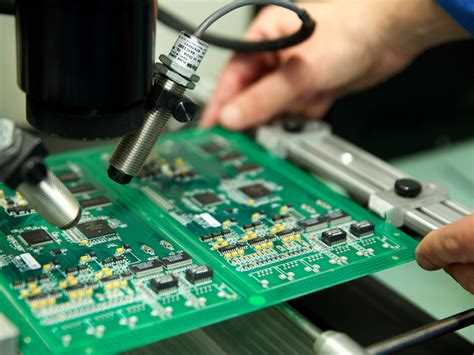
Rf pcb substrates
Understanding The Basics Of RF PCB Substrates
In the realm of modern electronics, the importance of Radio Frequency (RF) Printed Circuit Boards (PCBs) cannot be overstated. These specialized PCBs are integral to the functionality of a wide array of devices, from smartphones to sophisticated communication systems. Central to the performance of RF PCBs are the substrates used in their construction. Understanding the basics of RF PCB substrates is crucial for anyone involved in the design and manufacturing of high-frequency electronic devices.
To begin with, RF PCB substrates are the foundational materials upon which the circuit components are mounted.
These substrates must possess specific properties to handle the high-frequency signals that RF circuits typically operate with. One of the primary considerations is the dielectric constant (Dk) of the substrate material. The dielectric constant affects the signal speed and impedance of the circuit. Materials with a low and stable dielectric constant are preferred because they ensure minimal signal loss and consistent performance across a range of frequencies.
Another critical factor is the loss tangent, also known as the dissipation factor.
This parameter measures the energy loss of the signal as it propagates through the substrate material. A low loss tangent is desirable for RF applications because it indicates that the substrate will not significantly attenuate the signal, thereby preserving signal integrity. Materials such as PTFE (Polytetrafluoroethylene), commonly known by the brand name Teflon, are often used in RF PCB substrates due to their low loss tangent and stable dielectric properties.
Thermal management is another essential aspect to consider when selecting RF PCB substrates.
High-frequency circuits can generate substantial amounts of heat, which, if not properly managed, can lead to performance degradation or even failure of the electronic components. Substrates with good thermal conductivity help dissipate heat efficiently, ensuring the reliability and longevity of the RF PCB. Materials like ceramic-filled PTFE and certain types of laminates are known for their excellent thermal management properties.
Moreover, the mechanical properties of the substrate material also play a significant role.
RF PCBs often require precise and intricate designs, which necessitate substrates that can be easily fabricated and maintain dimensional stability. Flexibility and durability are also important, especially in applications where the PCB may be subjected to mechanical stress or environmental factors. Advanced materials such as Rogers laminates and other high-performance composites are frequently employed to meet these stringent requirements.
In addition to these technical considerations, cost and availability are practical factors that influence the choice of RF PCB substrates.
While high-performance materials offer superior electrical and thermal properties, they can be more expensive and harder to source. Therefore, designers and manufacturers must strike a balance between performance and cost, selecting substrates that meet the necessary specifications without exceeding budget constraints.
In conclusion, the selection of RF PCB substrates is a multifaceted decision that impacts the overall performance, reliability, and cost-effectiveness of high-frequency electronic devices. By understanding the key properties such as dielectric constant, loss tangent, thermal management, and mechanical stability, designers can make informed choices that optimize the functionality of their RF circuits. As technology continues to advance, the development of new and improved substrate materials will undoubtedly play a pivotal role in the evolution of RF PCB design and manufacturing.
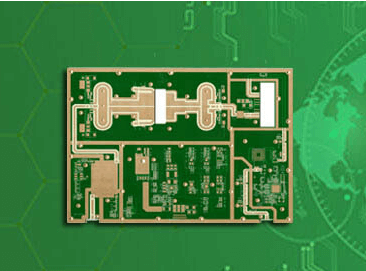
Key Factors In Choosing The Right RF PCB Substrate
Selecting the appropriate RF PCB substrate is a critical decision that significantly impacts the performance, reliability, and cost-effectiveness of radio frequency (RF) circuits. The choice of substrate material can influence various parameters, including signal integrity, thermal management, and manufacturability. Therefore, understanding the key factors involved in this selection process is essential for engineers and designers working in the field of RF technology.
One of the primary considerations when choosing an RF PCB substrate is the dielectric constant (Dk) of the material.
The dielectric constant affects the speed at which signals propagate through the substrate and can influence impedance matching and signal integrity. Materials with a low dielectric constant are generally preferred for high-frequency applications because they minimize signal loss and dispersion. However, it is also important to ensure that the dielectric constant remains stable over the operating frequency range to maintain consistent performance.
In addition to the dielectric constant, the loss tangent (Df) of the substrate material is another crucial factor.
The loss tangent measures the amount of signal loss due to the inherent properties of the material. A lower loss tangent is desirable for RF applications as it reduces signal attenuation and enhances overall efficiency. This is particularly important in high-frequency circuits where even small losses can significantly degrade performance.
Thermal management is another key aspect to consider when selecting an RF PCB substrate.
High-frequency circuits often generate substantial amounts of heat, which can affect the performance and longevity of the components. Therefore, materials with good thermal conductivity are essential to dissipate heat effectively and maintain the reliability of the circuit. Additionally, the coefficient of thermal expansion (CTE) should be compatible with other materials used in the PCB to prevent mechanical stress and potential failure due to thermal cycling.
The mechanical properties of the substrate material also play a significant role in the selection process.
Factors such as rigidity, flexibility, and durability can impact the manufacturability and long-term reliability of the PCB. For instance, materials that are too rigid may be prone to cracking during fabrication or operation, while those that are too flexible may not provide adequate support for the components. Therefore, a balance must be struck to ensure that the substrate material meets the mechanical requirements of the specific application.
Cost is another important consideration when choosing an RF PCB substrate.
While high-performance materials may offer superior electrical and thermal properties, they can also be significantly more expensive. Therefore, it is essential to evaluate the cost-benefit ratio and determine whether the performance gains justify the additional expense. In some cases, it may be possible to achieve the desired performance using a more cost-effective material by optimizing the design and layout of the PCB.
Finally, the availability and ease of processing of the substrate material should not be overlooked.
Some high-performance materials may require specialized fabrication techniques or equipment, which can increase production time and costs. Therefore, it is important to consider the compatibility of the substrate material with existing manufacturing processes and capabilities.
In conclusion, selecting the right RF PCB substrate involves a careful evaluation of multiple factors, including dielectric constant, loss tangent, thermal management, mechanical properties, cost, and manufacturability. By considering these key aspects, engineers and designers can make informed decisions that optimize the performance, reliability, and cost-effectiveness of their RF circuits.
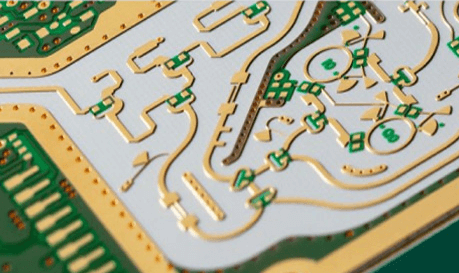
Comparing Different Types Of RF PCB Substrate Materials
When comparing different types of RF PCB substrate materials, it is essential to consider various factors that influence the performance, cost, and suitability of these materials for specific applications. RF PCB substrates are critical in high-frequency circuits, where signal integrity, dielectric properties, and thermal management play pivotal roles. The choice of substrate material can significantly impact the overall performance of the RF circuit, making it imperative to understand the characteristics and trade-offs associated with each type.
One of the most commonly used RF PCB substrate materials is FR-4, a glass-reinforced epoxy laminate.
FR-4 is widely favored due to its cost-effectiveness and mechanical stability. However, its dielectric constant (Dk) and dissipation factor (Df) are not ideal for high-frequency applications. The relatively high Dk of FR-4 can lead to signal loss and impedance mismatches, making it less suitable for applications requiring precise signal integrity. Despite these limitations, FR-4 remains a popular choice for low-frequency RF applications and cost-sensitive projects.
In contrast, PTFE (polytetrafluoroethylene) substrates, often referred to by the brand name Teflon, offer superior electrical properties.
PTFE substrates exhibit a low dielectric constant and low dissipation factor, which are crucial for minimizing signal loss and maintaining signal integrity at high frequencies. Additionally, PTFE materials have excellent thermal stability and chemical resistance, making them suitable for harsh environments. However, the primary drawback of PTFE substrates is their higher cost compared to FR-4, which can be a limiting factor for budget-conscious projects.
Another notable RF PCB substrate material is Rogers RO4000 series, which combines the benefits of both FR-4 and PTFE.
Rogers RO4000 substrates offer a low dielectric constant and low dissipation factor, similar to PTFE, but at a more affordable price point. These materials also provide good thermal management and mechanical stability, making them a versatile choice for a wide range of RF applications. The Rogers RO4000 series is particularly well-suited for applications that require a balance between performance and cost.
Ceramic-filled hydrocarbon materials, such as Rogers RO3000 series, are another option for RF PCB substrates.
These materials offer excellent electrical properties, including a low dielectric constant and low dissipation factor, which are essential for high-frequency performance. Additionally, ceramic-filled hydrocarbon substrates provide superior thermal conductivity, which helps in managing heat dissipation in high-power applications. However, similar to PTFE, the cost of ceramic-filled hydrocarbon materials can be relatively high, which may limit their use in cost-sensitive projects.
Furthermore, liquid crystal polymer (LCP) substrates have gained attention in recent years due to their unique properties.
LCP substrates offer a low dielectric constant, low dissipation factor, and excellent thermal stability. These materials are also highly flexible, making them suitable for applications that require flexible circuits. However, the processing and handling of LCP substrates can be challenging, and their cost is generally higher than traditional materials like FR-4.
In conclusion, the selection of RF PCB substrate materials involves a careful evaluation of various factors, including dielectric properties, thermal management, mechanical stability, and cost. While FR-4 remains a popular choice for low-frequency and cost-sensitive applications, materials like PTFE, Rogers RO4000, ceramic-filled hydrocarbon, and LCP offer superior performance for high-frequency circuits. Each material presents its own set of advantages and trade-offs, making it essential for designers to consider the specific requirements of their application when choosing the most appropriate RF PCB substrate.
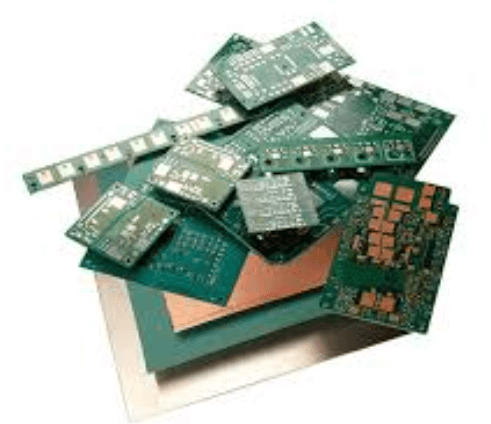
The Impact Of RF PCB Substrates On Signal Integrity
The impact of RF PCB substrates on signal integrity is a critical consideration in the design and performance of high-frequency electronic circuits. As the demand for faster and more reliable wireless communication systems continues to grow, the importance of selecting the appropriate RF PCB substrate cannot be overstated. The choice of substrate material directly influences the electrical performance, thermal management, and overall reliability of the printed circuit board (PCB).
One of the primary factors affecting signal integrity in RF PCBs is the dielectric constant (Dk) of the substrate material.
The dielectric constant determines how much the substrate will affect the speed and propagation of the signal. Materials with a low dielectric constant are generally preferred for high-frequency applications because they minimize signal delay and dispersion. This ensures that the signal maintains its integrity over longer distances, which is crucial for applications such as radar systems, satellite communications, and high-speed data transfer.
In addition to the dielectric constant, the loss tangent (Df) of the substrate material is another critical parameter.
The loss tangent measures the amount of signal loss due to the inherent properties of the substrate. A lower loss tangent indicates that the material will cause less signal attenuation, thereby preserving signal strength and quality. This is particularly important in RF applications where even minor signal losses can lead to significant performance degradation. Therefore, selecting a substrate with a low loss tangent is essential for maintaining high signal integrity.
Thermal management is another aspect where RF PCB substrates play a vital role.
High-frequency circuits often generate substantial amounts of heat, which can adversely affect signal integrity and overall system performance. Substrates with good thermal conductivity help dissipate heat more effectively, thereby reducing the risk of thermal-induced signal degradation. Materials such as ceramic-filled PTFE and certain types of laminates are known for their excellent thermal management properties, making them suitable choices for high-power RF applications.
Moreover, the mechanical properties of the substrate material also influence signal integrity.
Factors such as dimensional stability, moisture absorption, and thermal expansion can impact the performance of the PCB. For instance, materials that exhibit high moisture absorption can lead to changes in the dielectric constant and loss tangent, thereby affecting signal integrity. Similarly, substrates with poor dimensional stability can cause misalignment of circuit traces, leading to signal distortion and loss. Therefore, it is crucial to select materials that offer robust mechanical properties to ensure consistent performance.
The surface roughness of the substrate material is another factor that can affect signal integrity. A rough surface can increase the effective dielectric constant and loss tangent, leading to higher signal attenuation. Advanced manufacturing techniques, such as smooth copper plating and precision etching, are employed to minimize surface roughness and enhance signal integrity.
In conclusion, the choice of RF PCB substrate has a profound impact on signal integrity. Parameters such as dielectric constant, loss tangent, thermal management, mechanical properties, and surface roughness all play a crucial role in determining the performance of high-frequency circuits. As the demand for advanced wireless communication systems continues to rise, the importance of selecting the appropriate substrate material becomes even more critical. By carefully considering these factors, designers can ensure that their RF PCBs deliver optimal performance, reliability, and signal integrity.