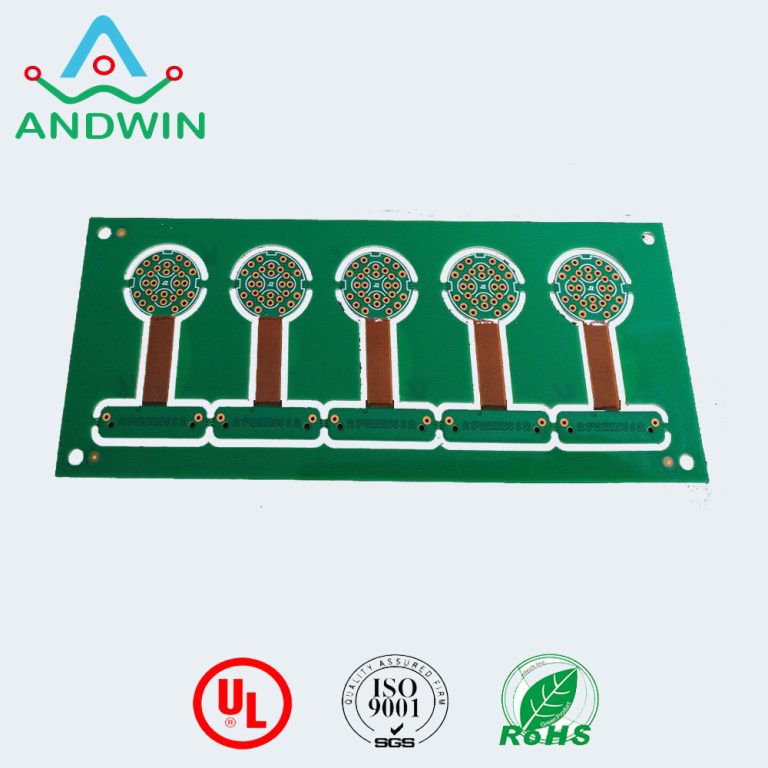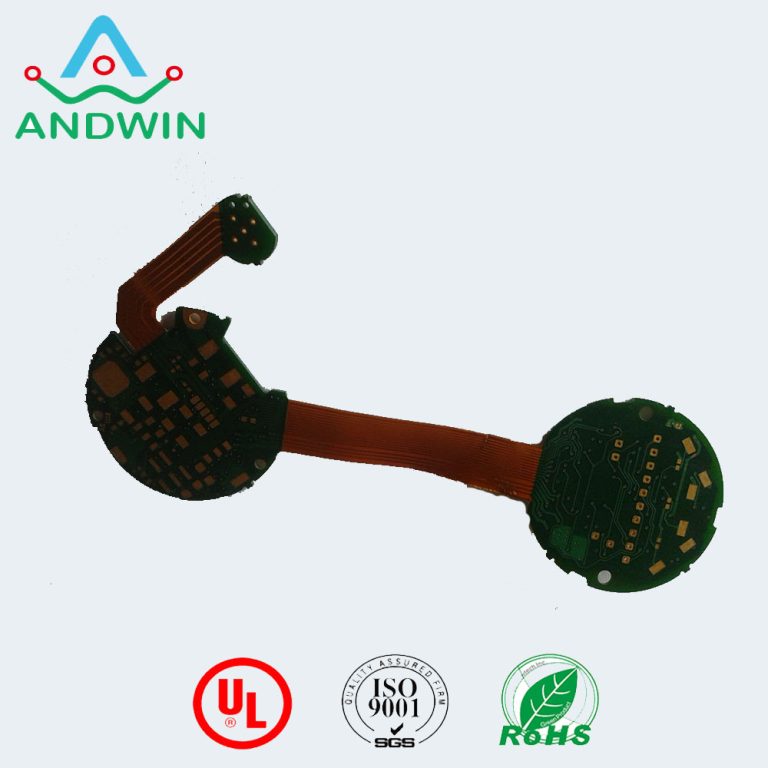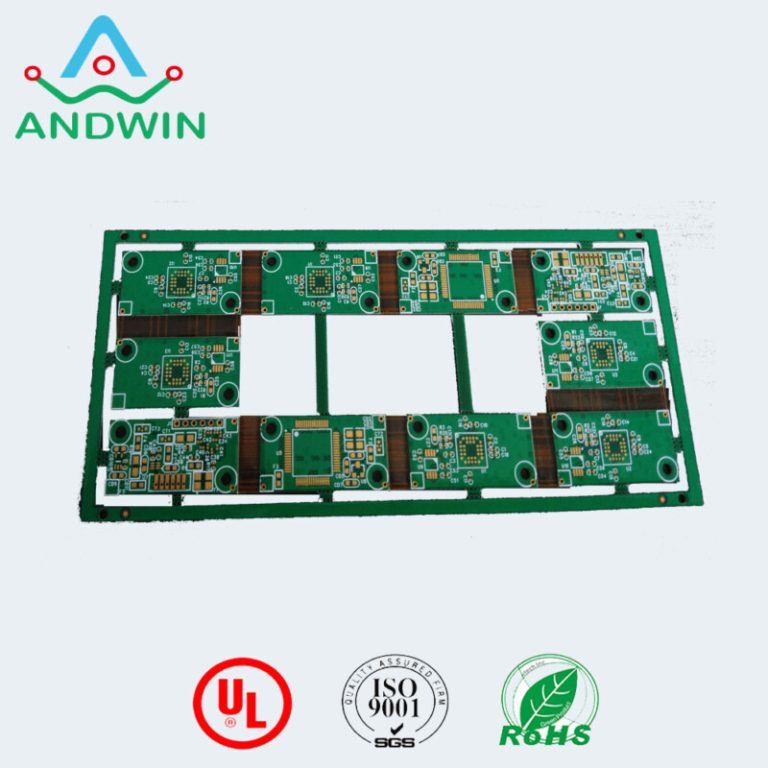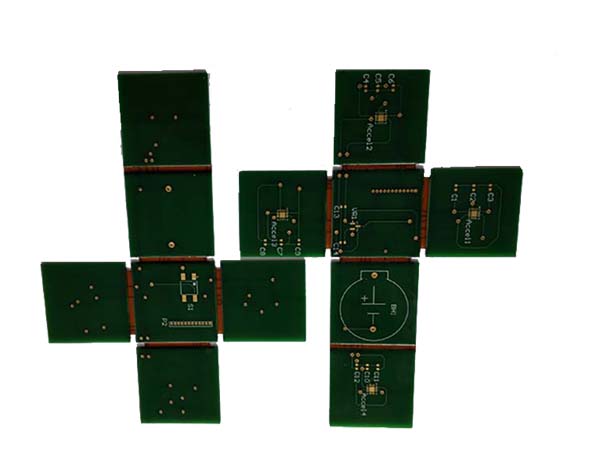
Rigid flex pcb assembly
Benefits Of Rigid Flex PCB Assembly In Modern Electronics
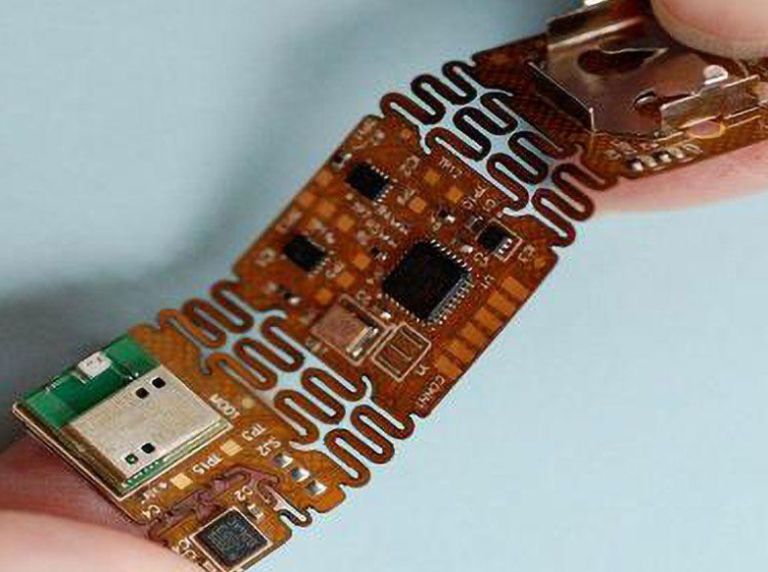
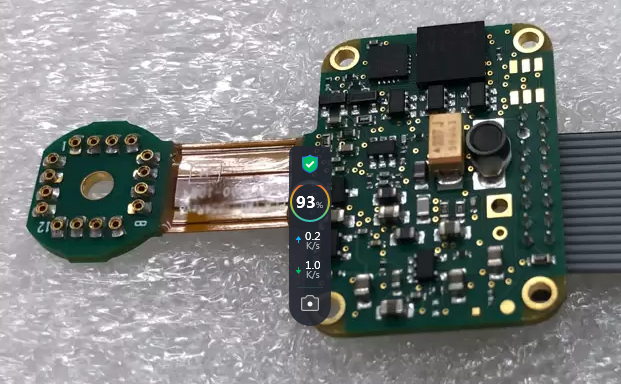
Rigid flex PCB assembly has emerged as a pivotal technology in the realm of modern electronics, offering a multitude of benefits that cater to the evolving demands of contemporary devices. This innovative approach combines the best attributes of both rigid and flexible circuit boards, resulting in a hybrid solution that enhances performance, reliability, and design versatility. As electronic devices continue to shrink in size while increasing in functionality, the advantages of rigid flex PCB assembly become increasingly significant.
One of the primary benefits of rigid flex PCB assembly is its ability to save space and reduce weight.
Traditional rigid PCBs can be bulky and may require additional connectors and cables to link different sections of a device. In contrast, rigid flex PCBs integrate flexible circuits with rigid sections, allowing for more compact and lightweight designs. This is particularly advantageous in applications such as smartphones, wearable technology, and medical devices, where space constraints are critical. By minimizing the need for connectors and cables, rigid flex PCBs also contribute to a reduction in overall system weight, which is essential for portable and handheld devices.
Moreover, the enhanced reliability of rigid flex PCB assembly cannot be overstated.
The elimination of connectors and cables not only saves space but also reduces potential points of failure. Connectors and cables are often susceptible to wear and tear, which can lead to intermittent connections or complete failure over time. Rigid flex PCBs, with their integrated design, offer a more robust solution that can withstand mechanical stress and environmental factors. This increased durability is particularly beneficial in applications that require high reliability, such as aerospace, automotive, and industrial electronics.
In addition to space-saving and reliability, rigid flex PCB assembly offers significant design flexibility.
The ability to bend and fold flexible sections allows designers to create complex three-dimensional shapes that would be impossible with traditional rigid PCBs. This opens up new possibilities for innovative product designs and can lead to more ergonomic and user-friendly devices. For instance, in the medical field, rigid flex PCBs enable the development of compact and flexible diagnostic tools that can be easily maneuvered within the human body. Similarly, in consumer electronics, this technology allows for the creation of sleek and aesthetically pleasing products that meet the high expectations of modern consumers.
Furthermore, the integration of rigid and flexible circuits in a single assembly simplifies the manufacturing process.
By reducing the number of separate components and interconnections, rigid flex PCB assembly streamlines production and can lead to cost savings. This is particularly important in high-volume manufacturing, where efficiency and cost-effectiveness are paramount. Additionally, the reduced complexity of the assembly process can result in shorter lead times and faster time-to-market for new products, giving companies a competitive edge in the fast-paced electronics industry.
In conclusion, the benefits of rigid flex PCB assembly in modern electronics are manifold. The space-saving and weight-reducing properties, coupled with enhanced reliability and design flexibility, make this technology an ideal choice for a wide range of applications. Moreover, the simplified manufacturing process and potential cost savings further underscore its value. As electronic devices continue to evolve, the adoption of rigid flex PCB assembly is likely to increase, driving innovation and enabling the development of next-generation products that meet the ever-growing demands of consumers and industries alike.
Key Design Considerations For Rigid Flex PCB Assembly
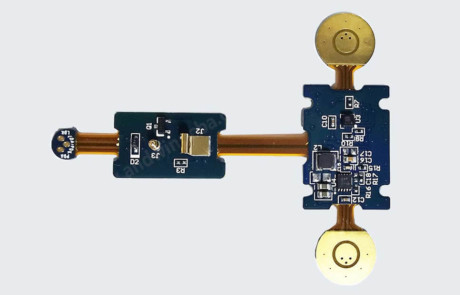
Rigid flex PCB assembly is a sophisticated process that combines the best attributes of both rigid and flexible circuit boards, offering a versatile solution for complex electronic applications. As the demand for compact, reliable, and high-performance electronic devices continues to grow, understanding the key design considerations for rigid flex PCB assembly becomes increasingly crucial. This article delves into the essential factors that engineers and designers must account for to ensure the successful implementation of rigid flex PCBs.
To begin with, one of the primary considerations in rigid flex PCB design is the selection of appropriate materials.
The choice of materials significantly impacts the performance, durability, and manufacturability of the final product. Typically, rigid sections are made from FR4, a widely used glass-reinforced epoxy laminate, while the flexible sections utilize polyimide, known for its excellent thermal stability and flexibility. It is essential to ensure that these materials are compatible and can withstand the thermal and mechanical stresses encountered during the assembly process.
Another critical aspect is the layer stack-up configuration.
Rigid flex PCBs often consist of multiple layers, including both rigid and flexible sections. The stack-up must be meticulously planned to achieve the desired electrical performance and mechanical integrity. Designers must carefully consider the placement of signal, power, and ground layers to minimize electromagnetic interference (EMI) and ensure signal integrity. Additionally, the transition areas between rigid and flexible sections require special attention to avoid stress concentration and potential failure points.
Furthermore, the design of the bend areas in flexible sections is paramount.
These areas must be engineered to accommodate the required bending radius without causing damage to the conductive traces or the insulating material. It is advisable to use curved traces instead of sharp angles and to distribute the bending stress evenly across the flex section. Properly designed bend areas enhance the reliability and longevity of the rigid flex PCB, especially in applications involving repeated flexing or dynamic movements.
Thermal management is another vital consideration in rigid flex PCB assembly.
The combination of rigid and flexible materials can lead to varying thermal expansion rates, which may cause delamination or other mechanical issues if not properly managed. Designers should incorporate thermal reliefs and consider the use of heat sinks or thermal vias to dissipate heat effectively. Additionally, conducting thorough thermal simulations during the design phase can help identify potential hotspots and optimize the thermal performance of the PCB.
Moreover, the choice of surface finishes plays a significant role in the manufacturability and reliability of rigid flex PCBs.
Common surface finishes include HASL (Hot Air Solder Leveling), ENIG (Electroless Nickel Immersion Gold), and OSP (Organic Solderability Preservative). Each finish has its advantages and limitations, and the selection should be based on factors such as solderability, shelf life, and environmental considerations. For instance, ENIG is preferred for its excellent surface planarity and corrosion resistance, making it suitable for fine-pitch components and high-reliability applications.
Lastly, the assembly process itself demands careful planning and execution.
Rigid flex PCBs often require specialized handling and fixturing to prevent damage during assembly. Automated optical inspection (AOI) and X-ray inspection are recommended to ensure the quality and integrity of solder joints, especially in complex designs with high component density. Additionally, it is crucial to collaborate closely with experienced manufacturers who possess the expertise and equipment necessary to handle the unique challenges of rigid flex PCB assembly.
In conclusion, the successful design and assembly of rigid flex PCBs hinge on a comprehensive understanding of material selection, layer stack-up configuration, bend area design, thermal management, surface finishes, and assembly processes. By meticulously addressing these key considerations, engineers and designers can harness the full potential of rigid flex technology, paving the way for innovative and reliable electronic solutions.
Common Challenges And Solutions In Rigid Flex PCB Assembly
Rigid flex PCB assembly is a sophisticated process that combines the benefits of both rigid and flexible circuit boards, offering enhanced design versatility and improved performance in various applications. However, this complexity also introduces several challenges that must be addressed to ensure successful assembly. One of the primary challenges in rigid flex PCB assembly is the precise alignment of the rigid and flexible sections. Misalignment can lead to connectivity issues and mechanical stress, which can compromise the integrity of the entire assembly. To mitigate this, manufacturers often employ advanced alignment techniques and use specialized equipment to ensure that the rigid and flexible sections are accurately positioned during the assembly process.
Another significant challenge is the management of thermal expansion.
Rigid and flexible materials have different coefficients of thermal expansion, which can cause warping or delamination when subjected to temperature variations. To address this, designers must carefully select materials with compatible thermal properties and employ thermal management strategies, such as the use of heat sinks or thermal vias, to dissipate heat effectively. Additionally, conducting thorough thermal simulations during the design phase can help identify potential issues and allow for adjustments before the manufacturing process begins.
The complexity of the design itself poses another challenge.
Rigid flex PCBs often require intricate layouts to accommodate the various components and interconnections. This complexity can lead to difficulties in routing and signal integrity, particularly in high-speed applications. To overcome this, designers must utilize advanced design software that can handle the intricacies of rigid flex layouts and ensure that signal paths are optimized for minimal interference and maximum performance. Furthermore, adhering to design guidelines and best practices, such as maintaining appropriate trace widths and spacing, can help mitigate these issues.
Manufacturing tolerances also play a crucial role in rigid flex PCB assembly.
The combination of rigid and flexible sections necessitates tight tolerances to ensure proper fit and function. Variations in material thickness, layer alignment, and component placement can all impact the final assembly. To address this, manufacturers must implement stringent quality control measures throughout the production process, including regular inspections and testing to verify that all components meet the required specifications. Employing automated optical inspection (AOI) and X-ray inspection can further enhance the accuracy and reliability of the assembly.
Soldering is another area where challenges can arise.
The different thermal properties of rigid and flexible materials can lead to uneven heating during the soldering process, resulting in poor solder joints or component damage. To mitigate this, manufacturers often use controlled reflow soldering techniques and carefully monitor the temperature profiles to ensure even heating and proper solder joint formation. Additionally, the use of low-temperature solder alloys can help reduce the risk of thermal damage to sensitive components.
Finally, the mechanical reliability of the assembled rigid flex PCB is a critical consideration.
The flexible sections must withstand repeated bending and flexing without compromising the electrical connections or causing mechanical failure. To enhance reliability, designers can incorporate strain relief features, such as bend radii and stiffeners, to distribute mechanical stress more evenly and reduce the likelihood of damage. Conducting rigorous mechanical testing, including flex and bend tests, can also help ensure that the final assembly meets the required durability standards.
In conclusion, while rigid flex PCB assembly presents several challenges, these can be effectively managed through careful design, material selection, and manufacturing processes. By addressing issues related to alignment, thermal expansion, design complexity, manufacturing tolerances, soldering, and mechanical reliability, manufacturers can produce high-quality rigid flex PCBs that meet the demanding requirements of modern electronic applications.
Future Trends In Rigid Flex PCB Assembly Technology
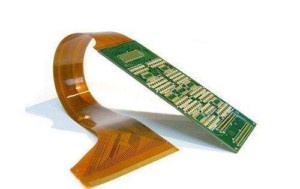
Rigid flex PCB assembly technology has been a cornerstone in the evolution of electronic devices, offering a unique combination of the benefits of both rigid and flexible circuit boards. As the demand for more compact, reliable, and versatile electronic devices continues to grow, the future trends in rigid flex PCB assembly technology are poised to address these needs through several innovative advancements.
One of the most significant trends is the increasing miniaturization of electronic components.
As devices become smaller, the need for more compact and efficient PCB designs becomes paramount. Rigid flex PCBs are particularly well-suited for this trend due to their ability to integrate multiple components into a single, cohesive unit. This not only reduces the overall size of the device but also enhances its reliability by minimizing the number of interconnections that could potentially fail.
In addition to miniaturization, there is a growing emphasis on improving the durability and longevity of electronic devices.
Rigid flex PCBs are inherently more robust than their traditional counterparts, as they can withstand higher levels of mechanical stress and environmental factors. Future advancements in materials science are expected to further enhance the durability of these PCBs, making them even more suitable for use in harsh environments such as aerospace, automotive, and industrial applications.
Another trend shaping the future of rigid flex PCB assembly technology is the increasing complexity of electronic devices.
As devices become more sophisticated, the need for more intricate and multi-layered PCB designs becomes evident. Rigid flex PCBs offer the flexibility to create complex, multi-layered circuits that can accommodate a wide range of components and functionalities. This capability is particularly important in the development of advanced technologies such as 5G, IoT, and wearable devices, where space constraints and performance requirements are critical.
Moreover, the rise of automation and advanced manufacturing techniques is set to revolutionize the rigid flex PCB assembly process.
Automated assembly lines, equipped with state-of-the-art machinery and robotics, can significantly enhance the precision and efficiency of PCB production. This not only reduces the time and cost associated with manufacturing but also ensures a higher level of consistency and quality in the final product. As a result, manufacturers can meet the growing demand for high-performance electronic devices more effectively.
Sustainability is another key factor influencing the future of rigid flex PCB assembly technology.
With increasing awareness of environmental itesting technologies are set to play a crucial role in the future of rigid flex PCB assembly.
Enhanced simulation tools allow engineers to design and test PCBs virtually, identifying potential issues and optimizing performance before physical production begins. This not only accelerates the development process but also reduces the likelihood of costly errors and rework. Additionally, advanced testing methods, such as automated optical inspection (AOI) and X-ray inspection, ensure that each PCB meets stringent quality standards.
In conclusion, the future of rigid flex PCB assembly technology is characterized by several promising trends, including miniaturization, enhanced durability, increased complexity, automation, sustainability, and advanced simulation and testing. These advancements are set to drive the development of more compact, reliable, and versatile electronic devices, meeting the ever-evolving demands of various industries and consumers. As technology continues to advance, rigid flex PCBs will undoubtedly play a pivotal role in shaping the next generation of electronic innovations.