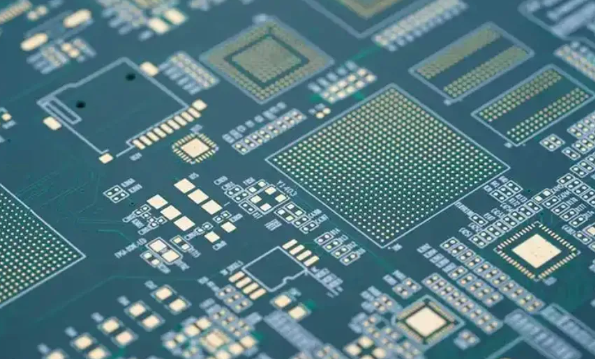
Rigid flex pcb baking
Importance Of Rigid Flex PCB Baking Before Assembly
The importance of baking rigid flex PCBs before assembly cannot be overstated, as it plays a crucial role in ensuring the reliability and performance of the final product. Rigid flex PCBs, which combine the benefits of both rigid and flexible circuit boards, are increasingly used in various high-performance applications, including aerospace, medical devices, and consumer electronics.
These applications demand the highest levels of reliability and durability, making the pre-assembly baking process an essential step in the manufacturing workflow.
One of the primary reasons for baking rigid flex PCBs before assembly is to eliminate moisture content.
During the manufacturing process, PCBs can absorb moisture from the environment, which can lead to several issues during the soldering process. When exposed to the high temperatures of soldering, the absorbed moisture can vaporize, causing delamination, blistering, and other forms of physical damage to the PCB. By baking the PCBs, manufacturers can effectively remove this moisture, thereby preventing these potential defects and ensuring the structural integrity of the board.
Moreover, the presence of moisture can also lead to electrical performance issues.
Moisture trapped within the PCB layers can cause ionic contamination, which can result in electrical leakage and reduced insulation resistance. These issues can compromise the overall performance and reliability of the electronic device. Baking the PCBs before assembly helps to mitigate these risks by ensuring that the boards are free from moisture and other contaminants that could adversely affect their electrical properties.
In addition to moisture removal, baking rigid flex PCBs also helps to stabilize the materials used in their construction.
The thermal cycling involved in the baking process can relieve internal stresses within the PCB materials, such as the copper traces and dielectric layers. This stress relief is particularly important for rigid flex PCBs, as they are often subjected to mechanical bending and flexing during their use. By stabilizing the materials, baking helps to enhance the mechanical robustness of the PCBs, reducing the likelihood of cracks and other mechanical failures over time.
Furthermore, the baking pro#cess can improve the adhesion of solder masks and other surface finishes.
Proper adhesion is critical for ensuring the long-term reliability of the PCB, as poor adhesion can lead to issues such as solder mask lifting and corrosion of the underlying copper traces. By baking the PCBs, manufacturers can promote better adhesion of these surface finishes, thereby enhancing the overall durability and performance of the board.
It is also worth noting that the baking process must be carefully controlled to achieve the desired results.
Factors such as temperature, duration, and the specific materials used in the PCB construction must be taken into account to ensure optimal moisture removal and material stabilization. Manufacturers typically follow industry standards and guidelines to determine the appropriate baking parameters for their specific PCB designs.
In conclusion, baking rigid flex PCBs before assembly is a critical step that significantly contributes to the reliability, performance, and longevity of the final product. By effectively removing moisture, stabilizing materials, and improving surface finish adhesion, the baking process helps to prevent a range of potential defects and performance issues. As the demand for high-performance electronic devices continues to grow, the importance of this pre-assembly step will only become more pronounced, underscoring the need for meticulous attention to detail in the PCB manufacturing process.
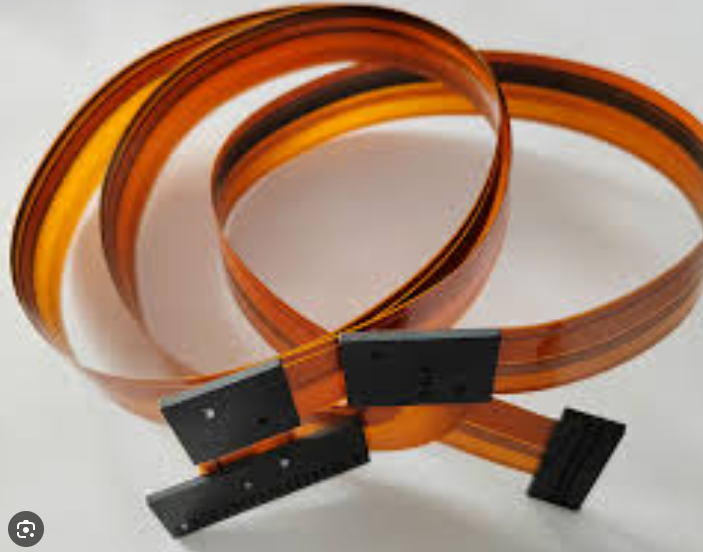
Step-By-Step Guide To Properly Baking Rigid Flex PCBs
Baking rigid flex PCBs is a critical process in the manufacturing of these versatile circuit boards, ensuring their reliability and performance. Proper baking eliminates moisture and other contaminants that can compromise the integrity of the PCB. To achieve optimal results, it is essential to follow a systematic approach, adhering to industry standards and best practices.
The first step in the baking process is to prepare the rigid flex PCBs.
This involves inspecting the boards for any visible defects or contaminants that could affect the baking process. It is crucial to handle the PCBs with care, using appropriate tools and protective gear to prevent any damage or contamination. Once the boards are inspected and deemed ready, they should be placed on a clean, flat surface to ensure even heat distribution during baking.
Next, it is important to preheat the oven to the recommended temperature.
The specific temperature and duration for baking rigid flex PCBs can vary depending on the materials used and the manufacturer’s guidelines. Generally, a temperature range of 100°C to 125°C is recommended, with a baking duration of 2 to 4 hours. Preheating the oven ensures that the PCBs are exposed to a consistent temperature throughout the baking process, which is crucial for effective moisture removal.
Once the oven is preheated, the rigid flex PCBs should be carefully placed inside.
It is advisable to use a baking tray or rack that allows for proper air circulation around the boards. This helps to ensure that the heat is evenly distributed, preventing any hotspots that could potentially damage the PCBs. Additionally, it is important to avoid stacking the boards on top of each other, as this can impede airflow and result in uneven baking.
During the baking process, it is essential to monitor the temperature and duration closely.
Using a reliable oven thermometer can help ensure that the temperature remains within the recommended range. It is also advisable to set a timer to keep track of the baking duration. Regularly checking the oven and the PCBs can help identify any issues early on, allowing for timely adjustments to be made if necessary.
After the baking duration is complete, it is important to allow the rigid flex PCBs to cool gradually.
Rapid cooling can cause thermal shock, leading to potential damage or warping of the boards. It is recommended to turn off the oven and leave the PCBs inside until they reach room temperature. This gradual cooling process helps to maintain the structural integrity of the boards and ensures that they are ready for the next stages of manufacturing or assembly.
In conclusion, properly baking rigid flex PCBs is a meticulous process that requires careful preparation, precise temperature control, and close monitoring. By following a step-by-step approach and adhering to industry guidelines, manufacturers can effectively eliminate moisture and contaminants, ensuring the reliability and performance of the PCBs. This process not only enhances the quality of the final product but also contributes to the overall efficiency and success of the manufacturing process.
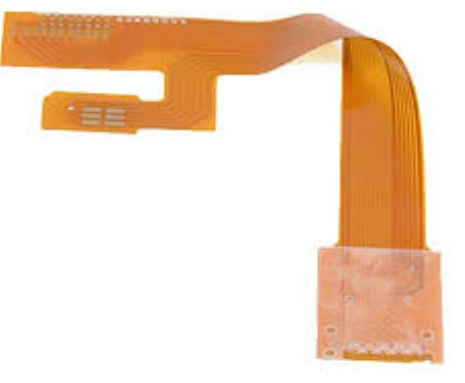
Common Mistakes To Avoid When Baking Rigid Flex PCBs
When baking rigid flex PCBs, it is crucial to avoid common mistakes that can compromise the integrity and functionality of the final product. One of the most frequent errors is neglecting to properly pre-bake the materials. Pre-baking is essential to remove any residual moisture that may be present in the substrates. Failure to do so can result in delamination or blistering during the subsequent manufacturing processes. Therefore, it is imperative to follow the recommended pre-baking guidelines for the specific materials being used.
Another common mistake is not adhering to the correct temperature profiles.
Each type of rigid flex PCB material has its own optimal temperature range for baking. Deviating from these specified temperatures can lead to thermal stress, which may cause warping or other structural deformities. It is essential to use precise temperature control equipment and to monitor the baking process closely to ensure that the temperature remains within the acceptable range.
In addition to temperature control, the duration of the baking process is equally important.
Over-baking or under-baking can both have detrimental effects on the PCB. Over-baking can cause the materials to become brittle, while under-baking may leave residual moisture, leading to potential failures in the field. It is crucial to follow the recommended baking times and to make adjustments based on the specific requirements of the materials and the design of the PCB.
Another pitfall to avoid is improper handling of the PCBs during the baking process.
Handling the boards with bare hands can introduce contaminants such as oils and dirt, which can affect the adhesion of subsequent layers or cause defects in the circuitry. It is advisable to use clean gloves and to handle the boards by their edges to minimize the risk of contamination.
Furthermore, it is important to ensure that the baking environment is clean and free from dust and other particulates. Contaminants in the air can settle on the PCBs during the baking process, leading to defects and potential failures. Using a cleanroom or a controlled environment can help mitigate this risk and ensure the quality of the final product.
Another mistake to avoid is not properly supporting the PCBs during baking.
Rigid flex PCBs can be prone to warping if not adequately supported. Using appropriate fixtures or supports can help maintain the flatness and dimensional stability of the boards during the baking process. This is particularly important for larger or more complex designs, where even slight warping can lead to alignment issues during assembly.
Lastly, it is essential to conduct thorough inspections after the baking process.
Visual inspections can help identify any obvious defects, such as warping, delamination, or surface contamination. Additionally, electrical testing can verify the integrity of the circuitry and ensure that the PCBs meet the required specifications. By conducting these inspections, any issues can be identified and addressed before the PCBs move on to the next stage of manufacturing.
In conclusion, avoiding common mistakes when baking rigid flex PCBs is crucial to ensuring the quality and reliability of the final product. By adhering to proper pre-baking procedures, maintaining precise temperature control, handling the boards correctly, ensuring a clean environment, providing adequate support, and conducting thorough inspections, manufacturers can minimize the risk of defects and produce high-quality PCBs that meet the required specifications.
Benefits Of Baking Rigid Flex PCBs For Enhanced Durability
Baking rigid flex PCBs is a crucial step in the manufacturing process that significantly enhances their durability and reliability. This procedure involves subjecting the printed circuit boards (PCBs) to controlled heat treatment, which serves multiple purposes, ultimately contributing to the overall performance and longevity of the electronic devices in which they are used.
One of the primary benefits of baking rigid flex PCBs is the reduction of moisture content.
During the manufacturing process, PCBs can absorb moisture from the environment, which can lead to several issues, including delamination, blistering, and other forms of physical damage. By baking the PCBs, manufacturers can effectively remove this absorbed moisture, thereby mitigating the risk of such defects. This moisture removal is particularly important for rigid flex PCBs, which are often used in applications where reliability is paramount, such as in aerospace, medical devices, and high-performance consumer electronics.
In addition to moisture removal, baking also helps in stress relief within the PCB materials.
The manufacturing process involves various stages of heating and cooling, which can introduce internal stresses in the materials. These stresses, if not addressed, can lead to warping, cracking, or other mechanical failures over time. By subjecting the PCBs to a controlled baking process, these internal stresses are alleviated, resulting in a more stable and robust final product. This stress relief is especially beneficial for rigid flex PCBs, which must maintain their structural integrity while being flexible enough to accommodate complex designs and movements.
Furthermore, baking rigid flex PCBs enhances the adhesion of the different layers within the board.
Rigid flex PCBs are composed of multiple layers of rigid and flexible materials, which are bonded together using adhesives. The baking process helps to cure these adhesives more effectively, ensuring a stronger bond between the layers. This improved adhesion is critical for the mechanical stability of the PCB, as it prevents delamination and ensures that the board can withstand the rigors of its intended application.
Another significant advantage of baking is the improvement in solderability.
During the assembly process, components are soldered onto the PCB, and any residual moisture or contaminants can adversely affect the quality of the solder joints. Baking the PCBs before assembly helps to remove these contaminants, resulting in cleaner and more reliable solder connections. This is particularly important for rigid flex PCBs, which often feature complex and densely packed designs that require precise and reliable soldering to function correctly.
Moreover, the baking process can also enhance the thermal stability of rigid flex PCBs.
By exposing the boards to elevated temperatures during baking, manufacturers can ensure that the materials used in the PCB can withstand the thermal stresses encountered during operation. This is especially important for applications where the PCBs are subjected to high temperatures or rapid temperature changes, as it ensures that the board will maintain its performance and reliability under such conditions.
In conclusion, baking rigid flex PCBs offers numerous benefits that contribute to their enhanced durability and reliability. By reducing moisture content, relieving internal stresses, improving layer adhesion, enhancing solderability, and increasing thermal stability, the baking process ensures that these advanced PCBs can meet the demanding requirements of their intended applications. As a result, manufacturers can produce more robust and reliable electronic devices, ultimately leading to greater customer satisfaction and reduced failure rates in the field.