Rigid flex pcb connector
Advantages Of Using Rigid Flex PCB Connectors In Modern Electronics
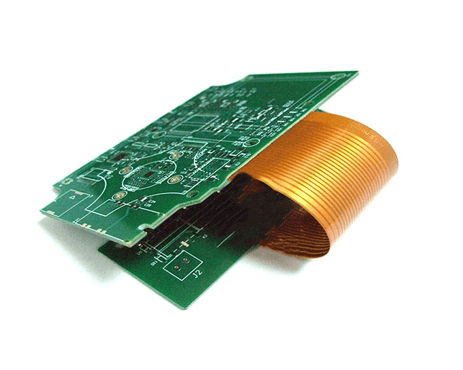
Rigid flex PCB connectors have become increasingly prominent in modern electronics due to their unique combination of flexibility and durability. These connectors integrate the benefits of both rigid and flexible circuit boards, offering a versatile solution that addresses many of the challenges faced by contemporary electronic design.
One of the primary advantages of using rigid flex PCB connectors is their ability to reduce the overall size and weight of electronic devices.
By combining rigid and flexible substrates, these connectors allow for more compact and lightweight designs, which is particularly beneficial in applications where space and weight are critical factors, such as in aerospace, medical devices, and consumer electronics.
Moreover, rigid flex PCB connectors enhance the reliability and performance of electronic systems.
The seamless integration of rigid and flexible circuits eliminates the need for additional connectors and cables, which are often points of failure in traditional designs. This reduction in interconnects not only simplifies the assembly process but also minimizes the risk of connection failures, thereby improving the overall reliability of the device. Additionally, the flexibility of these connectors allows for better resistance to vibrations and mechanical stresses, which is essential in environments where electronic devices are subjected to harsh conditions.
Another significant advantage of rigid flex PCB connectors is their ability to support complex and high-density designs.
As electronic devices continue to evolve, there is a growing demand for more sophisticated and compact circuitry. Rigid flex PCB connectors can accommodate intricate designs with multiple layers and fine pitch components, enabling the development of advanced electronic systems with enhanced functionality. This capability is particularly valuable in the development of wearable technology, where the need for compact and high-performance circuits is paramount.
Furthermore, the use of rigid flex PCB connectors can lead to cost savings in the manufacturing process.
By reducing the number of components and interconnects required, these connectors streamline the assembly process and reduce the likelihood of errors. This simplification can result in lower production costs and shorter lead times, making it an attractive option for manufacturers looking to optimize their production processes. Additionally, the durability and reliability of rigid flex PCB connectors can lead to lower maintenance costs and longer product lifespans, further contributing to cost savings over the long term.
In addition to these practical benefits, rigid flex PCB connectors also offer design flexibility that can inspire innovation.
Designers are not constrained by the limitations of traditional rigid or flexible circuits, allowing them to explore new possibilities and create more innovative products. This design freedom can lead to the development of cutting-edge technologies that push the boundaries of what is possible in modern electronics.
In conclusion, the advantages of using rigid flex PCB connectors in modern electronics are manifold. Their ability to reduce size and weight, enhance reliability and performance, support complex designs, and offer cost savings makes them an invaluable component in the development of advanced electronic systems. As technology continues to advance, the role of rigid flex PCB connectors is likely to become even more significant, driving innovation and enabling the creation of next-generation electronic devices.
Design Considerations For Rigid Flex PCB Connectors
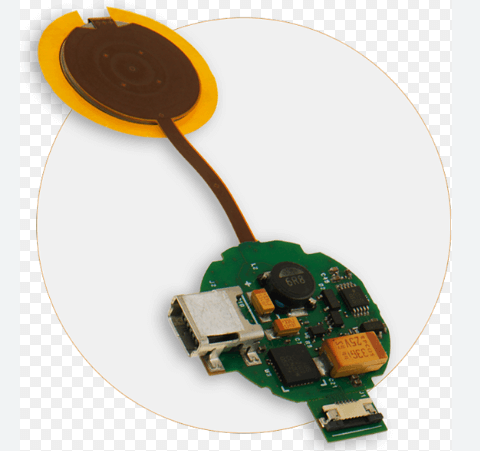
When designing rigid flex PCB connectors, several critical considerations must be taken into account to ensure optimal performance and reliability. The integration of rigid and flexible substrates within a single PCB assembly offers numerous advantages, including enhanced mechanical stability, reduced space requirements, and improved signal integrity. However, these benefits can only be fully realized through meticulous design and planning.
One of the foremost considerations in the design of rigid flex PCB connectors is the selection of appropriate materials.
The choice of materials directly impacts the flexibility, durability, and thermal performance of the final product. Typically, polyimide is used for the flexible sections due to its excellent thermal stability and mechanical properties. For the rigid sections, FR4 is commonly employed, offering a balance of cost-effectiveness and performance. The adhesive materials used to bond these layers must also be carefully chosen to withstand the mechanical stresses and thermal cycles the PCB will encounter during its operational life.
Another crucial aspect is the layout and routing of the traces.
The transition areas between the rigid and flexible sections are particularly susceptible to mechanical stress, which can lead to trace cracking or delamination if not properly managed. To mitigate these risks, designers often employ techniques such as staggered vias, teardrop pads, and filleted corners. These methods help distribute mechanical stress more evenly and reduce the likelihood of failure. Additionally, the trace width and spacing must be carefully controlled to maintain signal integrity, especially in high-speed or high-frequency applications.
Thermal management is not The combination of different materials with varying thermal expansion coefficients can lead to thermal stress, which may compromise the integrity of the PCB. To address this, designers must ensure that the thermal expansion properties of the materials are compatible and that adequate thermal relief is provided in the layout. This may involve the use of thermal vias, heat sinks, or other cooling mechanisms to dissipate heat effectively.
The mechanical design of the rigid flex PCB connector also plays a significant role in its overall performance.
The flexible sections must be designed to accommodate the required bending radius without exceeding the material’s mechanical limits. Over-bending can lead to cracking or delamination, while under-bending may result in insufficient flexibility. To achieve the desired balance, designers often use simulation tools to model the mechanical behavior of the PCB under various conditions. This allows for the optimization of the flexible sections’ geometry and the identification of potential failure points.
Furthermore, the assembly process must be carefully considered to ensure the reliability of the rigid flex PCB connector.
The soldering process, in particular, can introduce thermal and mechanical stresses that may affect the integrity of the flexible sections. To mitigate these risks, designers often specify controlled soldering profiles and the use of low-stress soldering techniques. Additionally, the placement of components on the flexible sections should be minimized to reduce the risk of mechanical damage during assembly and operation.
In conclusion, the design of rigid flex PCB connectors requires a comprehensive understanding of material properties, mechanical behavior, thermal management, and assembly processes. By carefully considering these factors and employing best practices in layout and routing, designers can create robust and reliable PCB assemblies that leverage the unique advantages of rigid flex technology. This meticulous approach ensures that the final product meets the stringent performance and reliability requirements of modern electronic applications.

Common Applications Of Rigid Flex PCB Connectors In Industry
Rigid flex PCB connectors have become increasingly prevalent in various industries due to their unique combination of flexibility and durability. These connectors, which integrate both rigid and flexible circuit board technologies, offer a versatile solution for complex electronic assemblies. Their ability to withstand harsh environments while maintaining high performance makes them indispensable in numerous applications.
One of the primary industries that benefit from rigid flex PCB connectors is the aerospace sector.
In this field, the demand for lightweight yet robust components is paramount. Rigid flex connectors meet these requirements by providing a reliable connection that can endure the extreme conditions encountered in aerospace applications. For instance, they are often used in avionics systems, where space constraints and the need for high reliability are critical. The connectors’ ability to flex and conform to tight spaces without compromising performance ensures that they can be integrated into the intricate designs of modern aircraft.
Similarly, the medical industry has found significant value in rigid flex PCB connectors.
Medical devices often require compact, reliable, and flexible connections to function effectively. These connectors are used in a variety of medical equipment, including imaging systems, diagnostic devices, and wearable health monitors. The flexibility of the connectors allows for the creation of smaller, more ergonomic devices that can be used in a range of medical settings. Additionally, the durability of rigid flex connectors ensures that medical devices can withstand repeated use and sterilization processes without failure.
In the realm of consumer electronics, rigid flex PCB connectors are essential for the development of innovative and compact devices.
Smartphones, tablets, and wearable technology all benefit from the space-saving and flexible nature of these connectors. As consumer demand for smaller and more powerful devices continues to grow, the ability to design compact electronic assemblies without sacrificing performance becomes increasingly important. Rigid flex connectors enable manufacturers to meet these demands by providing a reliable connection that can be bent and shaped to fit within the limited space of modern consumer electronics.
The automotive industry also leverages the advantages of rigid flex PCB connectors.
Modern vehicles are equipped with a multitude of electronic systems, from infotainment and navigation systems to advanced driver-assistance systems (ADAS). These systems require reliable and durable connections to function correctly. Rigid flex connectors are ideal for automotive applications due to their ability to withstand the vibrations, temperature fluctuations, and other harsh conditions typical of the automotive environment. Their use in automotive electronics ensures that critical systems remain operational and reliable over the lifespan of the vehicle.
Moreover, the industrial sector utilizes rigid flex PCB connectors in various applications, including robotics, automation systems, and industrial control equipment.
The flexibility and durability of these connectors make them suitable for use in environments where machinery and equipment are subject to constant movement and stress. In robotics, for example, the ability to maintain reliable connections while allowing for the movement of robotic arms and joints is crucial. Rigid flex connectors provide the necessary flexibility and robustness to ensure that industrial systems operate efficiently and without interruption.
In conclusion, rigid flex PCB connectors play a vital role in numerous industries by offering a combination of flexibility, durability, and reliability. Their application in aerospace, medical, consumer electronics, automotive, and industrial sectors highlights their versatility and importance in modern technology. As industries continue to evolve and demand more advanced electronic solutions, the use of rigid flex PCB connectors is likely to expand, further cementing their position as a critical component in the design and development of cutting-edge electronic systems.
Troubleshooting And Maintenance Tips For Rigid Flex PCB Connectors
Rigid flex PCB connectors are integral components in modern electronic devices, combining the benefits of both rigid and flexible circuit boards. These connectors are designed to provide reliable electrical connections while accommodating the mechanical stresses and movements inherent in various applications. However, like any sophisticated technology, they can encounter issues that necessitate troubleshooting and maintenance. Understanding the common problems and implementing effective maintenance strategies can significantly enhance the performance and longevity of rigid flex PCB connectors.
One of the primary issues that can affect rigid flex PCB connectors is poor connectivity.
This can be caused by several factors, including contamination, oxidation, or physical damage to the connector pins. To address this, it is essential to regularly inspect the connectors for any signs of dirt, dust, or corrosion. Cleaning the connectors with appropriate solvents and using anti-oxidation treatments can help maintain optimal electrical contact. Additionally, ensuring that the connectors are properly aligned and securely fastened can prevent connectivity issues caused by mechanical stress or misalignment.
Another common problem is signal integrity degradation, which can result from impedance mismatches, crosstalk, or electromagnetic interference (EMI).
To mitigate these issues, it is crucial to follow best practices in PCB design, such as maintaining consistent trace widths, using proper grounding techniques, and incorporating shielding where necessary. Regularly testing the signal integrity of the connectors using specialized equipment can help identify and rectify any potential issues before they impact the overall performance of the device.
Thermal management is also a critical aspect of maintaining rigid flex PCB connectors.
Excessive heat can cause thermal expansion and contraction, leading to mechanical stress and potential failure of the connectors. Implementing effective cooling solutions, such as heat sinks or thermal vias, can help dissipate heat and maintain a stable operating temperature. Additionally, using materials with high thermal conductivity and ensuring proper ventilation can further enhance thermal management and prevent overheating.
Mechanical wear and tear is another factor that can affect the performance of rigid flex PCB connectors.
Repeated flexing and bending can cause fatigue and eventual failure of the connectors. To minimize mechanical stress, it is important to design the PCB layout with appropriate bend radii and to use strain relief features where necessary. Regularly inspecting the connectors for any signs of wear and replacing them as needed can help prevent unexpected failures and ensure reliable operation.
Environmental factors, such as humidity and exposure to harsh chemicals, can also impact the performance of rigid flex PCB connectors.
To protect the connectors from environmental damage, it is advisable to use conformal coatings or encapsulation techniques. These protective measures can help shield the connectors from moisture, dust, and chemical exposure, thereby enhancing their durability and reliability.
In conclusion, maintaining the performance and reliability of rigid flex PCB connectors requires a proactive approach to troubleshooting and maintenance. By regularly inspecting and cleaning the connectors, ensuring proper alignment and fastening, implementing effective thermal management, minimizing mechanical stress, and protecting against environmental factors, it is possible to significantly extend the lifespan of these critical components. Adhering to these best practices can help prevent common issues and ensure that rigid flex PCB connectors continue to provide reliable electrical connections in a wide range of applications.