Rigid flex pcb definition
Rigid flex pcb definition: A Comprehensive Definition
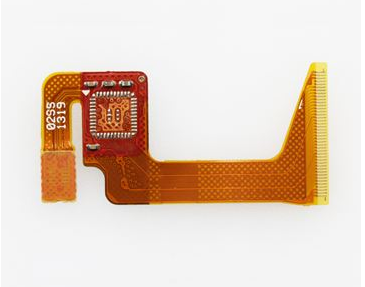
Rigid flex PCBs, or rigid-flex printed circuit boards, represent a sophisticated and versatile category of circuit boards that combine the best attributes of both rigid and flexible PCBs.
These hybrid boards are designed to meet the demands of modern electronic devices, which often require compact, lightweight, and highly reliable components. To fully understand rigid flex PCBs, it is essential to delve into their structure, functionality, and applications.
At the core of rigid flex PCBs is their unique construction, which integrates rigid and flexible substrates into a single, unified board.
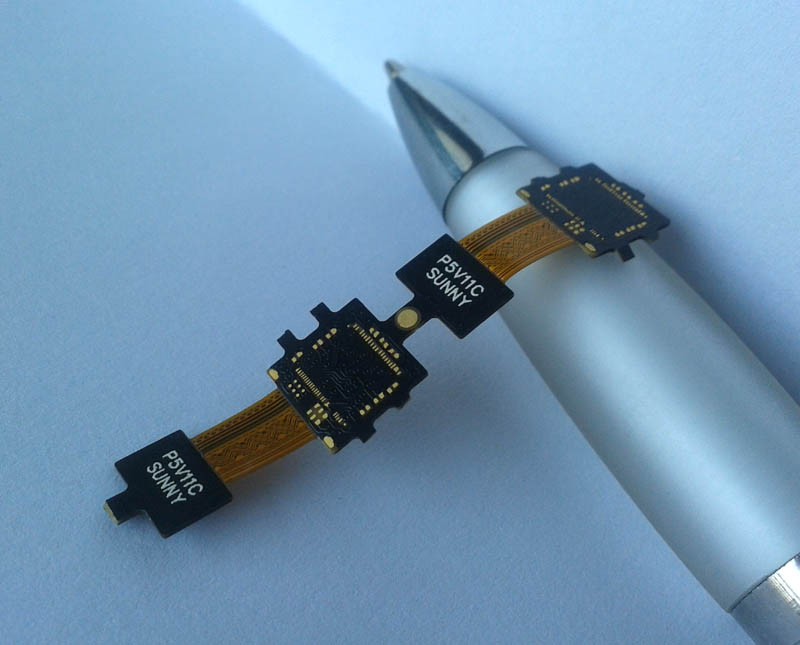
Typically, these boards consist of multiple layers of flexible circuit substrates attached to one or more rigid boards. The flexible layers are usually made from polyimide or other flexible materials, while the rigid sections are composed of traditional FR4 or similar rigid materials. This combination allows for the creation of complex designs that can bend and fold without compromising the integrity of the electrical connections.
One of the primary advantages of rigid flex PCBs is their ability to reduce the overall size and weight of electronic devices.
By eliminating the need for connectors and cables between separate rigid and flexible boards, these hybrid boards streamline the design and assembly process. This reduction in components not only saves space but also enhances the reliability of the device by minimizing potential points of failure. Consequently, rigid flex PCBs are particularly well-suited for applications where space constraints and reliability are critical considerations.
Moreover, the inherent flexibility of these boards allows for greater design freedom and innovation.
Engineers can create intricate three-dimensional configurations that would be impossible with traditional rigid or flexible PCBs alone. This capability is especially valuable in industries such as aerospace, medical devices, and consumer electronics, where complex geometries and compact form factors are often required. For instance, in medical devices, rigid flex PCBs can be used to create compact, lightweight, and highly reliable components for implantable devices, diagnostic equipment, and wearable technology.
In addition to their structural benefits, rigid flex PCBs also offer superior electrical performance.
The seamless integration of rigid and flexible sections ensures consistent signal integrity and reduces the risk of signal loss or interference. This is particularly important in high-frequency applications, where maintaining signal quality is paramount. Furthermore, the reduced number of interconnections in rigid flex PCBs translates to lower resistance and inductance, which can enhance the overall performance of the device.
Despite their numerous advantages, the design and manufacturing of rigid flex PCBs can be more complex and costly compared to traditional PCBs.
The intricate nature of these boards requires specialized design software and manufacturing processes to ensure precise alignment and reliable performance. Additionally, the materials used in rigid flex PCBs, such as polyimide, can be more expensive than those used in standard rigid or flexible boards. However, the long-term benefits of improved reliability, reduced size and weight, and enhanced performance often justify the initial investment.
In conclusion, rigid flex PCBs represent a significant advancement in the field of electronic design and manufacturing. By combining the strengths of both rigid and flexible substrates, these hybrid boards offer unparalleled design flexibility, reliability, and performance. As technology continues to evolve and the demand for compact, high-performance electronic devices grows, rigid flex PCBs are poised to play an increasingly important role in a wide range of applications. Understanding their unique characteristics and advantages is essential for engineers and designers seeking to leverage this innovative technology in their projects.

Key Components of Rigid Flex PCB Explained
Rigid-flex printed circuit boards (PCBs) are a hybrid technology that combines the best attributes of both rigid and flexible circuits. These PCBs are designed to provide a versatile solution for complex electronic assemblies, offering enhanced reliability and performance in demanding applications. To fully understand the key components of rigid-flex PCBs, it is essential to delve into the individual elements that contribute to their unique structure and functionality.
At the core of rigid-flex PCBs are the rigid and flexible substrates.
The rigid sections are typically made from materials such as FR4, which is a glass-reinforced epoxy laminate known for its durability and stability. These rigid sections provide a solid foundation for mounting components and ensuring structural integrity. On the other hand, the flexible sections are composed of polyimide or similar flexible materials, which allow the circuit to bend and conform to various shapes. This flexibility is crucial for applications where space constraints and dynamic movements are factors.
Transitioning from the substrates, the conductive layers play a pivotal role in the functionality of rigid-flex PCBs.
These layers are usually made of copper, which is chosen for its excellent electrical conductivity and reliability. The copper layers are etched to form intricate circuit patterns that facilitate the flow of electrical signals between components. In rigid-flex PCBs, the conductive layers extend seamlessly from the rigid sections into the flexible sections, ensuring continuous electrical connectivity even when the board is bent or folded.
Another critical component is the adhesive system used to bond the rigid and flexible sections together.
This adhesive must be robust enough to maintain the integrity of the PCB under mechanical stress while also being flexible enough to accommodate the bending and flexing of the flexible sections. Advanced adhesive technologies are employed to achieve this delicate balance, ensuring that the rigid-flex PCB can withstand the rigors of its intended application.
Furthermore, the vias and through-holes in rigid-flex PCBs are essential for establishing electrical connections between different layers of the board.
These features are meticulously drilled and plated to ensure reliable interlayer connectivity. In rigid-flex designs, the vias must be carefully placed to avoid compromising the flexibility of the board. Blind and buried vias are often used to optimize space and maintain the board’s mechanical properties.
The solder mask and surface finish are also vital components of rigid-flex PCBs.
The solder mask is a protective layer that covers the copper traces, preventing oxidation and short circuits. It also helps to define the areas where soldering will occur, ensuring precise component placement. The surface finish, such as ENIG (Electroless Nickel Immersion Gold) or HASL (Hot Air Solder Leveling), provides a smooth and solderable surface for component attachment, enhancing the overall reliability of the PCB.
In addition to these physical components, the design and layout of rigid-flex PCBs are crucial for their performance.
Advanced design software is used to create detailed schematics and layouts that optimize the electrical and mechanical properties of the board. Designers must consider factors such as signal integrity, thermal management, and mechanical stress to ensure that the final product meets the required specifications.
In conclusion, rigid-flex PCBs are a sophisticated technology that integrates rigid and flexible substrates, conductive layers, adhesives, vias, solder masks, and surface finishes to create a versatile and reliable solution for complex electronic assemblies. Understanding the key components and their interplay is essential for appreciating the capabilities and advantages of rigid-flex PCBs in modern electronics.

The Evolution and Definition of Rigid Flex PCB Technology
Rigid flex PCB technology represents a significant advancement in the field of electronic circuit design, combining the best attributes of both rigid and flexible circuit boards. This hybrid technology has evolved over the years to meet the increasing demands for more compact, reliable, and versatile electronic devices. To fully appreciate the significance of rigid flex PCBs, it is essential to understand their definition, historical development, and the advantages they offer over traditional circuit boards.
At its core, a rigid flex PCB is a type of printed circuit board that integrates elements of both rigid and flexible circuits into a single unit.
This integration allows for the creation of complex electronic assemblies that can be bent or folded without compromising the integrity of the electrical connections. Typically, a rigid flex PCB consists of multiple layers of flexible circuit substrates attached to one or more rigid boards. The flexible layers are usually made from polyimide or other flexible materials, while the rigid sections are composed of standard FR4 or similar rigid substrates. This combination provides the necessary mechanical support and flexibility required for various applications.
The evolution of rigid flex PCB technology can be traced back to the early days of electronic circuit design.
Initially, electronic devices relied solely on rigid PCBs, which offered excellent mechanical stability and ease of manufacturing. However, as electronic devices became more compact and complex, the limitations of rigid PCBs became apparent. The need for more flexible and adaptable circuit solutions led to the development of flexible PCBs, which provided greater design freedom and the ability to fit into unconventional spaces. Despite their advantages, flexible PCBs lacked the mechanical support needed for certain applications, prompting the development of rigid flex PCBs.
Over time, advancements in materials and manufacturing processes have significantly improved the performance and reliability of rigid flex PCBs.
Modern rigid flex PCBs are capable of withstanding harsh environmental conditions, including extreme temperatures, vibrations, and mechanical stress. This durability makes them ideal for use in a wide range of industries, including aerospace, medical devices, consumer electronics, and automotive applications. Furthermore, the ability to reduce the number of connectors and interconnects in a design enhances the overall reliability and performance of the electronic assembly.
One of the primary advantages of rigid flex PCBs is their ability to save space and reduce weight in electronic devices.
By combining rigid and flexible sections, designers can create more compact and lightweight assemblies, which is particularly important in applications where size and weight are critical factors. Additionally, the flexibility of these PCBs allows for more efficient use of available space, enabling the design of more complex and intricate electronic systems.
Another significant benefit of rigid flex PCBs is their enhanced reliability.
The seamless integration of rigid and flexible sections eliminates the need for additional connectors and solder joints, which are common points of failure in traditional circuit designs. This reduction in potential failure points leads to increased reliability and longer lifespan of the electronic device. Moreover, the ability to withstand mechanical stress and environmental factors further contributes to the overall robustness of rigid flex PCBs.
In conclusion, rigid flex PCB technology has evolved to become a crucial component in modern electronic design, offering a unique combination of flexibility, durability, and reliability. By understanding the definition and historical development of rigid flex PCBs, it becomes clear why they are increasingly favored in various high-performance applications. As technology continues to advance, the role of rigid flex PCBs in enabling innovative and efficient electronic solutions will undoubtedly continue to grow.
Rigid Flex PCB: Definition and Applications in Modern Electronics
Rigid Flex PCB: Definition and Applications in Modern Electronics
Rigid Flex PCBs, or Rigid-Flexible Printed Circuit Boards, represent a sophisticated and versatile advancement in the realm of electronic circuit design. These hybrid circuits combine the best attributes of both rigid and flexible PCBs, resulting in a single, unified board that can be bent and shaped to fit into complex and compact electronic devices. The integration of rigid and flexible substrates within a single PCB allows for greater design flexibility, improved reliability, and enhanced performance in various applications.
To understand the essence of Rigid Flex PCBs, it is essential to delve into their structure.
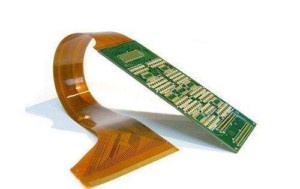
These boards typically consist of multiple layers of flexible circuit substrates attached to one or more rigid boards. The flexible layers are usually made from polyimide or other flexible materials, while the rigid sections are composed of traditional FR4 or similar rigid substrates. The combination of these materials enables the board to maintain its shape and structural integrity in the rigid areas while allowing for bending and folding in the flexible sections. This unique construction facilitates the creation of complex three-dimensional designs that are not possible with conventional rigid or flexible PCBs alone.
The advantages of Rigid Flex PCBs are manifold.
One of the primary benefits is their ability to reduce the overall size and weight of electronic devices. By eliminating the need for connectors and cables between separate rigid and flexible boards, Rigid Flex PCBs streamline the design, leading to more compact and lightweight products. This is particularly advantageous in industries where space and weight are critical factors, such as aerospace, medical devices, and consumer electronics.
Moreover, Rigid Flex PCBs offer enhanced reliability and durability.
The elimination of connectors and cables not only reduces the potential points of failure but also improves signal integrity and reduces the risk of connection issues. The flexible sections of the board can withstand repeated bending and flexing, making them ideal for applications that require frequent movement or mechanical stress. This durability is especially valuable in wearable technology, where the electronic components must endure constant motion and bending.
In addition to their physical benefits, Rigid Flex PCBs also provide significant design advantages.
The ability to create complex three-dimensional shapes allows engineers to optimize the layout of components, leading to improved performance and functionality. This design flexibility is crucial in applications where space constraints and intricate geometries are prevalent, such as in modern smartphones, tablets, and other portable devices. Furthermore, the integration of rigid and flexible sections within a single board simplifies the assembly process, reducing manufacturing time and costs.
The applications of Rigid Flex PCBs are diverse and continue to expand as technology advances.
In the aerospace industry, these boards are used in avionics systems, satellite communications, and unmanned aerial vehicles (UAVs), where their lightweight and compact nature are highly valued. In the medical field, Rigid Flex PCBs are employed in diagnostic imaging equipment, implantable devices, and portable medical instruments, where their reliability and flexibility are critical. Consumer electronics, including smartphones, laptops, and wearable devices, also benefit from the compact and durable design of Rigid Flex PCBs.
In conclusion, Rigid Flex PCBs represent a significant innovation in electronic circuit design, offering a unique combination of flexibility, reliability, and design versatility. Their ability to reduce size and weight, enhance durability, and simplify assembly makes them an invaluable component in a wide range of modern electronic applications. As technology continues to evolve, the demand for Rigid Flex PCBs is expected to grow, driving further advancements in this dynamic field.