Robust JST PCB Connector Solutions for Professional Installations
Key Takeaways
When selecting JST PCB connectors for LED strip installations, prioritize durability and ease of integration. Unlike fragile pigtail wiring, PCB-mounted solutions offer direct soldering to circuit boards, reducing failure points. For reliable field performance, opt for designs with strain relief to withstand vibration and tension.
| Feature | PCB-Mounted Connectors | Pigtail Wiring | Impact on Reliability |
|---|---|---|---|
| Connection Method | Soldered to PCB | Wire-to-wire splicing | Eliminates splice corrosion |
| Strain Management | Integrated relief | No built-in support | Reduces mechanical stress |
| Installation Speed | Faster PCB integration | Time-consuming splicing | Streamlines assembly |
Expert Tip: Always verify JST connector compatibility with your PCB’s thickness and layout before finalizing designs. Consult PCB manufacturing companies during prototyping to optimize pad placement and minimize PCB manufacturing cost.
For professional installations, consider how PCB manufacturing business practices influence connector choices. High-volume projects benefit from standardized footprints, while custom applications may require tailored solutions. If you’re sourcing components, review industry benchmarks to balance quality and budget.
To avoid common failures, ensure connectors align with your PCB’s thermal and electrical specs. Stress-test prototypes under real-world conditions—especially in environments with extreme temperatures or vibration exposure. By partnering with experienced PCB manufacturing providers, you gain access to materials and processes that enhance connector longevity, such as gold-plated contacts or reinforced housings.
Choosing JST PCB Connectors for LED Strips
When selecting connectors for LED strip installations, JST PCB connectors offer a streamlined alternative to traditional pigtail wiring. Unlike fragile solder joints or loose wires, these connectors integrate directly into your PCB manufacturing workflow, ensuring precise alignment and mechanical stability. By partnering with reputable PCB manufacturing companies, you gain access to components designed for high-density layouts, reducing the risk of connection failures in tight spaces.
While PCB manufacturing cost is a consideration, opting for quality connectors minimizes long-term expenses from field repairs or replacements. The modular design of JST connectors simplifies assembly, allowing you to scale production without compromising reliability—a critical factor for businesses managing a PCB manufacturing business with high-volume orders. Strain relief features, such as locking tabs and reinforced housings, further enhance durability, especially in environments with vibration or frequent handling.
To maximize compatibility, verify that the connector’s pitch and current rating align with your LED strip specifications. For example, 2.5mm pitch JST models are common for low-voltage strips, while higher-current applications may require 4.0mm variants. By prioritizing connectors engineered for PCB manufacturing standards, you ensure seamless integration and consistent performance across professional installations.
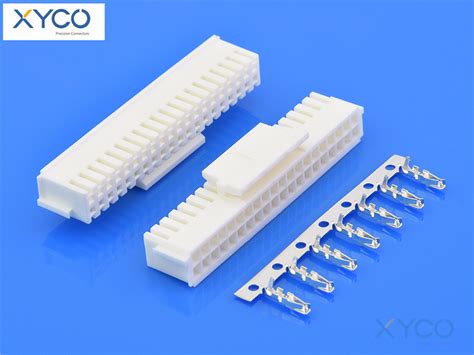
PCB-Mounted JST Solutions vs Pigtail Wiring
When integrating connectors for LED strips or industrial systems, you face a critical choice: soldered pigtail wiring or PCB-mounted JST solutions. While pigtails rely on hand-soldered joints and loose cables, surface-mount JST connectors are directly anchored to your PCB, eliminating weak points caused by flexing or vibration. This distinction becomes especially vital in pcb manufacturing, where improper connections can lead to field failures.
Pigtail wiring often introduces fragility, as exposed wires and uneven solder joints create susceptibility to mechanical stress. In contrast, pcb manufacturing companies design JST-compatible footprints that ensure precise alignment and solder flow control during assembly. Though pcb manufacturing cost for PCB-mounted solutions may initially appear higher, the long-term savings from reduced maintenance and downtime outweigh upfront expenses.
The integration of JST connectors also streamlines scalability for pcb manufacturing business operations. Modular designs allow quick replacements without desoldering entire circuits—a stark advantage over pigtail systems requiring full rework. By leveraging strain relief features in JST housings, you mitigate cable tugging risks inherent in field installations. This approach ensures compliance with industrial durability standards while maintaining signal integrity across temperature fluctuations and environmental challenges.
Transitioning to PCB-mounted connectors demands collaboration with manufacturers experienced in high-precision pcb manufacturing. Proper pad sizing, solder mask alignment, and thermal management ensure connectors withstand repeated mating cycles, making them indispensable for professional-grade installations.
Strain Relief Designs for Durable Connections
When integrating JST PCB connectors into your installations, strain relief becomes critical for maintaining long-term reliability. Unlike traditional pigtail wiring, which leaves exposed wires vulnerable to bending or tugging, modern PCB-mounted connectors incorporate engineered strain relief features. These designs distribute mechanical stress away from solder joints, preventing fatigue fractures that commonly occur in high-vibration or dynamic environments.
Leading PCB manufacturing companies prioritize strain relief by molding flexible ribs or adding anchor points directly into connector housings during production. This approach minimizes micro-fractures in solder connections, a frequent failure point in field applications. While PCB manufacturing cost may increase slightly with these enhancements, the trade-off pays dividends in reduced maintenance and extended service life—key factors for PCB manufacturing business models focused on durability.
To maximize effectiveness, ensure strain relief components align with your PCB’s thickness and mounting orientation. For example, connectors with angled strain relief tabs better accommodate tight spaces while maintaining tension control. Always verify that relief mechanisms are rated for your application’s thermal cycles and mechanical loads—oversights here can negate the benefits of even the most robust JST connector design. By addressing these details early, you create installations that withstand real-world stresses without compromising electrical performance.
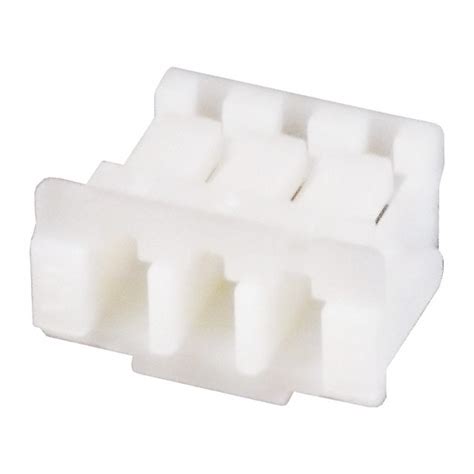
Professional-Grade JST Connector Installation Tips
When integrating JST PCB connectors into your projects, precision begins with proper alignment. Always verify that connector pins match the PCB terminal layout before soldering—misalignment risks short circuits or intermittent connections. For PCB manufacturing consistency, use a temperature-controlled soldering iron (300–350°C) to avoid pad delamination, a common failure in low-quality boards.
Work with reputable PCB manufacturing companies to ensure your design includes adequate strain relief anchors near connector mounts. These features distribute mechanical stress, critical for installations exposed to vibration or movement. If you’re optimizing PCB manufacturing cost, prioritize thicker copper traces (≥1 oz) around JST mounts—they handle higher current loads and resist thermal fatigue.
During assembly, apply connector-specific crimping tools for secure wire terminations. Hand-crimped contacts often loosen over time, compromising field reliability. For PCB manufacturing business applications, pre-test connectors with a continuity checker to identify cold joints or miswires before finalizing the assembly.
Finally, inspect polarization slots and alignment guides on both connectors and PCBs. These prevent reverse insertion, a frequent cause of damaged pins. Tighten screws or clips to manufacturer-specified torque values—over-tightening can warp the PCB manufacturing substrate, while under-tightening risks disconnection. By adhering to these practices, you’ll ensure robust performance across professional installations.
Ensuring Reliability in Field Applications
When deploying JST PCB connectors in demanding environments, durability and consistent performance become non-negotiable. Unlike temporary setups, professional installations require connectors that withstand vibration, temperature fluctuations, and mechanical stress. This starts with selecting PCB manufacturing companies that adhere to stringent quality standards—ensuring copper thickness, plating integrity, and solder mask durability align with industrial requirements.
To minimize failures, prioritize connectors with integrated strain relief mechanisms. These features distribute mechanical loads away from solder joints, reducing the risk of cracked connections—a common issue in low-cost PCB manufacturing business models. Pairing robust JST connectors with high-quality PCBs also optimizes PCB manufacturing cost over time by cutting replacement expenses and downtime.
Field reliability hinges on proper installation practices. Always verify terminal alignment before soldering, as misaligned pins create weak points. For outdoor or high-moisture environments, opt for connectors with IP-rated housings and corrosion-resistant materials. Collaborating with experienced PCB manufacturing partners ensures your design accounts for thermal expansion and current loads, further enhancing long-term stability.
By integrating these practices, you create systems where connectors and PCBs function as a unified, resilient unit—critical for maintaining performance in mission-critical applications.
JST Connector Compatibility With PCBs
When integrating JST connectors into your PCB-based systems, compatibility hinges on three critical factors: solder pad alignment, terminal spacing, and board thickness tolerance. Unlike pigtail wiring, PCB-mounted JST connectors require precise coordination with your pcb manufacturing process to ensure mechanical stability and electrical continuity. Reputable pcb manufacturing companies often recommend verifying connector footprints against industry standards like IPC-7351 to avoid mismatches during assembly.
The pcb manufacturing cost directly influences connector selection—thicker boards (≥1.6mm) may need reinforced JST-SM series housings, while thinner designs benefit from low-profile JST-PH variants. For high-volume pcb manufacturing business operations, opting for connectors with automated pick-and-place compatibility reduces assembly errors. Always confirm dielectric strength ratings (≥100V AC) to match your PCB’s operational demands, especially in LED strip installations where voltage fluctuations are common.
Proper strain relief integration—such as locking clips or board anchors—prevents solder joint fatigue, a frequent failure point in field applications. By aligning JST specifications with your pcb manufacturing workflow, you ensure durable connections that withstand vibration and thermal cycling, critical for professional-grade reliability.
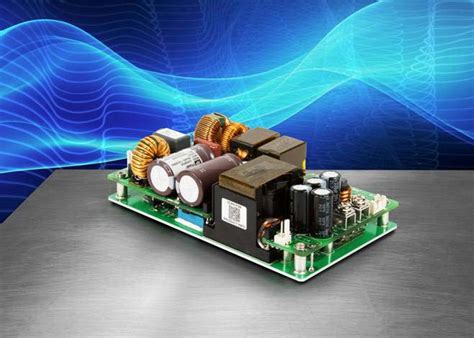
Avoiding Common Wiring Failures in Installations
When integrating JST PCB connectors into your projects, improper wiring practices can compromise reliability, even with high-quality components. Loose connections often stem from mismatched pin alignment or insufficient soldering during PCB manufacturing. To prevent this, verify that your connector footprints match the JST specifications precisely—errors here may force rework, increasing PCB manufacturing cost and project delays.
Another frequent issue arises from neglecting strain relief. While PCB manufacturing companies often emphasize board design, mechanical stability for connectors is equally critical. Use brackets or adhesive anchors to secure cables, reducing stress on solder joints during movement or vibration. For LED strip installations, ensure wire gauges align with current loads; undersized conductors generate excess heat, risking connector failure in field conditions.
Always test connections under simulated operating stresses before final deployment. Partnering with experienced PCB manufacturing business specialists ensures design feedback to avoid layout flaws that weaken connections. Remember: robust installations start with precision in both component selection and execution—two factors that define professional-grade results.
Expert Recommendations for Robust PCB Connectors
When selecting JST connectors for high-stress installations, prioritize PCB manufacturing companies with proven expertise in producing boards that match connector specifications. Look for suppliers adhering to IPC-A-610 standards for solderability and plating thickness—critical for maintaining signal integrity under vibration or thermal cycling. For PCB-mounted JST solutions, ensure the PCB manufacturing cost aligns with material choices: FR-4 substrates with adequate copper weight (1-2 oz) provide durability without overengineering.
A common pitfall is neglecting strain relief in connector designs. Opt for JST models with integrated locking tabs or overmolded bases, which reduce mechanical stress on solder joints. When collaborating with PCB manufacturing businesses, verify their capability to handle plated through-holes (PTH) with tolerances ≤0.1mm—this prevents misalignment during automated assembly.
For field reliability, pair connectors with PCB manufacturing processes that include thermal testing (e.g., -40°C to +125°C cycles) to simulate harsh environments. Avoid thin traces near connector pads; instead, use teardrop transitions to minimize crack propagation. Finally, always cross-reference JST pin spacing with your PCB layout—mismatched footprints risk intermittent connections, especially in high-current LED strip applications.
Conclusion
When selecting JST PCB connectors for your projects, prioritizing durability and compatibility ensures long-term reliability in demanding installations. By opting for PCB-mounted solutions over traditional pigtail wiring, you eliminate weak points while streamlining assembly processes. Integrating strain relief designs further safeguards connections against mechanical stress, a critical factor for field applications exposed to vibration or movement.
To minimize PCB manufacturing cost without compromising quality, collaborate with reputable PCB manufacturing companies that specialize in precision fabrication. Their expertise ensures proper alignment of connector footprints and solder points, reducing risks of misalignment or cold joints. For businesses scaling operations, partnering with a PCB manufacturing business that offers design-for-manufacturability (DFM) feedback can optimize both performance and production efficiency.
Finally, always validate connector specifications against your PCB layout and environmental requirements. This proactive approach prevents common failures like contact corrosion or insulation cracking, especially in high-temperature or moisture-prone settings. By balancing technical rigor with smart PCB manufacturing partnerships, you secure installations that deliver consistent performance while cutting long-term maintenance expenses.
FAQs
How do JST connectors improve reliability in PCB-based lighting systems?
By eliminating fragile pigtail wiring, JST connectors provide direct PCB-mounted interfaces, reducing points of failure. Their strain relief designs absorb mechanical stress, ensuring stable connections even in high-vibration environments.
What factors influence compatibility between JST connectors and PCBs?
Key considerations include PCB manufacturing specifications like thickness, pad spacing, and solderability. Partnering with experienced PCB manufacturing companies ensures connectors align with board layouts, minimizing alignment errors during assembly.
Can JST connectors reduce long-term maintenance costs?
Yes. Robust PCB-mounted solutions lower rewiring risks and downtime. While upfront PCB manufacturing cost may rise slightly, the reduced need for field repairs offsets expenses over time—especially in professional installations.
How do strain relief features enhance durability?
Strain relief redistributes tension away from solder joints, preventing cracks in the PCB manufacturing business-critical areas. This is vital for applications exposed to temperature shifts or frequent handling.
What mistakes should you avoid during installation?
Never overlook torque specifications when securing connectors. Over-tightening can damage PCB manufacturing layers, while under-tightening risks loose contacts. Always validate connector orientation before soldering.
Ready to Optimize Your PCB Connector Solutions?
For expert guidance on integrating JST connectors into your PCB manufacturing workflow, please click here to explore tailored solutions for reliable, high-performance installations.