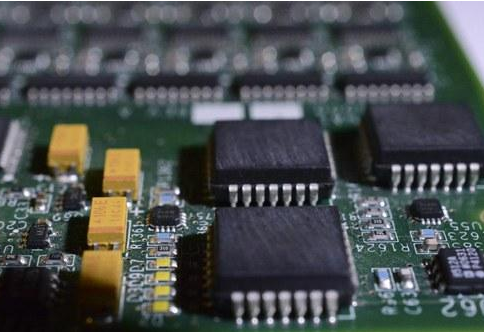
Rogers pcb thermal conductivity
Understanding Thermal Conductivity in Rogers PCBs
Thermal conductivity is a critical parameter in the design and performance of printed circuit boards (PCBs), particularly those used in high-frequency and high-power applications. Rogers Corporation, a leading manufacturer of high-performance PCB materials, offers a range of laminates that are specifically engineered to manage thermal performance. Understanding the thermal conductivity of Rogers PCBs is essential for engineers and designers who aim to optimize the thermal management of their electronic devices.
Rogers PCBs are renowned for their superior electrical properties, but their thermal characteristics are equally important.
Thermal conductivity refers to the ability of a material to conduct heat. In the context of PCBs, it is crucial because it affects the heat dissipation capabilities of the board. Efficient heat dissipation is necessary to prevent overheating, which can lead to component failure, reduced performance, and decreased reliability of the electronic device.
Rogers offers several types of laminates, each with distinct thermal conductivity properties.
For instance, the RO4000 series is known for its balanced performance in terms of both electrical and thermal properties. These laminates typically have a thermal conductivity in the range of 0.6 to 0.8 W/m·K. While this is adequate for many applications, more demanding environments may require materials with higher thermal conductivity.
For applications that necessitate superior thermal management, Rogers provides the RO4350B and RO4500 series.
These materials exhibit higher thermal conductivity, often exceeding 0.8 W/m·K. This enhanced thermal performance is achieved through the use of specialized fillers and resin systems that improve heat transfer without compromising the electrical properties of the laminate. Consequently, these materials are ideal for high-power RF and microwave applications where efficient heat dissipation is paramount.
Moreover, Rogers’ RT/duroid series offers even higher thermal conductivity, with some variants reaching up to 1.4 W/m·K.
These laminates are designed for extreme conditions, such as aerospace and defense applications, where both high thermal and electrical performance are required. The RT/duroid series utilizes advanced composite materials that provide exceptional thermal management, ensuring the reliability and longevity of the electronic components.
In addition to selecting the appropriate laminate, designers must also consider other factors that influence thermal conductivity in Rogers PCBs. The thickness of the laminate, the type of copper cladding, and the overall PCB design all play significant roles in thermal management. For example, thicker laminates generally offer better heat dissipation, while heavy copper cladding can enhance the thermal conductivity of the board. Furthermore, incorporating thermal vias and heat sinks into the PCB design can significantly improve heat dissipation.
It is also important to note that thermal conductivity is not the only factor to consider when evaluating the thermal performance of Rogers PCBs.
Thermal resistance, which measures the material’s opposition to heat flow, and thermal expansion, which indicates how the material expands when heated, are also critical parameters. A comprehensive understanding of these properties enables designers to make informed decisions that optimize the thermal management of their PCBs.
In conclusion, the thermal conductivity of Rogers PCBs is a vital aspect that influences the overall performance and reliability of electronic devices. By selecting the appropriate laminate and considering additional design factors, engineers can effectively manage heat dissipation and ensure the optimal functioning of their high-frequency and high-power applications. As technology continues to advance, the importance of thermal management in PCB design will only grow, making it essential for designers to stay informed about the latest materials and techniques available.
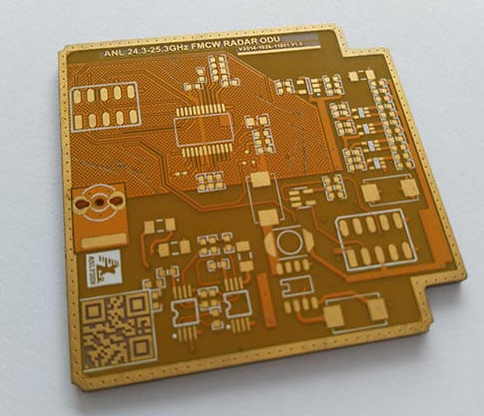
Enhancing Thermal Management with Rogers PCB Materials
Rogers PCB materials have become a cornerstone in the realm of high-performance electronic applications, particularly due to their superior thermal management capabilities. As electronic devices continue to shrink in size while increasing in power density, effective thermal management has emerged as a critical factor in ensuring reliability and longevity. Rogers Corporation, a leader in advanced materials, offers a range of PCB laminates that excel in thermal conductivity, thereby addressing the thermal challenges faced by modern electronic systems.
One of the primary reasons Rogers PCB materials are highly regarded is their exceptional thermal conductivity.
Unlike traditional FR-4 materials, which have relatively low thermal conductivity, Rogers materials are engineered to dissipate heat more efficiently. This is particularly important in high-frequency and high-power applications where excessive heat can lead to performance degradation or even failure. By utilizing Rogers PCB materials, designers can ensure that heat is effectively managed, thereby maintaining optimal operating conditions for electronic components.
Moreover, the thermal conductivity of Rogers PCB materials is complemented by their low dielectric constant and low loss tangent.
These properties are crucial for high-frequency applications, as they minimize signal loss and ensure signal integrity. The combination of high thermal conductivity and excellent electrical performance makes Rogers materials an ideal choice for applications such as RF and microwave circuits, power amplifiers, and antenna systems. Consequently, these materials are widely used in industries ranging from telecommunications to aerospace and defense.
In addition to their inherent thermal and electrical properties, Rogers PCB materials offer mechanical stability and reliability.
They exhibit low coefficients of thermal expansion (CTE), which means they expand and contract minimally with temperature changes. This characteristic is vital for maintaining the structural integrity of the PCB and preventing issues such as delamination or cracking. Furthermore, Rogers materials are designed to withstand harsh environmental conditions, including high temperatures and humidity, making them suitable for use in demanding applications.
Transitioning to the practical aspects of using Rogers PCB materials, it is important to note that their processing and fabrication are relatively straightforward.
While they may require some adjustments compared to standard FR-4 materials, the benefits they offer in terms of thermal management and performance far outweigh the additional considerations. Manufacturers and designers can leverage the extensive technical support and resources provided by Rogers Corporation to optimize their PCB designs and fabrication processes.
Another significant advantage of Rogers PCB materials is their compatibility with advanced cooling solutions.
For instance, they can be integrated with heat sinks, thermal vias, and other thermal management techniques to further enhance heat dissipation. This flexibility allows designers to create highly efficient thermal management systems tailored to the specific needs of their applications. As a result, electronic devices can operate at higher power levels without compromising performance or reliability.
In conclusion, Rogers PCB materials represent a significant advancement in the field of thermal management for electronic systems. Their superior thermal conductivity, combined with excellent electrical properties and mechanical stability, makes them an ideal choice for high-performance applications. By effectively managing heat, these materials help ensure the reliability and longevity of electronic devices, even in the most demanding environments. As technology continues to evolve, the role of advanced materials like those offered by Rogers Corporation will undoubtedly become increasingly important in meeting the thermal challenges of the future.
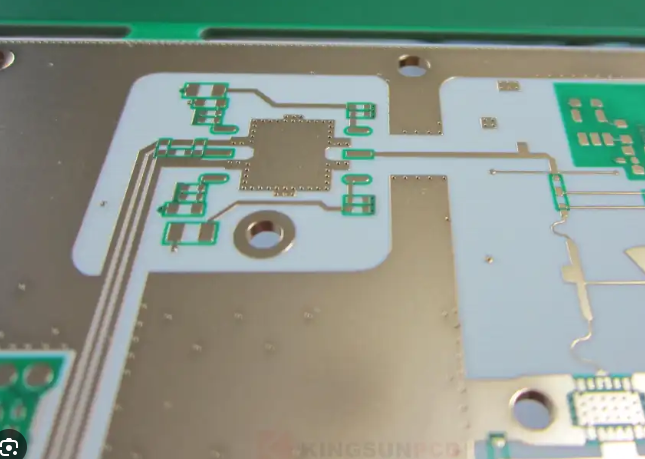
Comparing Thermal Conductivity of Different Rogers PCB Laminates
Rogers PCB laminates are renowned for their superior performance in high-frequency applications, making them a preferred choice in industries such as telecommunications, aerospace, and defense. One of the critical factors influencing the performance of these laminates is their thermal conductivity. Thermal conductivity is a measure of a material’s ability to conduct heat, and it plays a vital role in the thermal management of electronic devices. Effective thermal management is essential to ensure the reliability and longevity of electronic components, particularly in high-power applications where excessive heat can lead to failure.
When comparing the thermal conductivity of different Rogers PCB laminates, it is important to consider the specific requirements of the application.
Rogers offers a variety of laminates, each with distinct properties tailored to meet diverse needs. For instance, Rogers RO4000 series laminates are widely used due to their excellent electrical performance and cost-effectiveness. However, their thermal conductivity is relatively moderate, typically around 0.6 W/m·K. This level of thermal conductivity is suitable for many applications but may not be adequate for high-power devices that generate significant heat.
In contrast, Rogers RO3000 series laminates offer higher thermal conductivity, typically in the range of 0.8 to 1.0 W/m·K.
This increased thermal conductivity makes them more suitable for applications where efficient heat dissipation is crucial. The RO3000 series laminates also exhibit excellent dimensional stability and low dielectric loss, making them ideal for high-frequency circuits that require both thermal and electrical performance.
For applications demanding even higher thermal conductivity, Rogers offers the RO4350B laminates.
These laminates have a thermal conductivity of approximately 0.69 W/m·K, which, while not as high as some other materials, provides a good balance between thermal management and electrical performance. The RO4350B laminates are particularly favored in RF and microwave applications due to their low dielectric constant and low loss tangent, which are essential for maintaining signal integrity at high frequencies.
Moreover, Rogers has developed the RT/duroid series, which includes laminates with significantly higher thermal conductivity.
For example, RT/duroid 6035HTC has a thermal conductivity of 1.44 W/m·K, making it one of the highest among Rogers laminates. This high thermal conductivity is achieved through the use of a ceramic-filled PTFE composite, which not only enhances heat dissipation but also maintains excellent electrical properties. The RT/duroid 6035HTC is particularly suitable for high-power RF and microwave applications where thermal management is a critical concern.
In addition to the specific thermal conductivity values, it is also essential to consider other factors such as mechanical properties, ease of fabrication, and cost when selecting a Rogers laminate for a particular application. While higher thermal conductivity is beneficial for heat dissipation, it may come with trade-offs in terms of material flexibility or processing complexity. Therefore, a comprehensive evaluation of all relevant factors is necessary to make an informed decision.
In conclusion, the thermal conductivity of Rogers PCB laminates varies significantly across different series, each designed to meet specific application requirements. From the moderate thermal conductivity of the RO4000 series to the high thermal conductivity of the RT/duroid 6035HTC, Rogers offers a range of options to address diverse thermal management needs. By carefully considering the thermal conductivity alongside other material properties, engineers can select the most appropriate Rogers laminate to ensure optimal performance and reliability of their electronic devices.
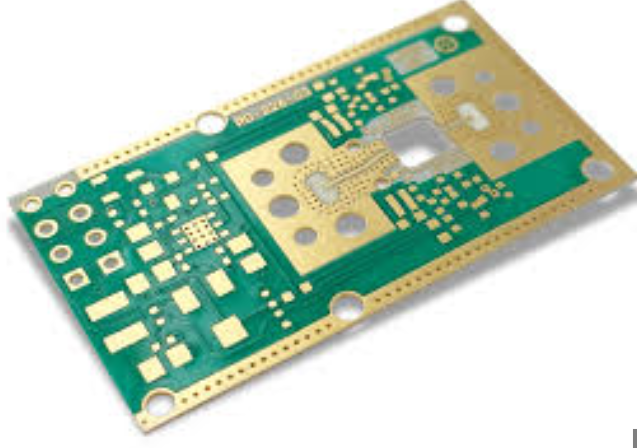
Design Tips for Optimizing Thermal Performance in Rogers PCBs
When designing printed circuit boards (PCBs) using Rogers materials, optimizing thermal performance is crucial to ensure reliability and longevity. Rogers PCBs are renowned for their excellent electrical properties, making them ideal for high-frequency applications. However, managing thermal conductivity effectively is essential to prevent overheating and maintain optimal performance. To achieve this, several design tips can be employed, each contributing to the overall thermal management strategy.
Firstly, selecting the appropriate Rogers material is fundamental. Rogers offers a variety of laminates, each with distinct thermal conductivity properties.
For instance, materials like RO4350B and RO4003C are known for their balanced thermal and electrical performance. Understanding the thermal conductivity values of these materials helps in making informed decisions that align with the thermal requirements of the application. Additionally, considering the coefficient of thermal expansion (CTE) is vital, as mismatched CTEs between the PCB material and components can lead to mechanical stress and potential failure.
Transitioning to the layout design, the placement of components plays a significant role in thermal management.
High-power components should be strategically positioned to minimize heat accumulation in localized areas. Distributing heat-generating components evenly across the PCB surface can prevent hotspots and ensure a more uniform temperature distribution. Moreover, placing heat-sensitive components away from high-power areas can protect them from thermal stress, thereby enhancing the overall reliability of the PCB.
Incorporating thermal vias is another effective technique to enhance thermal conductivity in Rogers PCBs.
Thermal vias are plated through-holes that facilitate heat transfer from the top layer to the bottom layer or internal layers of the PCB. By creating a thermal path, these vias help dissipate heat more efficiently. The number, size, and placement of thermal vias should be carefully considered based on the thermal load and the specific design requirements. Utilizing an array of thermal vias under high-power components can significantly improve heat dissipation.
Furthermore, the use of copper planes and heatsinks can greatly aid in thermal management.
Copper has high thermal conductivity, making it an excellent material for spreading heat across the PCB. Incorporating large copper planes connected to heat-generating components can help distribute heat more evenly. Additionally, attaching heatsinks to these copper planes can further enhance heat dissipation. Heatsinks provide a larger surface area for heat to dissipate into the surrounding environment, thereby reducing the temperature of the PCB.
Another important aspect to consider is the thermal interface materials (TIMs) used between components and the PCB.
TIMs, such as thermal pads or thermal grease, improve the thermal contact between surfaces, reducing thermal resistance and enhancing heat transfer. Selecting high-quality TIMs with appropriate thermal conductivity values ensures efficient heat dissipation from components to the PCB.
Lastly, thermal simulation and analysis are indispensable tools in the design process.
Utilizing thermal simulation software allows designers to predict and visualize the thermal behavior of the PCB under various operating conditions. By identifying potential thermal issues early in the design phase, necessary adjustments can be made to optimize thermal performance. This proactive approach minimizes the risk of thermal-related failures and ensures the PCB operates within safe temperature limits.
In conclusion, optimizing thermal performance in Rogers PCBs involves a combination of material selection, strategic component placement, incorporation of thermal vias, use of copper planes and heatsinks, appropriate TIMs, and thorough thermal analysis. By implementing these design tips, engineers can effectively manage thermal conductivity, ensuring the reliability and efficiency of Rogers PCBs in high-frequency applications.