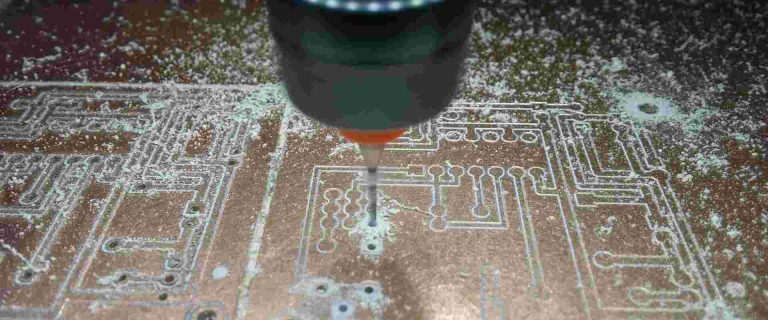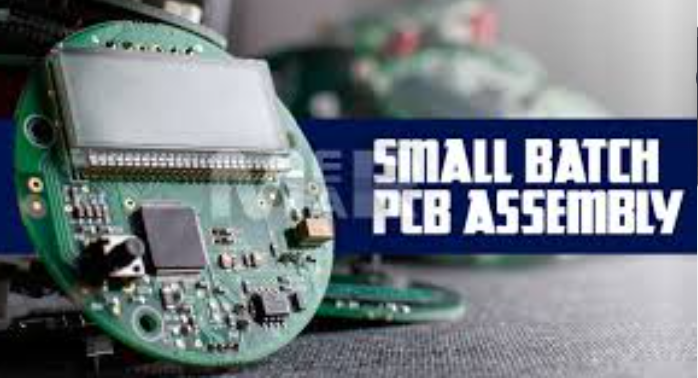
Small batch pcb assembly
Benefits Of Small Batch PCB Assembly For Startups
Small batch PCB assembly offers numerous advantages for startups, particularly in the fast-paced and highly competitive technology sector. One of the primary benefits is the significant reduction in initial costs. Startups often operate with limited budgets, and the ability to produce small quantities of printed circuit boards (PCBs) allows them to allocate resources more efficiently. By avoiding the financial burden of large-scale production, startups can invest in other critical areas such as research and development, marketing, and talent acquisition.
Moreover, small batch PCB assembly provides startups with the flexibility to iterate and refine their designs.
In the early stages of product development, it is common for startups to go through multiple design revisions. Producing PCBs in small batches enables them to test and validate each iteration without committing to a large inventory of potentially obsolete components. This iterative process not only enhances the quality of the final product but also accelerates the time-to-market, giving startups a competitive edge.
In addition to cost savings and design flexibility, small batch PCB assembly also facilitates rapid prototyping.
Startups can quickly produce functional prototypes to demonstrate their concepts to potential investors, partners, and customers. This ability to showcase tangible progress can be crucial in securing funding and building credibility in the market. Furthermore, rapid prototyping allows startups to gather valuable feedback from stakeholders, which can be instrumental in refining the product and ensuring it meets market demands.
Another significant advantage of small batch PCB assembly is the ability to manage risks more effectively.
Large-scale production runs carry inherent risks, such as manufacturing defects, design flaws, and market uncertainties. By opting for small batch production, startups can mitigate these risks by identifying and addressing issues early in the process. This proactive approach not only reduces the likelihood of costly recalls and rework but also enhances the overall reliability and performance of the product.
Additionally, small batch PCB assembly supports a more sustainable approach to manufacturing.
Producing only the necessary quantity of PCBs minimizes waste and reduces the environmental impact associated with excess production. This aligns with the growing emphasis on sustainability and corporate responsibility, which can be particularly appealing to environmentally conscious consumers and investors.
Furthermore, small batch PCB assembly allows startups to build stronger relationships with their manufacturing partners.
Working closely with a manufacturer on smaller production runs fosters better communication and collaboration, leading to a deeper understanding of the startup’s specific needs and requirements. This partnership can result in higher quality products and more efficient production processes, ultimately contributing to the startup’s long-term success.
Lastly, small batch PCB assembly offers startups the opportunity to test market acceptance before scaling up production.
By introducing a limited quantity of products to the market, startups can gauge consumer interest and gather insights on product performance. This market validation is invaluable in making informed decisions about future production volumes and potential product enhancements.
In conclusion, small batch PCB assembly presents a multitude of benefits for startups, including cost savings, design flexibility, rapid prototyping, risk management, sustainability, enhanced partnerships, and market validation. These advantages collectively empower startups to navigate the challenges of product development and bring innovative solutions to market more efficiently and effectively. As the technology landscape continues to evolve, small batch PCB assembly will remain a critical strategy for startups striving to achieve success in a competitive environment.
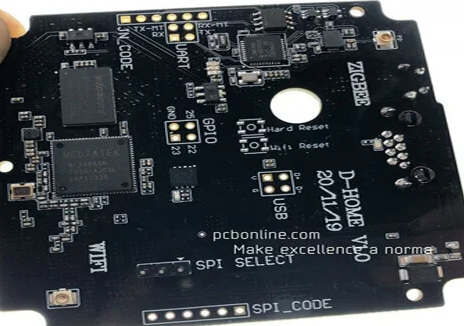
Cost-Effective Strategies In Small Batch PCB Assembly
Small batch PCB assembly, a critical process in the electronics manufacturing industry, involves the production of printed circuit boards in limited quantities. This approach is particularly advantageous for startups, prototyping, and specialized applications where large-scale production is neither necessary nor cost-effective. To navigate the complexities of small batch PCB assembly, it is essential to employ cost-effective strategies that ensure both quality and efficiency.
One of the primary strategies to reduce costs in small batch PCB assembly is to optimize the design for manufacturability (DFM).
By focusing on DFM principles, designers can create PCBs that are easier and less expensive to produce. This involves minimizing the number of unique components, standardizing parts, and simplifying the layout to reduce assembly time and potential errors. Additionally, using readily available components can significantly cut down on lead times and costs associated with sourcing rare or custom parts.
Another crucial aspect of cost-effective small batch PCB assembly is selecting the right manufacturing partner.
Partnering with a manufacturer that specializes in small batch production can offer several advantages, including lower setup costs, flexible production schedules, and expertise in handling limited runs. These manufacturers often have streamlined processes tailored to small batch production, which can result in faster turnaround times and reduced overhead costs. Furthermore, they may offer value-added services such as design reviews and testing, which can help identify and rectify potential issues early in the process, thereby avoiding costly rework.
Material selection also plays a significant role in managing costs.
Opting for high-quality yet affordable materials can strike a balance between performance and budget. For instance, choosing a standard FR-4 substrate instead of more expensive alternatives can reduce material costs without compromising the board’s functionality for most applications. Additionally, considering the use of surface-mount technology (SMT) over through-hole technology can lead to cost savings. SMT allows for higher component density and automated assembly, which can lower labor costs and improve production efficiency.
Inventory management is another area where cost savings can be realized.
Maintaining a lean inventory by ordering components on an as-needed basis can reduce storage costs and minimize the risk of obsolescence. Just-in-time (JIT) inventory practices can be particularly beneficial in small batch PCB assembly, as they align component procurement with production schedules, ensuring that materials are available when needed without tying up capital in excess stock.
Moreover, leveraging advanced manufacturing technologies can enhance cost-effectiveness.
Automated optical inspection (AOI) and X-ray inspection systems can detect defects early in the assembly process, reducing the likelihood of costly rework or scrap. Additionally, employing computer-aided design (CAD) and computer-aided manufacturing (CAM) tools can streamline the design and production process, leading to more accurate and efficient assembly.
Finally, continuous improvement and feedback loops are essential for maintaining cost-effectiveness in small batch PCB assembly.
Regularly reviewing production processes, soliciting feedback from assembly technicians, and analyzing performance metrics can identify areas for improvement. Implementing incremental changes based on these insights can lead to ongoing cost reductions and quality enhancements.
In conclusion, small batch PCB assembly requires a strategic approach to manage costs effectively. By optimizing design for manufacturability, selecting the right manufacturing partner, choosing appropriate materials, managing inventory efficiently, leveraging advanced technologies, and fostering continuous improvement, manufacturers can achieve high-quality results while keeping expenses in check. These strategies not only enhance the viability of small batch production but also contribute to the overall success of electronic product development.
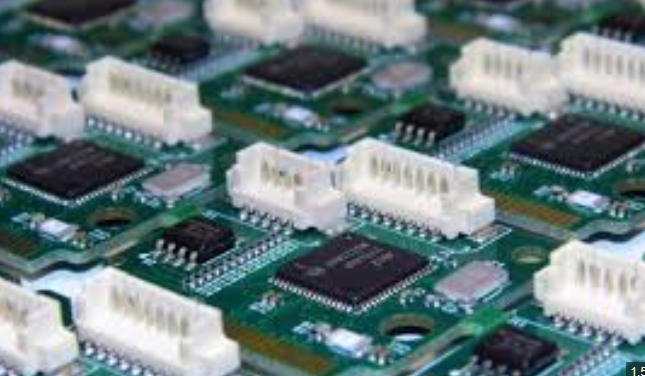
Quality Control Techniques In Small Batch PCB Assembly
In the realm of small batch PCB assembly, quality control is paramount to ensure the reliability and functionality of the final product. Given the intricate nature of printed circuit boards (PCBs) and the critical role they play in electronic devices, meticulous attention to detail is required throughout the assembly process. Various quality control techniques are employed to maintain high standards and minimize defects, thereby ensuring that each PCB meets the stringent requirements of its intended application.
One of the primary quality control techniques in small batch PCB assembly is visual inspection.
This method involves scrutinizing the PCB for any visible defects such as solder bridges, misaligned components, or incomplete solder joints. Visual inspection is often performed using magnification tools to enhance the visibility of minute details. While this technique is relatively straightforward, it is highly effective in identifying obvious flaws that could compromise the functionality of the PCB.
In addition to visual inspection, automated optical inspection (AOI) is widely used in small batch PCB assembly.
AOI systems employ high-resolution cameras and sophisticated algorithms to detect defects that may not be visible to the naked eye. By comparing the assembled PCB to a predefined standard, AOI can identify discrepancies such as missing components, incorrect placements, and soldering issues. This automated approach not only increases the accuracy of defect detection but also speeds up the inspection process, making it particularly valuable in small batch production where time and precision are critical.
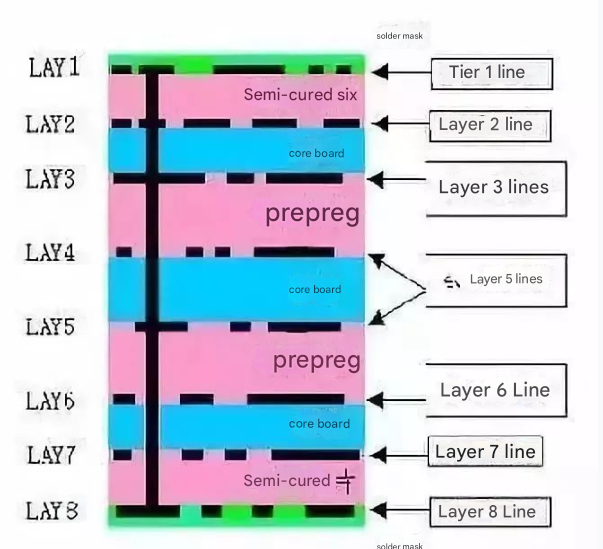
Another essential quality control technique is X-ray inspection, which is particularly useful for detecting hidden defects in multilayer PCBs and components with complex internal structures.
X-ray inspection allows for the examination of solder joints beneath components such as ball grid arrays (BGAs), which are not accessible through visual or AOI methods. By providing a detailed view of the internal structure of the PCB, X-ray inspection helps identify issues such as voids, cracks, and insufficient solder, ensuring the integrity of the assembly.
Functional testing is also a crucial aspect of quality control in small batch PCB assembly.
This technique involves subjecting the assembled PCB to a series of tests that simulate its intended operating conditions. Functional testing verifies that the PCB performs as expected and meets all specified requirements. This may include testing for electrical continuity, signal integrity, and thermal performance. By identifying functional issues early in the production process, manufacturers can address potential problems before the PCBs are deployed in their final applications.
Furthermore, implementing a robust process control system is vital for maintaining quality in small batch PCB assembly.
Process control involves monitoring and controlling various parameters throughout the assembly process, such as temperature, humidity, and solder paste application. By maintaining consistent process conditions, manufacturers can reduce variability and ensure that each PCB is produced to the same high standard. Statistical process control (SPC) techniques, such as control charts and capability analysis, are often used to monitor process performance and identify any deviations that may indicate potential quality issues.
In conclusion, quality control in small batch PCB assembly encompasses a range of techniques designed to ensure the reliability and functionality of the final product. From visual and automated optical inspections to X-ray examination and functional testing, each method plays a critical role in identifying and addressing defects. Additionally, robust process control systems help maintain consistency and minimize variability, further enhancing the quality of the assembled PCBs. By employing these quality control techniques, manufacturers can achieve high standards of excellence, ensuring that their PCBs meet the rigorous demands of modern electronic applications.
Innovations In Small Batch PCB Assembly Technology
Small batch PCB assembly has undergone significant advancements in recent years, driven by the need for rapid prototyping, customization, and the increasing complexity of electronic devices. These innovations have not only enhanced the efficiency and precision of the assembly process but have also made it more accessible to small and medium-sized enterprises (SMEs) and individual developers. As we delve into the technological strides in this domain, it becomes evident that the landscape of small batch PCB assembly is evolving at a remarkable pace.
One of the most notable innovations in small batch PCB assembly technology is the advent of surface mount technology (SMT).
SMT has revolutionized the way electronic components are mounted onto PCBs, allowing for greater component density and miniaturization. This technology has enabled manufacturers to produce more compact and sophisticated electronic devices, meeting the ever-growing demand for smaller and more powerful gadgets. Furthermore, SMT has significantly reduced the time required for assembly, making it an ideal choice for small batch production where speed and efficiency are paramount.
In addition to SMT, the development of automated assembly equipment has played a crucial role in advancing small batch PCB assembly.
Automated pick-and-place machines, for instance, have drastically improved the accuracy and speed of component placement. These machines are capable of handling a wide range of component sizes and types, ensuring that even the most intricate designs can be assembled with precision. The integration of machine learning algorithms into these systems has further enhanced their capabilities, allowing for real-time adjustments and error correction during the assembly process.
Another significant innovation is the use of advanced soldering techniques, such as reflow soldering and selective soldering.
Reflow soldering, in particular, has become the standard method for attaching surface-mounted components to PCBs. This technique involves applying solder paste to the PCB, placing the components, and then heating the assembly in a reflow oven to melt the solder and create strong, reliable connections. Selective soldering, on the other hand, is used for through-hole components and involves precisely applying solder to specific areas of the PCB. These advanced soldering methods have improved the quality and reliability of small batch PCB assemblies, ensuring that they meet the stringent requirements of modern electronic devices.
Moreover, the rise of digital manufacturing technologies, such as 3D printing and computer-aided design (CAD) software, has further propelled the capabilities of small batch PCB assembly.
3D printing, for instance, allows for the rapid prototyping of custom enclosures and components, enabling developers to quickly iterate on their designs. CAD software, on the other hand, provides powerful tools for designing and simulating PCB layouts, ensuring that potential issues are identified and addressed before the assembly process begins. These digital technologies have streamlined the design-to-production workflow, reducing lead times and costs associated with small batch PCB assembly.
Furthermore, the increasing availability of online platforms and services has democratized access to small batch PCB assembly.
Companies offering turnkey solutions, where the entire process from design to assembly is handled by a single provider, have made it easier for SMEs and individual developers to bring their ideas to life. These platforms often provide instant quotes, design validation, and rapid turnaround times, making small batch PCB assembly more accessible and affordable than ever before.
In conclusion, the innovations in small batch PCB assembly technology have transformed the way electronic devices are designed and manufactured. From surface mount technology and automated assembly equipment to advanced soldering techniques and digital manufacturing tools, these advancements have enhanced the efficiency, precision, and accessibility of small batch PCB assembly. As the demand for customized and sophisticated electronic devices continues to grow, it is clear that the future of small batch PCB assembly will be shaped by ongoing technological progress and innovation.