SMT Assembly Cost Breakdown: Maximizing Efficiency Strategies

Key Takeaways
Understanding SMT assembly cost drivers is critical for optimizing PCB assembly workflows. Three primary factors dominate expenses: material selection, labor allocation, and equipment efficiency. Material choices—such as solder paste quality and component sourcing—directly impact PCBA budgets, while labor costs hinge on operator skill levels and workflow design. Equipment investments, though initially costly, often yield long-term savings through reduced downtime and higher throughput.
| Cost Factor | Traditional Approach | Optimized Strategy |
|---|---|---|
| Material Waste | 8-12% of total cost | 4-6% via vendor partnerships |
| Labor Hours | 25-30 hours/project | 15-20 hours with automation |
| Equipment Utilization | 65-75% capacity | 85-95% with predictive maintenance |
Hidden expenses, such as rework rates and energy consumption, frequently inflate SMT assembly budgets. Proactive measures—like adopting lean manufacturing principles—can streamline processes and minimize defects. Automation, particularly in pick-and-place systems, reduces labor dependency while improving consistency. Future trends, including AI-driven process monitoring, promise further cost reductions by optimizing material usage and cycle times. Balancing upfront investments with operational efficiency remains central to managing PCBA expenses effectively.
SMT Assembly Cost Components Explained
Understanding the financial structure of PCB assembly requires analyzing three primary cost drivers: materials, labor, and equipment. Surface-mount technology (SMT) processes rely heavily on PCBA components like solder paste, substrates, and surface-mount devices (SMDs), which account for 40–60% of total expenses. Material quality directly impacts reliability—premium substrates or high-density interconnects may increase upfront costs but reduce long-term failure risks.
Labor costs, though declining with automation, remain critical for tasks requiring precision, such as manual inspections or prototype adjustments. However, investments in automated pick-and-place machines or reflow ovens can offset labor dependency, particularly in high-volume production. Equipment depreciation and maintenance also contribute significantly, especially for advanced systems like automated optical inspection (AOI) tools.
Tip: Partnering with suppliers for bulk purchasing agreements or consignment programs can lower material expenses without compromising quality in PCB assembly workflows.
Hidden costs often emerge from design flaws, such as inefficient component layouts that increase solder paste waste or rework rates. Additionally, regulatory compliance (e.g., RoHS or IPC standards) may necessitate specialized materials or certifications, indirectly raising PCBA project budgets. By dissecting these components, manufacturers can identify optimization opportunities while maintaining production integrity.
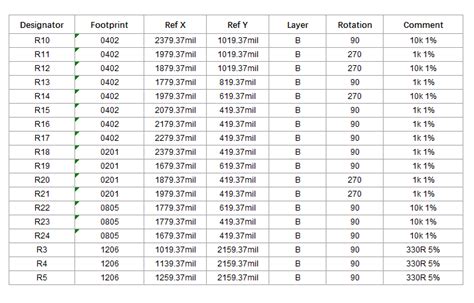
Material Choices Driving SMT Expenses
The selection of materials significantly impacts PCB assembly expenses, directly influencing both quality and budget. High-performance substrates like FR4 or polyimide determine thermal stability and signal integrity, but their costs vary by up to 40% depending on thickness and copper weight. Solder paste quality also plays a critical role—low-residue, lead-free formulations reduce rework rates but may increase initial material costs by 15–25%. Component sourcing further affects PCBA budgets: opting for industrial-grade ICs or specialized connectors can escalate expenses, while bulk purchasing standardized parts often yields savings.
Stencil design choices, such as laser-cut vs. electroformed templates, influence solder paste application precision. While laser-cut stencils cost less, electroformed variants improve yield rates for fine-pitch components, balancing long-term PCB assembly efficiency. Additionally, adhesives and underfill materials must align with product lifecycle requirements—over-specifying these can inflate costs unnecessarily. By analyzing application-specific needs and collaborating with suppliers, manufacturers can optimize material portfolios without compromising reliability. This strategic alignment not only reduces PCBA expenses but also creates a foundation for downstream process efficiencies, such as minimizing scrap rates or accelerating throughput.

Optimizing Labor in SMT Production
Labor costs remain a critical variable in PCB assembly operations, particularly in PCBA workflows where manual oversight intersects with automated processes. Strategic workforce management begins with cross-training technicians to handle multiple stages of surface-mount technology (SMT) production, reducing dependency on specialized roles. Implementing automation-assisted tools—such as pick-and-place monitoring systems—allows teams to focus on quality control rather than repetitive tasks, directly lowering error rates and rework expenses.
Data-driven scheduling further optimizes labor allocation. By analyzing production peaks, manufacturers can align shifts with PCB assembly demand, minimizing idle time while maintaining throughput. Real-time performance dashboards also empower supervisors to identify skill gaps and deploy targeted training, ensuring consistent process adherence.
However, over-reliance on automation risks underutilizing human expertise. A balanced approach integrates AI-driven diagnostics with technician input, particularly for complex PCBA troubleshooting. For instance, combining automated optical inspection (AOI) systems with skilled analysis accelerates defect resolution, preserving both efficiency and product integrity.
When paired with lean manufacturing principles, these strategies reduce labor-related waste by up to 25% in SMT lines. Transitioning to a hybrid model—where automation handles high-volume tasks and technicians oversee exceptions—creates a scalable framework adaptable to evolving PCB assembly requirements.
Equipment Investments for Cost Efficiency
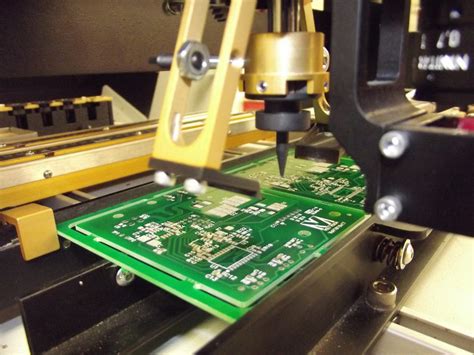
Strategic investments in PCB assembly equipment form the backbone of sustainable cost management. While upfront expenditures for high-speed pick-and-place systems or automated optical inspection (AOI) units may appear substantial, these technologies deliver long-term ROI through enhanced precision and reduced material waste. Modern PCBA lines benefit from modular equipment designs that allow gradual upgrades, enabling manufacturers to scale capabilities without complete overhauls.
The integration of IoT-enabled reflow ovens exemplifies how smart monitoring systems optimize energy consumption and minimize downtime. However, balancing equipment lifespan against technological obsolescence requires careful analysis – older machines may incur higher maintenance costs compared to newer models with predictive diagnostics.
A 2023 IPC report revealed facilities using adaptive placement systems achieved 18–22% faster cycle times than those relying on legacy equipment. For low-to-mid volume production, collaborative robots (cobots) provide flexible automation that maintains quality standards while keeping PCB assembly costs competitive.
Streamlining Processes to Cut Costs
Efficient process design remains pivotal for reducing PCB assembly expenses. By adopting lean manufacturing principles, manufacturers can eliminate redundant steps in PCBA workflows, such as excessive material handling or redundant quality checks. For instance, integrating automated optical inspection (AOI) systems with real-time feedback loops minimizes manual rework, accelerating throughput while maintaining precision. Cross-departmental collaboration between engineering and production teams also plays a critical role—standardizing component footprints or panel designs early in the design for manufacturability (DFM) phase avoids costly mid-production adjustments.
Another key strategy involves optimizing solder paste application through advanced stencil designs, which reduces material waste by up to 15%. Simultaneously, implementing dynamic scheduling algorithms balances machine utilization rates, preventing bottlenecks in high-mix PCB assembly environments. Data-driven root-cause analysis further identifies recurring defects, enabling proactive corrections rather than reactive fixes. When combined with energy-efficient equipment upgrades, these streamlined processes create compounding savings—cutting not only direct labor and material costs but also indirect overheads like energy consumption. Such systemic improvements ensure cost reductions align with quality benchmarks, reinforcing long-term competitiveness in PCBA markets.
Hidden Expenses in SMT Assembly
While material and labor costs dominate PCB assembly discussions, hidden expenses in SMT manufacturing often erode profitability unnoticed. Beyond direct component procurement, setup fees for low-volume PCBA orders can disproportionately inflate per-unit costs, particularly when frequent line changeovers occur. Testing and inspection requirements—such as automated optical inspection (AOI) or X-ray verification—add 8–15% to project budgets but remain critical for minimizing defect-related rework.
Another overlooked cost driver lies in component storage and handling. Moisture-sensitive devices (MSDs) like BGAs or QFNs demand climate-controlled environments, while improper inventory rotation risks obsolescence. Additionally, compliance certifications (e.g., IPC-A-610 standards) and documentation processes create administrative overhead, especially for aerospace or medical-grade assemblies.
Supply chain volatility further complicates cost predictability. Lead time fluctuations for specialized ICs or connectors may force manufacturers to expedite shipments or maintain safety stock—both of which strain budgets. Proactive mitigation, such as consolidating orders with trusted PCB assembly partners and adopting design-for-manufacturability (DFM) principles, helps minimize these stealth expenditures without compromising quality.
Automation’s Role in SMT Cost Savings
Modern PCB assembly workflows increasingly leverage automation to address cost pressures while maintaining precision. Automated pick-and-place systems, for instance, reduce human error rates by over 70% compared to manual processes, directly lowering rework expenses in PCBA production. Robotic soldering equipment further optimizes material usage, minimizing solder paste waste by precisely controlling deposition volumes. These systems also operate continuously, boosting throughput by up to 300% in high-volume SMT lines—a critical advantage when scaling operations.
Transitioning to automated optical inspection (AOI) systems exemplifies another layer of savings. By replacing manual visual checks, manufacturers reduce labor dependency while achieving near-real-time defect detection, preventing costly downstream failures. Additionally, automated material handling systems streamline inventory management, cutting storage costs and minimizing component misplacement risks.
However, balancing upfront investments in automation with long-term ROI requires careful analysis. Modular systems that integrate with existing PCB assembly infrastructure often deliver faster payback periods. As factories adopt Industry 4.0 principles, data-driven automation—such as predictive maintenance for SMT equipment—further curtails unplanned downtime, solidifying automation’s role as a cornerstone of cost-efficient PCBA manufacturing.
Future Trends Reducing SMT Costs
Emerging technologies are reshaping PCB assembly workflows, with advancements poised to further drive down SMT-related expenses. The integration of artificial intelligence (AI) into PCBA production lines enables predictive maintenance, minimizing equipment downtime and optimizing material usage. Machine learning algorithms analyze historical data to refine solder paste application, reducing defects and rework rates. Additionally, IoT-enabled devices now provide real-time monitoring of assembly parameters, allowing manufacturers to adjust processes dynamically and avoid costly inefficiencies.
Material innovation also plays a critical role, with next-generation substrates and low-temperature solders reducing energy consumption during reflow cycles. The adoption of modular equipment designs allows factories to scale PCB assembly capacity without overinvesting in underutilized machinery. Meanwhile, advancements in additive manufacturing, such as 3D-printed solder masks, are cutting material waste by up to 30%. Sustainability initiatives, including lead-free soldering and recyclable packaging, align with regulatory demands while lowering long-term compliance costs.
As these trends converge, manufacturers leveraging digital twin simulations can pre-test PCBA configurations virtually, slashing prototyping expenses. Collaborative robotics, paired with human oversight, further balances precision and labor costs. These innovations collectively ensure that SMT processes remain cost-competitive while meeting evolving industry standards.
Conclusion
In navigating SMT assembly costs, manufacturers must adopt a holistic approach that balances PCB assembly quality with financial efficiency. By integrating optimized material selection, strategic equipment investments, and data-driven process refinements, businesses can significantly reduce PCBA expenses without compromising output standards. The interplay between automation and skilled labor remains critical—while advanced machinery minimizes human error and accelerates throughput, trained technicians ensure nuanced oversight for complex projects. Emerging technologies like IoT-enabled monitoring and AI-driven predictive maintenance further promise to lower hidden operational costs over time. Ultimately, success hinges on aligning every cost-saving measure with long-term scalability, ensuring that today’s efficiencies evolve alongside tomorrow’s SMT assembly innovations.
Frequently Asked Questions
How do material selections affect PCB assembly costs?
Material choices directly impact expenses through substrate quality, solder mask type, and component specifications. High-frequency substrates or lead-free solder often increase PCBA costs but ensure compliance with industry standards.
What labor factors influence SMT assembly pricing?
Skilled technician wages, training overhead, and rework rates contribute to labor costs. Automating repetitive tasks like solder paste application can reduce human error and long-term expenses.
Why is equipment investment critical for cost efficiency?
Advanced pick-and-place machines and automated optical inspection (AOI) systems minimize defects and accelerate throughput. While upfront costs are high, they lower per-unit expenses in high-volume PCB assembly runs.
Are there hidden costs in PCBA projects?
Yes, including prototyping iterations, testing delays, and compliance certifications. Design-for-manufacturing (DFM) reviews early in the process help identify potential bottlenecks before production.
How does automation reduce SMT assembly costs?
Automated systems optimize material usage, reduce cycle times, and improve consistency. For example, machine vision-guided placement cuts component misalignment by over 90%, minimizing waste.
What future trends could lower PCB assembly expenses?
AI-driven process optimization and modular equipment designs are reducing setup times and energy consumption. These innovations enable faster scaling for custom PCBA demands.
Ready to Optimize Your SMT Assembly Process?
Streamline your production with tailored solutions—please click here to explore cost-effective PCB assembly strategies tailored to your project’s needs.