Streamline PCB Manufacturing Quotes with Real-Time Tools

Key Takeaway
Modern PCB manufacturing workflows demand precision and speed, especially when generating quotes for complex designs. By leveraging real-time pricing tools, PCB manufacturing companies can instantly calculate material costs—from standard FR4 to advanced Rogers substrates—while factoring in design complexity and production timelines. This eliminates manual guesswork and reduces errors in PCB manufacturing cost estimations by up to 40%, according to industry benchmarks.
For example, automated systems analyze layer counts, surface finishes, and tolerances to provide accurate quotes within minutes. This efficiency is critical for PCB manufacturing business models prioritizing rapid prototyping or high-volume orders. Below is a comparison of traditional vs. real-time quoting processes:
| Factor | Traditional RFQ | Real-Time Tools |
|---|---|---|
| Quote Turnaround | 24–48 hours | <2 minutes |
| Cost Accuracy | ±15% | ±5% |
| Lead Time Visibility | Limited | Real-time tracking |
Advanced algorithms also adapt to material shortages or supply chain delays, ensuring your project stays on budget and schedule. Whether you’re managing HDI designs or flexible circuits, these tools simplify decision-making while aligning with dynamic PCB manufacturing requirements.
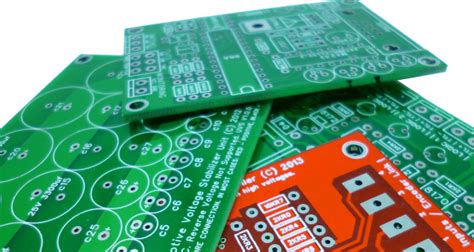
Real-Time PCB Quote Tools Accelerate Production
When managing PCB manufacturing projects, time spent waiting for manual quotes can derail timelines. Modern real-time quoting platforms eliminate this bottleneck by providing instant cost estimates directly within your design workflow. By integrating material specifications, layer counts, and surface finishes, these tools analyze PCB manufacturing cost variables in seconds—whether you’re working with standard FR4, high-density interconnect (HDI), or specialized substrates.
For PCB manufacturing companies, this immediacy translates to faster client responses and streamlined production planning. Instead of submitting RFQs via email and waiting days for feedback, automated systems generate accurate quotes while factoring in real-time supplier capacity and material availability. This agility is critical for PCB manufacturing business models prioritizing rapid prototyping or high-mix orders.
The ability to adjust design parameters on-the-fly—like swapping materials or modifying tolerances—empowers you to balance cost and performance without restarting the quoting process. Dynamic lead time tracking further ensures alignment between project deadlines and fabrication schedules, reducing the risk of production delays. By cutting administrative overhead, these tools let engineers focus on innovation rather than logistics, ultimately accelerating time-to-market for complex PCB assemblies.

Instant PCB Cost Calculations for FR4 and HDI Designs
Accurate PCB manufacturing cost estimation is critical when working with advanced materials like FR4 and HDI substrates. Modern real-time quoting tools eliminate guesswork by analyzing design parameters—such as layer count, copper weight, and surface finish—to generate instant pricing tailored to your specifications. For PCB manufacturing companies, this means reducing manual revisions and accelerating decision-making, especially when balancing performance requirements with budget constraints.
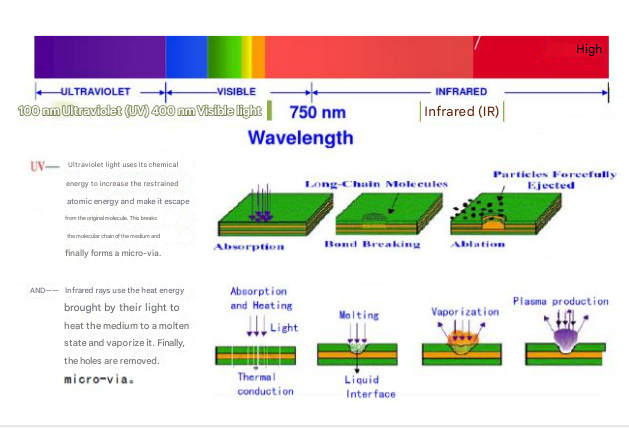
These platforms automate cost breakdowns for high-density interconnect (HDI) designs, factoring in microvias, stacked layers, and laser-drilled features that impact complexity. Similarly, FR4-based projects benefit from dynamic calculations that adjust for material thickness, solder mask options, and impedance control needs. By integrating these tools early in the design phase, you avoid costly post-prototype adjustments while maintaining alignment with PCB manufacturing business objectives.
Leading solutions also provide comparative analyses, showing how design tweaks affect overall PCB manufacturing expenses. For example, switching from standard FR4 to halogen-free variants or adjusting HDI via structures can be evaluated in seconds. This transparency helps engineers and procurement teams collaborate effectively, ensuring technical and financial goals stay synchronized.
To explore advanced cost-tracking capabilities for your next project, review industry-leading solutions that streamline quoting workflows. Real-time data empowers you to make informed choices without delaying timelines—a competitive edge in fast-paced electronics development.
Streamline RFQ Processes With Automated PCB Pricing
Navigating PCB manufacturing quotes traditionally involves time-consuming back-and-forth communication, manual data entry, and fragmented spreadsheets. Modern automated pricing tools eliminate these inefficiencies by integrating design parameters—layer counts, material types (like FR4 or Rogers), and surface finishes—directly into real-time cost engines. When submitting RFQs, you receive instant pricing breakdowns that clarify how factors such as panel utilization and solder mask options impact PCB manufacturing cost. This transparency allows for rapid design adjustments to align with budget constraints without compromising quality.
Leading PCB manufacturing companies now embed these tools into their quoting platforms, enabling you to compare multiple scenarios in seconds. For example, switching from standard FR4 to high-frequency Rogers substrates immediately updates material and processing fees, while automated lead time estimates highlight trade-offs between speed and PCB manufacturing business priorities. By eliminating guesswork, these systems reduce quoting cycles by up to 70%, freeing engineers to focus on innovation rather than administrative tasks.
The key advantage? Real-time automation ensures accuracy, minimizes human error, and standardizes pricing across vendors. Instead of waiting days for manual quotes, you gain actionable insights to make informed decisions—and secure competitive rates faster.
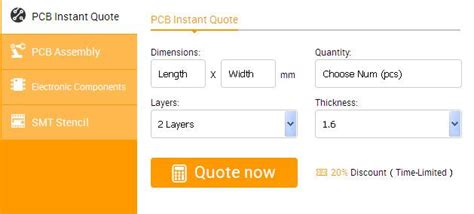
Flex and Rogers PCB Cost Tracking Made Simple
Tracking expenses for Flex and Rigid-Flex PCBs or advanced Rogers material-based designs no longer requires manual guesswork. Modern PCB manufacturing companies leverage real-time quoting platforms to break down PCB manufacturing costs layer by layer, factoring in material grades, stack-up complexity, and production volumes. For example, Rogers 4350B substrates might increase baseline pricing by 15-30% compared to standard FR4, while flexible circuits often see added expenses from polyimide layers or specialized adhesives.
Tip: Always verify whether your chosen supplier’s platform auto-updates material pricing based on current market rates—this prevents surprises when finalizing orders.
With automated tools, you can adjust design parameters like copper weight or minimum trace width and instantly see how they impact your PCB manufacturing business budget. This transparency helps identify cost drivers early, whether it’s the number of rigid-flex transition zones or the need for high-frequency Rogers laminates. Real-time dashboards also track lead time fluctuations, allowing you to balance speed and affordability without back-and-forth emails.
By integrating these systems, you streamline not just PCB manufacturing quoting but also build a data-driven foundation for future projects. The result? Fewer delays, accurate forecasts, and a clearer path to optimizing complex board budgets.
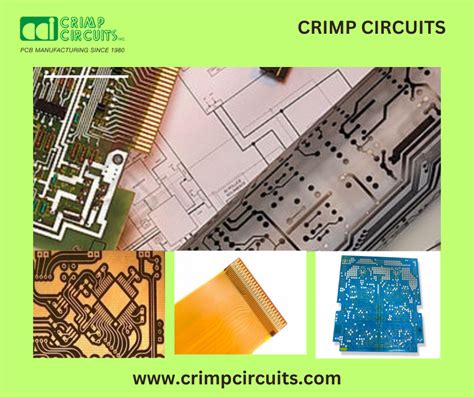
Optimize PCB Lead Time Tracking Instantly
Accurate lead time management is critical in PCB manufacturing, where delays can disrupt entire production schedules. Modern solutions eliminate guesswork by integrating real-time tracking directly into your workflow, allowing you to monitor progress at every stage—from material procurement to final inspection. For PCB manufacturing companies, this visibility means identifying bottlenecks early, such as delays in FR4 substrate availability or HDI layer alignment, and adjusting timelines proactively.
Advanced tools automatically sync with fabrication equipment and supplier databases, providing updates on Flex circuit lamination cycles or Rogers material curing times. You’ll receive alerts if a step exceeds its estimated duration, enabling swift interventions to keep projects on track. This precision not only reduces idle time but also improves PCB manufacturing cost predictability, as unexpected extensions no longer inflate budgets.
By centralizing lead time data alongside PCB manufacturing business metrics like order volume and resource allocation, these platforms help balance speed with quality. Whether you’re coordinating multi-layer prototypes or high-volume batches, instant tracking ensures deadlines align with client expectations—building trust while maintaining competitive agility.

Simplify Manufacturing Quotes With Real-Time Tools
When requesting PCB manufacturing quotes, traditional methods often involve manual data entry, email exchanges, and days of waiting. Modern real-time quoting tools eliminate these inefficiencies by automating cost calculations based on design parameters like material type, layer counts, and surface finishes. For PCB manufacturing companies, this means you can input specifications for FR4, HDI, or Flex PCBs and receive instant pricing breakdowns—without waiting for sales teams to respond.
These platforms integrate PCB manufacturing cost variables such as raw material fluctuations, labor rates, and logistics fees, providing transparent pricing models. For instance, if you’re comparing standard FR4 builds versus high-density interconnect layouts, the tool adjusts costs dynamically, highlighting how design choices impact budgets. This automation also reduces human error, ensuring quotes align with your project’s technical requirements.
For PCB manufacturing business managers, real-time systems simplify RFQ tracking by centralizing communication and documentation. You can monitor quote revisions, approve changes, and finalize orders within a single interface—accelerating timelines while maintaining accuracy. By leveraging these tools, teams gain agility in navigating complex pricing structures, whether prototyping small batches or scaling production.
Transitioning to automated quoting doesn’t just save time; it transforms how you engage with suppliers, turning cost estimation from a bottleneck into a strategic advantage. The next section explores how these tools handle specialized materials like Rogers substrates while maintaining pricing clarity.
HDI and Halogen-Free PCB Pricing Demystified
Understanding the cost drivers for specialized PCB manufacturing projects like HDI (High-Density Interconnect) and halogen-free boards requires clarity on material choices and design complexity. While standard FR4 PCBs follow predictable pricing models, HDI designs introduce variables such as microvias, stacked layers, and advanced drilling techniques—all of which influence PCB manufacturing cost. Similarly, halogen-free materials, mandated for eco-compliance in many industries, carry premium pricing due to their flame-retardant properties and specialized processing requirements.
Modern PCB manufacturing companies leverage real-time quoting tools to break down these variables transparently. By inputting parameters like layer count, via types, and substrate material, you receive instant breakdowns of how each design choice impacts overall expenses. For example, opting for laser-drilled microvias in HDI layouts may increase upfront costs but reduces long-term reliability risks—a trade-off visible through dynamic cost simulations.
For PCB manufacturing business teams, this granularity eliminates guesswork when budgeting for high-performance projects. Real-time tools also align pricing with fluctuating material markets, ensuring halogen-free epoxy resin or high-frequency laminate costs are updated hourly. This precision helps you balance performance requirements with budget constraints, whether prototyping or scaling production. By demystifying these niche cost components, automated systems empower faster, more informed decisions in complex manufacturing scenarios.
Advanced PCB Quote Solutions for Rapid Prototyp
When working with PCB manufacturing companies, time-sensitive prototyping demands tools that eliminate guesswork from cost estimation. Modern real-time quoting platforms analyze design files instantly, factoring in PCB manufacturing cost variables like layer count, material type (FR4, HDI, or Rogers), and surface finishes. By automating these calculations, you avoid manual errors while gaining visibility into how design tweaks impact pricing—critical for balancing performance and budget in high-mix, low-volume projects.
For PCB manufacturing business teams, advanced solutions integrate directly with CAD tools, enabling instant adjustments to specifications like impedance control or flex-circuit tolerances. This seamless workflow reduces RFQ turnaround from days to minutes, particularly valuable for iterative prototyping cycles. Embedded lead time tracking further ensures alignment between project timelines and production capacity, whether sourcing standard FR4 boards or specialized halogen-free substrates.
The best systems also provide historical cost benchmarks, helping you negotiate better terms with suppliers or identify areas to optimize PCB manufacturing workflows. By centralizing data on material costs, labor, and overhead, these platforms turn quoting from a bottleneck into a strategic advantage—accelerating time-to-market without compromising quality.
Conclu
Adopting real-time tools for PCB manufacturing transforms how you manage quotes, costs, and timelines. By integrating these solutions, PCB manufacturing companies gain precision in forecasting PCB manufacturing cost, enabling faster decision-making without compromising material quality or design specifications. Whether you’re prototyping complex HDI layouts or scaling production for flexible circuits, automated pricing engines eliminate manual errors and reduce quote turnaround times to minutes. This efficiency directly benefits your PCB manufacturing business, allowing you to allocate resources toward innovation rather than administrative tasks.
Transitioning to digital platforms also simplifies collaboration with suppliers, ensuring transparency in PCB manufacturing cost breakdowns for FR4, Rogers, or halogen-free materials. As lead times become more predictable, you can align production schedules with market demands, reducing bottlenecks. Ultimately, leveraging these tools isn’t just about speed—it’s about building a competitive edge through accuracy, scalability, and strategic cost management in the evolving PCB manufacturing landscape.
Frequently Asked Qu
How do real-time tools improve PCB manufacturing quote accuracy?
By integrating material cost databases and production algorithms, these systems automatically adjust for FR4 variations and HDI complexity. You receive quotes reflecting current substrate prices and machine utilization rates within minutes.
What factors determine PCB manufacturing cost in instant quoting systems?
Key variables include board thickness, copper weight, and surface finish type. Advanced tools cross-reference your design files with supplier inventory data to calculate dynamic pricing for PCB manufacturing companies.
Can automated RFQ processes handle Flex and Rogers PCB projects?
Yes. Modern platforms preset thermal expansion coefficients and dielectric constants for specialty materials. You’ll see cost comparisons between standard FR4 and high-frequency Rogers options during quote generation.
Why should PCB manufacturing business teams adopt instant quoting?
Lead time tracking and bulk order discounts become actionable insights rather than estimates. One medical device client reduced prototyping costs by 22% using real-time multilayer HDI pricing adjustments.
Do these tools work for low-volume PCB manufacturing orders?
Absolutely. Algorithmic cost models eliminate minimum order biases. Whether producing 5 prototypes or 5,000 assemblies, you pay per-unit rates aligned with actual production resource allocation.
Get Your Instant PCB Manufacturing Quote Today
Streamline your project planning with precision pricing. Click here to access real-time PCB manufacturing cost calculations tailored for your design specifications.