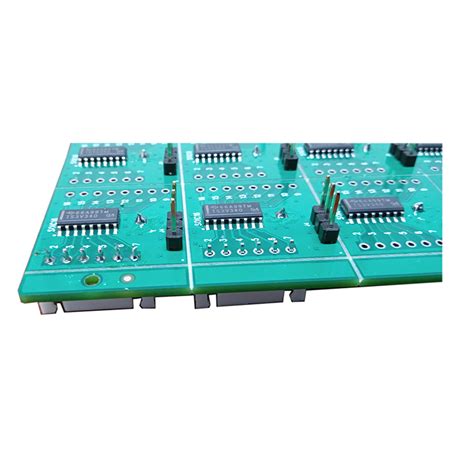
Streamline Production with Trusted PCB Manufacturing Solutions
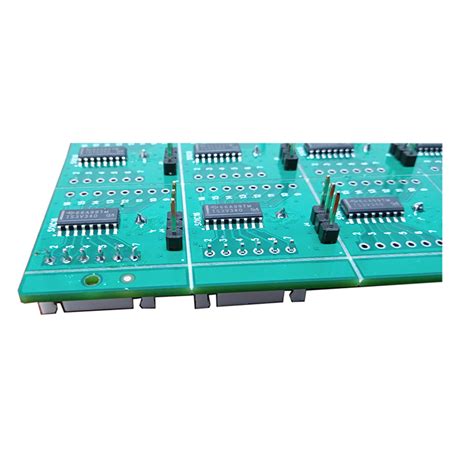
Key Takeaways
When evaluating PCB manufacturing partners, understanding how technical capabilities align with your project requirements can significantly impact timelines and PCB manufacturing cost. Leading PCB manufacturing companies leverage advanced prototyping systems to reduce iteration cycles while maintaining traceability standards—a critical factor for OEMs managing complex supply chains.
"Always request a Design for Manufacturability (DFM) report early in the process—this helps identify potential bottlenecks before committing to full-scale production."
The integration of *automated optical inspection (https://www.andwinpcba.com) minimize logistical delays while maintaining cost efficiency.
Key considerations include balancing layer count complexity against budget constraints and verifying suppliers’ capacity for high-density interconnect (HDI) designs if required. Transparent communication about material specifications (e.g., FR-4 vs. Rogers substrates) further streamlines workflows, ensuring your electronics production remains agile from prototyping to volume runs.
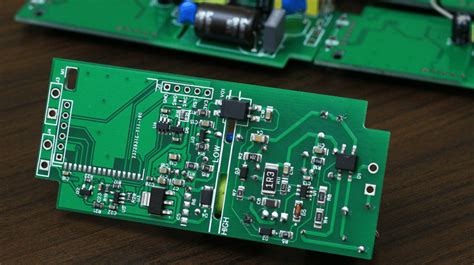
Custom PCB Manufacturing Redefines Efficiency
When optimizing your electronics production, PCB manufacturing processes directly impact your ability to meet deadlines and maintain quality. Modern PCB manufacturing companies leverage automated design validation and advanced material sourcing to eliminate bottlenecks, ensuring your prototypes transition seamlessly to full-scale production. By prioritizing design-for-manufacturability principles, these partners reduce PCB manufacturing cost while maintaining rigorous quality standards—a critical balance for OEMs managing tight budgets.
For instance, consider how streamlined workflows in the PCB manufacturing business minimize lead times:
| Traditional Approach | Modern Custom Solution |
|---|---|
| 2-week prototyping | 48-hour turnaround |
| Manual design checks | AI-driven error detection |
| Fixed material options | Dynamic material matching |
This shift allows you to scale operations without sacrificing precision, as automated assembly lines and real-time progress tracking ensure consistent output. By collaborating with certified PCB manufacturing specialists, you gain access to global supply networks that mitigate component shortages—a common pain point in complex builds.
The result? A 25-40% reduction in time-to-market for high-density interconnect (HDI) boards, paired with tighter tolerances (±0.1mm) for mission-critical applications. Whether you’re iterating IoT devices or industrial control systems, aligning with agile PCB manufacturing companies transforms how you approach efficiency in product development cycles.
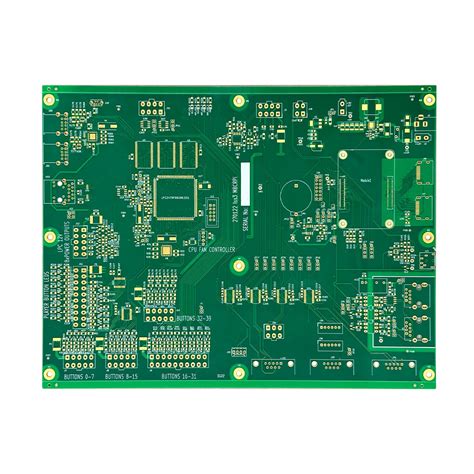
Rapid Prototyping Solutions for Electronics Innovation
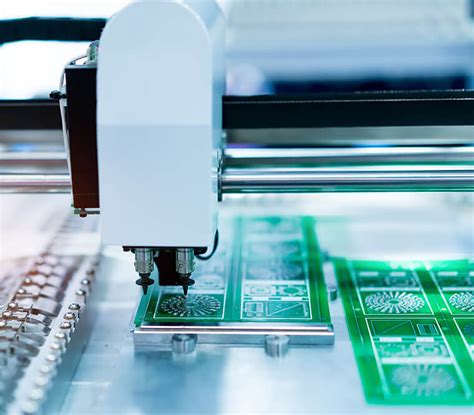
When developing new electronic products, speed to market often determines competitive advantage. Leading PCB manufacturing companies now offer 24-hour prototyping cycles, enabling you to test design iterations faster than traditional methods. By leveraging advanced laser direct imaging and automated quality checks, these solutions reduce PCB manufacturing cost while maintaining precision across complex multilayer designs.
Your prototyping partner should provide seamless collaboration tools, such as real-time design-for-manufacturability (DFM) feedback, to identify potential flaws before production begins. This proactive approach minimizes costly revisions and aligns with the efficiency goals of your PCB manufacturing business. For startups and established OEMs alike, rapid prototyping bridges the gap between concept validation and scaled production, ensuring your designs meet both technical specifications and market demands.
Integrated supply chains within global PCB manufacturing networks further accelerate timelines by consolidating material sourcing and fabrication under ISO-certified workflows. Whether you’re refining IoT devices or industrial control systems, prioritizing agility in prototyping ensures your innovations stay ahead in fast-moving industries—without compromising on reliability or scalability.
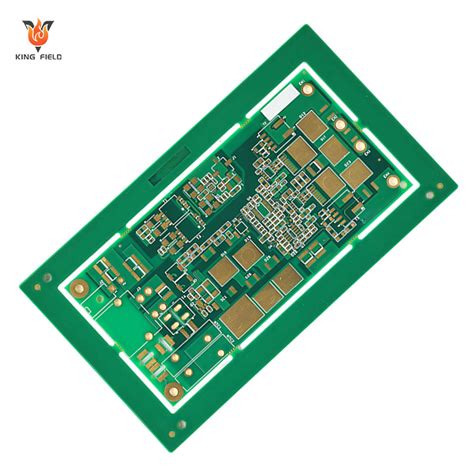
24-Hour Build Times for Accelerated Production
When timelines tighten and market demands shift rapidly, partnering with PCB manufacturing companies that offer 24-hour build cycles becomes critical. These accelerated timelines allow you to bypass traditional bottlenecks, compressing production schedules without compromising quality. By leveraging advanced automation and streamlined workflows, leading providers deliver PCB manufacturing services that align with just-in-time production models—ensuring your prototypes or bulk orders transition from design to deployment at unprecedented speeds.
Reduced PCB manufacturing cost is another advantage of rapid-turn services. Faster build times minimize idle periods in your supply chain, lowering inventory overhead and accelerating ROI. For businesses scaling their PCB manufacturing business, this efficiency translates to tighter control over project budgets and resource allocation. Moreover, ISO-certified processes guarantee consistency across high-speed operations, mitigating risks associated with rushed production.
Whether you’re addressing urgent design revisions or capitalizing on emerging opportunities, 24-hour capabilities keep your electronics development agile. Global support networks further enhance reliability, ensuring seamless coordination across time zones. This approach not only meets tight deadlines but also reinforces your position as a responsive player in competitive markets.
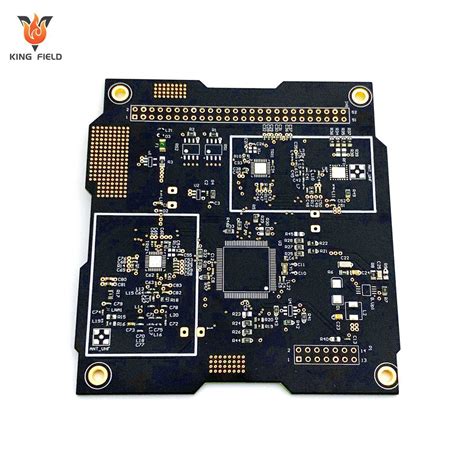
Precision Engineering in PCB Board Fabrication
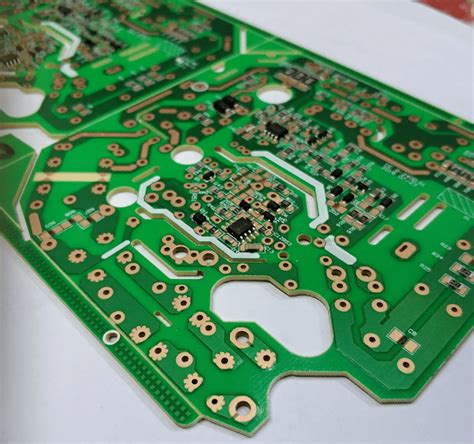
Achieving consistent quality in PCB manufacturing hinges on precision engineering—a discipline that ensures every layer, trace, and via aligns with exact design specifications. Leading PCB manufacturing companies leverage advanced technologies like automated optical inspection (AOI) and laser drilling to maintain micron-level accuracy, minimizing signal loss and enhancing circuit reliability. These processes are critical when working with high-density interconnects (HDIs) or materials like Rogers or FR-4, where even minor deviations can compromise performance.
Balancing PCB manufacturing cost with precision requires optimized workflows. Modern fabrication tools reduce material waste through panelization strategies while maintaining tight tolerances for complex designs. For instance, impedance-controlled routing and thermal management features are executed with precision to meet automotive or aerospace standards. This level of detail not only ensures functional integrity but also accelerates time-to-market by reducing rework.
For your PCB manufacturing business, partnering with engineers who prioritize precision means fewer production delays and higher yield rates. By integrating rigorous testing protocols—such as flying probe or X-ray inspection—manufacturers deliver boards that withstand harsh environments and prolonged use. This approach aligns with the broader goal of streamlined production, ensuring your electronics projects scale efficiently without sacrificing quality.
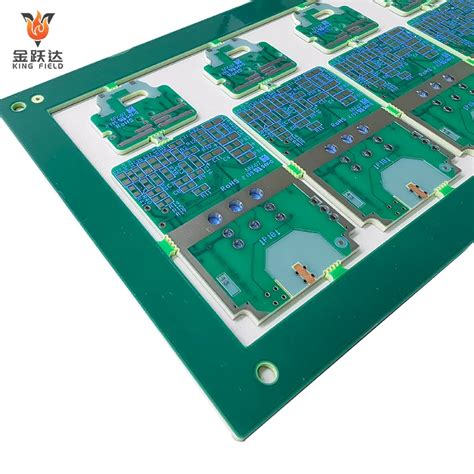
Global ISO-Certified Manufacturing Support Networks
When scaling your electronics production, partnering with PCB manufacturing companies that operate within ISO-certified networks ensures consistent quality and compliance across global markets. These certifications validate adherence to international standards for material sourcing, production processes, and environmental management—critical factors when managing PCB manufacturing cost while maintaining reliability. By leveraging a geographically distributed supply chain, you gain access to localized expertise and reduced lead times, whether you’re prototyping in North America or mass-producing in Asia.
Trusted partners in the PCB manufacturing business integrate real-time communication tools and centralized project management platforms, allowing you to monitor progress and address design adjustments seamlessly. This global framework not only streamlines logistics but also mitigates risks like component shortages or regional disruptions. For OEMs, this translates to predictable timelines and cost structures, even when navigating complex multi-layer board fabrication or high-frequency designs.
Moreover, ISO-certified facilities often employ advanced automation to optimize PCB manufacturing workflows, ensuring precision from solder mask application to final electrical testing. Such standardized processes reduce human error and rework, directly impacting your bottom line. Whether you’re addressing niche markets or high-volume demands, a certified global network provides the agility to adapt without compromising on quality—a strategic advantage in today’s fast-paced electronics industry.
Cost-Effective PCB Solutions for OEMs
When scaling electronics production, managing PCB manufacturing cost becomes critical without compromising quality. Leading PCB manufacturing companies now offer tailored solutions that align with your budget constraints while maintaining rigorous performance standards. By leveraging advanced material optimization and automated production workflows, these providers reduce waste and minimize overhead—savings they pass on to OEMs through competitive pricing models.
A key advantage lies in volume-based pricing structures, where bulk orders unlock significant discounts. However, cost efficiency isn’t solely about quantity. Smart PCB manufacturing strategies incorporate design-for-manufacturability (DFM) principles to eliminate unnecessary layers or complex features, directly lowering material and labor expenses. For instance, selecting standardized substrate materials or panelizing designs can trim PCB manufacturing business costs by up to 30% compared to bespoke alternatives.
Collaborating with ISO-certified partners ensures transparency in pricing breakdowns, helping you identify hidden fees early. Many providers also offer value-added services like in-house component sourcing or multi-project panel sharing, further reducing per-unit costs. By integrating these approaches, you maintain tight control over budgets while accessing the precision and scalability modern PCB manufacturing demands—a balance vital for OEMs competing in fast-paced markets.
Transitioning to the next section, these cost-saving measures seamlessly integrate into broader production workflows, ensuring end-to-end efficiency.
Streamlined Production Workflows for Electronics
Modern PCB manufacturing relies on synchronized processes to eliminate bottlenecks in electronics production. By partnering with experienced PCB manufacturing companies, you gain access to automated design validation tools and just-in-time material sourcing systems that compress lead times by up to 40%. Precision-driven workflows integrate DFM (Design for Manufacturing) checks directly into prototyping phases, ensuring your board designs are production-ready from the first iteration.
Advanced manufacturers deploy AI-powered process optimization to balance PCB manufacturing cost and quality, dynamically adjusting parameters like layer stacking and solder mask application. Real-time production dashboards let you monitor build stages remotely, while automated optical inspection (AOI) systems flag potential defects before assembly—reducing rework cycles by 60% in multi-layer PCB projects.
For businesses scaling their PCB manufacturing business, cloud-based ERP integrations enable seamless order tracking across global ISO-certified facilities. This holistic approach synchronizes PCB fabrication with downstream processes like component procurement, creating end-to-end visibility that accelerates time-to-market for complex electronics. By aligning your workflows with these industrial-grade systems, you maintain agility without compromising on reliability or compliance standards.
Trusted Partner in Custom Board Fabrication
When developing advanced electronics, partnering with reliable PCB manufacturing companies ensures your designs transition seamlessly from concept to reality. A trusted collaborator doesn’t just assemble boards—they optimize PCB manufacturing cost structures while maintaining rigorous quality standards. By leveraging cutting-edge fabrication technologies, these partners deliver precision-engineered solutions tailored to your specifications, whether you require high-volume production or niche prototyping.
The right PCB manufacturing business integrates transparency into every stage, offering real-time updates and proactive design-for-manufacturability (DFM) feedback. This partnership becomes critical when balancing tight timelines with complex requirements, as certified providers combine rapid turnaround with adherence to ISO-certified processes. Moreover, their global support networks enable localized troubleshooting, reducing downtime risks.
For OEMs, aligning with a seasoned PCB manufacturing partner means accessing scalable solutions that adapt to evolving market demands. From minimizing material waste to implementing cost-efficient layer stacking, their expertise directly impacts your bottom line. Ultimately, this collaborative approach transforms fabrication from a logistical challenge into a strategic advantage—ensuring your products meet both performance benchmarks and delivery expectations without compromise.
Conclusion
When selecting partners for your electronics projects, working with established PCB manufacturing companies ensures you leverage both technical expertise and scalable production capabilities. The right provider doesn’t just deliver boards—they optimize PCB manufacturing cost while maintaining rigorous quality standards, enabling you to focus on innovation rather than logistical hurdles. By aligning with a PCB manufacturing business that prioritizes precision and agility, you gain access to streamlined workflows that reduce time-to-market and adapt to evolving design requirements.
Whether scaling prototypes or managing high-volume orders, trusted PCB manufacturing solutions bridge the gap between conceptual designs and market-ready products. Their ability to balance cost-efficiency with ISO-certified processes ensures consistency across global operations, reinforcing your competitive edge. This strategic approach to collaboration transforms production challenges into opportunities for growth, positioning your projects at the forefront of electronics advancement.
FAQs
When exploring PCB manufacturing solutions, you might have specific questions about optimizing your electronics production. Here are answers to common inquiries that align with your project needs:
How do leading PCB manufacturing companies maintain quality standards?
Reputable providers combine automated optical inspection with ISO-certified processes, ensuring every PCB manufacturing stage meets stringent industry specifications. This dual approach minimizes defects while maintaining rapid turnaround times.
What determines PCB manufacturing cost for custom projects?
Key factors include board complexity, material selection, and order volume. Advanced features like high-density interconnects may increase initial costs, but bulk orders often unlock economies of scale through tiered pricing models.
Why should OEMs partner with a full-service PCB manufacturing business?
Integrated providers streamline workflows by handling design validation, prototyping, and mass production under one roof. This consolidation reduces logistical overhead and accelerates time-to-market for your products.
How do PCB manufacturing timelines impact product development cycles?
Modern facilities combine 24/7 production capabilities with agile supply chains, enabling some partners to deliver prototype boards within 24 hours. This speed proves critical when iterating designs or addressing market demands.
Can PCB manufacturing companies accommodate specialized material requirements?
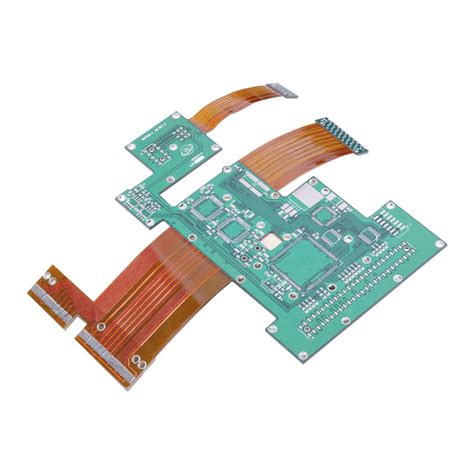
Top-tier providers stock high-frequency laminates, flexible substrates, and thermal-management materials, allowing customization for aerospace, medical, or automotive applications without compromising production schedules.
Ready to Optimize Your PCB Production?
For tailored PCB manufacturing solutions that balance speed, precision, and cost-efficiency, please click here to consult with our engineering team.