Streamlining Custom Circuit Board Assembly for Enhanced Efficiency
Key Takeaways
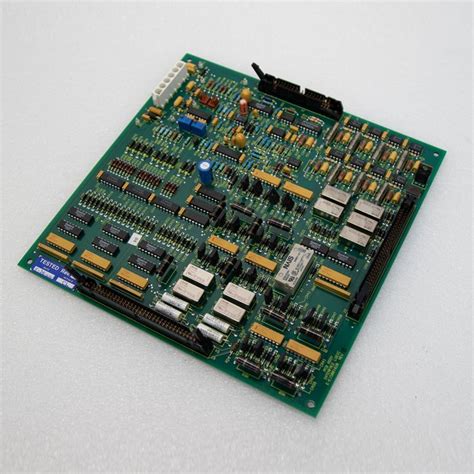
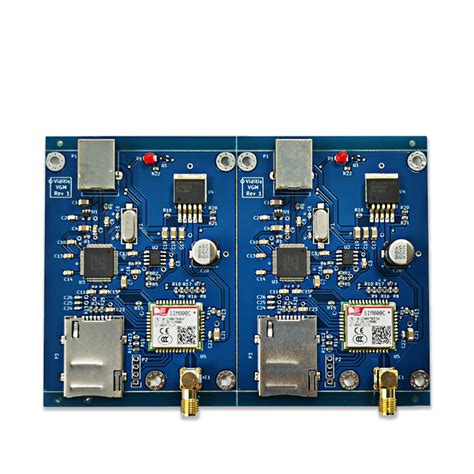
Streamlining custom circuit board assembly (PCBA) is essential for enhancing overall efficiency and quality in electronics manufacturing. By understanding the foundational aspects of pcb assembly, one can identify key challenges that may arise during the production process. These challenges include managing component placement, soldering accuracy, and testing protocols. Implementing innovative technologies, such as robotic automation and advanced inspection systems, can significantly transform circuit board production.
Additionally, adopting best practices for reducing production time in assembly—like employing just-in-time inventory management and utilizing optimized workflow layout—can lead to substantial improvements in turnaround times. Furthermore, implementing rigorous quality control measures ensures that each board meets the highest standards before reaching the market, minimizing defects and enhancing customer satisfaction.
Utilizing specialized tools and software to streamline the assembly workflow can aid in monitoring every stage of the pcba process efficiently. By analyzing real-time data and integrating predictive analytics, manufacturers can make informed decisions that enhance productivity levels while maintaining high-quality outputs. In summary, focusing on these aspects can lead to a more efficient custom circuit board assembly process that not only meets today’s demands but also prepares for future challenges in the electronics landscape.
Understanding the Basics of Custom Circuit Board Assembly
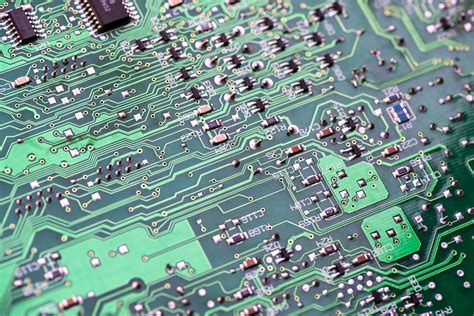
Custom circuit board assembly, commonly referred to as PCB assembly (PCBA), is a critical process that transforms a design concept into a functional electronic device. It encompasses several stages that include the fabrication of circuit boards, the placement of electronic components, and the soldering process. In this complex workflow, understanding the basics is essential for achieving high standards of efficiency and quality. The PCBA process begins with the design phase, where engineers create detailed schematics and layouts. Following this, materials such as copper-clad substrates are selected based on specific electrical and thermal properties needed for the final product.
Next, the components required for assembly are sourced, which often involves choosing between various suppliers to strike a balance between cost and quality. Once all materials are ready, the actual assembly takes place. This includes automated processes like surface mount technology (SMT) where components are placed on both sides of the circuit board using machines that ensure precision and speed. However, it is crucial to monitor each step closely to avoid common pitfalls that can lead to inefficiency or defects in the final PCB assembly product.
Moreover, quality assurance must permeate every aspect of PCBA. By examining factors such as component placement accuracy and solder joint integrity during production, manufacturers can mitigate risks associated with functionality down the line. Understanding these fundamental elements not only aids in successfully producing electronic devices but also sets a foundation for implementing innovative strategies that enhance operational efficiency in subsequent steps of the manufacturing process.
Key Challenges in Circuit Board Assembly and Their Solutions
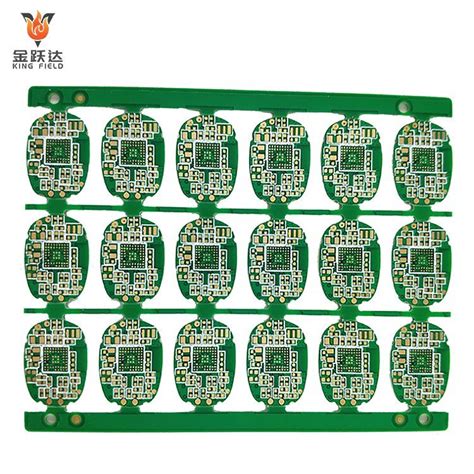
Custom circuit board assembly, commonly referred to as pcb assembly, presents several challenges that can hinder efficiency and quality. One major difficulty is the complexity of modern designs, which often involve intricate layouts and densely packed components. This can lead to increased risk of errors during the assembly process, as even minor misplacements can affect the performance of the final product. To mitigate these risks, implementing advanced technologies such as automated optical inspection (AOI) systems can greatly enhance error detection. Additionally, ensuring a well-organized workspace and maintaining proper equipment calibration are vital for sustaining efficiency in pcba operations.
Another significant challenge is managing production time effectively. Delays often stem from bottlenecks in the workflow due to inefficient processes or inadequate resource allocation. Adopting lean manufacturing principles can streamline operations by eliminating waste and optimizing each step of the assembly process. Moreover, enhancing team collaboration—through regular training sessions on best practices and utilizing effective communication tools—can greatly improve response times and productivity.
Quality control also plays a crucial role in overcoming assembly challenges. To ensure a high standard of output, robust quality assurance protocols must be enforced throughout the pcb assembly process. This includes establishing consistent testing procedures and employing statistical process control (SPC) techniques to monitor production variances.
In summary, addressing the key challenges associated with custom circuit board assembly requires a combination of innovative technologies, streamlined workflows, and diligent quality control measures. By focusing on these areas, manufacturers can enhance efficiency while producing superior products that meet market demands.
Innovative Technologies Transforming Circuit Board Production
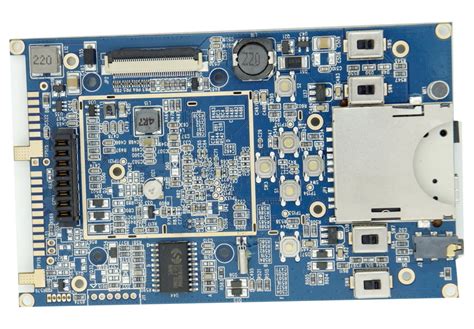
The landscape of pcb assembly is rapidly evolving, influenced by innovative technologies that enhance both the efficiency and quality of pcba processes. One significant advancement is the integration of automated assembly techniques, which minimize human error and optimize precision in component placement. For instance, the implementation of pick-and-place machines has streamlined the assembly line, significantly reducing cycle times and increasing throughput.
Moreover, advancements in materials science are introducing novel substrate materials that facilitate better conductivity and durability, thereby improving the overall performance of circuit boards. Digital Twin technology is also gaining traction, allowing for real-time simulations of the production process to identify potential bottlenecks before they escalate.
A critical component of this transformation is data analytics; by harnessing real-time data from production lines, manufacturers can make informed decisions to improve yield rates and reduce waste. This proactive approach not only cuts down time but elevates product quality across the board.
“Incorporating innovative technologies in pcb assembly not only increases productivity but also paves the way for a smarter manufacturing environment,” says industry expert Jane Doe.
Here is a summary of some key technologies shaping the future of circuit board production:
| Technology | Impact on Production |
|---|---|
| Automated Assembly Machines | Reduces human error |
| Digital Twin Technology | Enables real-time process simulation |
| Advanced Materials | Enhances durability |
| Data Analytics | Informs decision-making |
As these innovations continue to proliferate within pcba, they not only help manufacturers remain competitive but also lay a foundation for sustainable practices that will shape the future of circuit board production.
Best Practices for Reducing Production Time in Assembly
Reducing production time in pcb assembly can significantly enhance overall efficiency and lower costs. One of the most effective strategies is to adopt a lean manufacturing approach, which focuses on eliminating waste and optimizing workflows. By analyzing each stage of the pcba process, teams can identify bottlenecks and streamline operations. Additionally, investing in automation technologies, such as pick-and-place machines and soldering robots, can drastically decrease the time required for assembly while maintaining high quality standards. Training assemblers on the latest tools and techniques is also crucial; skilled personnel can more quickly identify issues and execute tasks efficiently, which leads to fewer errors and rework. Finally, utilizing collaborative software solutions allows teams to communicate effectively, track progress in real-time, and adapt quickly to changing project requirements. By implementing these best practices, companies can achieve significant improvements in their pcb assembly operations, ultimately delivering products faster without sacrificing quality.
Quality Control Measures for Superior Circuit Board Assembly
In the realm of pcb assembly, implementing robust quality control measures is essential for achieving consistent results and maintaining high standards. These measures begin with establishing clear specifications and guidelines at the outset, ensuring that every step of the process aligns with predetermined quality benchmarks. Automated inspections, utilizing advanced technology such as vision systems, can significantly enhance accuracy during the pcba process, identifying potential defects earlier in production. Furthermore, adopting a thorough test and validation protocol helps in verifying that each assembled board meets both functional and performance requirements. Training personnel on quality standards is also crucial; a well-informed team can spot anomalies quickly and effectively. Additionally, incorporating statistical process control (SPC) techniques allows for ongoing monitoring of production metrics, fostering a culture of continuous improvement. By integrating these quality control measures, organizations can optimize their workflow, reduce rework and scrap rates, and ultimately deliver superior circuit boards that are reliable and ready for market demands.
Tools and Software to Optimize Assembly Workflow
In the realm of pcb assembly, the integration of advanced tools and software solutions is crucial for optimizing workflow and enhancing overall efficiency. With the increasing complexity of designs and the demand for higher quality pcba, manufacturers must turn to innovative technologies that streamline their processes. For instance, specialized software platforms can automate various stages of production, from initial design verification to real-time monitoring of assembly lines. These tools help in identifying potential bottlenecks early in the process, allowing teams to address issues proactively. Furthermore, adopting automated pick-and-place machines equipped with intelligent software algorithms can significantly reduce operational time by increasing placement accuracy and speed. Additionally, utilizing simulation tools enables engineers to visualize circuit board layouts in a virtual environment before physical assembly, leading to better design choices and minimizing costly revisions. In summary, leveraging these modern tools not only aids in achieving a seamless pcba workflow but also contributes to a robust production environment that consistently meets quality standards. The future of custom circuit board assembly lies in embracing these technological advancements and integrating them into daily operations for optimum performance.
Case Studies: Successful Streamlining of Assembly Processes
Examining case studies of companies that have successfully streamlined their pcb assembly processes provides valuable insights into effective strategies. One such example is a leading electronics manufacturer that adopted advanced automation technologies, significantly reducing their production time. By investing in robotic assembly machines and implementing an innovative workflow, they were able to cut down on labor costs while improving the precision of their pcba operations. The integration of real-time monitoring systems also allowed for immediate detection of defects, enhancing overall product quality.
Another compelling case involved a small startup that focused on lightweight design materials and efficient component placement. This approach not only sped up their assembly time but also minimized waste, aligning with modern sustainability practices. Utilizing specialized software to optimize their assembly line layout, they achieved a remarkable reduction in production bottlenecks and increased throughput.
These examples underscore the importance of adaptability and continuous improvement in the custom circuit board assembly domain. Companies must remain proactive in exploring new tools and methodologies that enhance efficiency while maintaining high-quality standards. By sharing these success stories, other organizations can glean inspiration and practical lessons for streamlining their own assembly processes effectively.
Future Trends in Custom Circuit Board Assembly Efficiency
As the demand for pcb assembly continues to grow, understanding the future trends in this sector is crucial for manufacturers seeking to enhance efficiency. One significant trend is the increasing use of automation and robotics in pcba processes. Automated systems not only minimize human error but also significantly speed up the assembly lines, allowing for higher production rates. Moreover, advancements in artificial intelligence (AI) are enabling more sophisticated quality control techniques, which can detect defects early in the assembly process. This proactive approach to defect management leads to improved overall quality, thus enhancing customer satisfaction and reducing waste.
Another trend is the adoption of flexible manufacturing systems that allow companies to rapidly adjust their production lines based on changing market demands. This flexibility is especially important in industries where time-to-market is critical. Furthermore, integrating advanced software solutions that provide real-time data analytics can optimize workflow by identifying bottlenecks and inefficiencies within the pcb assembly process. By leveraging these tools, companies can systematically enhance their operational capabilities.
Moreover, environmentally sustainable practices are becoming increasingly important within pcba production. Manufacturers are focusing on reducing material waste and utilizing recyclable components, aligning their processes with global sustainability goals without sacrificing efficiency. As these trends evolve, they are set to redefine how custom circuit board assembly operates, paving the way for more streamlined and effective production methodologies that ultimately benefit both manufacturers and their clients.
Conclusion
In summary, streamlining custom circuit board assembly (also referred to as pcb assembly or pcba) is essential for enhancing overall efficiency in electronics manufacturing. By implementing innovative strategies and adopting leading-edge technologies, companies can significantly reduce both production time and costs. Quality plays an indispensable role in this process; thus, employing robust quality control measures ensures that every pcb assembly meets the highest standards. Furthermore, utilizing various tools and software to optimize the assembly workflow can greatly contribute to a smoother operation, leading to fewer errors and higher yield rates. As the industry evolves, staying abreast of future trends and adjusting practices accordingly will be vital for maintaining competitive advantages in the custom circuit board assembly landscape. In conclusion, by focusing on these key areas, manufacturers can achieve sustainable improvements in their pcba processes while delivering superior products to their customers.
FAQs
What is PCB assembly?
PCB assembly, or PCBA, is the process of connecting electronic components to a printed circuit board. This process involves various techniques such as soldering, where components are attached to the board using solder paste and heat.
What are common challenges faced in custom circuit board assembly?
Common challenges include component misalignment, defective components, and production inefficiencies. Solutions often involve investing in high-quality equipment and implementing stringent quality control measures throughout the pcb assembly process.
How can I streamline my PCB assembly process?
To streamline your pcb assembly, consider adopting new technologies like automated placement systems and robust software tools tailored for optimization. Additionally, standardizing processes can significantly reduce production time.
Why is quality control important in PCB assembly?
Quality control is crucial as it ensures that every PCBA meets specified standards, thus preventing costly failures in the final product. Implementing rigorous quality checks during various stages of the assembly can catch defects early.
What tools are recommended for optimizing the PCB assembly workflow?
Utilizing software that enables real-time monitoring and analysis of production lines can enhance workflow efficiency. Tools for CAD design integration, inventory management, and automated testing can also prove beneficial as part of the pcb assembly process.
For more information on enhancing your PCB assembly processes, please click here: Andwin PCB Assembly.