Streamlining Production with Trusted PCB Assembly Partners
Key Takeaways
Selecting the right PCB assembly partner directly impacts manufacturing efficiency, cost control, and product reliability. Central to successful partnerships are streamlined workflows enabled by advanced PCBA processes, which minimize manual interventions and accelerate time-to-market. Below are critical considerations for optimizing collaboration with suppliers:
| Focus Area | Key Benefit | Impact on Production |
|---|---|---|
| Scalability | Adapts to demand fluctuations | Reduces lead times |
| Precision Engineering | Ensures component accuracy | Improves yield rates |
| Cost Optimization | Eliminates redundant steps | Enhances ROI |
| Supply Chain Integration | Synchronizes material flows | Mitigates delays |
Effective PCB assembly relies on suppliers with expertise in design-for-manufacturing (DFM) principles, which preemptively address potential defects. By aligning with partners that prioritize PCBA automation and real-time quality monitoring, manufacturers gain cost predictability while maintaining compliance with industry standards. Transparent communication frameworks further ensure that both technical and logistical challenges are resolved proactively, solidifying long-term collaboration.
Optimizing PCB Assembly Workflows
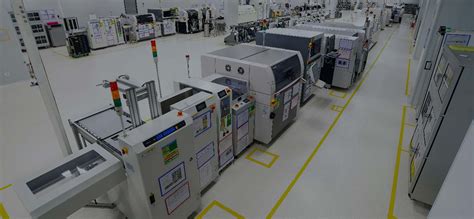
Efficient PCB assembly workflows rely on strategic integration of design, prototyping, and production phases. By leveraging advanced automation tools and design-for-manufacturability (DFM) principles, suppliers streamline processes to minimize errors and accelerate time-to-market. For instance, automated pick-and-place systems paired with optical inspection technologies ensure precise component placement during PCBA, reducing rework rates by up to 30%.
A critical factor in workflow optimization is aligning material procurement with production schedules. Trusted PCB assembly partners employ real-time inventory tracking and vendor-managed stock programs to mitigate supply chain disruptions. This approach not only stabilizes lead times but also enables scalable adjustments for high-mix, low-volume orders.
Collaboration between engineering teams and suppliers further enhances efficiency. Early involvement of PCBA experts in the design phase helps identify potential bottlenecks, such as incompatible component footprints or thermal management challenges. Proactive adjustments at this stage prevent costly revisions later.
Finally, data-driven analytics play a pivotal role. By monitoring key metrics like yield rates and cycle times, manufacturers refine workflows iteratively, ensuring consistent quality while maintaining cost-effectiveness. This systematic alignment of technology, supply chain agility, and cross-functional teamwork forms the backbone of modern PCB assembly optimization strategies.
Cost Reduction Strategies in PCB Assembly
Effective PCB assembly requires balancing quality with budget considerations. One proven approach involves optimizing design for manufacturability (DFM), which minimizes material waste and reduces production delays. By collaborating early with PCBA suppliers, engineers can identify component consolidation opportunities and standardize parts, lowering procurement costs.
Another strategy leverages volume-based pricing through consolidated orders or long-term contracts with trusted partners. This approach not only secures better rates for raw materials but also streamlines inventory management. Additionally, adopting lean manufacturing principles—such as just-in-time component delivery—reduces warehousing overhead and mitigates obsolescence risks.
Automation plays a pivotal role in cost-efficient PCB assembly. Advanced pick-and-place systems and automated optical inspection (AOI) tools minimize human error, cutting rework expenses. For high-mix projects, modular production lines enable rapid reconfiguration, ensuring scalability without compromising efficiency.
Finally, rigorous supplier vetting ensures access to certified components at competitive prices, preventing costly delays from counterfeit parts. By integrating these strategies, businesses achieve sustainable cost reductions while maintaining the precision demanded in modern PCBA workflows.
Ensuring Quality in PCB Manufacturing
Delivering reliable electronic products begins with rigorous quality control in PCB assembly processes. Leading PCBA suppliers implement multilayered inspection protocols, combining automated optical inspection (AOI) and X-ray testing to identify defects like solder bridging or component misalignment. Over 92% of manufacturing errors can be mitigated through these advanced verification stages, according to industry benchmarks.
Tip: Always verify if your supplier adheres to IPC-A-610 standards—the global benchmark for electronic assembly acceptability—to guarantee consistency across batches.
Material selection plays a pivotal role, with top-tier PCB assembly partners sourcing components from certified vendors to avoid counterfeit parts. Real-time statistical process control (SPC) further ensures deviations in soldering temperature or paste application are corrected before impacting production. For mission-critical applications, accelerated life testing simulates years of operational stress in controlled environments, validating product durability.
A robust PCBA quality framework also requires seamless traceability. Modern suppliers deploy digital twin systems to track every board’s manufacturing history, enabling rapid root-cause analysis if issues emerge post-deployment. By aligning with partners who prioritize ISO 9001-certified workflows, manufacturers reduce rework costs by up to 40% while maintaining compliance with aerospace, medical, or automotive regulations.
Transitioning to scalable quality systems demands collaborative planning. Forward-thinking PCB assembly providers conduct design-for-manufacturability (DFM) reviews early in the development cycle, addressing potential flaws before prototyping. This proactive approach minimizes late-stage redesigns, ensuring both efficiency and reliability are embedded into the product lifecycle.
Precision Engineering for PCB Production
At the core of modern electronics manufacturing lies precision engineering, a discipline that ensures PCB assembly processes meet exacting standards for performance and reliability. Advanced PCBA suppliers leverage laser-aligned placement systems and automated optical inspection (AOI) to achieve micron-level accuracy in component mounting, critical for high-density designs. By integrating surface-mount technology (SMT) with controlled thermal profiling, these partners minimize soldering defects while optimizing signal integrity across multilayer boards.
The use of statistical process control (SPC) tools further enhances consistency, enabling real-time adjustments to parameters like solder paste deposition or reflow oven temperatures. For applications requiring ultra-fine pitch components or mixed-technology boards, specialized PCB assembly workflows incorporate robotic pick-and-place systems capable of handling 01005-sized passives with sub-millisecond precision. This meticulous approach not only reduces rework rates but also accelerates time-to-market for complex IoT and aerospace systems.
Leading suppliers also adopt design for manufacturability (DFM) principles early in the product lifecycle, identifying potential fabrication challenges before prototyping. Through collaborative engineering reviews, they align material selection—from high-Tg laminates to low-loss dielectrics—with both electrical requirements and PCBA production capabilities, ensuring seamless scalability from pilot runs to full-volume orders.
Scalable Electronics Assembly Solutions
Modern manufacturing demands require PCB assembly partners capable of adapting to fluctuating production volumes without compromising efficiency. Scalable solutions enable businesses to handle both low-volume prototyping and high-volume runs seamlessly, ensuring alignment with market demands. Leading PCBA providers achieve this through advanced manufacturing technologies, such as automated pick-and-place systems and modular production lines, which allow rapid reconfiguration for varying project scales.
A critical advantage of scalability lies in its ability to balance cost-effectiveness with speed. By leveraging PCB assembly platforms that support flexible batch sizes, companies can minimize inventory overhead while maintaining readiness for sudden demand spikes. Additionally, cloud-based monitoring tools integrated into PCBA workflows provide real-time visibility into production metrics, enabling proactive adjustments to throughput and resource allocation.
Scalability also extends to supply chain resilience. Trusted suppliers employ multi-tiered sourcing networks to mitigate component shortages, ensuring uninterrupted production even during global supply chain disruptions. This adaptability not only supports business growth but also lays the foundation for seamless integration with broader manufacturing ecosystems—a topic explored further in subsequent sections on supply chain collaboration. By prioritizing scalable PCB assembly strategies, organizations future-proof their operations against evolving industry challenges.
PCB Assembly Supply Chain Integration
Effective PCB assembly relies on seamless coordination across design, procurement, and manufacturing stages. By aligning PCBA suppliers with raw material providers, logistics networks, and end-user requirements, businesses eliminate bottlenecks that delay time-to-market. Real-time data exchange between stakeholders enables proactive inventory management, reducing excess stock while ensuring critical components like ICs or connectors remain available. Advanced tools such as ERP systems automate order tracking, while vendor-managed inventory (VMI) models shift responsibility for component replenishment to trusted partners.
A unified supply chain also strengthens quality control by embedding testing protocols at multiple checkpoints. For example, suppliers adopting IoT-enabled traceability can monitor solder paste application or component placement accuracy during PCB assembly, flagging deviations before they escalate. This integration extends to sustainability goals, as consolidated logistics networks lower carbon footprints through optimized shipping routes.
Ultimately, collaboration with PCBA specialists who offer end-to-end visibility ensures scalability during demand surges. Manufacturers gain flexibility to pivot between high-mix, low-volume prototyping and mass production without sacrificing reliability. By embedding suppliers as strategic partners, businesses minimize disruptions and maximize the ROI of their electronics manufacturing investments.

Collaborative PCB Assembly Partnerships
By establishing strategic relationships with PCB assembly suppliers, manufacturers gain access to integrated technical expertise and streamlined processes that align with evolving production demands. These partnerships thrive on transparent communication, enabling suppliers to optimize PCBA workflows through early involvement in design reviews, material selection, and supply chain coordination. For instance, trusted partners often employ design for manufacturability (DFM) analysis to preemptively address potential bottlenecks, reducing rework risks and accelerating time-to-market.
A collaborative approach also enhances scalability, as suppliers with PCB assembly expertise can dynamically adjust production volumes while maintaining consistent quality standards. This is particularly critical for industries requiring rapid scaling, such as IoT or automotive electronics, where component shortages or design iterations demand agile responses. Furthermore, long-term partnerships foster innovation through shared data insights, such as failure rate analytics or component sourcing strategies, creating a feedback loop that refines both product reliability and cost efficiency.
By prioritizing alignment in quality protocols and sustainability goals, manufacturers and PCB assembly suppliers cultivate relationships that transcend transactional engagements, ultimately driving mutual growth in competitive markets. From prototyping to mass production, this synergy ensures that every phase of PCBA development benefits from cross-functional collaboration, technical precision, and risk-mitigated execution.
Maximizing ROI With Trusted Suppliers
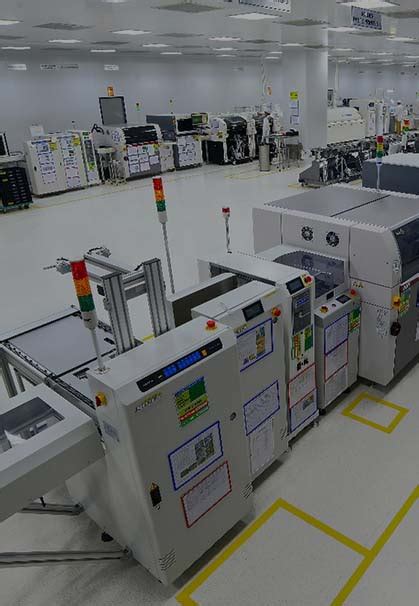
Selecting the right PCB assembly partner directly impacts profitability by aligning technical capabilities with long-term business objectives. Cost-efficiency and quality assurance are foundational, but trusted PCBA suppliers elevate ROI through strategic advantages like reduced production downtime, accelerated time-to-market, and minimized rework rates. By leveraging suppliers with proven expertise in high-volume manufacturing, companies avoid costly errors caused by inconsistent processes or unverified component sourcing.
Advanced PCB assembly providers integrate real-time analytics into their workflows, enabling data-driven decisions that optimize material utilization and labor allocation. This precision reduces waste while maintaining compliance with industry-specific standards, such as IPC-A-610 for electronic assemblies. Additionally, collaborative partnerships often grant access to cutting-edge technologies like automated optical inspection (AOI) or flexible surface-mount assembly lines—resources that might otherwise require prohibitive capital investments.
Beyond operational efficiencies, trusted suppliers mitigate supply chain risks through multi-tier vendor networks and dual-sourcing strategies. This ensures continuity even during component shortages or geopolitical disruptions, safeguarding production timelines. By prioritizing suppliers with transparent communication protocols and scalable PCBA solutions, businesses can adapt to market fluctuations without compromising margins—transforming procurement from a transactional cost center into a strategic growth driver.
Conclusion
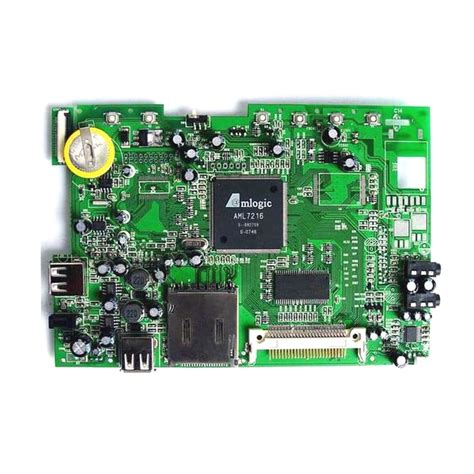
Selecting the right PCB assembly partner is a strategic decision that directly impacts manufacturing efficiency and product reliability. By aligning with suppliers that prioritize precision engineering and scalable electronics assembly capabilities, businesses can address evolving market demands while maintaining cost-effectiveness. Trusted PCBA providers excel in integrating advanced technologies with proven supply chain strategies, ensuring seamless transitions from prototyping to high-volume production.
The collaboration between manufacturers and PCB assembly specialists fosters innovation through real-time technical support and process optimization, minimizing bottlenecks and material waste. Moreover, leveraging PCBA expertise enables companies to navigate component shortages and compliance challenges, safeguarding project timelines. As manufacturers increasingly prioritize agility, the role of end-to-end assembly partners becomes critical in balancing quality control with rapid scalability.
Ultimately, the value of a reliable PCB assembly supplier extends beyond transactional engagements—it builds a foundation for long-term competitiveness. By embedding data-driven quality assurance and adaptive manufacturing frameworks, these partnerships empower businesses to maximize ROI while future-proofing operations against industry disruptions. The convergence of technical excellence and collaborative execution remains central to achieving sustainable growth in today’s dynamic electronics landscape.

FAQs
What criteria should I consider when selecting a PCB assembly supplier?
Look for suppliers with certifications like ISO 9001 and IPC-A-610, which validate adherence to quality standards. Experience in handling complex designs and offering PCBA prototyping-to-volume scalability ensures alignment with your project’s lifecycle.
How do PCB assembly partners reduce manufacturing costs?
Optimized material sourcing, automated processes, and lean manufacturing practices minimize waste. Trusted suppliers leverage PCBA-specific tools for design-for-manufacturing (DFM) analysis, identifying cost-saving opportunities without compromising performance.
What measures ensure quality in PCB assembly workflows?
Rigorous testing protocols—including automated optical inspection (AOI) and functional testing—are critical. Suppliers with closed-loop feedback systems can quickly address defects, ensuring compliance with industry standards like IPC Class 3 for high-reliability applications.
Can PCB assembly services scale with fluctuating production demands?
Leading providers offer flexible capacity models, enabling seamless transitions between low-volume prototyping and high-volume runs. Integrated supply chain networks further ensure component availability, reducing lead times during demand spikes.
Why is supply chain integration vital for PCBA projects?
Collaborative suppliers maintain real-time visibility into component inventories and market trends, mitigating risks like shortages or obsolescence. This integration supports end-to-end traceability, essential for industries requiring strict compliance documentation.
Ready to Streamline Your Production?
Partner with a PCB assembly expert to unlock efficiency and reliability. Please click here to explore tailored solutions for your next project.