Streamlining Prototype SMT Assembly for Efficient Production
Key Takeaways
In an era where efficiency and speed are paramount, streamlining the prototype SMT assembly process is crucial for manufacturers aiming to stay competitive. A deep understanding of the fundamentals of this process, including the intricacies of pcb assembly and pcba, helps identify bottlenecks that may hinder production. The key challenges in this domain often revolve around maintaining quality while managing costs and timelines. By implementing innovative strategies such as automated inspection systems and real-time data analytics, companies can create a more agile manufacturing environment. This reduces lead times significantly, allowing for faster iterations on designs and quicker responses to market demands.
To enhance production efficiency, leveraging advanced technologies like robotic assembly systems can transform traditional workflows. Companies adopting these technologies report improved accuracy in placements and soldering processes, which is particularly important for intricate designs often seen in pcba development. Table 1 illustrates common challenges in prototype SMT assembly alongside potential innovative solutions.
| Challenge | Innovative Solution |
|---|---|
| High lead times | Real-time process monitoring |
| Quality control issues | Automated inspection technologies |
| Cost overruns | Lean manufacturing principles |
| Inefficient communication | Integrated project management tools |
Incorporating these elements not only mitigates risks but also paves the way for future trends in the industry—emphasizing adaptability and responsiveness in manufacturing practices. Ultimately, mastering these strategies ensures a firm competitive advantage by aligning operational practices with evolving market needs.
Understanding the Basics of Prototype SMT Assembly
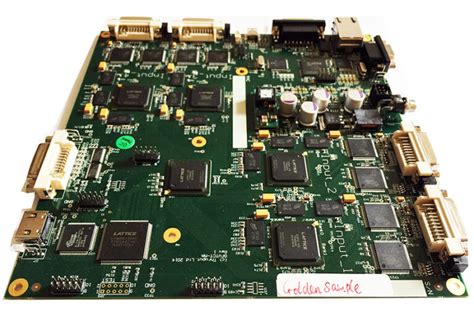
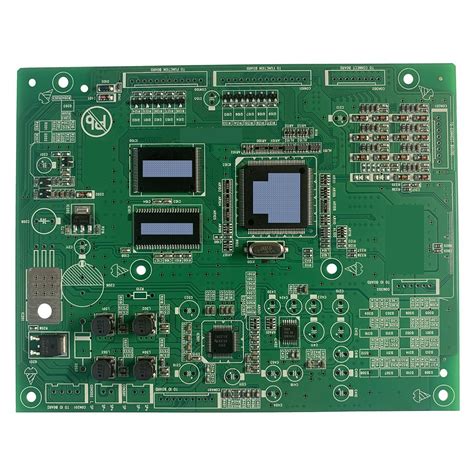
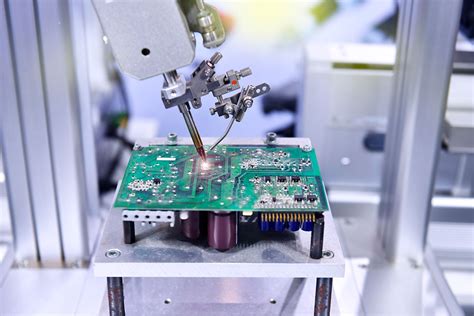
Prototype SMT (Surface Mount Technology) assembly is a critical phase in the development of PCBs (Printed Circuit Boards), enabling manufacturers to create functional models before scaling up production. In this process, electronic components are mounted directly onto the surface of a PCB, which allows for greater efficiency and compact designs. Understanding the fundamentals involves recognizing that prototype PCBA (Printed Circuit Board Assembly) is not just about placing components but also about ensuring optimal connections and functionality. The importance of accuracy in this stage cannot be overstated; a well-executed prototype can save time, resources, and costs in the long run.
To effectively achieve this, it’s essential to have a clear grasp of various techniques and tools employed in SMT assembly, including stencil printing, pick-and-place machines, and reflow soldering processes. Keeping up to date with these methodologies can significantly enhance production workflows. Furthermore, as stated in expert observations, “investing in high-quality equipment and skilled operators can make a substantial difference in prototype assembly outcomes.” Solutions that streamline the assembly process not only reduce errors but also improve cycle times significantly.
By focusing on these foundational aspects of prototype SMT assembly, manufacturers can lay a solid groundwork for subsequent phases of production while addressing challenges related to quality control and efficiency right from the start. This foundation ultimately leads to superior products that meet industry standards and consumer expectations effectively.
Key Challenges in Prototype SMT Assembly
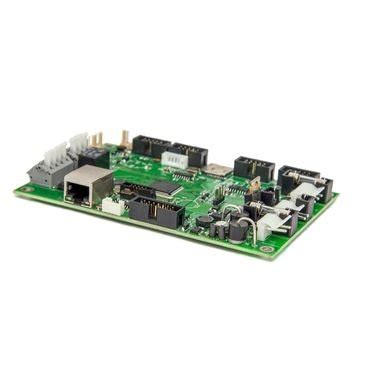
In the realm of prototype SMT assembly, several key challenges complicate the process and impact overall efficiency. One significant issue is the high variability in design and fabrication requirements, which often leads to inconsistencies in pcb assembly processes. Many manufacturers struggle with adapting to rapid changes in designs without sacrificing quality or prolonging lead times. Furthermore, the demand for more complex layouts and miniaturization of components has heightened the need for precision in pcba production. Another challenge is the integration of advanced technologies and equipment that can efficiently handle intricate assemblies while maintaining cost-effectiveness. The workforce also faces difficulties due to a skill gap, as not all employees are well-versed in the latest techniques and technologies associated with modern pcb assembly processes. Finally, supply chain complexities can lead to delays, impacting the ability to meet deadlines and respond to market demands swiftly. Addressing these challenges is critical for manufacturers looking to enhance productivity and ensure a competitive advantage in today’s fast-paced manufacturing environment.
Innovative Strategies for Process Optimization
In the realm of prototype SMT assembly, optimizing processes is essential for achieving heightened efficiency and adaptability. One of the most effective strategies involves implementing robust workflow methodologies, such as Lean manufacturing principles. These principles emphasize minimizing waste and maximizing value, providing a solid foundation for streamlining assembly processes. Additionally, the integration of advanced technology—such as automation and intelligent systems—can significantly enhance pcb assembly accuracy and speed. Adopting automated pick-and-place systems not only reduces manual errors but also allows for faster turnaround times in pcba production.
Moreover, effective training programs for personnel on the latest techniques and tools used in prototype SMT assembly can lead to improved operational performance. By investing in employee skills, manufacturers can foster an environment that encourages innovation and proactive problem-solving. Furthermore, establishing real-time tracking systems using IoT technology enables manufacturers to monitor production metrics closely, facilitating timely adjustments that optimize output.
Overall, a combination of Lean methodologies, technology implementation, and skilled workforce development creates a synergistic effect that propels pcb assembly operations toward improved efficiency and competitiveness in today’s demanding market landscape.
Techniques to Reduce Lead Times in Production
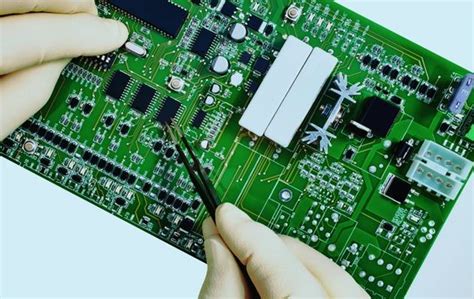
Reducing lead times in prototype SMT assembly is crucial for maintaining a competitive edge in today’s fast-paced manufacturing environment. One effective technique is the implementation of just-in-time (JIT) inventory, which helps minimize excess stock and accelerates the production process. By aligning production schedules closely with material availability, companies can ensure that components are ready precisely when needed, thus reducing waiting times. Another strategy involves optimizing the pcb assembly layout for increased efficiency; a well-designed layout can facilitate smoother transitions between assembly stations and decrease handling time. Utilizing automated processes where feasible is also beneficial; automation not only speeds up production but improves consistency in quality, thereby reducing the risk of rework associated with defects in pcba. Additionally, employing advanced software tools for project management can streamline communication and enhance coordination among teams, further shortening lead times. By integrating these strategies, manufacturers can effectively meet client demands while boosting overall productivity and maintaining high standards in their assembly processes.
Enhancing Production Efficiency through Technology
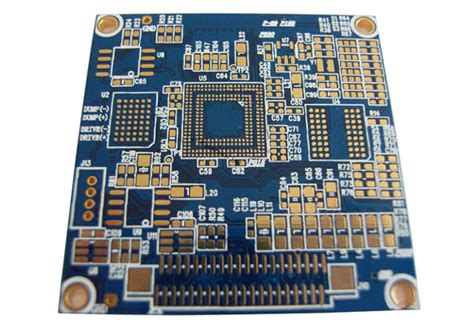
The integration of technology in prototype SMT assembly significantly enhances production efficiency, transforming traditional processes into streamlined operations. By leveraging advanced automation tools, manufacturers can optimize their pcb assembly workflows, allowing for greater precision and reduced errors. Technologies such as robotics and artificial intelligence enable real-time monitoring and adjustment of assembly lines, ensuring that the production of pcba is not only faster but also meets the strict quality standards essential in today’s competitive market. Furthermore, the implementation of Industry 4.0 principles facilitates data-driven decision-making, allowing companies to anticipate issues before they arise and implement proactive solutions. As a result, manufacturers can achieve shorter lead times and greater flexibility in their operations, catering to the evolving demands of modern manufacturing environments. By harnessing these innovative technologies, organizations can substantially improve their overall production efficiency while maintaining a sharp focus on quality and customer satisfaction.
Case Studies: Successful Implementation of Streamlined Processes
The successful implementation of streamlined processes in prototype SMT assembly has led to remarkable improvements in production efficiency and reliability. Companies that have adopted innovative strategies to enhance their pcb assembly processes have seen substantial benefits. For instance, a leading electronics manufacturer integrated automated inspection systems, which significantly reduced errors in the pcba workflow. This not only minimized the time spent on quality control but also accelerated the overall assembly process. Another case study highlights a firm that focused on cross-functional training for its employees, allowing engineers and operators to work synergistically. This collaboration led to a decrease in lead times as each team was empowered to identify and resolve issues promptly within the pcb assembly line. Furthermore, the adoption of real-time monitoring tools has allowed manufacturers to track production metrics effectively, providing insights into areas that needed further optimization. As these case studies illustrate, embracing technological advancements and fostering a culture of continuous improvement can lead to significant enhancements in prototype SMT assembly operations, ultimately meeting the ever-evolving demands of modern manufacturing.
Future Trends in Prototype SMT Assembly
As the landscape of pcb assembly continues to evolve, several key trends are poised to reshape the future of prototype SMT assembly. One significant trend is the integration of automation and advanced robotics, which enhances precision and reduces human error in the pcba process. Companies are increasingly adopting smart factories equipped with IoT capabilities to monitor production lines in real time. This enables data-driven decisions that can streamline workflows and enhance overall production efficiency. Furthermore, the rise of customizable designs and rapid prototyping techniques allows for shorter iteration cycles, thereby decreasing lead times significantly. The shift towards more sustainable practices is another compelling trend, with manufacturers looking to minimize material waste through optimized designs and processes. As consumer demands for quicker turnarounds grow fiercer, staying adaptable will be crucial for companies aiming to maintain a competitive edge in prototype SMT assembly. Embracing these trends not only helps meet current market needs but also positions manufacturers favorably for future challenges in the industry.
Conclusion: Achieving Competitive Advantage through Efficient Practices
In the fast-evolving landscape of modern manufacturing, organizations that effectively implement prototype SMT assembly practices are better positioned to achieve a competitive edge. By embracing innovative strategies for process optimization, companies can streamline their pcb assembly operations, ensuring shorter lead times and enhanced overall production efficiency. The integration of advanced technologies further plays a pivotal role in this transformation. For instance, automation and real-time monitoring systems help significantly reduce errors and increase throughput in pcba processes. Moreover, adopting lean manufacturing principles fosters a culture of continuous improvement, driving teams to identify inefficiencies and implement best practices continuously. As companies successfully navigate the complexities of prototype assembly processes, they not only meet the growing demands of the market but also establish themselves as leaders in their field. To stay ahead in an increasingly competitive environment, organizations must prioritize these efficient practices and remain adaptable to future trends in prototype SMT assembly.
Conclusion: Achieving Competitive Advantage through Efficient Practices
In today’s fast-paced manufacturing environment, streamlined prototype SMT assembly is crucial for companies aiming to stay competitive. By adopting innovative strategies that focus on optimizing processes and minimizing inefficiencies, manufacturers can achieve significant improvements in pcb assembly operations. The integration of advanced technology not only enhances production efficiency but also supports rapid pcba developments that meet ever-evolving market demands. The implementation of best practices in prototype assembly can lead to reduced lead times, better resource allocation, and increased product quality—key factors that help organizations thrive. As the industry continues to mature, companies that invest in these streamlined processes will not only meet but exceed customer expectations, securing a strong presence in the marketplace. Thus, achieving a competitive advantage hinges on the dedication to efficient practices that foster innovation and responsiveness in prototype SMT assembly.
FAQs
What is prototype SMT assembly?
Prototype SMT assembly refers to the process of mounting surface-mount technology (SMT) components onto printed circuit boards (PCBs), known as pcb assembly. This method allows manufacturers to create small batches of electronic devices for testing and design validation.
What are the main benefits of optimizing prototype SMT assembly?
Optimizing prototype SMT assembly leads to reduced lead times and improved production efficiency. By implementing innovative strategies, companies can meet the growing demands of the pcba market while ensuring higher quality and performance.
How can lead times be reduced in prototype PCB assembly?
To reduce lead times in prototype pcb assembly, manufacturers can streamline their processes by investing in advanced technologies such as automated placement machines and smart inventory management. This not only enhances productivity but also minimizes potential delays.
What challenges are commonly faced during the prototype SMT assembly process?
Common challenges include dealing with component shortages, managing complex designs, and ensuring quality control. Overcoming these obstacles requires a deep understanding of best practices and possible technological enhancements.
Which technologies can enhance production efficiency during SMT assembly?
Advanced technologies such as machine learning algorithms for predictive maintenance, real-time monitoring systems, and automation analytics play a crucial role in enhancing production efficiency in SMT assembly processes.
For more insights into optimizing your pcb assembly, please check out the following link: