Tempo Automation: Revolutionizing PCB Prototyping Speeds
Key Takeaways
When optimizing PCB manufacturing workflows, the balance between speed, quality, and cost defines competitive advantage. Leading PCB manufacturing companies prioritize systems that eliminate bottlenecks while maintaining rigorous standards—exactly where Tempo Automation’s model shines. By integrating software-driven processes, they slash PCB manufacturing cost through reduced material waste and minimized manual interventions. This efficiency doesn’t sacrifice precision; instead, it ensures time-to-market gains without compromising on design fidelity.
For businesses scaling their PCB manufacturing business, transparency in production timelines and real-time tracking becomes critical. Tempo’s platform offers end-to-end visibility, allowing you to anticipate delays and adjust iterations faster than traditional methods. The result? A predictable prototyping cycle that aligns with aggressive product launch schedules. Whether you’re testing a new component or refining a complex assembly, the ability to iterate rapidly while controlling costs transforms how you approach innovation—turning prototyping from a hurdle into a strategic lever.
Tempo Automation’s Breakthrough in PCB Prototyping
When accelerating PCB manufacturing timelines, traditional PCB manufacturing companies often face trade-offs between speed, precision, and cost. Tempo Automation eliminates this dilemma by integrating software-driven workflows with advanced automation, compressing prototyping cycles from weeks to days. By digitizing design validation and automating fabrication processes, their system reduces PCB manufacturing cost while maintaining rigorous quality standards—a critical advantage for startups and enterprises alike.
“Optimizing your design for automated workflows upfront can shave days off prototyping iterations,” advises an industry report on modern PCB production strategies.
What sets Tempo apart is its transparent platform, which lets you track progress in real time—uncommon in the PCB manufacturing business. This visibility ensures alignment with time-to-market goals, particularly for new product introduction (NPI) phases where delays cascade into missed opportunities. Their approach not only accelerates prototyping but also scales seamlessly, whether you’re testing a single-board concept or preparing for high-volume production. By prioritizing both speed and repeatability, Tempo bridges the gap between rapid iteration and industrial-grade reliability.
How Tempo Automation Cuts PCB Prototyping Time
When developing hardware, time spent waiting for PCB manufacturing iterations can derail project timelines. Tempo Automation addresses this challenge by streamlining processes that traditional PCB manufacturing companies often struggle to optimize. Their software-driven approach eliminates manual handoffs between design and production, reducing turnaround times from weeks to days.
Here’s how it works:
- Automated design validation identifies errors upfront, minimizing revisions.
- AI-powered routing optimizes circuitry layouts for faster fabrication.
- Real-time supply chain integration ensures material availability without delays.
| Traditional Process | Tempo’s Process |
|---|---|
| 2-3 weeks lead time | 3-5 business days |
| Manual DFM checks | Instant analytics |
| Static pricing models | Dynamic PCB manufacturing cost calculations |
By compressing these stages, Tempo’s platform tackles the hidden inefficiencies that inflate timelines in conventional PCB manufacturing business models. You gain visibility into every milestone, from quote to delivery, through their transparent dashboard—no more guessing games about production status. For startups and enterprises alike, this precision translates to faster validation cycles, reduced PCB manufacturing risks, and more iterations within the same development window. The result? Your team can refine designs aggressively while maintaining control over both timelines and budgets.

Software-Driven PCB Manufacturing Speed Benefits
When optimizing PCB manufacturing workflows, software-driven systems eliminate bottlenecks that traditionally slow prototyping. By automating design validation, material selection, and production scheduling, these platforms reduce manual intervention by up to 70%, compressing lead times from weeks to days. Real-time analytics enable instant adjustments—like optimizing panel layouts to minimize waste—without halting production lines. For PCB manufacturing companies, this agility means faster iteration cycles, letting you test multiple design variants in the time it once took to produce a single prototype.
The impact on PCB manufacturing cost is equally transformative. Automated error detection slashes rework rates, while predictive maintenance algorithms cut downtime by 40% or more. This precision ensures your PCB manufacturing business avoids costly delays from quality escapes or machine failures. Intelligent routing further accelerates timelines by dynamically assigning tasks across distributed manufacturing nodes, ensuring capacity aligns with project urgency.
What sets this apart? Traditional methods rely on linear, disconnected processes. Software-driven systems create closed-loop feedback between design, fabrication, and testing—turning prototypes into production-ready boards faster than ever. By integrating these tools, you’re not just speeding up outputs; you’re building a foundation for scalable, repeatable innovation.
Precision Engineering in Rapid PCB Development
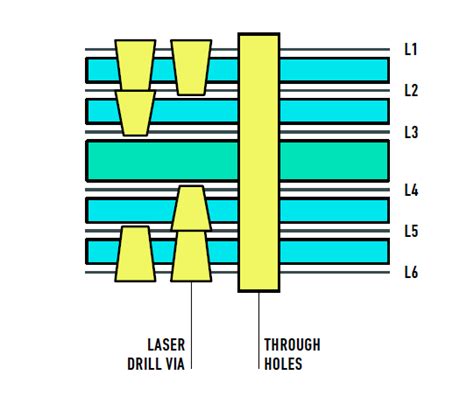
Achieving speed without compromising accuracy requires PCB manufacturing processes that integrate advanced automation with meticulous quality control. Leading PCB manufacturing companies leverage precision engineering to eliminate human error while maintaining tight tolerances—critical for high-frequency designs or miniaturized components. By deploying adaptive laser drilling and sub-20μm alignment accuracy systems, these workflows ensure even complex multilayer boards meet first-pass success benchmarks.
For innovators balancing PCB manufacturing cost and performance, automated trace routing optimizes material usage, reducing waste by up to 30% compared to manual methods. Real-time impedance monitoring further prevents costly re-spins by catching signal integrity issues during fabrication. This level of precision isn’t just about technical specs—it directly impacts your PCB manufacturing business outcomes. Faster iteration cycles mean you can validate design validation phases sooner, accelerating time-to-market without sacrificing reliability.
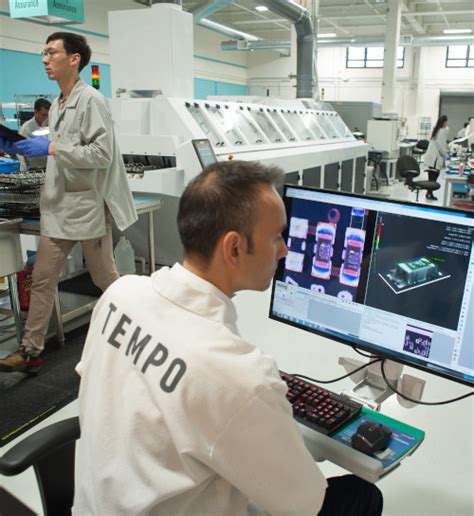
Transitioning from traditional prototyping, modern systems embed automated optical inspection (AOI) and AI-powered defect detection to maintain consistency across batches. Whether you’re scaling prototypes or refining high-density interconnects, precision engineering ensures every layer aligns perfectly—even at 24-hour turnaround speeds. This seamless integration of speed and accuracy reshapes how teams approach functional testing, turning rapid development into a competitive edge rather than a compromise.

Transparent Processes in PCB Prototyping Success
When evaluating PCB manufacturing companies, visibility into production workflows becomes critical for minimizing risks and aligning expectations. Modern PCB manufacturing demands more than speed—it requires end-to-end clarity to avoid costly delays or design mismatches. With software-driven platforms, you gain real-time tracking of orders, material status updates, and automated quoting tools that demystify PCB manufacturing cost calculations. This transparency eliminates guesswork, allowing you to allocate resources efficiently and adjust designs before committing to full-scale production.
Leading PCB manufacturing business models now prioritize digital traceability, ensuring every design revision, fabrication step, and quality check is documented and accessible. For instance, automated systems flag potential bottlenecks or material inconsistencies early, enabling proactive adjustments. This level of openness not only accelerates iteration cycles but also builds trust—a key factor when partnering with innovators racing against tight deadlines. By integrating transparent processes, manufacturers empower you to make data-driven decisions, turning prototyping phases into strategic advantages rather than unpredictable hurdles.
Why Leaders Choose Tempo Automation for NPI
When accelerating new product introduction (NPI), you need PCB manufacturing partners that align with your innovation timeline. Traditional PCB manufacturing companies often struggle to balance speed with precision, creating bottlenecks in prototyping. Tempo Automation eliminates these friction points by integrating software-driven workflows that streamline design validation and material sourcing, ensuring your PCB manufacturing cost stays predictable even during rapid iterations.
Leaders prioritize transparency in their PCB manufacturing business, and Tempo delivers with real-time progress tracking and automated quality checks. This eliminates guesswork in supply chain coordination, allowing teams to focus on design optimization rather than logistics. The platform’s adaptive scaling also means you can adjust order volumes without renegotiating contracts—critical for NPI phases where timelines compress unexpectedly.
What sets Tempo apart is its ability to compress development cycles without sacrificing reliability. By automating DFM (Design for Manufacturing) analysis and leveraging machine learning for error reduction, it ensures prototypes meet exact specifications faster. For executives managing tight product launches, this translates to fewer delays, lower rework expenses, and a clearer path from concept to market dominance.
Automated PCB Solutions for Time-to-Market Wins
When competing in fast-paced industries, reducing PCB manufacturing timelines becomes mission-critical. Traditional workflows often involve fragmented communication, manual adjustments, and unpredictable delays—factors that erode your competitive edge. Modern PCB manufacturing companies like Tempo Automation tackle these challenges head-on by integrating software-driven automation with precision engineering. Their systems eliminate bottlenecks through real-time design validation, automated material sourcing, and synchronized production scheduling, compressing prototyping cycles from weeks to days.
By prioritizing transparency in PCB manufacturing cost structures, you gain clearer insights into budget allocation while maintaining quality standards. Automated optical inspection (AOI) and AI-powered defect detection ensure errors are flagged early, minimizing rework and accelerating final delivery. For businesses scaling their PCB manufacturing business, this approach transforms rapid iteration from a logistical hurdle into a strategic advantage. Whether refining a complex multilayer design or optimizing for high-volume production, automated solutions let you align prototype readiness with market demands seamlessly. The result? Faster validation cycles, reduced risk in new product introduction (NPI), and the ability to capitalize on emerging opportunities before competitors even reach the starting line.
Ensuring Quality in High-Speed PCB Prototyping
When accelerating PCB manufacturing timelines, maintaining rigorous quality standards becomes critical. Leading PCB manufacturing companies face a delicate balance: delivering rapid prototypes without compromising reliability. Advanced systems now integrate real-time monitoring and automated defect detection algorithms to identify issues like micro-shorts or impedance mismatches early in production. For instance, Tempo Automation combines high-speed workflows with precision inspection tools, ensuring even the most complex designs meet exact specifications.
Cost-driven decisions in PCB manufacturing cost optimization often raise concerns about material integrity or process shortcuts. However, modern software-driven approaches eliminate these risks by enforcing strict tolerances and traceability at every stage. By analyzing historical data and leveraging machine learning, manufacturers preemptively flag potential flaws—reducing rework cycles while preserving speed.
For businesses scaling their PCB manufacturing business, transparency in quality metrics is non-negotiable. Automated reporting tools provide granular insights into yield rates and failure points, empowering teams to iterate confidently. This level of oversight ensures that faster turnarounds don’t translate to hidden defects, a key reason innovators trust accelerated workflows for mission-critical NPI phases.
The result? A seamless alignment of velocity and precision, where process deviations are corrected in milliseconds—not days—keeping your development cycle agile and outcomes consistent.
Conclusion
When seeking PCB manufacturing solutions that align with modern development cycles, Tempo Automation’s approach redefines what’s possible. By integrating software-driven workflows with advanced automation, they eliminate bottlenecks that traditional PCB manufacturing companies often face—delays from manual processes, opaque communication, and inconsistent quality checks. This precision-focused model not only accelerates prototyping but also optimizes PCB manufacturing cost by reducing material waste and minimizing rework.
For teams prioritizing time-to-market, the ability to iterate rapidly without sacrificing reliability becomes a strategic advantage. Tempo’s transparent tracking systems ensure you’re never left guessing about project status, a critical factor when managing complex PCB manufacturing business timelines. Whether refining a high-density design or scaling production-ready boards, their commitment to speed and accuracy ensures every prototype meets rigorous standards.
Ultimately, the fusion of automation and engineering expertise positions Tempo as more than a vendor—it’s a partner for transforming ideas into market-ready solutions. By addressing both technical and operational challenges, they empower innovators to focus on what matters most: building products that redefine industries.
FAQs
How does software-driven manufacturing accelerate PCB prototyping timelines?
By integrating intelligent automation with PCB manufacturing workflows, you eliminate manual bottlenecks while maintaining precision. This approach enables PCB manufacturing companies to reduce iteration cycles from weeks to days through real-time design validation and machine learning optimizations.
What factors determine PCB manufacturing cost in rapid prototyping?
Material selection, layer complexity, and turnaround requirements primarily drive PCB manufacturing cost. Advanced providers optimize expenses through automated yield improvements and bulk material sourcing without compromising quality standards critical for NPI phases.
Why should startups prioritize speed in selecting PCB manufacturing companies?
Fast-turn PCB manufacturing business models enable you to test concepts faster, securing market advantages before competitors. Providers combining cloud-based collaboration with automated processes help compress development timelines by 40-60% compared to traditional shops.
How do transparent processes impact PCB prototyping success?
Visibility into PCB manufacturing stages lets you anticipate delays and adjust designs proactively. Leading companies employ digital dashboards showing real-time production metrics, ensuring alignment between your engineering team and manufacturing partners.
Can high-speed prototyping compromise PCB reliability?
When executed by certified PCB manufacturing companies, accelerated processes enhance quality through automated optical inspection and AI-driven defect detection. Speed becomes an asset rather than a risk when paired with military-grade testing protocols.
Need Customized PCB Manufacturing Solutions?
For tailored PCB manufacturing cost estimates and DFM guidance supporting rapid prototyping, please click here. Our team specializes in scaling innovations from prototype to production.